
Reviewed · COOKING CLASSES
Pachamama – Argentine Cooking Experience in Buenos Aires
Argentine cooking is a social affair. Pachamama turns that tradition into a friendly, hands-on class where you cook four local recipes, learn the stories behind them, and sit down to eat with Mendoza wine. I especially like the homemade picada at the start and the chance to make empanadas, humita, and dulce de leche crepes from scratch. The one thing to know is that you work as a group, so you will not personally prepare every dish from beginning to end.
I also like the small setting, with space for up to 10 people, plus recipes, class photos, and Buenos Aires tips to take home. The food is designed around Argentine customs rather than a generic cooking lesson. At $75 per person, the price is fair if you value a full meal, wine, instruction, and a cultural introduction in one three-hour visit.
In This Review
- Key things to know before booking
- A warm welcome with picada and vermouth
- Cooking chipá with sauces from the region
- Making beef empanadas and chimichurri
- Humita stew brings corn to the center
- Flamed dulce de leche crepes for dessert
- Sitting down with Durigutti wines
- What the guides add to the afternoon
- How much value do you get for $75?
- Dietary needs, accessibility, and group size
- Who will enjoy Pachamama most?
- Practical tips for getting the most from the class
- Should you book Pachamama?
- FAQ
- How long does the Pachamama cooking experience last?
- What food will I prepare?
- Are drinks included?
- Can the menu accommodate dietary restrictions?
- Is the cooking class taught in English?
- Is hotel transportation included?
Key things to know before booking
- You cook a five-step Argentine menu: The food includes a welcome picada, chipá, empanadas, humita stew, and flamed dulce de leche crepes.
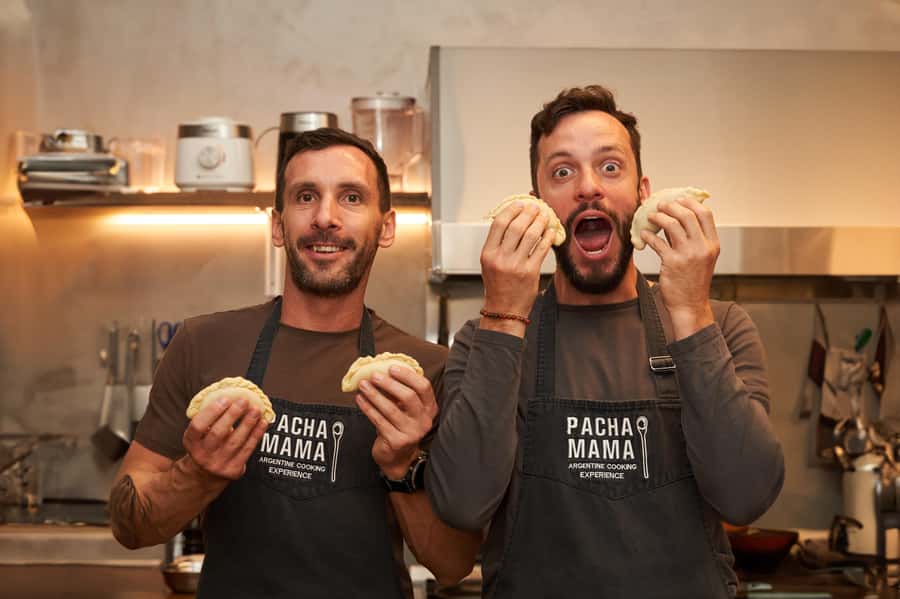
- You work with a professional English-speaking team: Franco and his staff keep the class organized, friendly, and easy to follow.
- Mendoza wine comes with the meal: Durigutti wines from Las Compuertas are paired with the food, along with vermouth, water, and homemade lemonade.
- The class is social by design: You prepare dishes together, then share everything around one table with people from different countries.
- Dietary changes are possible: The menu can be adapted for vegetarian, gluten-free, and lactose-free diets.
- You leave with useful extras: Recipes arrive as a PDF by QR code, and class photos plus local Buenos Aires recommendations are included.
A warm welcome with picada and vermouth
Pachamama begins in a cozy, home-style setting rather than a formal restaurant room. That matters because the class is built around conversation and shared food. You are not simply watching a chef work at a distance.
The first taste is a homemade picada with local bread, preserves, pickles, and a vermouth cocktail. In Argentina, picada is a relaxed way to start a meal, often shared while people talk and linger. Here it gives you something to eat right away while the team explains Argentine food traditions.
This opening course is more than a snack. It helps set the tone for the afternoon and gives you an early taste of the balance between homemade ingredients, sharp pickled flavors, and simple local staples. Water and homemade lemonade are also included.
The class uses this time to introduce the history and origin of the recipes. You may hear about mate, chimichurri, regional empanadas, and the customs tied to Argentine cooking. If you want a food experience that explains why people eat certain dishes, this opening section adds real value.
More cooking classes in Buenos Aires:
- Buenos Aires: Empanadas and Alfajores Guided Cooking Class
★ 4.8 · 486 reviews - Buenos Aires: Empanada & Alfajor Cooking Lesson in Palermo
★ 4.6 · 186 reviews - BA: Empanadas and Alfajores Cooking Experience in Palermo
★ 5.0 · 112 reviews
Cooking chipá with sauces from the region
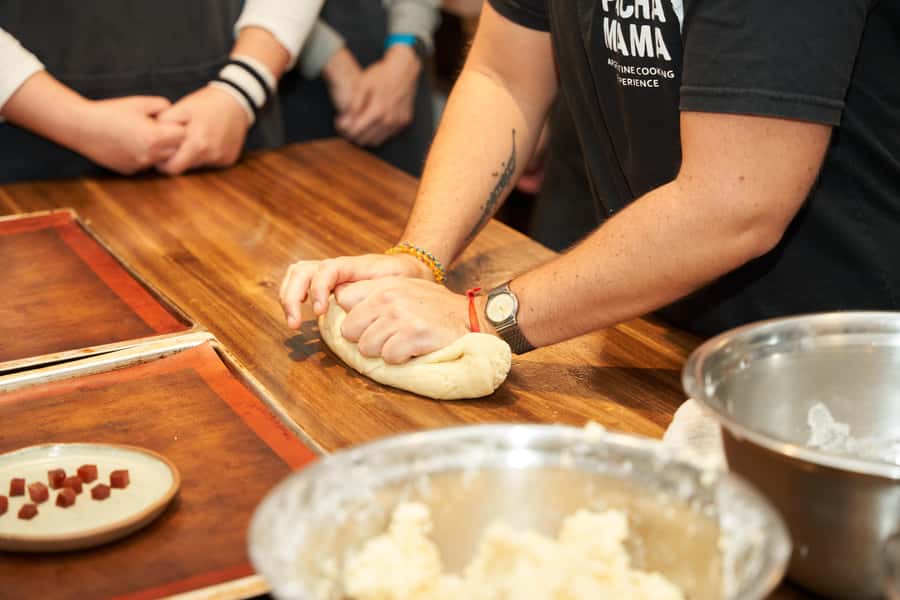
The first recipe in the cooking session is chipá with barbecue sauce and a fermented spicy sauce. Chipá is a small, chewy cheese bread associated with northern parts of Argentina and neighboring areas of South America.
It is a good choice for a class because the result is familiar enough to enjoy right away, but distinctive enough to introduce you to a less obvious part of Argentine food culture. You get to handle the preparation rather than simply receive a finished plate.
The sauces add contrast. The barbecue sauce brings a smoky, sweet note, while the fermented spicy sauce gives the snack more bite. If you are cautious with heat, ask about the spicy sauce before adding much. The menu is designed for sharing, so you can sample it at your own pace.
This part of the class also shows how Argentine cooking is not only about beef. Visitors often arrive expecting steak and empanadas alone. Pachamama gives you a broader look at regional foods, snacks, sauces, and home cooking.
Making beef empanadas and chimichurri
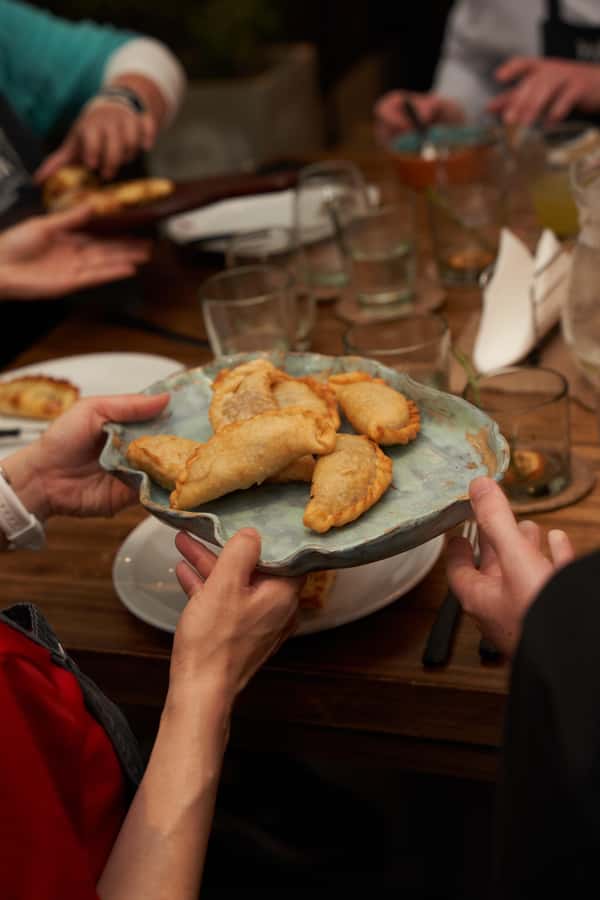
Empanadas are one of Argentina’s best-known foods, and making them yourself gives you a better sense of their place in daily life. At Pachamama, the filling is beef, served with chimichurri sauce.
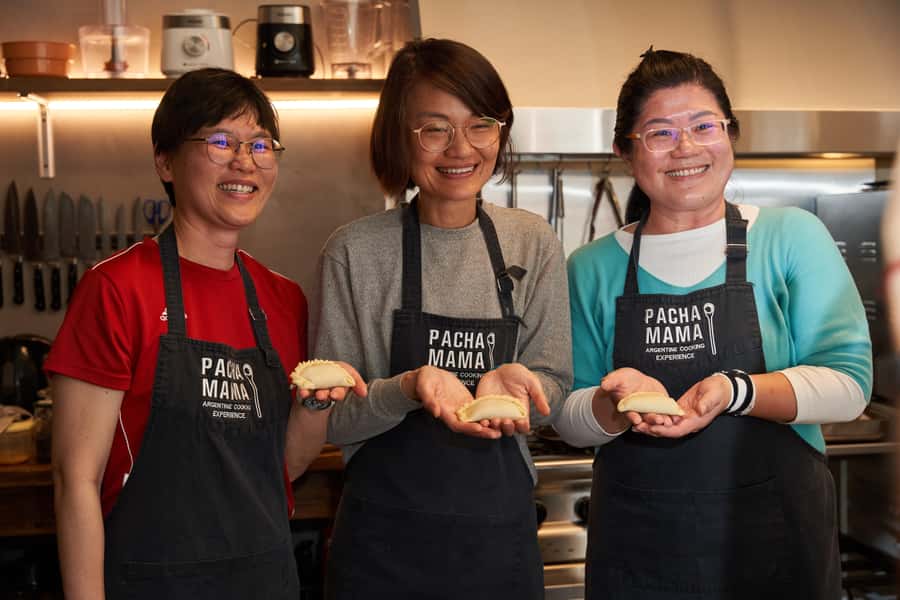
The preparation is hands-on, but it is important to set your expectations correctly. The class functions as a group effort, with participants taking turns helping prepare the dishes. You should not expect four separate private cooking stations or a chance to make every course alone from start to finish.
That shared method has a clear advantage: it keeps the atmosphere relaxed and social. You can watch how the team handles the food, ask questions, and chat while other parts of the menu come together. The trade-off is less individual practice.
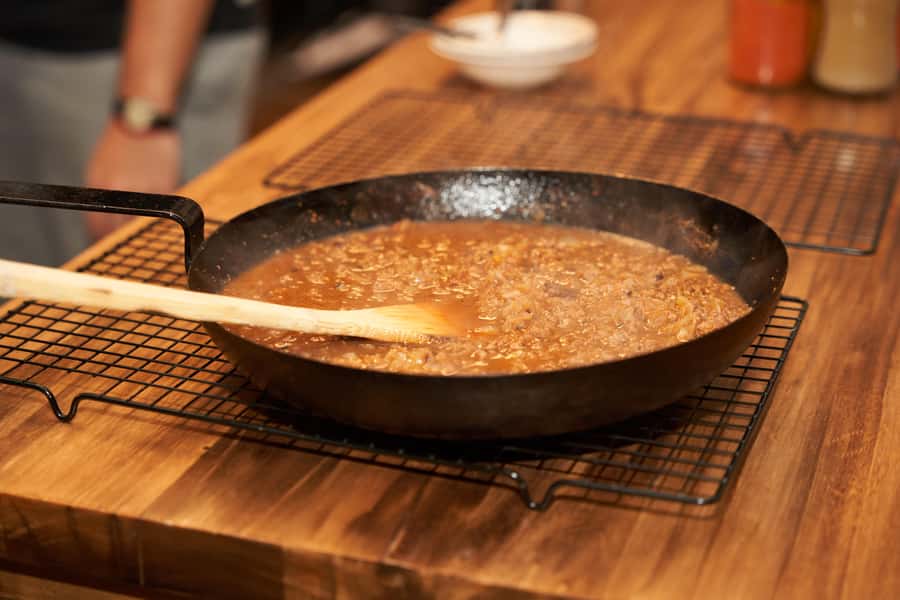
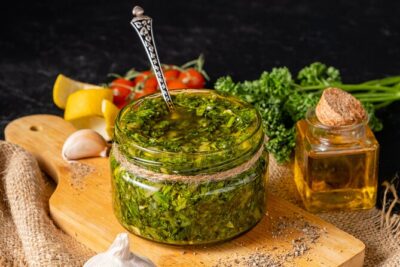
Chimichurri is one of the essential Argentine flavors to understand. The herb-based sauce is commonly linked with grilled meats, but it also works well with empanadas. Learning to prepare it gives you something practical to repeat at home, especially if you enjoy grilled food or simple sauces.
This is also where the class connects food with local identity in a direct way. You are not just folding pastry. You are learning one of the foods most closely tied to Argentine home kitchens, casual meals, and regional cooking.
Humita stew brings corn to the center
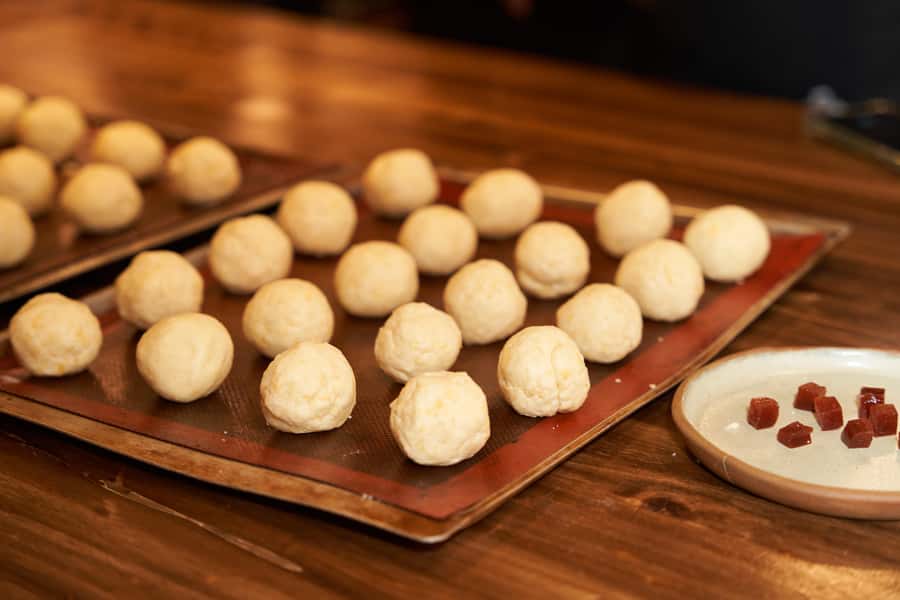
The main course is humita stew gratin. Humita is a corn-based dish with roots in Andean cooking, and it is especially associated with northern Argentine food traditions.
Its presence gives the menu a useful change of pace. After the bread and meat-based empanadas, the meal turns toward corn, vegetables, and a softer baked texture. That makes the menu feel like a progression rather than four unrelated recipes.
The word stew can suggest something heavy, but the overall meal includes several small stages, so portions are best understood as part of a tasting menu. You will have food to enjoy throughout the class, then sit down for the shared meal at the end.
This course is also important if you want to see beyond Buenos Aires restaurant staples. The class takes place in Buenos Aires, but it presents food from across Argentina. Humita helps show how regional dishes travel into national cooking culture.
A completely different sort of day in Buenos Aires:
- Buenos Aires Hop-On Hop-Off Bus, Free Walking Tours & Discounts
★ 4.5 · 2,218 reviews - Buenos Aires: Piazzolla Tango Show with Optional Dinner
★ 4.4 · 2,122 reviews - Buenos Aires: City Highlights Guided Tour with Transfer
★ 4.7 · 1,946 reviews - Buenos Aires: Hop-On Hop-Off City Bus Tour
★ 4.2 · 1,855 reviews
Flamed dulce de leche crepes for dessert
The final recipe is flamed dulce de leche crepes with ice cream and homemade limoncello. Dulce de leche is one of Argentina’s most famous sweet flavors, and this dessert gives it a theatrical finish.
The crepes bring a soft, familiar base, while the dulce de leche supplies the deep caramel taste that many people associate with Argentine desserts. Ice cream balances the sweetness, and the homemade limoncello adds a bright citrus note.
The flaming step is likely to be the most showy moment of the class, but it still fits the cooking format because you learn how the dessert is prepared before eating it. As with the other dishes, the work is shared among the group.
A homemade limoncello pairing is a nice touch because the drink is not limited to wine. It gives the final course its own character and makes the closing meal feel like a proper Argentine table gathering rather than a quick class ending.
Sitting down with Durigutti wines
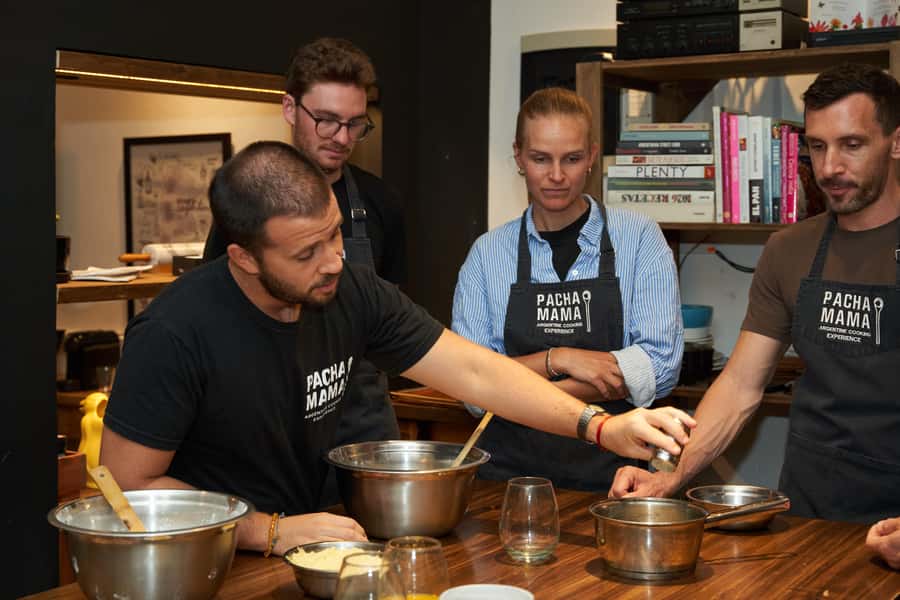
After the cooking, everyone shares the completed menu around the table. The included wine pairing comes from Durigutti in Las Compuertas, Mendoza, one of Argentina’s key wine areas.
Wine is served with the meal, along with vermouth, water, and homemade lemonade. The drinks add noticeable value to the $75 price, especially since the class also includes a welcome cocktail and several food courses.
The shared table is central to the experience. You get a chance to compare notes about the dishes, talk with other people, and ask the cooking team follow-up questions. The format suits solo visitors and couples who want an easy social afternoon.
I would not choose this class if you want a quiet, private restaurant meal. The point is to cook, talk, and eat together. The capacity is limited to 10 participants for the small-group version, although the space can accommodate up to 14 people for some arrangements. That difference is worth checking when you book.
What the guides add to the afternoon
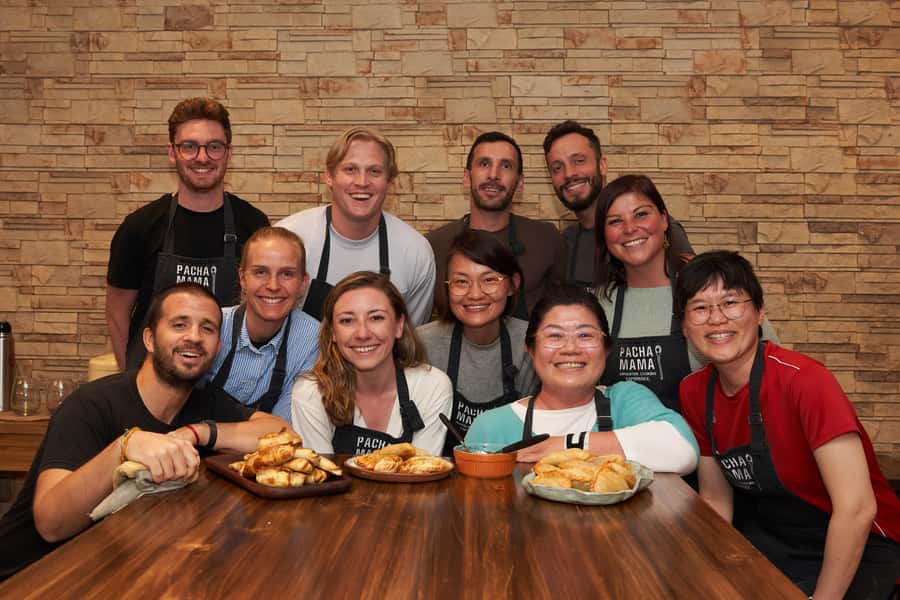
The cooking team is led by Franco and his staff. Their strengths are organization, enthusiasm, and a friendly approach. The class follows a clear plan, so you are not left wondering what happens next or waiting too long between dishes.
The cooking instruction is in English, which makes the experience accessible to English-speaking visitors. Private groups can arrange the class in Spanish. If language matters for your group, confirm the format before booking.
The team also shares city suggestions. These Buenos Aires recommendations can be useful after the class, especially because they come in the context of food and local customs. You also receive class photos, which are a pleasant reminder of the afternoon, plus recipes in PDF format through a QR code.
Those take-home materials improve the value. You can try the empanadas, chimichurri, or dulce de leche crepes again instead of letting the experience end when you leave the table.
How much value do you get for $75?
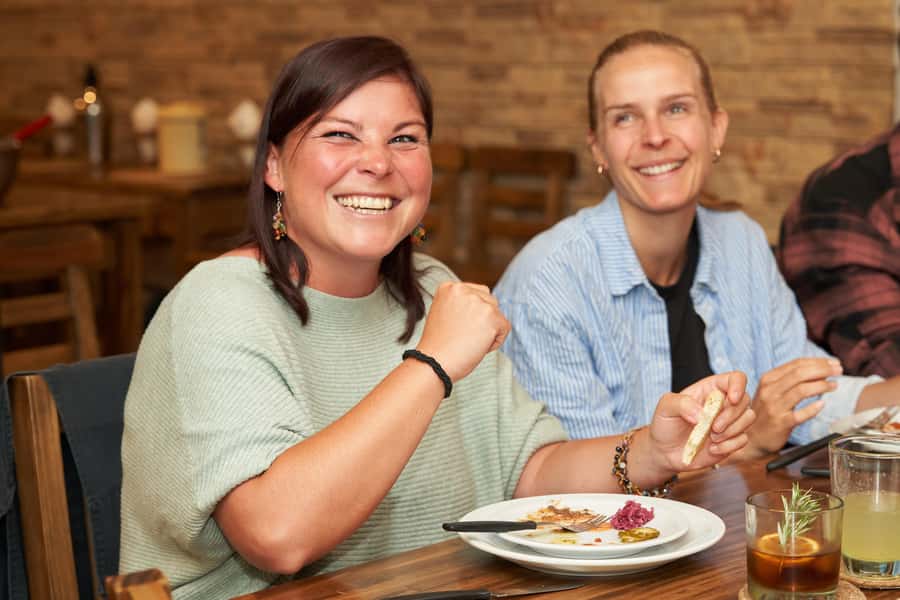
The listed price is $75 per person. That covers a three-hour cooking experience, a five-step menu, a vermouth cocktail, wine, nonalcoholic drinks, instruction, recipes, photos, and local recommendations.
The description also refers to the experience as lasting three and a half hours, while the booking details list three hours. Private groups can adapt the session to two and a half hours. I would allow at least three hours in your schedule and confirm the exact timing for your chosen date.
Compared with paying for a separate meal, wine, and food lesson, the package offers solid value. You are getting more than dinner because the preparation and cultural explanation are part of the afternoon.
The value is strongest for people who enjoy participation. If you only want to eat Argentine food, a restaurant will be simpler and may cost less. If you want instruction, conversation, several courses, wine, and recipes to use later, the price makes more sense.
Hotel pickup and drop-off are not included. You will need to arrange your own way to the venue, so factor that into your budget and timing.
Dietary needs, accessibility, and group size
The menu can be adapted for vegetarian, gluten-free, and lactose-free diets. You should state your needs when booking rather than waiting until the class begins. One participant specifically found the vegetarian option straightforward, which suggests the team is used to making adjustments.
The experience is wheelchair accessible. The small-group format is limited to 10 participants, though the stated maximum capacity is 14. That makes this a better fit than a large demonstration class for people who want to ask questions and take part.
Still, accessibility and food adaptations can depend on the exact setup for your date. Confirm the details in advance, particularly if you need a strict gluten-free or lactose-free preparation.
Who will enjoy Pachamama most?
I would recommend this experience to food-focused visitors who want more than a list of restaurant reservations. You get context, practical cooking, and a full meal in one sitting.
It suits couples, solo visitors, and small groups who like meeting people over food. The class is also a good choice for anyone visiting Buenos Aires for a short stay, since it covers several recognizable Argentine dishes without requiring a full day.
Families and mixed-age groups may enjoy it too, provided everyone is comfortable with shared preparation and a three-hour schedule. The cooking is not presented as a private lesson, so children or beginners should be ready to take turns and follow the group pace.
I would be more cautious if you need extensive one-to-one instruction. The main weakness is clear: you do not individually cook every recipe from start to finish. You help as part of a team, which is fun but less technical than a formal chef-training class.
Practical tips for getting the most from the class
Arrive ready to participate. The best part of Pachamama is not simply eating the empanadas or crepes. It is learning how the dishes come together and asking why they matter in Argentine cooking.
Tell the team about dietary needs ahead of time. Vegetarian, gluten-free, and lactose-free versions can be arranged, but advance notice gives the kitchen a better chance to prepare well.
Keep room in your schedule for the full meal. The food begins with picada and continues through several courses, so this is not a quick cooking demonstration.
Pay attention to the sauces and seasonings. Chimichurri, the barbecue sauce, and fermented spicy sauce show how small additions can change a simple dish. The recipes make it possible to repeat those flavors at home.
Finally, plan your return independently. There is no hotel pickup or drop-off, and the exact start time should be checked when you reserve.
Should you book Pachamama?
Book it if you want a friendly introduction to Argentine culture through cooking, eating, and conversation. The strongest points are the well-organized team, the warm setting, the broad menu, and the generous combination of wine, food, recipes, photos, and city tips.
The class is especially good for first-time visitors who want to understand foods such as empanadas, chipá, humita, chimichurri, and dulce de leche in one afternoon. It is also a sensible choice for people who prefer small groups over large demonstrations.
Skip it if you want a private cooking station, advanced technique training, or a quiet meal without group participation. For most food-loving visitors, though, $75 is a reasonable price for three hours of cooking, culture, and a shared Argentine feast.
FAQ
How long does the Pachamama cooking experience last?
The booking information lists the experience as three hours. The detailed description refers to three and a half hours, while private groups can adapt the session to two and a half hours. Confirm the exact duration when checking your selected time.
What food will I prepare?
The menu includes chipá with barbecue and fermented spicy sauces, beef empanadas with chimichurri, humita stew gratin, and flamed dulce de leche crepes with ice cream and homemade limoncello. A welcome picada is also served.
Are drinks included?
Yes. The experience includes Durigutti wines from Las Compuertas in Mendoza, a vermouth cocktail, vermouth, water, and homemade lemonade.
Can the menu accommodate dietary restrictions?
Yes. The experience can be adapted for vegetarian, gluten-free, and lactose-free diets. Give your dietary information when booking.
Is the cooking class taught in English?
Yes. The standard experience is given in English. Private groups can arrange the class in Spanish.
Is hotel transportation included?
No. Hotel pickup and drop-off are not included, so you need to arrange your own transportation to and from the experience.
Latest additions in Buenos Aires
- Buenos Aires: 7 Hour Small Group “BA 101” Walk★ 5.0 · 3 reviews
- Unique Tigre and Delta Private Day Cruise Navegation★ 5.0 · 3 reviews
- Buenos Aires: Customizable City Tour in Polish★ 4.7 · 3 reviews
- Buenos Aires After Dark: A City Lights & Sunset Experience★ 5.0 · 3 reviews
- Tango Show at El Querandi with optional Dinner★ 4.2 · 3 reviews
- Velez Sarsfield Football Match★ 5.0 · 3 reviews
- Caminito, La Boca: vibrant neighborhood★ 5.0 · 3 reviews
- Café de los Angelitos – Traditional Night in Buenos Aires★ 4.8 · 3 reviews
Cooking Classes, compared.
3h Cooking Class in Mendoza with 7 Recipes & Bottomless Drinks
Read our review →
BA: Empanadas and Alfajores Cooking Experience in Palermo
Read our review →
Argentinian Empanadas Cooking Experience in Palermo, Bs As
Read our review →
Private Argentine Cooking Class and Tango Lesson in Buenos Aires
Read our review →
Premium Empanadas Cooking Class & Wine Tasting Experience
Read our review →Browse the lists this tour appears in