
Reviewed · WINE TOURS
Premium Empanadas Cooking Class & Wine Tasting Experience
Good food can explain a country. This two-hour Palermo class combines hands-on empanada making with a guided tasting of Argentine Malbec, Cabernet Sauvignon, and Cabernet Franc. I like the easy, social format, and I like that you learn a dish you can order all over Argentina. The main drawback is price: at $49 per person, it costs more than simply eating empanadas and drinking wine at a local restaurant.
The class also earns praise for its hosts. Catalina, Valentin, Lourdes, Fernando, Thomas, and Tomás have each been singled out for clear instruction, friendly conversation, and useful city advice. Small groups make a difference, but the exact size can vary, so your experience may feel either intimate or more social.
In This Review
- Key points to know before booking
- Starting in Palermo with food on the agenda
- The first lesson: why empanadas matter
- Rolling, filling, and folding your own lunch
- Three Argentine wines, three different personalities
- Guides who add more than instructions
- A good use of a spare afternoon
- Is $49 a fair price?
- Who will enjoy this class most?
- Practical details that affect your choice
- Should you book the empanadas and wine class?
- FAQ
- How long does the experience last?
- How much does the class cost?
- Where does the class meet?
- What languages are available?
- Is wine tasting included?
- Are the empanada ingredients included?
- Is hotel pickup included?
- Can children join the experience?
- Can I cancel for a refund?
Key points to know before booking
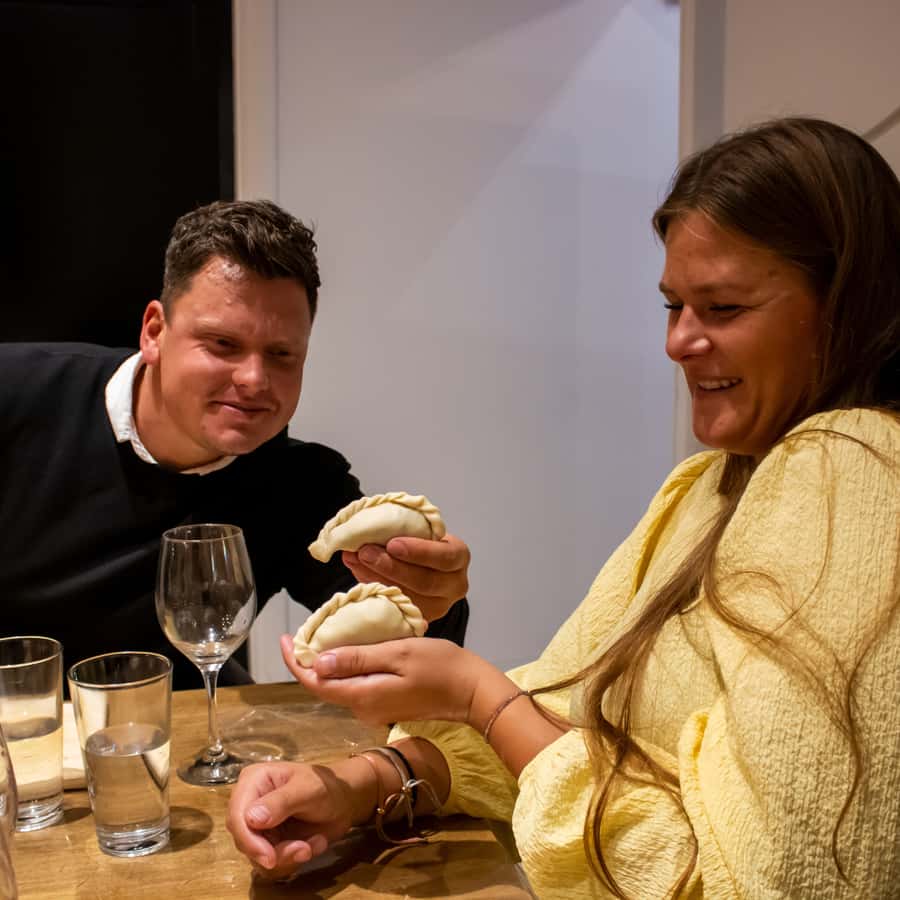
- Make the empanadas yourself: You follow an authentic recipe, prepare the filling, shape the pastries, and eat the results.
- Taste three major Argentine grapes: The class covers Malbec, Cabernet Sauvignon, and Cabernet Franc, with guidance on flavor and winemaking.
- Meet in Palermo: The class takes place at Gorriti 4882 or 4886, depending on the meeting-point information provided, so confirm the exact number before setting out.
- Plan for a relaxed two hours: The cooking and tasting are timed together, giving you food, wine, instruction, and conversation rather than a rushed demonstration.
- Adults only: No one under 18 may join, making this a better fit for adult couples, friends, and solo visitors.
- Good for a short Buenos Aires stay: One class can fill an afternoon or evening while giving you a useful introduction to Argentine food and wine.
Starting in Palermo with food on the agenda
The meeting point is on Gorriti in Palermo, one of Buenos Aires’ most popular areas for eating and nightlife. You are asked to arrive five minutes before the start. The supplied information lists both Gorriti 4882 and Gorriti 4886, so I would check your booking confirmation carefully before walking over.
There is no hotel pickup or drop-off. That keeps the price lower than a fully escorted city outing, but you need to make your own way there. The activity runs in rain or sunshine, so poor weather does not cancel the cooking session.
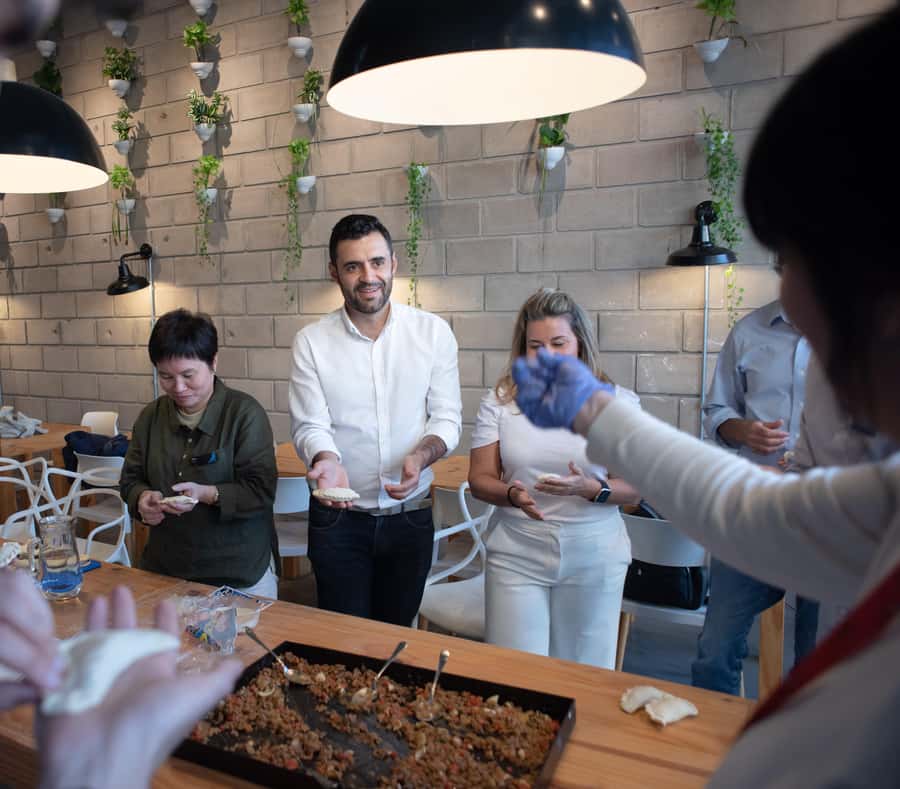
The venue itself has received favorable attention for being clean, spacious, bright, and easy to reach. That matters more than it might sound. Cooking shoulder to shoulder in a cramped room can take the fun out of the experience. A light, open setting gives you room to work and makes conversation easier.
More Food Tours in Buenos Aires
- Buenos Aires: 9-Course Argentine Meat Tasting at Fogón Asado
★ 4.9 · 826 reviews - Buenos Aires: Local Foodie Adventure with Sherpa Food Tours
★ 4.9 · 670 reviews - Buenos Aires: Wine Tasting and Lunch at Bodega Gamboa
★ 4.8 · 177 reviews
The first lesson: why empanadas matter
Empanadas are one of Argentina’s great everyday foods. You find them at bakeries, casual restaurants, family tables, and gatherings. They work as a snack, appetizer, breakfast, lunch, or dinner, which explains why they are such a useful food to learn.
The class gives you more than a plate placed in front of you. You take part in the process, following a typical Argentine recipe with the provided ingredients. The guide explains the background of empanadas and helps you through the stages of preparation.
That practical approach suits you if you like to understand food by making it. You may not leave with a perfect pastry on your first attempt, and that is part of the charm. One participant noted that the finished empanadas did not look especially polished, but tasted delicious. The lesson is clear: shape matters less than a well-seasoned filling and a properly cooked crust.
You should also expect some variation in the recipe. One person found the onions too dominant and felt the empanadas tasted more like onion pastries than the versions commonly found around Buenos Aires. That criticism is worth keeping in mind. The recipe is presented as traditional, but Argentine empanadas vary by region, household, and filling. If you prefer less onion, ask your guide about the ingredients before you begin.
Rolling, filling, and folding your own lunch
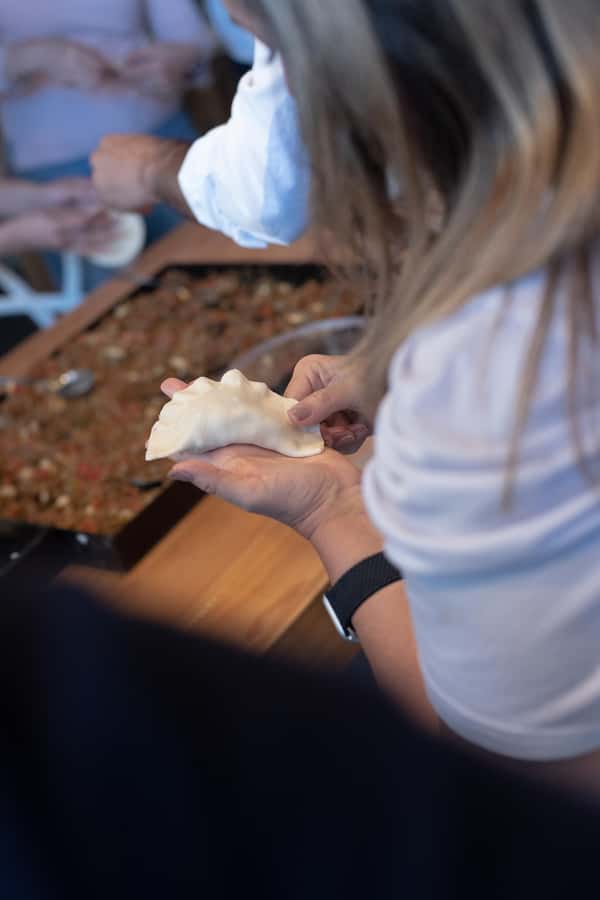
The most rewarding part is the hands-on work. Rather than watching a chef do everything, you prepare your own empanadas with guidance from the instructor. The exact filling details are not specified, but the experience includes the ingredients and instruction needed to complete the recipe.
Your guide takes you through the process in stages. This format works well because the wine tasting can happen between cooking tasks. You are not trying to chop, fold, listen, and taste all at once. The timing gives the class a natural rhythm.
The folding stage may be the trickiest part. Argentine empanadas often have a decorative sealed edge, and beginners may produce shapes that look a little uneven. That is fine. The important gain is learning how the pastry comes together and getting a better sense of what you are ordering later in your trip.
I especially like the social side of this setup. A small group of around seven people was described as large enough for conversation but small enough for personal help. Another class had only one couple, creating a much more private feel. Group size can change from one session to another, but the format is built around participation rather than a large demonstration.
Three Argentine wines, three different personalities
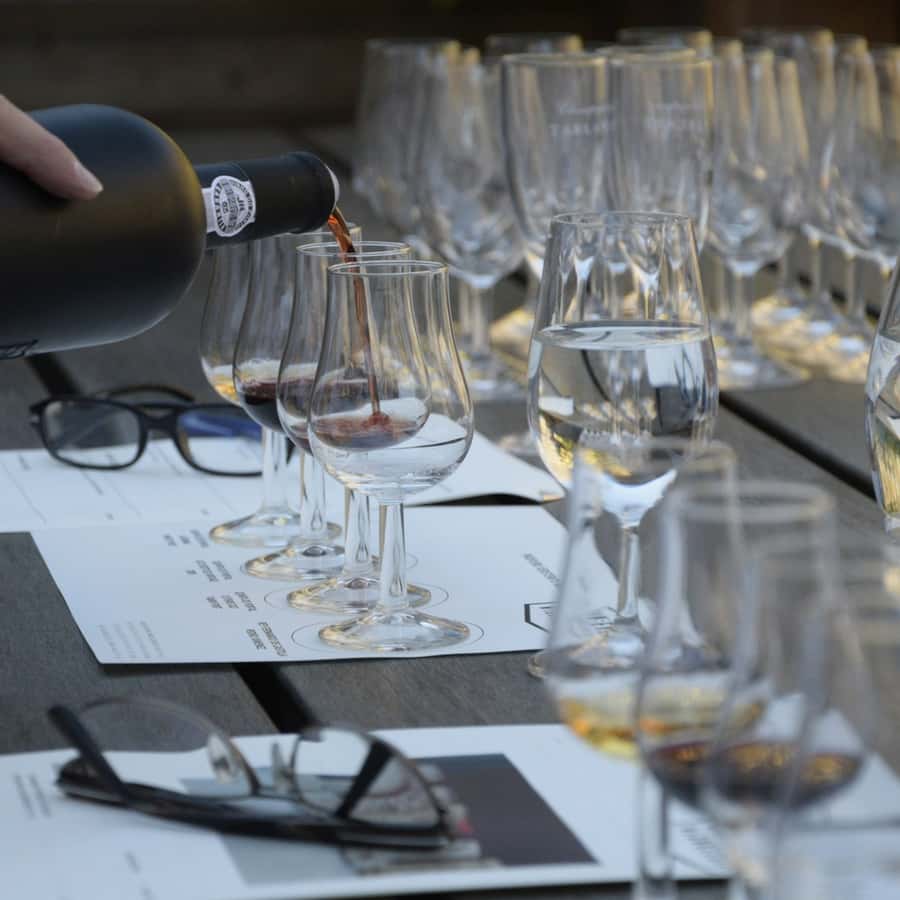
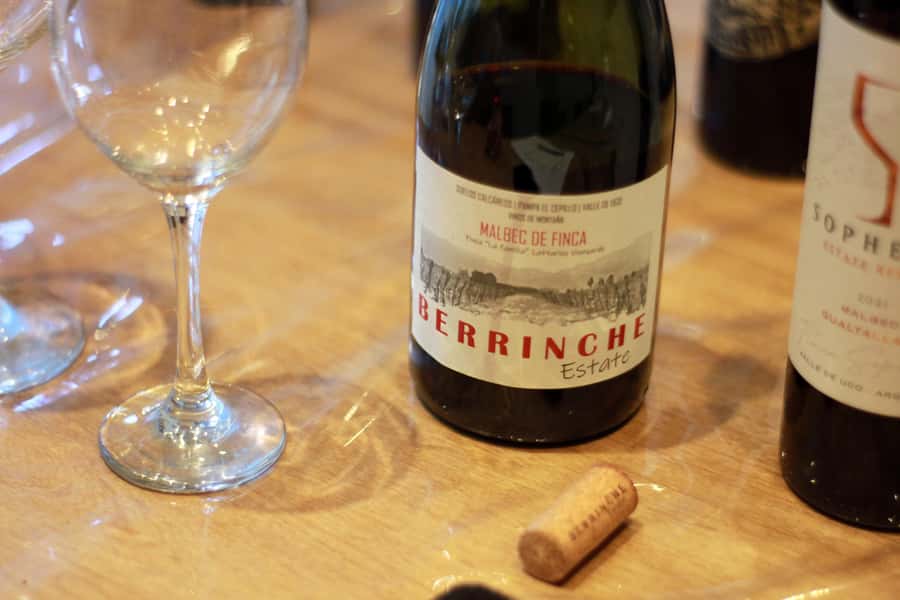
The wine portion focuses on Malbec, Cabernet Sauvignon, and Cabernet Franc. These are not random pours. Together, they give you a useful comparison between three important red-wine styles found in Argentina.
Malbec is the name most visitors connect with Argentine wine. Cabernet Sauvignon gives you a firmer, more structured style, while Cabernet Franc can show a different balance of fruit, freshness, and herbal notes. The guide explains the characteristics of the grapes, the way wine is made in Argentina, and how each variety gets its own flavor.
You are not simply handed three glasses and left to guess. The tasting is guided, with attention to the grapes, production methods, and differences between the wines. That makes the experience more useful for anyone who plans to visit wineries or buy Argentine bottles later.
The class is also a good choice if wine is part of your reason for visiting Argentina but you do not have time for a trip outside Buenos Aires. You get a compact introduction without spending a full day arranging transport to a wine region.
The tasting is described as premium, but the available information does not name specific wineries, vintages, or bottle prices. If you are a serious wine collector, that may feel limited. If you simply want to understand the main grapes and taste them alongside local food, the selection should be enough.
More Wine Tours in Buenos Aires
- Premium Argentinian Wines and Malbec Tasting Experience
★ 4.6 · 60 reviews - Buenos Aires: Palacio Barolo Guided Night Tour with Wine
★ 4.4 · 54 reviews - Discover Argentine Wines Paired with Delicious Tapas
★ 5.0 · 51 reviews - Sailing with Wine Tasting in Buenos Aires
★ 5.0 · 50 reviews
Guides who add more than instructions
The guide can make or break a cooking class. Here, the named hosts have been praised for making the experience relaxed and personal.
Catalina is described as warm and informative, with a talent for keeping the evening comfortable. Valentin received praise for walking people through the recipe, explaining the wines, and offering suggestions for the city. Lourdes added historical context about food, wine, and Argentine culture. Fernando was praised as both a good teacher and a welcoming host.
Thomas brought enthusiasm to the class and was particularly praised for his chimichurri. That sauce became one of the strongest food memories for one participant, which tells you that the experience is not limited to pastry and wine. Tomás was also praised for clear explanations and flexibility.
The guides may offer recommendations for restaurants, lunch, wine, and other things to do in Buenos Aires. Those suggestions can be useful early in your stay, when you are still deciding where to eat. If this class is one of your final activities, you can still ask for ideas, but you will have less time to use them.
The language choices are practical: Spanish, English, and Portuguese are available. You should select the language that lets you follow cooking instructions easily, since the class depends on timing and hands-on work.
A good use of a spare afternoon
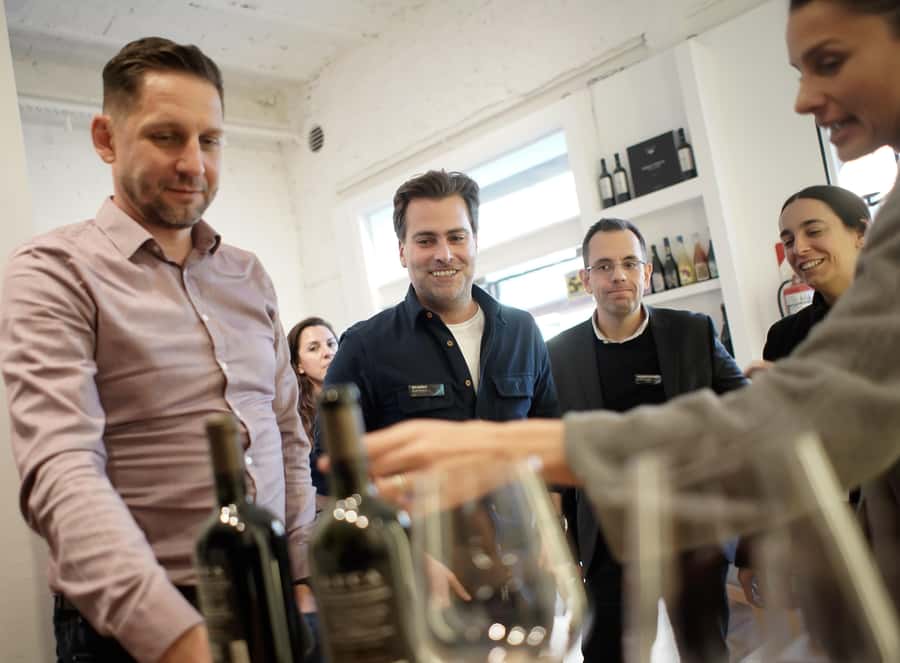
The two-hour length is one of the class’s strongest practical features. It is long enough to cook, taste several wines, and talk without taking over your day.
You could book it as a relaxed afternoon activity before dinner, or use it to fill time before an evening flight. One person specifically used the class while waiting for a flight and found it a good way to make the final hours in Buenos Aires useful.
Another smart option is to schedule it near the beginning of your visit. You learn about empanadas, Argentine wine, chimichurri, and local dining from people who can also suggest places around the city. You may get more value from those recommendations when several days of your trip remain.
The class can work near the end of a trip as well. It gives you a final taste of local food and a pleasant way to spend a last afternoon. In that case, ask ahead about luggage. One host allowed luggage to be left for a short time, but this should not be treated as a guaranteed storage service.
Is $49 a fair price?
At $49 per person, this is not the cheapest way to eat empanadas in Buenos Aires. You can find casual food for much less. The price is easier to justify if you value the instruction, the wine education, the ingredients, and the small-group setting.
You are paying for an activity as well as a meal. The class gives you a recipe, a cultural explanation, several wines, a hosted conversation, and food that you helped prepare. For a visitor who wants more than sightseeing, that package can be good value.
The price may feel high if your main goal is simply to taste empanadas. It may also disappoint if you expect a formal wine seminar with rare bottles or detailed winery information. This is a friendly food-and-drink experience, not an advanced culinary course or professional tasting certification.
The strong rating of 4.9 from 35 reviews supports the idea that most people find the experience worthwhile. Still, the onion complaint is useful. Recipes are personal, and traditional does not always mean universally appealing. I would book this for the activity and atmosphere, not because you expect a restaurant-quality meal customized to your taste.
Who will enjoy this class most?
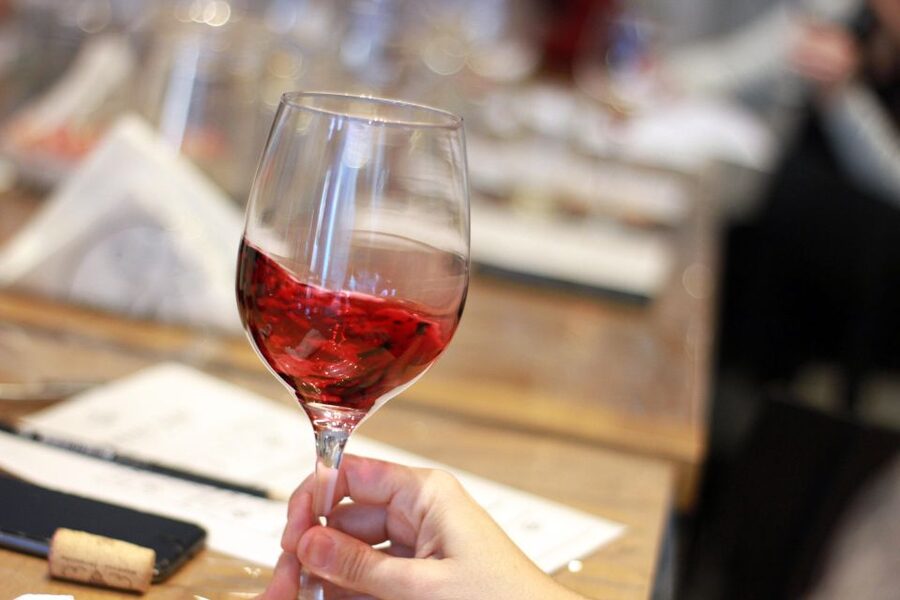
This experience suits adults who enjoy food, wine, and conversation. Couples can expect a pleasant shared activity, while solo visitors have an easy way to meet a few people without committing to a full-day group tour.
It also works well for first-time visitors to Buenos Aires. The class introduces familiar Argentine subjects in a compact setting, and the guides may help you get your bearings with recommendations for the rest of your stay.
You will probably enjoy it if you:
- Like learning by doing rather than watching
- Want to taste Argentine wine without leaving Buenos Aires
- Have a free two-hour window in Palermo
- Enjoy small-group conversation
- Need an activity before a flight or dinner
- Want a simple food experience suitable for adults
You may want to skip it if you dislike onions, do not drink alcohol, or prefer to spend your money on a full meal. The provided information does not describe a nonalcoholic tasting option, so ask before booking if that matters to you.
Practical details that affect your choice
The experience lasts two hours, though one account described a session lasting about two and a half hours. Allow a little extra time if your schedule is tight, especially if you have a flight or dinner reservation afterward.
Arrive five minutes early. Since the meeting-point number is listed as both 4882 and 4886, verify the exact address before you go. The class takes place indoors and continues in bad weather.
Hotel transportation is not included. The guide speaks Spanish, English, or Portuguese, and the activity is not suitable for children under 18.
You can cancel up to 24 hours before the start for a full refund. The reserve-now, pay-later option also lets you hold a place without paying immediately, which is useful when your Buenos Aires plans are still shifting.
Should you book the empanadas and wine class?
I would book it if you want a friendly, hands-on introduction to Argentine food and wine in Palermo. The best parts are the clear instruction, the chance to make your own meal, the comparison of three grape varieties, and the personal advice offered by hosts such as Catalina, Valentin, Lourdes, Fernando, Thomas, and Tomás.
I would pause if $49 feels high for a casual meal or if you want a serious wine course. The possible onion-heavy filling is another reason to ask questions if you are selective about ingredients.
For most adults with two spare hours, this is a practical and enjoyable choice. You leave with more than a full stomach. You gain a recipe, a better sense of Argentine wine, and a food memory tied to your time in Buenos Aires.
FAQ
How long does the experience last?
The advertised duration is two hours. One account described a session lasting about two and a half hours, so allow a little flexibility if you have plans afterward.
How much does the class cost?
The price is $49 per person.
Where does the class meet?
The meeting point is on Gorriti in Palermo. The information gives both Gorriti 4882 and Gorriti 4886, so confirm the exact address before attending.
What languages are available?
The live guide can conduct the experience in Spanish, English, or Portuguese.
Is wine tasting included?
Yes. Wine tasting is included, with Argentine Malbec, Cabernet Sauvignon, and Cabernet Franc.
Are the empanada ingredients included?
Yes. The ingredients needed for the empanadas are included, along with the cooking class and professional guide.
Is hotel pickup included?
No. Hotel pickup and drop-off are not included, so you must arrange your own transportation to and from Palermo.
Can children join the experience?
No. The activity is not suitable for children under 18.
Can I cancel for a refund?
Yes. You can cancel up to 24 hours in advance for a full refund. You can also reserve now and pay later.
More Cooking Classes in Buenos Aires
- Buenos Aires: Empanadas and Alfajores Guided Cooking Class
★ 4.8 · 486 reviews - Buenos Aires: Empanada & Alfajor Cooking Lesson in Palermo
★ 4.6 · 186 reviews - BA: Empanadas and Alfajores Cooking Experience in Palermo
★ 5.0 · 112 reviews - Argentinian Empanadas Cooking Experience in Palermo, Bs As
★ 4.8 · 50 reviews
Latest additions in Buenos Aires
- Buenos Aires: 7 Hour Small Group “BA 101” Walk★ 5.0 · 3 reviews
- Unique Tigre and Delta Private Day Cruise Navegation★ 5.0 · 3 reviews
- Buenos Aires: Customizable City Tour in Polish★ 4.7 · 3 reviews
- Buenos Aires After Dark: A City Lights & Sunset Experience★ 5.0 · 3 reviews
- Tango Show at El Querandi with optional Dinner★ 4.2 · 3 reviews
- Velez Sarsfield Football Match★ 5.0 · 3 reviews
- Caminito, La Boca: vibrant neighborhood★ 5.0 · 3 reviews
- Café de los Angelitos – Traditional Night in Buenos Aires★ 4.8 · 3 reviews
Wine Tours, compared.


Full-Day Tour Cafayate Calchaqui Valleys with Wine
Read our review →
Browse the lists this tour appears in