
Reviewed · COOKING CLASSES
Buenos Aires: Empanadas and Alfajores Guided Cooking Class
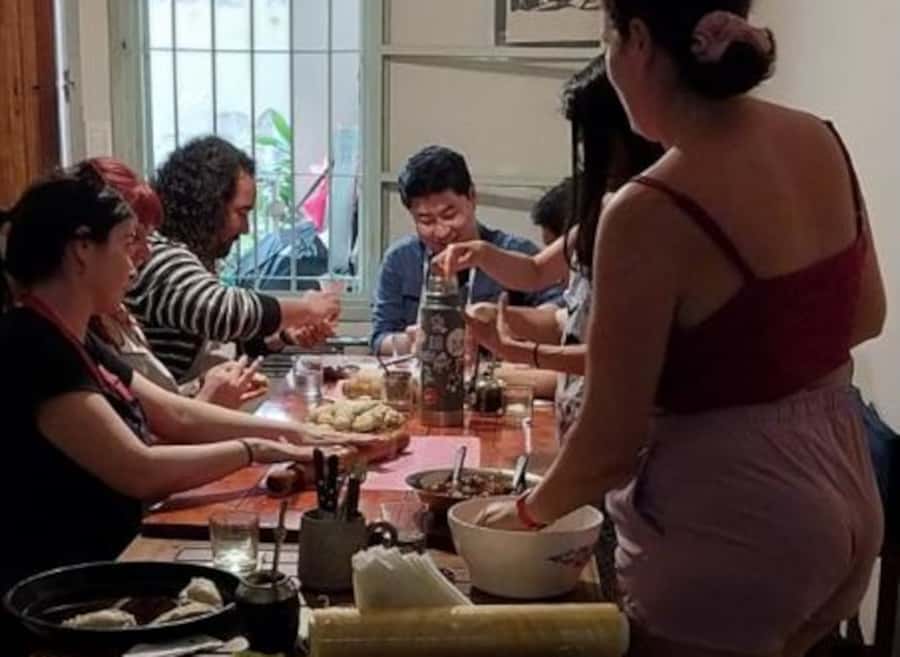
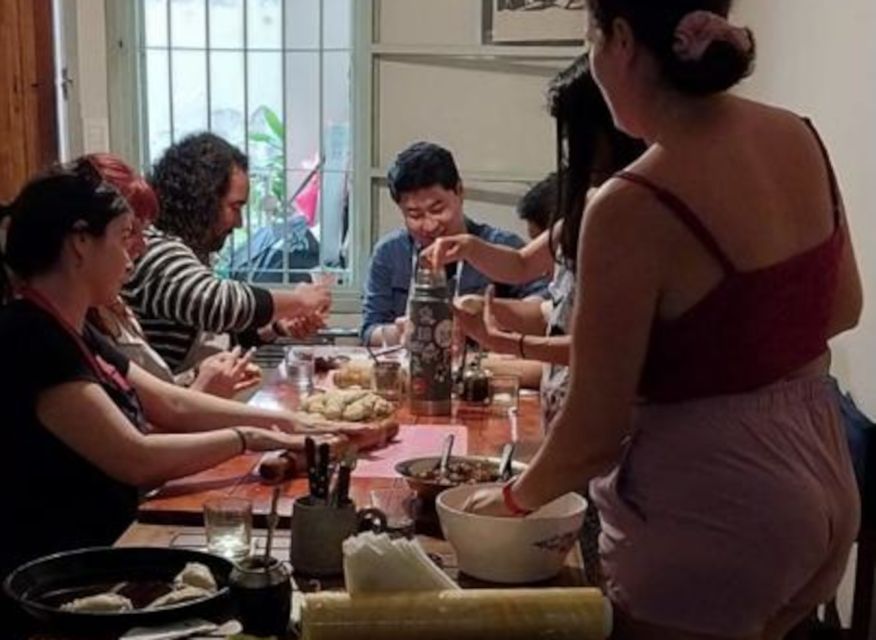
Dinner begins with dough. This three-hour class brings you into an Argentine home in San Telmo, where you make empanadas, alfajores, and mate with a local host rather than simply watching a demonstration. I like the small groups, limited to eight people, and the warm family setting that makes the evening feel social as well as practical. I also like that you eat what you prepare, with enough food to make this both a lesson and a proper meal.
The main consideration is that the empanada filling may be repeated rather than varied, and some participants found the instructions less clear when they were not experienced cooks. Recipe follow-up also needs attention: some people received the recipes easily, while others had to ask for them afterward.
In This Review
- What makes this class worth three hours
- Arriving at a San Telmo household
- Meeting the hosts and settling into the group
- Making the empanada dough and fillings
- Preparing and sharing mate
- Shaping cornstarch alfajores
- Eating together after the cooking
- What you learn about Argentina beyond the recipes
- Price, group size, and practical value
- Recipes and what to confirm before leaving
- Who should book this Buenos Aires cooking class?
- Should you book it?
- FAQ
- Where does the cooking class meet?
- How long does the experience last?
- How much does the class cost?
- What food do you make?
- Is mate included?
- Is a meal included?
- Is wine included?
- What languages are available?
- How many people can join?
- Is the class wheelchair accessible?
- Can I cancel the booking?
What makes this class worth three hours
- Cook in a real San Telmo home: The class takes place at Paseo Colon 1355, in a household setting rather than a formal cooking school.
- Learn the repulgue: You practice the twisted or folded edge used to seal Argentine empanadas.
- Make both savory and sweet dishes: Empanadas provide the main meal, while cornstarch alfajores with dulce de leche finish the evening.
- Try mate the traditional way: The class explains how to prepare and share Argentina’s famous herbal drink.
- Keep the group intimate: With no more than eight participants, it is easier to work with the ingredients and talk with the hosts.
- Useful for mixed ages and skills: Families, teenagers, beginners, and experienced home cooks can all take part.
Arriving at a San Telmo household
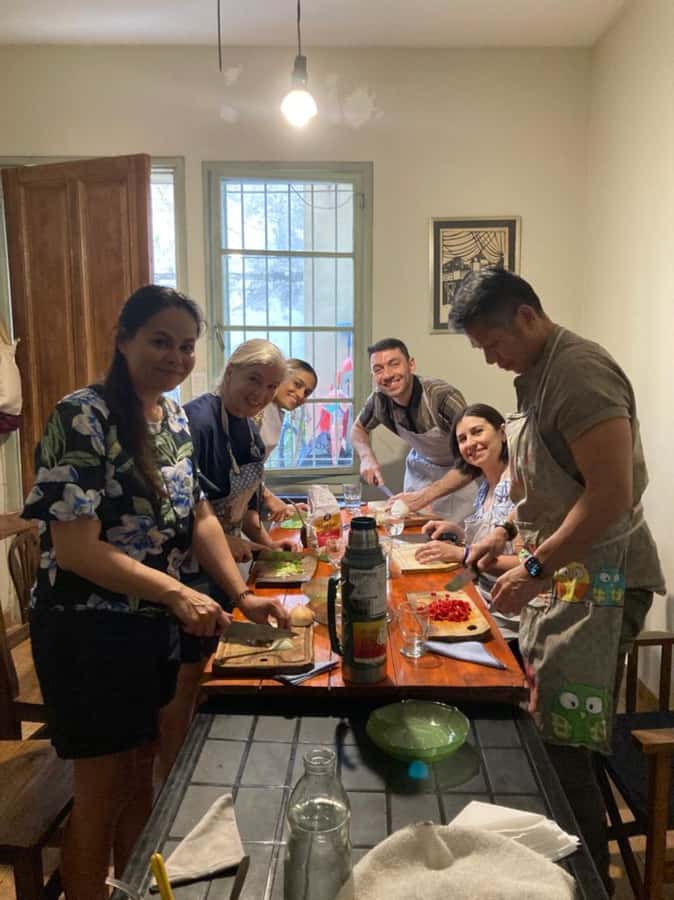
You meet at Paseo Colon 1355 in San Telmo at the scheduled starting time and ring the bell. That detail matters. This is not a class inside a large restaurant or a public market, so you should arrive at the exact address and allow enough time to locate the entrance.
The setting is part of the experience. Several people appreciated entering a lived-in home, including one participant who described it as a more than 100-year-old house. The small, cozy rooms help create the feeling of cooking with a family, though they also mean that sightlines can be limited.
If you sit at the end of the table, you might not see every demonstration clearly. One useful improvement would be for the instructor to bring each step closer to both ends of the table before returning to the center. You can also help yourself by asking to see the folding technique again before you begin.
That personal setting is the heart of the class. You are not only learning a recipe. You are seeing how food can bring strangers together around one table, with conversation about Buenos Aires, Argentina, and everyday customs.
More cooking classes in Buenos Aires:
- Buenos Aires: Empanada & Alfajor Cooking Lesson in Palermo
★ 4.6 · 186 reviews - BA: Empanadas and Alfajores Cooking Experience in Palermo
★ 5.0 · 112 reviews - Argentinian Empanadas Cooking Experience in Palermo, Bs As
★ 4.8 · 50 reviews
Meeting the hosts and settling into the group
The instructors speak English and Portuguese. Thomas, Sophia, Maria, and Stella are names associated with different sessions, so your host may vary. The teaching style is consistently described as friendly, patient, and relaxed rather than stiff or school-like.
Thomas is praised for mixing clear cooking guidance with humor. Sophia is described as especially good at explaining both the food and Argentine traditions. Maria has hosted people in her home and is noted for her warm welcome, while Stella has helped keep the table organized and drinks filled.
Do not expect a formal introduction circle at the start. One participant suggested that quickly introducing everyone would make it easier to connect during the class. That is a small point, but it matters if you are traveling alone or hoping to meet people.
The group can include people from several countries, and the format encourages conversation while you work. The social side is not an extra decoration. For many people, it becomes one of the best parts of the evening. You are chopping, shaping, waiting for food to cook, and talking at the same time.
Making the empanada dough and fillings
Empanadas are one of Argentina’s most useful foods. You can eat them at almost any time of day, and the basic idea is simple: dough wrapped around a savory filling, then baked or fried.
The class takes you through the dough and filling step by step. The available fillings include meat, with vegetarian alternatives also provided. The information for the experience also lists possible combinations such as ham and cheese or vegetables, but the precise menu can vary by session.
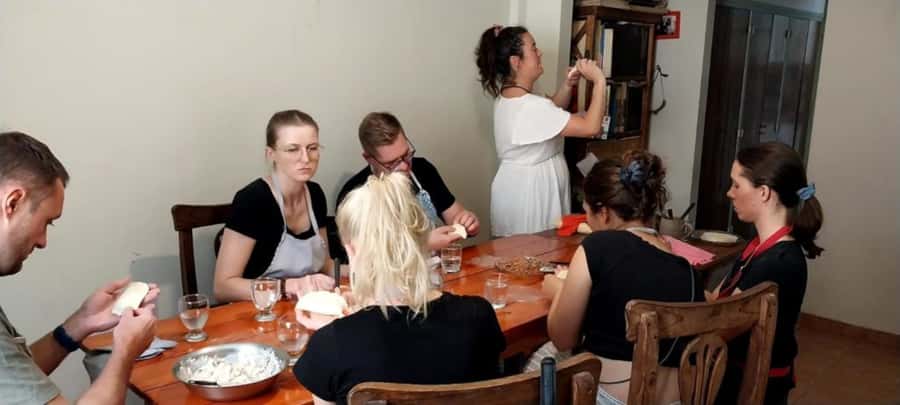
The hands-on approach is important. You are not merely handed a finished pastry to taste. You help prepare the ingredients, work with the dough, add filling, and seal each empanada yourself.
That is where the repulgue comes in. This classic twisted edge both closes the pastry and gives it a recognizable Argentine look. It takes some practice, especially if you are new to pastry, but the technique is one of the most useful skills to take home.
The class seems well suited to beginners, though it is worth paying close attention during the demonstration. Some people found the instructions could have been clearer for less experienced cooks. If you are unsure how much filling to use or how tightly to fold the edge, ask before the tray goes into the oven or pan.
The main limitation is variety. One person enjoyed the class but wished for a second empanada filling instead of making the same meat filling twice. If tasting several regional styles is your main goal, this may feel narrow. If you want to learn one dependable method and make plenty of food, the format works well.
Preparing and sharing mate
Mate is more than a hot drink. It is a traditional herbal infusion with its own preparation and social ritual, and the class gives you a practical introduction rather than treating it as a passing curiosity.
You learn how to prepare the mate and how it is traditionally consumed. Water and mate are included, so you do not need to arrange this part separately. The drink also gives the group something to share while the food is being prepared.
This is a valuable cultural layer because it connects the kitchen work to daily Argentine life. You are learning how locals gather and talk, not just how to reproduce a dish from a cookbook.
Do not expect mate to be the central event. It supports the cooking session and conversation. If you already know the basics, you may want more time on the finer points. For a first introduction, though, it adds a distinctively Argentine touch.
A few more trips in Buenos Aires worth weighing up
- Buenos Aires: City Highlights Guided Tour with Transfer
★ 4.7 · 1,946 reviews - Buenos Aires: La Boca Guided Walking Tour in English
★ 4.8 · 1,587 reviews - Buenos Aires: La Recoleta Cemetery Guided Tour in English
★ 4.8 · 1,359 reviews - Palermo: Graffiti and Street Art Guided Tour in English
★ 4.8 · 684 reviews
Shaping cornstarch alfajores
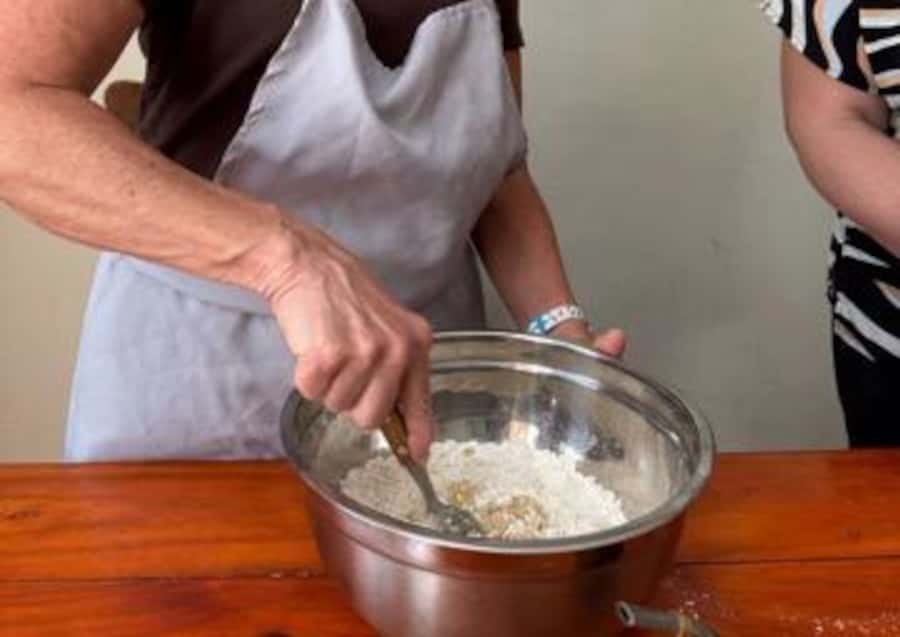
After the savory work, the class turns to alfajores. These beloved Argentine sweets are made in many forms, but this session focuses on a soft cornstarch cookie with a creamy dulce de leche filling.
You prepare the cookie mixture, shape the pieces, and put them together with dulce de leche. The sweet course is a good contrast to the empanadas because it introduces a different texture and a familiar Argentine flavor.
The alfajores also make the class appealing to younger participants. Families with teenagers and children have found the tasks easy to share, and the finished pastries give everyone a clear reward for the work.
You should pace yourself. The class provides a generous amount of food, and you eat the results at the end. Some people even had empanadas left over. If you are planning a large dinner afterward, that may be unnecessary. For most visitors, however, the substantial meal is part of the value.
Eating together after the cooking
The final meal is informal. You sit with the hosts and the other participants, eat the empanadas and alfajores, and continue talking about Argentine culture and food.
This is not a silent tasting with tiny portions. The format is designed around eating the food you made, and the quantity has been described as more than enough. Water is included, while wine is available for purchase if you want a drink with dinner.
I like this structure because the cooking has a clear purpose. You are not rushed through a list of techniques and then sent away. You see the work become a meal, and you have time to ask questions while eating.
The tradeoff is that the home setting may be casual in small practical ways. One participant would have preferred small plates instead of napkins. That is not a major issue, but it gives you a fair picture: this feels like a warm household meal, not a polished restaurant service.
The social mood is a major strength. People who arrive as strangers often find themselves talking easily by the end. If you enjoy meeting people through food, this class offers more connection than a standard demonstration.
What you learn about Argentina beyond the recipes
The hosts add context about Argentine history, culture, Buenos Aires, and food customs as the class unfolds. The exact amount depends on the host and the questions asked, but the evening is clearly intended to be cultural as well as culinary.
You might hear about the role of empanadas in Argentine eating habits, the traditions around mate, and the place of alfajores in local food culture. One host’s wife is also a tour guide and has offered practical tips about Buenos Aires during the evening.
That makes the class useful early in your stay. If you book it near the start of a Buenos Aires visit, you may leave with ideas for what to eat and where to explore next. If you book it near the end, it becomes a relaxed way to make sense of dishes you have already encountered around the city.
The experience is delivered in English or Portuguese. If you need another language, this is not the right choice. The English guidance has been praised, though the class still benefits from asking questions and watching the demonstrations closely.
Price, group size, and practical value
At $37 per person, the class is good value for three hours. The fee covers the cooking lesson, ingredients, mate, water, and the meal. You are paying for instruction and a substantial dinner, not simply for a short food sample.
The group limit of eight is a strong point. A larger class might cost less, but it would be harder to watch the repulgue, handle the ingredients, or speak with the hosts. Here, the small scale supports the household feeling.
The price is especially fair for families and couples who want one activity that combines food, culture, and conversation. Solo visitors can also get good value, since the shared table makes it easier to meet people.
Wine costs extra. Keep that in mind if you want a bottle or glass with dinner, but it is not necessary for the experience. Mate and water are already included.
The class is wheelchair accessible. Since the meeting point is inside a home, you should still confirm any specific access needs when booking if you require more detail than the available information provides.
You can cancel up to 24 hours before the start for a full refund, and you can reserve now and pay later. Those options help if your Buenos Aires schedule is still changing.
Recipes and what to confirm before leaving
The class is meant to give you skills you can use at home. Several people left feeling confident about making empanadas and alfajores again, and recipes are shared after the session.
There is one practical wrinkle. Some participants received the recipes without trouble, while others had to follow the host on Instagram and ask proactively. I would not assume the recipes will arrive automatically.
Before you leave, confirm how the recipes will be sent and make sure you have the correct contact details. This is particularly important if you want to recreate the dough, filling, and alfajor proportions at home.
Also ask about vegetarian options when you book or at the beginning of the class. Vegetarian fillings have been available, but the exact choices may differ. If you want two different savory fillings, ask in advance rather than assuming they are part of the menu.
Who should book this Buenos Aires cooking class?
I would recommend it to:
- First-time visitors who want food culture explained in a personal setting
- Couples looking for a relaxed evening activity
- Solo visitors who enjoy meeting people at a shared table
- Families with older children or teenagers
- Beginners who want to learn a practical empanada-folding technique
- Anyone who likes eating a full meal after working for it
I would be more cautious if you want a formal culinary course, several different empanada fillings, or a highly polished restaurant-style setting. The charm comes from the home atmosphere, and that also means a few informal touches and occasional limits on visibility.
Should you book it?
Yes, if you want a friendly introduction to Argentine food that feels personal rather than staged. The strongest reasons are the small group, the chance to cook from scratch, the mate ritual, and the generous meal of empanadas and alfajores.
Book it with two expectations: you may need to ask for a recipe copy, and you should speak up if you cannot see a demonstration clearly. If those small points do not bother you, the $37 price buys an unusually social three hours in Buenos Aires, with useful skills to take home and a better sense of how food fits Argentine life.
FAQ
Where does the cooking class meet?
The class meets at Paseo Colon 1355 in San Telmo. You should go to the address at the scheduled starting time and ring the bell.
How long does the experience last?
The cooking class lasts three hours. Starting times vary, so you should check availability when booking.
How much does the class cost?
The listed price is $37 per person.
What food do you make?
You make Argentine empanadas with savory fillings and alfajores made with cornstarch and dulce de leche.
Is mate included?
Yes. Mate, the traditional Argentine herbal drink, is included, along with an explanation of how to prepare and drink it.
Is a meal included?
Yes. You eat the empanadas and alfajores made during the class. Water is also included.
Is wine included?
No. Wine is available to purchase separately.
What languages are available?
The class is conducted in English and Portuguese.
How many people can join?
The class is limited to eight participants, making it a small-group activity.
Is the class wheelchair accessible?
Yes, the activity is listed as wheelchair accessible.
Can I cancel the booking?
You can cancel up to 24 hours in advance for a full refund. You can also reserve now and pay later.
Latest additions in Buenos Aires
- Buenos Aires: 7 Hour Small Group “BA 101” Walk★ 5.0 · 3 reviews
- Unique Tigre and Delta Private Day Cruise Navegation★ 5.0 · 3 reviews
- Buenos Aires: Customizable City Tour in Polish★ 4.7 · 3 reviews
- Buenos Aires After Dark: A City Lights & Sunset Experience★ 5.0 · 3 reviews
- Tango Show at El Querandi with optional Dinner★ 4.2 · 3 reviews
- Velez Sarsfield Football Match★ 5.0 · 3 reviews
- Caminito, La Boca: vibrant neighborhood★ 5.0 · 3 reviews
- Café de los Angelitos – Traditional Night in Buenos Aires★ 4.8 · 3 reviews
Cooking Classes, compared.
3h Cooking Class in Mendoza with 7 Recipes & Bottomless Drinks
Read our review →
BA: Empanadas and Alfajores Cooking Experience in Palermo
Read our review →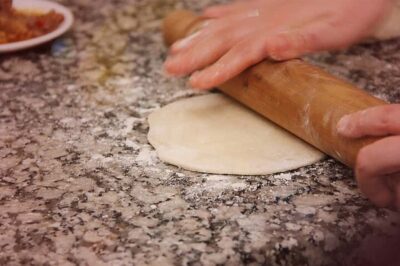
Argentinian Empanadas Cooking Experience in Palermo, Bs As
Read our review →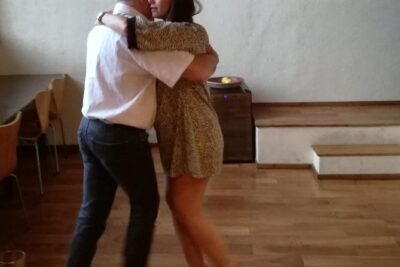
Private Argentine Cooking Class and Tango Lesson in Buenos Aires
Read our review →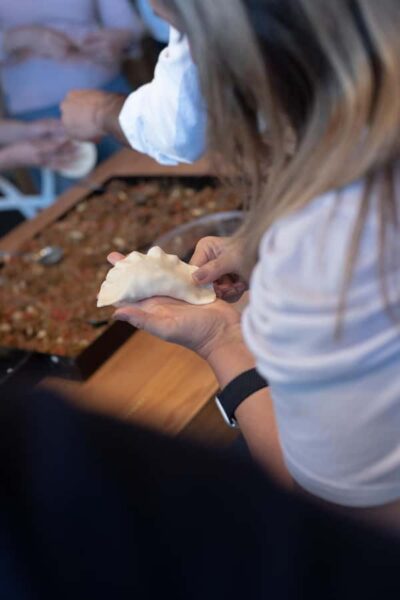
Premium Empanadas Cooking Class & Wine Tasting Experience
Read our review →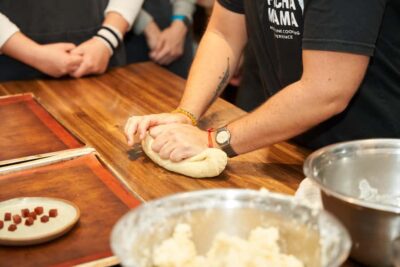
Pachamama – Argentine Cooking Experience in Buenos Aires
Read our review →Browse the lists this tour appears in