Reviewed · GUIDED
Palermo: Graffiti and Street Art Guided Tour in English
Street art tells Palermo’s story. This two-hour English walking tour uses murals, tags, and political graffiti to explain how Buenos Aires turned public walls into a place for protest, identity, and art. I like the way it connects what you see today with Argentina’s political past, and I like the low $13 price, which makes this an easy addition to a day in Palermo.
You begin at Plaza Serrano, also called Plaza Cortazar, and finish at Plaza Inmigrantes de Armenia. The guides bring real personality, with Aylen, Vito, Juan, Victor, Elina, and others praised for their humor and enthusiasm. The main consideration is that group sizes can sometimes be large, and one past participant felt the walking route could be improved.
In This Review
- Six things to know before you go
- Why Palermo is a good place to study street art
- Starting at Plaza Serrano and Plaza Cortazar
- From 1920s politics to public walls
- Aerosol paint and the 1969 turning point
- Reading the art in Palermo Soho
- What the guides add to the walk
- The route, pace, and group size
- The $13 price and what you receive
- Who will enjoy this tour most
- Practical tips for a better afternoon
- Should you book the Palermo street-art walk?
- FAQ
- Where does the Palermo street-art tour begin?
- How do I identify the guide?
- Where does the tour finish?
- How long does the tour last?
- Is the tour conducted in English?
- Is the tour wheelchair accessible?
- Does the tour run if it rains?
- Are food, drinks, or hotel transfers included?
Six things to know before you go
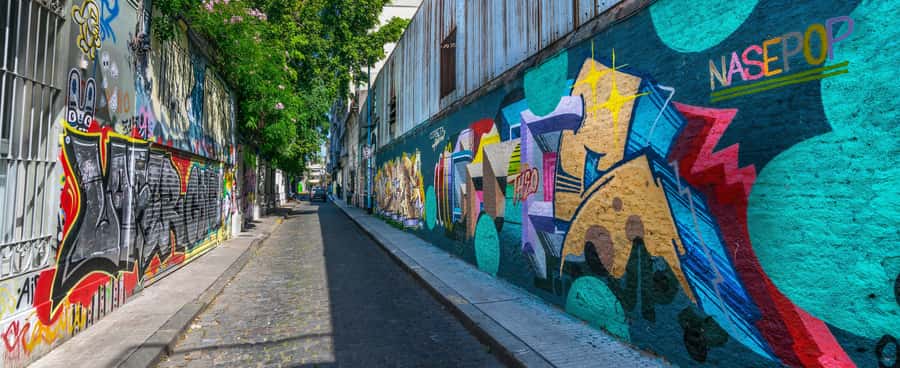
- The tour begins at Plaza Serrano: Meet at the corner of Jorge Luis Borges and Honduras Streets, near the large PALERMO sign. Look for the guide in an orange shirt.
- The art comes with political context: You will trace graffiti from election propaganda in the 1920s to protest movements in the 1970s and beyond.
- The Trump Wall is a photo stop: The graffiti at Madison Avenue Bar is one of the tour’s most recognizable picture opportunities.
- Guides make the difference: Vito, Juan, Victor, Aylen, and Elina are praised for clear explanations, humor, and strong knowledge of Buenos Aires and its art.
- The timing is manageable: Two hours gives you enough time to see a good range of work without turning the outing into an exhausting half-day walk.
- Rain does not cancel the outing: The tour operates in wet weather, so bring suitable clothing if the forecast looks uncertain.
Why Palermo is a good place to study street art
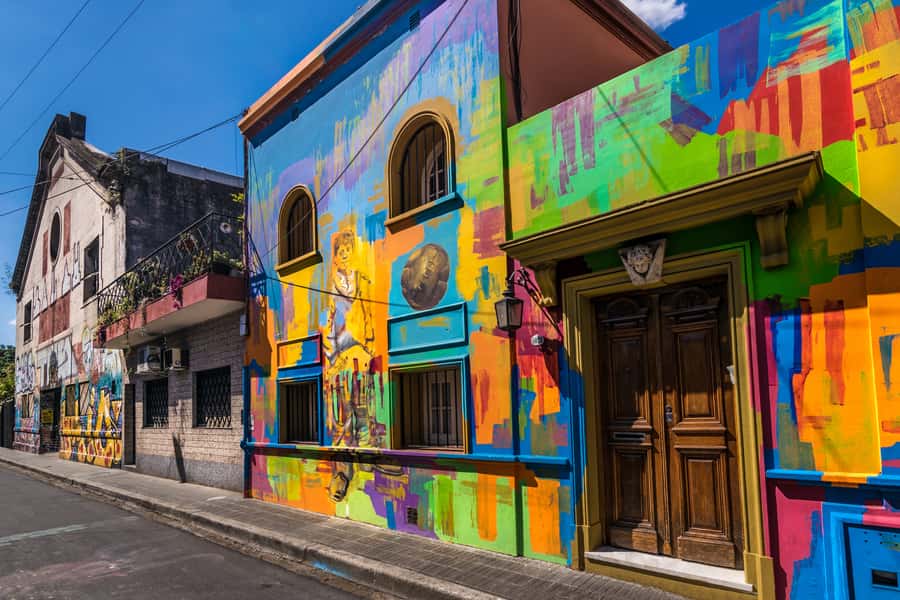
Palermo is one of Buenos Aires’s most eclectic neighborhoods, and the tour focuses on the area around Palermo Soho. Its streets combine cafés, shops, bars, apartments, and walls covered in changing artwork. That mix matters because street art here is not presented as something locked away in a gallery. It is part of the everyday city.
You will see different styles during the walk. The examples mentioned by participants include football murals, butterfly murals, painted walls, and smaller pieces that are easy to miss if you are walking alone. The art can be colorful and playful, but the subject matter is not always light. Political messages, social conflict, sport, national pride, and neighborhood identity all appear in the story.
I like this approach because it gives you a better way to read Buenos Aires after the tour. A painted wall is no longer just a photo background. You begin to notice the artist’s style, the subject, the location, and the difference between an authorized mural and a mark that may be treated as vandalism.
More street art walks in Buenos Aires:
- Private Street Art Tour in Buenos Aires
★ 4.9 · 7 reviews
Starting at Plaza Serrano and Plaza Cortazar
The meeting point is Plaza Serrano, also known as Plaza Cortazar, at the corner of Jorge Luis Borges and Honduras Streets. Look for the big PALERMO sign and a guide wearing an orange shirt. This is a useful meeting place because it is in a recognizable part of Palermo rather than on an obscure side street.
Your guide gathers the group and sets the theme for the walk. The tour is conducted in English, and the guide-led format means you do not have to research artists or translate Spanish writing on the walls as you go. The best guides also use the first part of the walk to explain how the neighborhood and its public art fit together.
The exact order of artworks can change, and street art itself is temporary. A mural may be painted over, altered, or partly hidden by construction. That is worth remembering if you are expecting a fixed museum-style collection. The reward is that the neighborhood feels alive and changeable, not arranged for visitors.
From 1920s politics to public walls
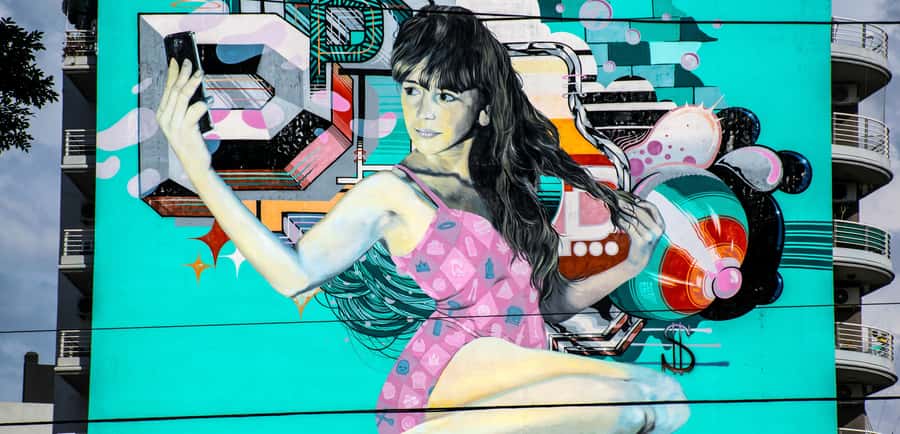
The historical section reaches back to the 1920s, when graffiti could serve as political endorsement and election propaganda. In that period, writing on walls was not simply personal expression. It could support a political movement, promote a candidate, or place a message in front of a large audience.
This background gives the tour more weight than a simple walk between attractive murals. You learn to see public writing as part of Argentina’s political life. The guide explains how movements used walls to reach people and how public messages became part of the struggle for attention and support.
I find this part especially useful for visitors who know little about Argentine politics. The tour does not treat art as separate from society. Instead, it shows how the city’s walls became a public noticeboard during periods of pressure and change.
Aerosol paint and the 1969 turning point
A key moment in the story comes with the arrival of aerosol paints in 1969. This new material allowed messages to be written much faster than before. That may sound like a small technical change, but it affected how quickly urban movements could act.
The guide connects aerosol paint with a different military government and with the urban movements of the 1970s. Faster writing meant faster communication, particularly at a time when public protest and political expression carried serious weight. The tour then moves into the growing role of protest, social conflict, and public participation.
This is where the walk becomes more than a lesson in spray-paint technique. You begin to understand why the tools matter. A can of aerosol paint is portable, quick, and suited to walls, signs, and other public surfaces. In a tense political climate, those qualities change what can be said and how fast it can appear.
The explanations are also kept accessible. Past participants repeatedly praised guides such as Juan, Vito, and Victor for mixing history with humor and personal stories. That balance helps the political material stay clear without becoming a dry lecture.
A few more trips in Buenos Aires worth weighing up
- Buenos Aires: City Highlights Guided Tour with Transfer
★ 4.7 · 1,946 reviews - Buenos Aires: La Boca Guided Walking Tour in English
★ 4.8 · 1,587 reviews - Buenos Aires: La Recoleta Cemetery Guided Tour in English
★ 4.8 · 1,359 reviews - Buenos Aires: Teatro Colon Guided Tour
★ 4.3 · 571 reviews
Reading the art in Palermo Soho
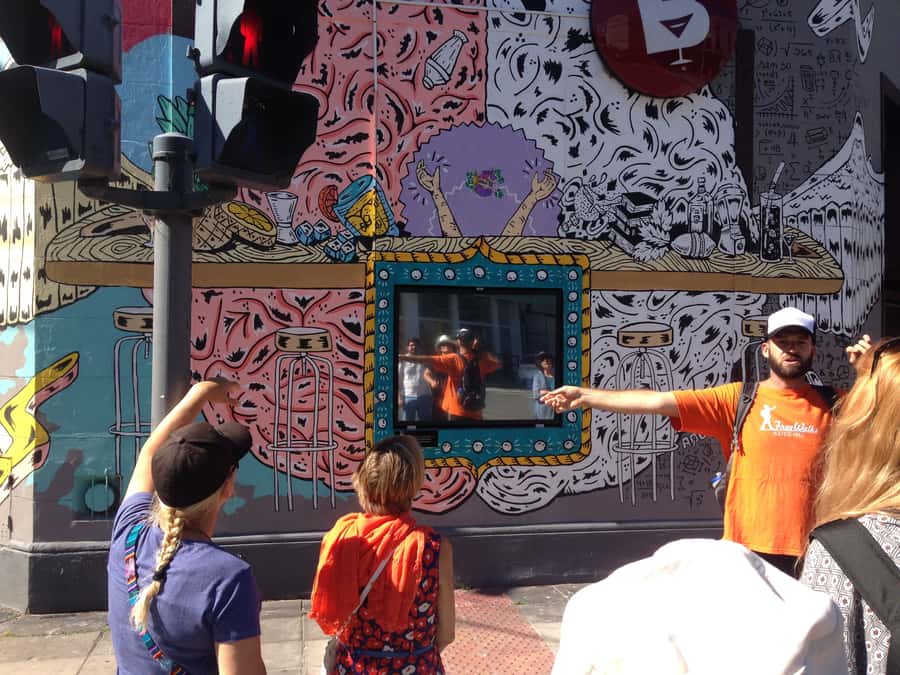
After the historical foundation, the walk turns back to the work around you. You may see large murals with clear subjects, smaller graffiti pieces, and images connected to football or local culture. One participant specifically enjoyed seeing styles that ranged from football murals to butterfly murals, a useful reminder that Palermo’s walls are not all making the same argument.
Your guide points out details that are easy to miss. That might include the artist’s approach, the meaning of a symbol, the role of color, or the way a mural relates to the building it covers. You are also given context about the artists and the wider street-art culture in Argentina.
The tour’s value lies in this interpretation. You can photograph a wall on your own, but you may not know why it is there or how it fits into Palermo. A guide helps you connect the visual details with Buenos Aires’s politics, sports culture, and social life.
The Trump Wall at Madison Avenue Bar is a named stop and a good photo opportunity. It gives the walk a recognizable landmark, but it should not be the only reason you book. The real benefit is the full route, where the guide shows you a range of public art rather than one famous wall.
What the guides add to the walk
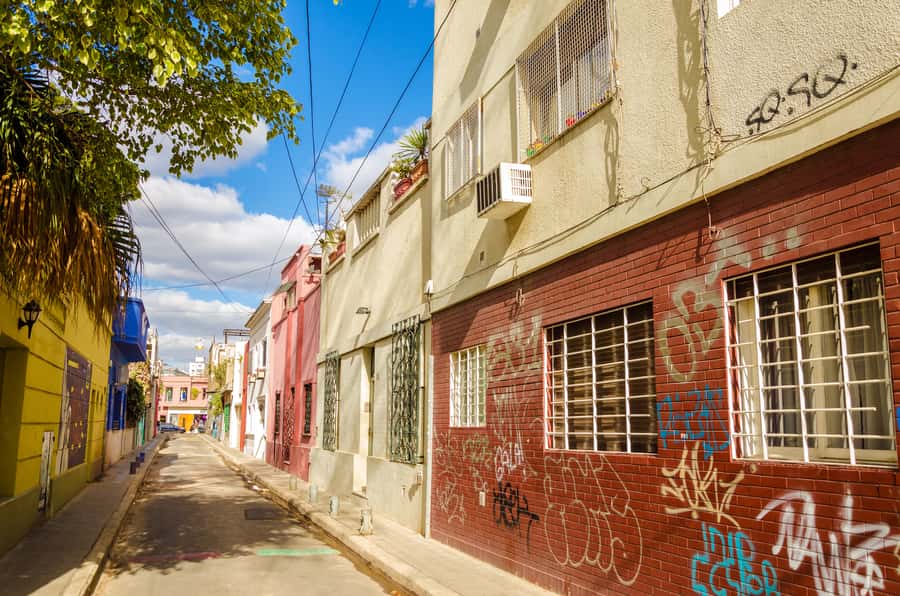
The strongest praise is aimed at the guides. Vito is repeatedly described as energetic, passionate about the artists, and skilled at explaining both the art and the culture behind it. Juan is praised for warmth, humor, local knowledge, and his ability to connect historical facts with personal stories. Victor is described as engaging and full of useful information, while Aylen and Elina are also praised for making the subject easy to follow.
Guide assignments can change, so you should not book on the assumption that one particular person will lead your group. Still, the pattern is clear: the experience depends heavily on having someone who can explain the art rather than simply point at it.
The guides also appear willing to answer questions. One particularly useful detail is that a guide continued answering questions about Buenos Aires after the official walk had ended. Another participant booked a second tour after enjoying Juan’s presentation. That suggests this is a good starting point if you want help getting oriented in the city.
The humor matters, too. Political history and military rule can be difficult subjects, especially during a two-hour walk. Guides such as Juan and Vito are praised for keeping the mood friendly while treating the subject seriously.
The route, pace, and group size
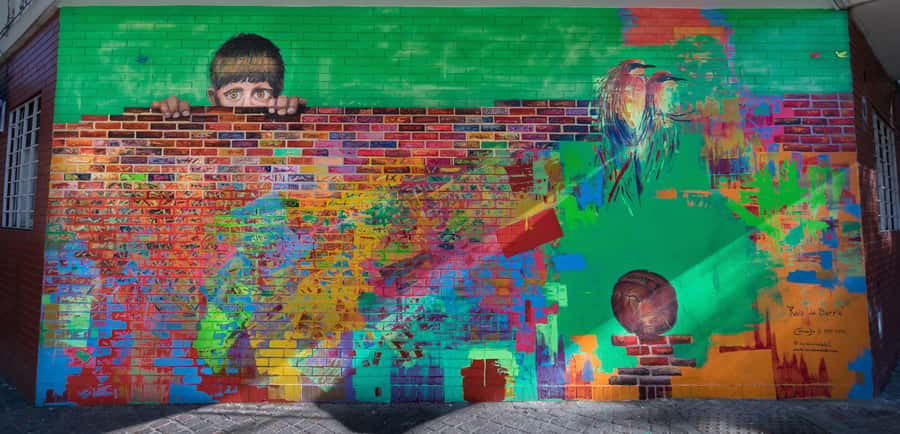
The walk lasts two hours and ends at Plaza Inmigrantes de Armenia. That is a sensible length for a street-art tour. You get enough time to see several areas and hear the historical story, but you are not committing an entire afternoon to one neighborhood.
The route is on foot, with no hotel pickup or drop-off. You should arrive ready to walk through Palermo’s streets and spend time standing while the guide explains each piece. Food and drinks are not included, so plan to eat before or after the tour if you need a full meal.
Group size may vary. One participant described a large group that was still well managed and easy to hear, while another mentioned that the group was big. This is the main practical drawback. In a crowded group, you may need to move closer to the guide or wait a moment before taking a picture.
The route seems generally well paced. One participant said two hours was just right, and others described the walk as easy to follow. Still, one person suggested improving the circuit. That is a fair point because street art routes are shaped by what remains on the walls, and the best sequence can change over time.
The $13 price and what you receive
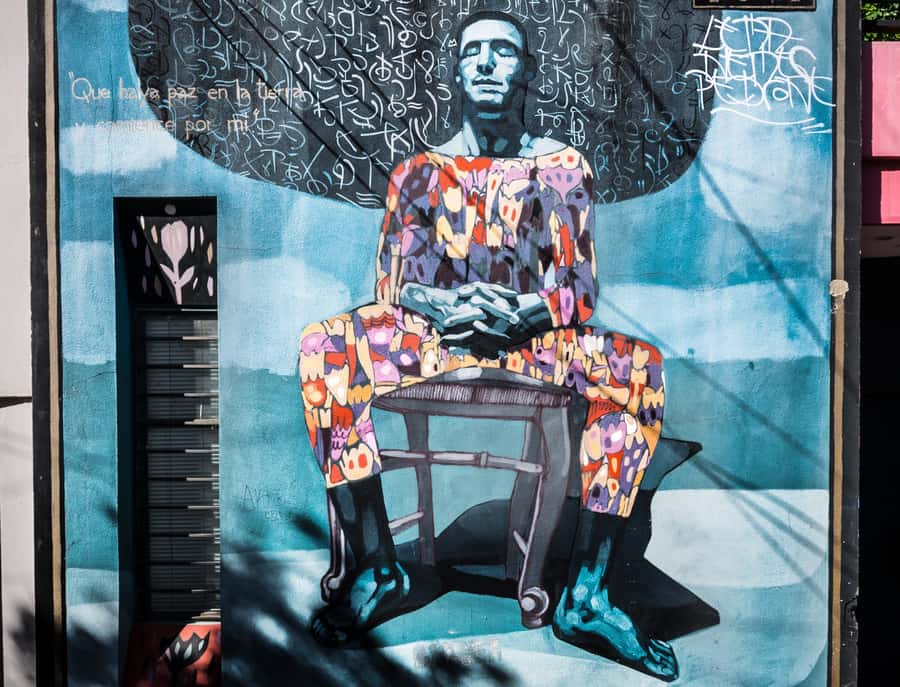
At $13 per person, this is strong value if you want more than a self-guided photo walk. You receive two hours with an English-speaking guide, a focused look at Palermo, and an explanation of Argentine street art’s political roots.
The price is especially attractive for first-time visitors who would otherwise spend time trying to identify murals and artists on their own. The tour also gives you a useful neighborhood orientation, with the start and finish both in Palermo.
It is not a full cultural tour of Buenos Aires. You do not get transportation, food, hotel pickup, or a broad survey of every part of the city. You are paying for a focused walking experience. For that purpose, the cost is modest.
You can also reserve now and pay later, which helps if your plans are still shifting. Cancellation is allowed up to 24 hours before the tour for a full refund. These policies are useful, but the bigger value is the guide’s explanation, not the booking flexibility.
Who will enjoy this tour most
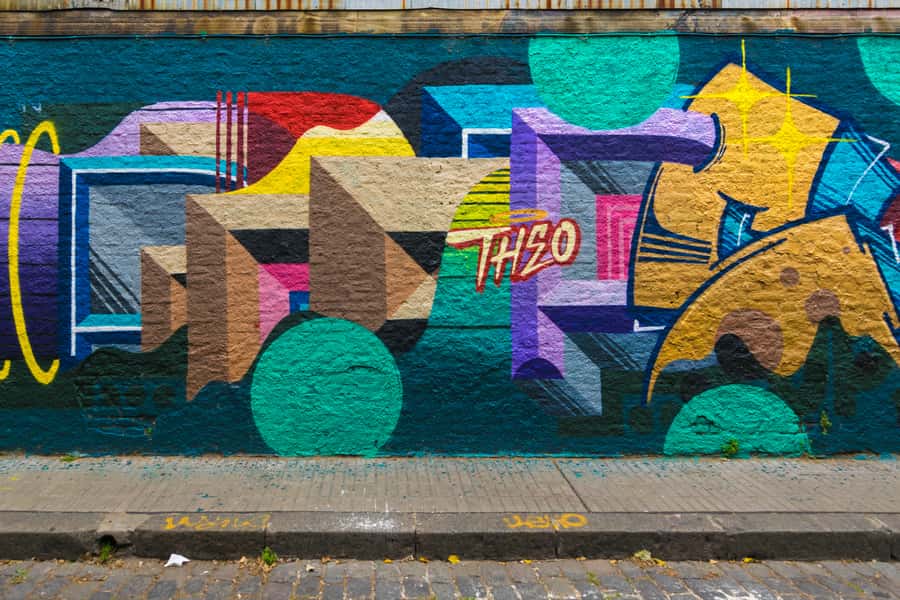
I would recommend it to anyone who likes learning about a city through its walls. It suits first-time visitors, photographers, art students, football fans, and people curious about Argentina’s political past.
It is also a good pick if you prefer a small subject with a clear focus. You do not need to know anything about graffiti before arriving. The guide explains the basics and then gives you enough context to look more closely.
Families and mixed-age groups may enjoy the visual side of the walk, though the political material requires attention. People with limited walking tolerance should note that this is a walking tour lasting two hours, even though it is listed as wheelchair accessible.
You might skip it if you only want famous sights, formal galleries, or a short photo stop. This experience asks you to listen, walk, and think about why public art appears where it does.
Practical tips for a better afternoon
Arrive at Plaza Serrano with a little time to spare. The meeting point is specific, but Plaza Serrano and Plaza Cortazar are two names for the same place, so knowing both avoids confusion.
Wear comfortable shoes and bring your phone or camera. The tour includes the Trump Wall at Madison Avenue Bar and many other photo stops, but do not spend the whole walk looking through a screen. The guide’s explanations are what turn the pictures into memories with meaning.
If rain is forecast, bring a jacket or umbrella. The tour still runs in wet weather. Since there is no food or drink included, have water with you and arrange a meal around the two-hour schedule.
Listen for artist names and styles. After the walk, you may start recognizing the work of artists you encountered along the route. That is one of the best results of a guided street-art tour: you leave with a new way to notice the city.
Should you book the Palermo street-art walk?
Yes, if you want an affordable, focused introduction to Buenos Aires through public art. The combination of Palermo’s colorful walls, the Trump Wall photo stop, and the story of political graffiti gives the tour more substance than a standard neighborhood stroll.
I would book it early in your Palermo plans, especially if you want ideas for exploring the area afterward. The main caveat is the possibility of a large group and a route that may change as artworks disappear or new ones appear. Those are minor tradeoffs for a $13 experience led by guides who are praised for humor, passion, and clear storytelling.
FAQ
Where does the Palermo street-art tour begin?
It begins at Plaza Serrano, also known as Plaza Cortazar, at the corner of Jorge Luis Borges and Honduras Streets in Palermo.
How do I identify the guide?
Look for a guide wearing an orange shirt near the large PALERMO sign.
Where does the tour finish?
The walk finishes at Plaza Inmigrantes de Armenia.
How long does the tour last?
The tour lasts two hours.
Is the tour conducted in English?
Yes. It includes a live English-speaking guide.
Is the tour wheelchair accessible?
Yes, the activity is listed as wheelchair accessible.
Does the tour run if it rains?
Yes. The tour still takes place in rainy weather.
Are food, drinks, or hotel transfers included?
No. The experience includes the two-hour guided walk only. Food, drinks, hotel pickup, and hotel drop-off are not included.
Latest additions in Buenos Aires
- Buenos Aires: 7 Hour Small Group “BA 101” Walk★ 5.0 · 3 reviews
- Unique Tigre and Delta Private Day Cruise Navegation★ 5.0 · 3 reviews
- Buenos Aires: Customizable City Tour in Polish★ 4.7 · 3 reviews
- Buenos Aires After Dark: A City Lights & Sunset Experience★ 5.0 · 3 reviews
- Tango Show at El Querandi with optional Dinner★ 4.2 · 3 reviews
- Velez Sarsfield Football Match★ 5.0 · 3 reviews
- Caminito, La Boca: vibrant neighborhood★ 5.0 · 3 reviews
- Café de los Angelitos – Traditional Night in Buenos Aires★ 4.8 · 3 reviews
Guided, compared.

National Park and Train Trip End of the World Guided Tour
Read our review →
Best of Buenos Aires: Guided Sightseeing City Tour
Read our review →