
Reviewed · HISTORICAL TOURS
Buenos Aires: Historic Buenos Aires Landmarks & Icons Tour
History gets a lively street lesson here. This 150-minute walking tour links Buenos Aires landmarks that are easy to miss when you explore alone, from Casa Rosada and Plaza de Mayo to the Cabildo and Manzana de las Luces. I like the clear focus on the city center, and I like that guide Miguel brings personal warmth, historical detail, and even a lesson in drinking mate to the walk.
The $20 price is excellent for a guided introduction to the capital’s political and colonial center. The main consideration is the pace and amount of walking. You will spend much of the tour outdoors, Spanish is the stated language, and the experience is not suitable for wheelchair users or people with mobility impairments.
In This Review
- Key points to know before you book
- Why this short Buenos Aires walk works
- Plaza de Mayo and the political heart of Argentina
- Casa Rosada and the Bank of the Argentine Nation
- The Garay Monument and Buenos Aires’ second founding
- The old post office palace and the Bicentennial Museum
- Buenos Aires Metropolitan Cathedral
- The Cabildo, a key colonial building
- Manzana de las Luces and the old city beneath the modern one
- The guide can make or break this experience
- Walking conditions, timing, and what to bring
- Is $20 a fair price?
- Who should book this Buenos Aires tour?
- Should you book it?
- FAQ
- Where does the tour start?
- How long does the tour last?
- What language is the tour offered in?
- Does the tour include hotel pickup and drop-off?
- Is food or drink included?
- What should I bring?
- Is there a lot of walking?
- Is the tour suitable for wheelchair users?
- Can I cancel for a full refund?
Key points to know before you book
- A compact tour of Buenos Aires’ symbolic center: Plaza de Mayo, Casa Rosada, the Metropolitan Cathedral, Cabildo, and several museums fit into one route.
- Miguel is the guide to look for: His explanations, patience, and willingness to answer questions receive especially strong praise.
- Expect a history-led walk, not a bus tour: You move between nearby sites on foot, with time for photos, short visits, and guided explanations.
- The second founding of Buenos Aires adds an unusual angle: The Garay Monument and former post office site connect the modern city with its earlier beginnings.
- Spanish is the official tour language: Miguel has adapted his explanations for some English-speaking participants, but you should not assume that will always be available.
- Come prepared for sun and pavement: Comfortable shoes, water, a hat, and sunscreen are sensible basics.
Why this short Buenos Aires walk works
Buenos Aires can feel enormous on a first visit. This tour gives you a useful starting map by concentrating on the historic core around Plaza de Mayo. In two and a half hours, you see the buildings tied to government, religion, colonial administration, national identity, and public protest.
I especially like the way the route combines famous façades with less obvious stories. Casa Rosada is the obvious star, but the old convent site, the former post office palace, the Garay Monument, and Manzana de las Luces give the walk more substance than a simple photo circuit.
You should also keep your expectations in check. This is not a full tour of Buenos Aires, and it does not cover neighborhoods such as San Telmo, Recoleta, or La Boca. Its value comes from giving you a strong introduction to the city’s central landmarks in a short period.
The starting point is near the flagpole at Plaza de Mayo. That is a practical meeting place, but the square can be busy and visually crowded, so arrive early enough to locate your guide without rushing. The tour is conducted in Spanish. One English-speaking participant accidentally booked the Spanish version and received help from Miguel, but that was a fortunate adjustment, not something you should count on.
More Historical Tours in Buenos Aires
- Nazis in Buenos Aires: a historical walking tour
★ 4.9 · 193 reviews - San Telmo: Historical Guided Tour with Street Food & Drinks
★ 5.0 · 87 reviews - Buenos Aires: La Boca Art and History Walking Tour
★ 4.8 · 55 reviews
Plaza de Mayo and the political heart of Argentina
Plaza de Mayo is the natural place to begin. It is one of Argentina’s most important public squares, surrounded by buildings that tell the story of national power. Starting here lets you understand the geography before the tour moves into individual monuments.
The square is more than an attractive open space. It ties together the Casa Rosada, the cathedral, the Cabildo, the Bank of the Argentine Nation, and other major civic buildings. Your guide can help connect these structures, so you are not simply looking at unrelated architecture.
The tour’s emphasis on stories is important. Buenos Aires history can become a blur of dates and political names, especially if you are seeing the city for the first time. A good guide gives those events a physical setting, showing you where government, religion, commerce, and public life met.
Plaza de Mayo is also a useful place for photographs. You will have views toward several major buildings at once, though the square is an active public area rather than a quiet museum courtyard. Keep your belongings close and stay aware of the group while listening.
Casa Rosada and the Bank of the Argentine Nation
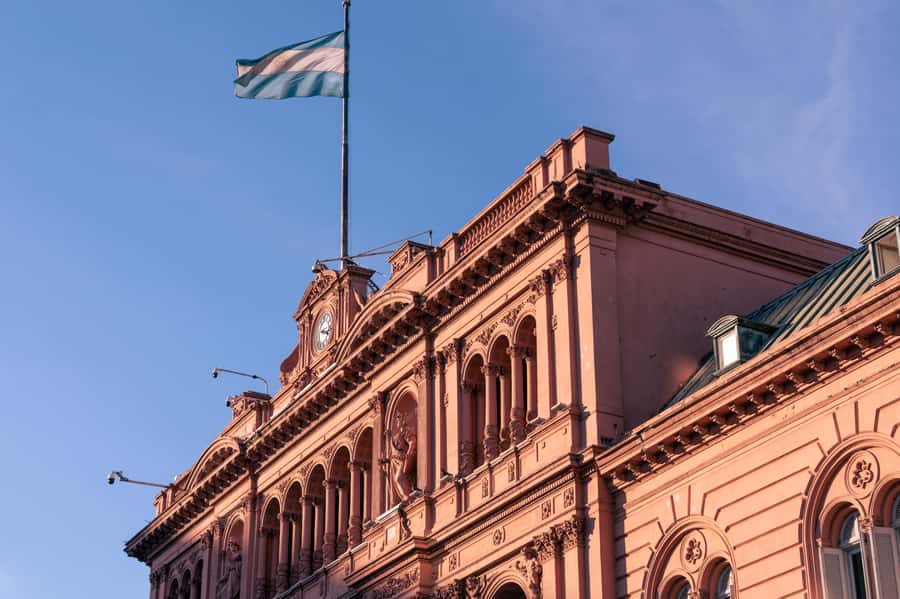
Casa Rosada receives a short scheduled stop of about 10 minutes. The pink government palace is one of Buenos Aires’ instantly recognizable sights, and it provides the tour’s strongest visual moment.
The stop includes a photo opportunity, a guided explanation, and passing by the building. That wording matters: you should not book this expecting a long interior visit to Casa Rosada. The reward is the exterior, the surrounding square, and the political meaning attached to the building.
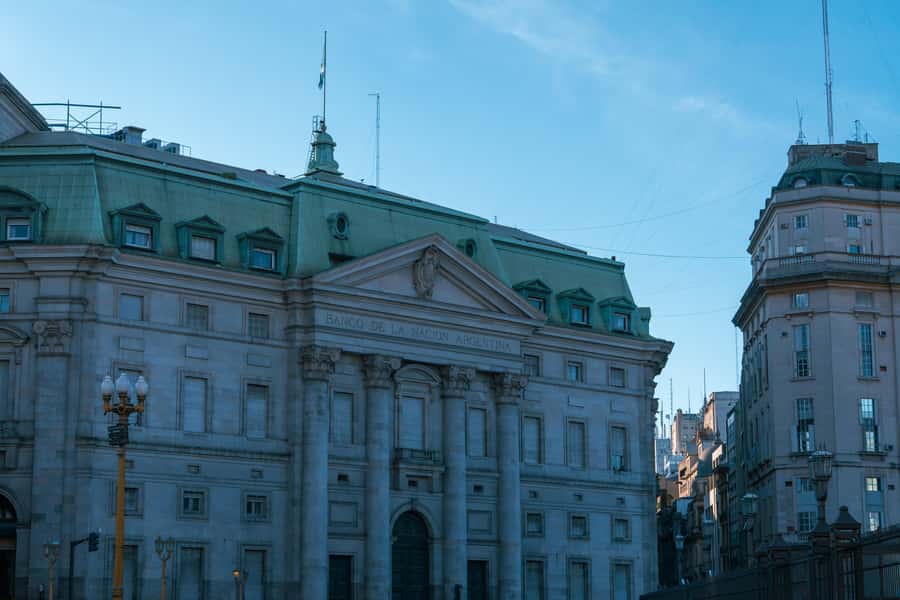
The nearby Bank of the Argentine Nation building adds another layer to the setting. Its imposing design helps show how much national authority is concentrated around Plaza de Mayo. I find this contrast useful: Casa Rosada represents executive government, while the bank points toward the financial institutions that helped shape the country.
The guide’s role is especially valuable here. Anyone can take a picture of the pink façade. The better experience comes from learning why this building matters and how it fits into the wider civic center.
The Garay Monument and Buenos Aires’ second founding
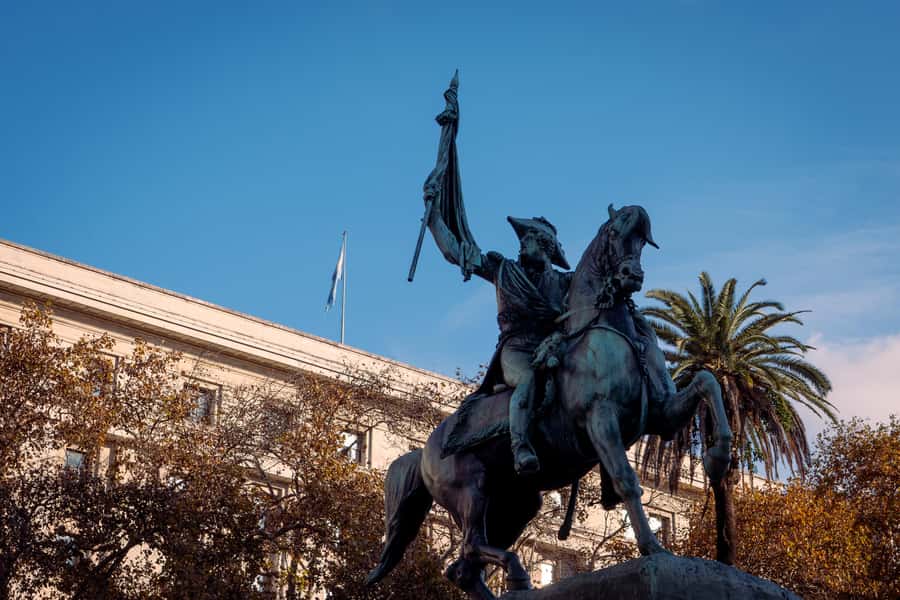
The Monumento a Juan de Garay receives about 10 minutes for photographs and explanation. Garay is associated with the second founding of Buenos Aires, and the monument marks a location with a direct connection to the city’s early development.
This is one of the tour’s more distinctive stops because it moves away from the most familiar postcard sights. The Garay Monument gives you a chance to think about Buenos Aires as a city built in stages, rather than a place that appeared fully formed around the plaza.
The location also offers a view toward the historic center. That viewpoint has practical value: it helps you see how the major buildings relate to one another instead of experiencing the route as a series of isolated stops.
The stop is brief, so listen closely. Ten minutes is enough for a clear explanation and photographs, but not for a long discussion. If you enjoy urban history, this may be one of the moments you wish had more time.
A completely different sort of day in Buenos Aires:
- Buenos Aires Hop-On Hop-Off Bus, Free Walking Tours & Discounts
★ 4.5 · 2,218 reviews - Buenos Aires: Piazzolla Tango Show with Optional Dinner
★ 4.4 · 2,122 reviews - Buenos Aires: City Highlights Guided Tour with Transfer
★ 4.7 · 1,946 reviews - Buenos Aires: Hop-On Hop-Off City Bus Tour
★ 4.2 · 1,855 reviews
The old post office palace and the Bicentennial Museum
The Cultural Center was once the grand post office palace, and it is connected with the second founding of Buenos Aires. The setting adds a different architectural note to the route, moving from government offices and banks to a former communications center.
The Bicentennial Museum receives about 20 minutes for a visit, guided explanation, and sightseeing. It holds relics linked to past presidents and notable works of art. That makes it a useful bridge between the city’s political past and its cultural memory.
A short museum visit can be more satisfying than a quick look at another exterior. You have a chance to see objects connected with Argentina’s leaders rather than only hearing about them in the street. At the same time, 20 minutes is a brief window, so you should expect a focused introduction, not a complete museum visit.
The museum’s location near the central landmarks also keeps the route efficient. You do not lose time to long transfers, which is one reason the tour can cover so much in 150 minutes.
Buenos Aires Metropolitan Cathedral
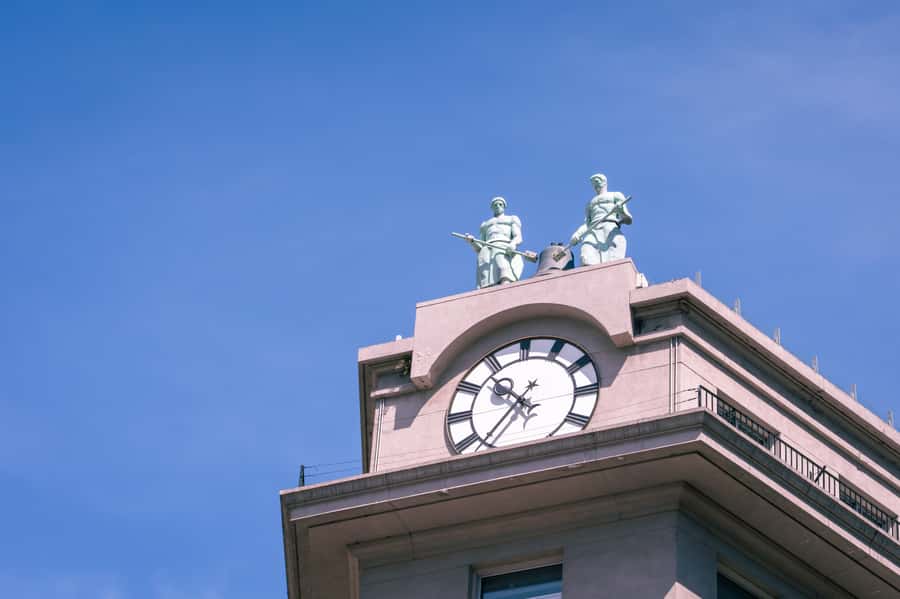
The Metropolitan Cathedral receives about 20 minutes and includes a photo stop, a visit, and guided commentary. Its presence on Plaza de Mayo makes clear how closely religious and political life have been linked in the city center.
Even if you are not focused on religious buildings, this is worth your time. The cathedral helps balance the route, which otherwise leans heavily toward government and civic power. It also gives you a chance to step away from the open square and look more closely at an important historic interior.
The exact amount of time inside may depend on conditions at the site, so keep the schedule flexible. The tour description confirms a visit and guided portion, but it does not promise a special access arrangement or a private area.
For photographers, the stop is useful both inside and outside. For everyone else, the guide’s explanation is what turns the building from an impressive church into part of the city’s larger story.
The Cabildo, a key colonial building
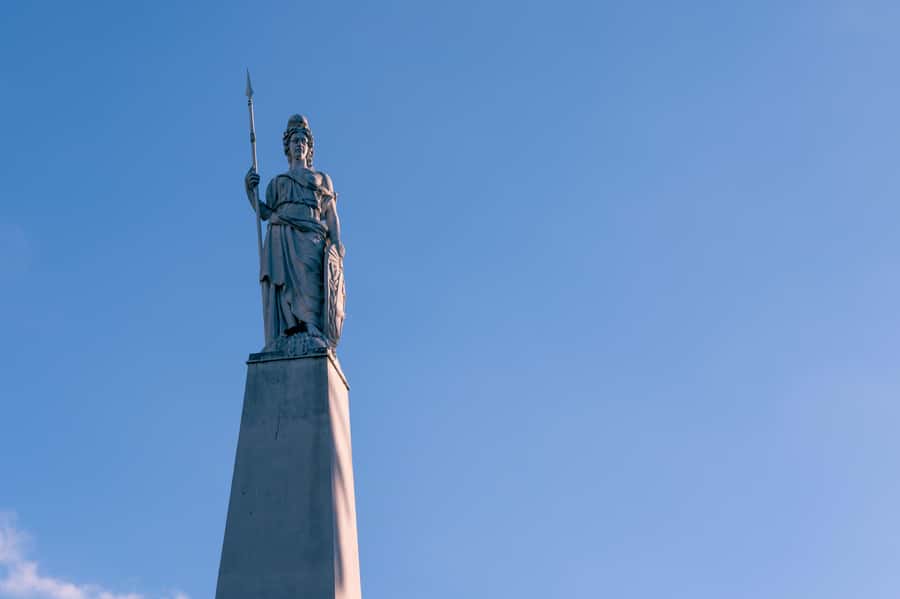
The Cabildo of Buenos Aires also receives about 20 minutes, with time for photographs, a visit, and guided sightseeing. This former colonial administrative building now functions as a museum preserving the story of Buenos Aires and Argentina.
I consider the Cabildo one of the most important stops for first-time visitors. Casa Rosada shows modern national government, while the Cabildo helps you look farther back toward colonial administration and the origins of civic rule.
The museum element gives the stop more depth than a façade-only visit. Still, the time is limited. You will get an introduction to the building and its role, not a full examination of every exhibit.
The Cabildo also sits in the right place for comparison. From the surrounding area, you can see how colonial institutions, the cathedral, and later government buildings all occupy the same central zone. That layering is one of the best lessons of the tour.
Manzana de las Luces and the old city beneath the modern one
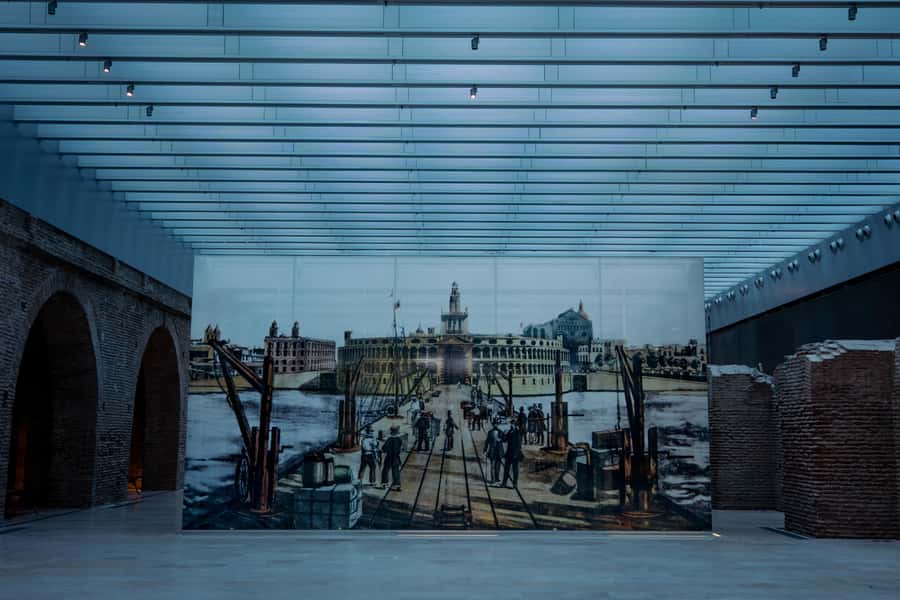
Manzana de las Luces is the final listed stop and receives about 20 minutes for a photo stop, visit, and guided explanation. The name refers to a historic city block associated with education, religion, and civic life.
This stop helps widen the story beyond the most famous national symbols. You are looking at a part of Buenos Aires where older institutions shaped public life, and the guide can explain why the block matters within the city’s development.
The route also includes the Central Bank of the Argentine Republic, formerly the San Ramón Nonato Convent. That change of use is a good reminder that Buenos Aires buildings often carry several layers of purpose. A convent becoming connected with national finance is a striking shift, even if you only see the site from the outside.
The National Customs House and Comic Strip Plaza are also part of the closing section of the experience. They add variety after the formal civic buildings. The customs building points toward trade and administration, while Comic Strip Plaza brings a more playful, popular side of Argentine culture into the route.
The supplied itinerary names Manzana de las Luces as the final main stop, while the wider tour description places the conclusion near the National Customs House and Comic Strip Plaza. I would treat these as the ending area rather than expect a long separate visit at every location.
The guide can make or break this experience
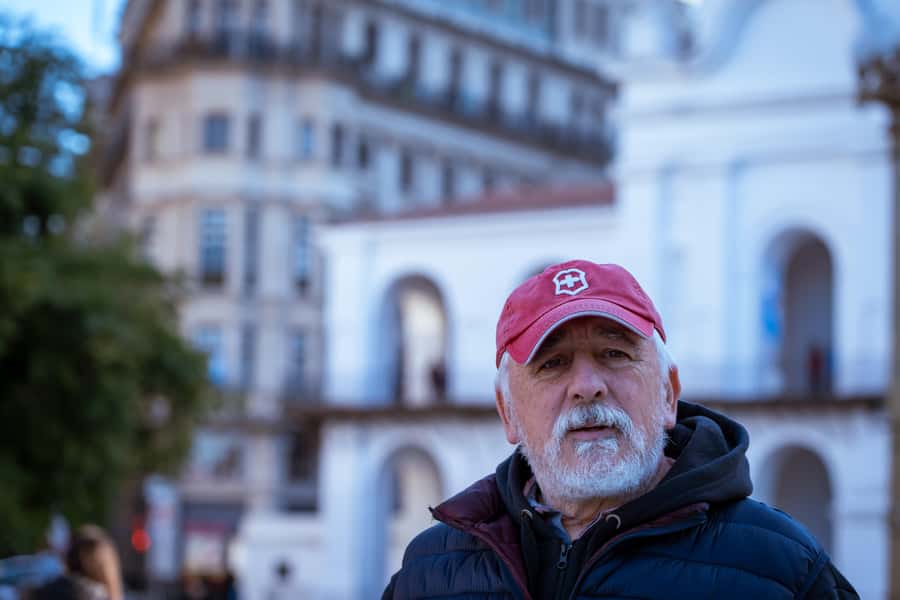
The strongest reason to book this walk is the guide. Miguel is repeatedly praised for his command of Buenos Aires history, his kindness, and his personal approach. People describe him as attentive to questions and careful with the group, which matters on a walking tour in a busy central district.
His style also appears flexible. He has adjusted his Spanish explanations for someone with limited Spanish and helped an English-speaking participant who had selected the wrong language. Again, the official language is Spanish, but Miguel’s patience may help you follow along if your Spanish is basic.
One particularly memorable touch is his demonstration of how to drink mate. That sort of small cultural exchange can make a city feel more human. It is not the reason to book the tour, but it adds warmth to a route that could otherwise feel like a list of government buildings.
The feedback also points to Miguel’s willingness to show places that other guides might skip or not access. Since the tour information does not promise special entry to every site, I would not treat that as guaranteed. Still, it suggests a guide who pays attention to details beyond the standard photo stops.
Walking conditions, timing, and what to bring
The tour lasts 150 minutes and includes a significant amount of walking. You should wear shoes that are comfortable on city pavement, not stylish footwear that becomes painful after the first hour.
Most of the experience takes place outdoors, with visits to selected buildings and museums along the way. Check the forecast before you go. A hat, sunscreen, and water are especially useful on a hot or sunny day.
There is no hotel pickup or drop-off. You meet near the flagpole at Plaza de Mayo and make your own way there. Food and drinks are not included, so eat beforehand or plan to buy something after the tour.
This experience is not suitable for wheelchair users or people with mobility impairments. The combination of walking, outdoor surfaces, and the stated restrictions makes that an important booking consideration, not a minor footnote.
Is $20 a fair price?
At $20 per person, this is strong value if you want an efficient introduction to central Buenos Aires. You are paying for a live guide over 150 minutes, not for transport or a meal, so the value depends on how much you want explanation rather than independent sightseeing.
If you visited Plaza de Mayo, Casa Rosada, the cathedral, and the Cabildo alone, you could see many exteriors for little or no cost. The tour earns its price through the connections between those sites, the museum visits, and the guide’s interpretation.
I would especially recommend it early in your Buenos Aires stay. It can give you a working map of the center and make later independent visits more meaningful. If you already know the city well or prefer to explore at your own pace, the fixed route and short stop times may feel restrictive.
Free cancellation up to 24 hours ahead and the option to reserve now and pay later also reduce the financial risk. Check starting times before booking, since availability varies.
Who should book this Buenos Aires tour?
This walk suits you best if you are visiting Buenos Aires for the first time, have limited time, or want a history-focused introduction without paying for a full-day experience. It is also a good fit if you enjoy asking questions and learning how individual buildings connect to national events.
Spanish speakers will get the clearest experience because Spanish is the stated language. People with some Spanish but not full fluency may still follow along, especially if Miguel is guiding, but I would not book it expecting a guaranteed English tour.
Families with older children may find the mix of monuments, museums, and open plazas manageable, though the walking and outdoor exposure require sensible planning. People seeking nightlife, food tastings, neighborhood exploration, or a broad city overview should choose a different experience.
Should you book it?
Book this tour if you want the essential political and colonial center explained by a warm, engaged local guide. The combination of Plaza de Mayo, Casa Rosada, the Cabildo, the cathedral, the Bicentennial Museum, and Manzana de las Luces gives you a solid first look at Buenos Aires for a modest price.
Skip it if you need wheelchair access, dislike walking, or require a confirmed English-language tour. For everyone else, Miguel’s strong personal touch and the unusually good value make this a smart first-day orientation, especially when you want more than photographs and a quick look at the pink palace.
FAQ
Where does the tour start?
The meeting point is near the flagpole at Plaza de Mayo.
How long does the tour last?
The tour lasts 150 minutes, or two and a half hours.
What language is the tour offered in?
The stated tour language is Spanish.
Does the tour include hotel pickup and drop-off?
No. Hotel pickup and drop-off are not included.
Is food or drink included?
No. Food and drinks are not included.
What should I bring?
Bring comfortable walking shoes, a hat, sunscreen, and water.
Is there a lot of walking?
Yes. The tour involves a significant amount of walking, with much of the experience taking place outdoors.
Is the tour suitable for wheelchair users?
No. The experience is not suitable for wheelchair users or people with mobility impairments.
Can I cancel for a full refund?
Yes. You can cancel up to 24 hours in advance for a full refund. You can also reserve now and pay later.
Latest additions in Buenos Aires
- Buenos Aires: 7 Hour Small Group “BA 101” Walk★ 5.0 · 3 reviews
- Unique Tigre and Delta Private Day Cruise Navegation★ 5.0 · 3 reviews
- Buenos Aires: Customizable City Tour in Polish★ 4.7 · 3 reviews
- Buenos Aires After Dark: A City Lights & Sunset Experience★ 5.0 · 3 reviews
- Tango Show at El Querandi with optional Dinner★ 4.2 · 3 reviews
- Velez Sarsfield Football Match★ 5.0 · 3 reviews
- Caminito, La Boca: vibrant neighborhood★ 5.0 · 3 reviews
- Café de los Angelitos – Traditional Night in Buenos Aires★ 4.8 · 3 reviews
Historical Tours, compared.
Nazis in Buenos Aires: a historical walking tour
Read our review →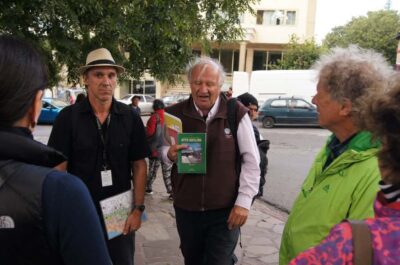

Historical Guided Tour with Street Food & Drinks
Read our review →
Recoleta Cemetery – Small Group Tour of History & Secrets
Read our review →
Browse the lists this tour appears in