
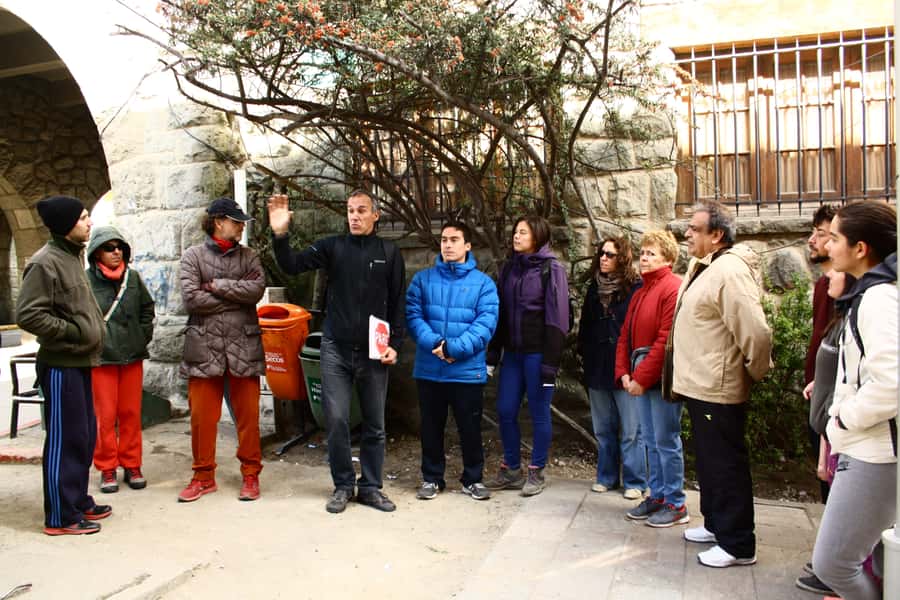
Reviewed · HISTORICAL TOURS
Indigenous People of Patagonia History Tour
Bariloche’s past is more than ski slopes. This 90-minute walk connects the city’s Indigenous heritage with the Museum of Patagonia, the Cathedral of Our Lady of Nahuel Huapi, and the broad glacial valleys seen from the lakeshore. I especially like the central downtown route and the chance to use your museum ticket again later that day. The main consideration is pace: fitting the museum, cathedral, and lake into an hour and a half means you will get an introduction rather than a slow, detailed museum visit.
I also like that the tour puts the original inhabitants of Patagonia at the center of the story, instead of treating Bariloche as a purely European-style resort town. Guides such as Diego have been praised for explaining Native Patagonian culture clearly and covering a lot in a short time. Bring comfortable shoes, and remember that the museum asks for an optional $2 contribution.
In This Review
- Key points at a glance
- Starting at the Civic Center in Bariloche
- What the Museum of Patagonia adds
- Understanding Indigenous Patagonia in a short tour
- The Cathedral of Our Lady of Nahuel Huapi
- Ending beside Nahuel Huapi Lake
- Is $41 a fair price?
- Who will enjoy this Bariloche walk?
- My verdict: book it for context, not just scenery
- FAQ
- How long does the Indigenous People of Patagonia History Tour last?
- Where does the tour meet?
- What languages are available?
- What is included in the tour price?
- Is museum entry included?
- What should I bring?
- Can I cancel or pay later?
Key points at a glance
- The tour begins at Bariloche’s Civic Center, making it easy to combine with other downtown plans.
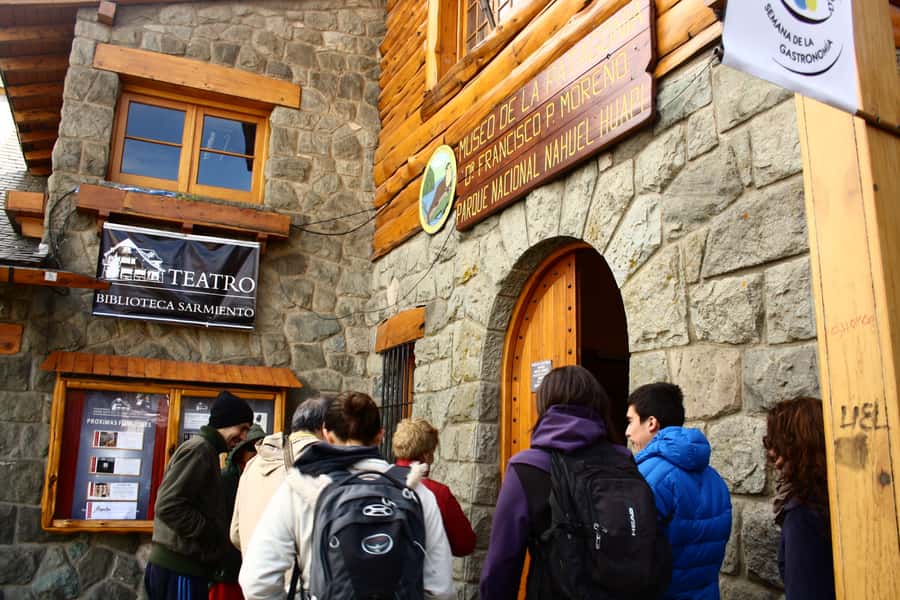
- The Museum of Patagonia adds context, with natural history displays, fossils, tools, and implements.
- Diego is a strong guide choice when available, praised for clear, thorough explanations of Indigenous history.
- The cathedral stop is visual rather than lengthy, with stained glass, gardens, and a Via Crucis.
- The walk ends beside Nahuel Huapi Lake, where glacial valleys provide the final view.
- The $41 price covers a live 90-minute guided walk, while museum entry includes an optional $2 contribution.
Starting at the Civic Center in Bariloche
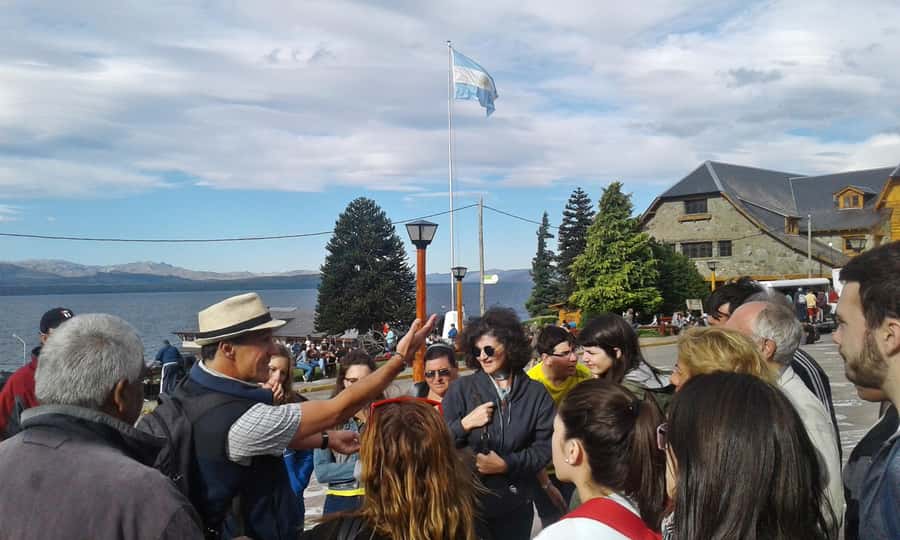
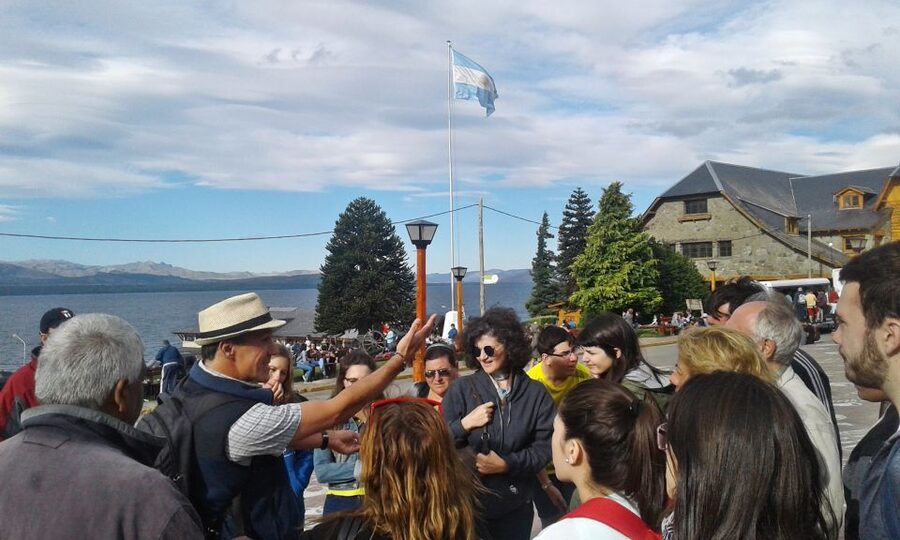
You meet by the door of the tourist information office on Centro Civico Square. This is a practical starting point because the Civic Center is one of Bariloche’s best-known central areas, and you can easily find the meeting place without arranging transport across town.
The tour begins on foot, so plan for a steady walk rather than a sit-down history lesson. The route links several important places in the center, and the guide provides the thread between them. That connection matters. On your own, you might see a museum, church, and lakeshore as separate stops. Here, they form a short introduction to how Bariloche developed and how Indigenous people fit into the region’s story.
English and Spanish tours are available. If you want the clearest explanation of the cultural material, listen closely from the start. The reviews praise Diego in particular for being thorough, kind, and able to explain a lot of history in limited time.
The meeting point is outdoors in a public square, so arrive with enough time to identify the tourist information office. The supplied details do not specify group size, so I would not assume an intimate private walk. The guide is official, but the experience remains a city walking tour, not a private museum consultation.
More Historical Tours in Bariloche:
- Bariloche: German Immigration and History Walking Tour
★ 4.8 · 169 reviews - Maria Fumaça – Wines and History
★ 4.0 · 242 reviews - Nazis in Buenos Aires: a historical walking tour
★ 4.9 · 193 reviews
What the Museum of Patagonia adds
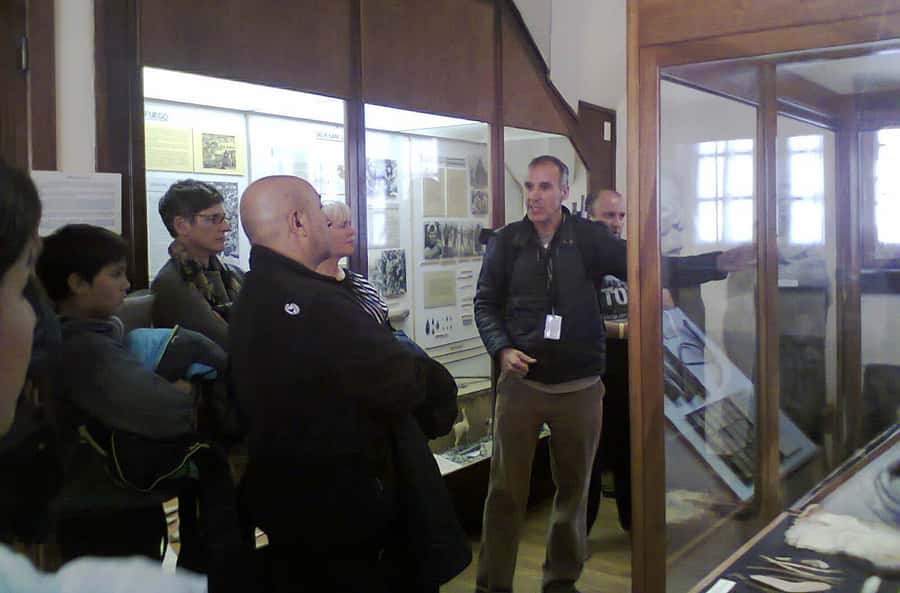
The Museum of Patagonia is in the Civic Center. It was established in 1940 by the national government to promote Bariloche, which was then a remote ski resort town. That background gives the museum two useful roles: it presents the area’s natural history, and it helps explain the people and cultures connected to Patagonia before and alongside the town’s modern development.
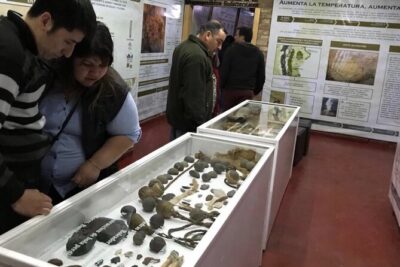
You visit the main sections rather than attempting to study every display. Expect the guide to use the museum as a place to explain the region’s original inhabitants, then point out objects that help make those explanations concrete. Fossils show the area’s long natural story. Tools and implements offer a more direct link to daily life and human skill.
I like this part of the tour because it keeps the Indigenous story connected to the land itself. Patagonia is not presented only as a scenic backdrop. The museum’s natural history displays help you understand that human life here developed within a particular environment, with its own resources and challenges.
The limitation is time. Ninety minutes must also cover the cathedral and the lake, so you will not have unlimited time to read every label. The good news is that your entry ticket allows you to return later that day and examine the collection at your own pace. That makes the museum more useful than a quick pass-through. You can follow the guide during the walk, then return when you have more attention for the fossils, tools, and other objects.
There is an optional $2 contribution to enter the museum. The tour price is $41 per person, but this small museum payment is not included. It is worth carrying a little cash or being prepared for the contribution at the entrance, though the supplied information does not specify payment methods.
Understanding Indigenous Patagonia in a short tour
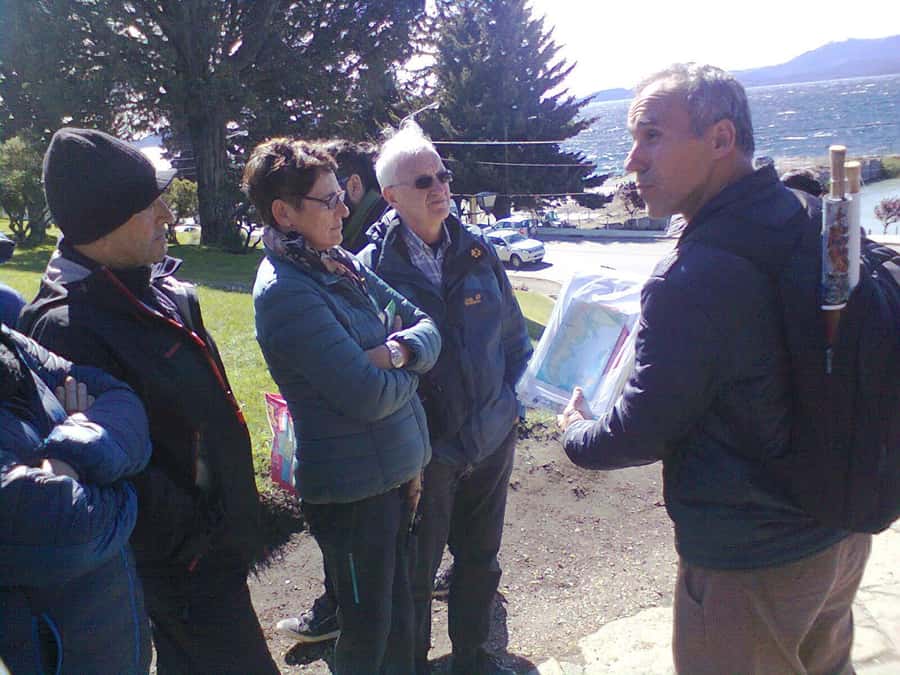
The main subject is the history of Patagonia’s Indigenous people. That sounds broad, and it is. You should expect a focused introduction rather than an exhaustive account of every community, period, and political change in the region.
Still, the format has real value. A guide can explain what you are seeing in plain language and point out why a tool, fossil, or museum section matters. The strongest feedback centers on the guide’s ability to cover Native Patagonian history thoroughly in a short period. That is exactly what you need if you have just arrived in Bariloche and want an orientation before exploring more of the Lake District.
I would pay attention to names, dates, and cultural details that interest you, then ask the guide a direct question. A 90-minute route moves quickly, so you may get more from the experience by choosing one or two themes to follow instead of trying to remember everything.
The tour also helps correct an easy mistake in Bariloche. You can arrive thinking mainly about mountains, skiing, chocolate, and lake views. Those are part of the modern city’s appeal, but they do not tell the whole story. This walk gives the original inhabitants a clear place in your understanding of the area.
At the same time, I would not book this as your only source on Indigenous Patagonia. The tour is short, and the museum visit covers only its main sections during the walk. It works best as a solid first look, especially if you plan to return to the museum afterward.
The Cathedral of Our Lady of Nahuel Huapi
From the museum, the route continues to the Cathedral of Our Lady of Nahuel Huapi. The cathedral is surrounded by gardens, which provide a pleasant change from the Civic Center and museum displays.
The key interior details are the stained glass windows and the Via Crucis. This stop gives the walk a different tone. After hearing about natural history and Indigenous communities, you move into a place shaped by Catholic tradition and later cultural influences in Bariloche.
I like the contrast between the cathedral and the museum. The tour is not confined to one type of history. It shows you how the city’s identity has been built from different layers, while keeping the walk grounded in actual places rather than abstract commentary.
Do not expect a long religious tour unless the guide’s timing allows it. The official description highlights the stained glass and Via Crucis, so those are the details to look for. If you want an extensive architectural study, this may feel brief. If you want a well-chosen downtown stop with attractive details, it earns its place on the route.
The gardens also give you a short visual pause before the final walk toward the lake. Wear shoes that feel good on city streets and paths. Comfortable footwear is the only item specifically recommended, and it is sensible advice for a route that includes several stops on foot.
A completely different sort of day in Bariloche:
- Bariloche: 7 Lakes & San Martin de Los Andes Road Trip
★ 4.5 · 624 reviews - Bariloche: Circuito Chico with optional Cerro Catedral
★ 4.5 · 316 reviews - San Martín de los Andes por 7 Lagos
★ 4.4 · 155 reviews - Circuito Chico
★ 4.5 · 146 reviews
Ending beside Nahuel Huapi Lake
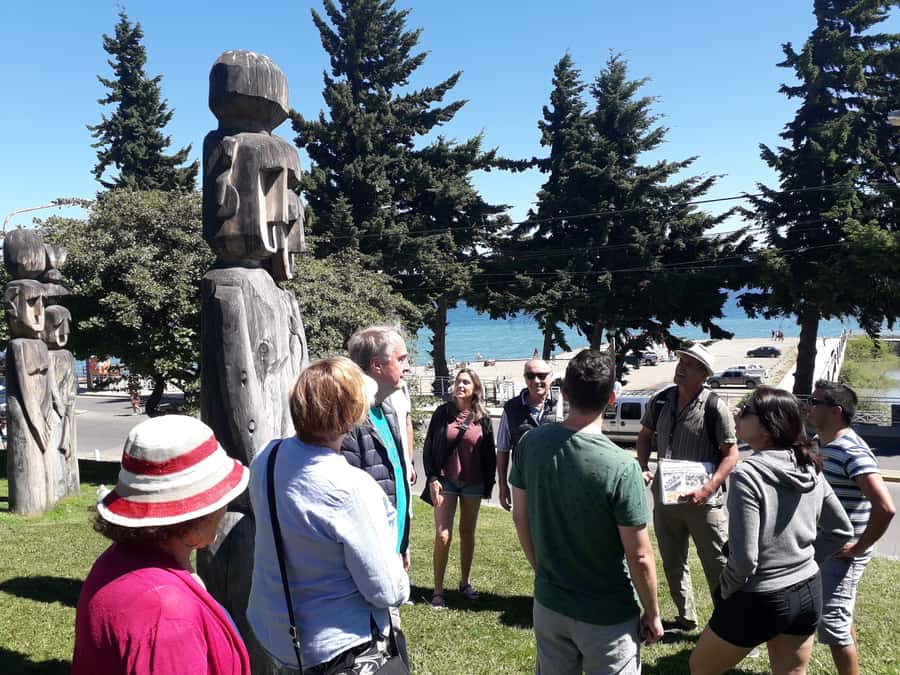
The tour finishes on the shore of Nahuel Huapi Lake. Here, you look across the water toward glacial valleys. This is the scenic payoff, but it also connects back to the museum’s natural history section and the wider story of Patagonia.
The view is not just a photo stop. After walking through downtown and hearing about the people who lived in the region, the lake gives you a sense of scale. The valley views show why Bariloche became known as a mountain and lake destination, while the tour’s earlier stops remind you that the setting has meaning beyond recreation.
Timing can affect this final moment. The tour lasts 90 minutes, but the supplied details do not give an exact time at the lake or promise particular weather conditions. I would treat the views as an important ending, not as a guaranteed long pause for photography. If the day is clear, you may want to stay by the shore afterward, but that extra time is separate from the guided walk.
The end point also makes the tour useful for planning the rest of your day. You finish with the lake in front of you rather than being returned by vehicle to the starting point. Since no transport is included or described, plan your next move from there.
Is $41 a fair price?
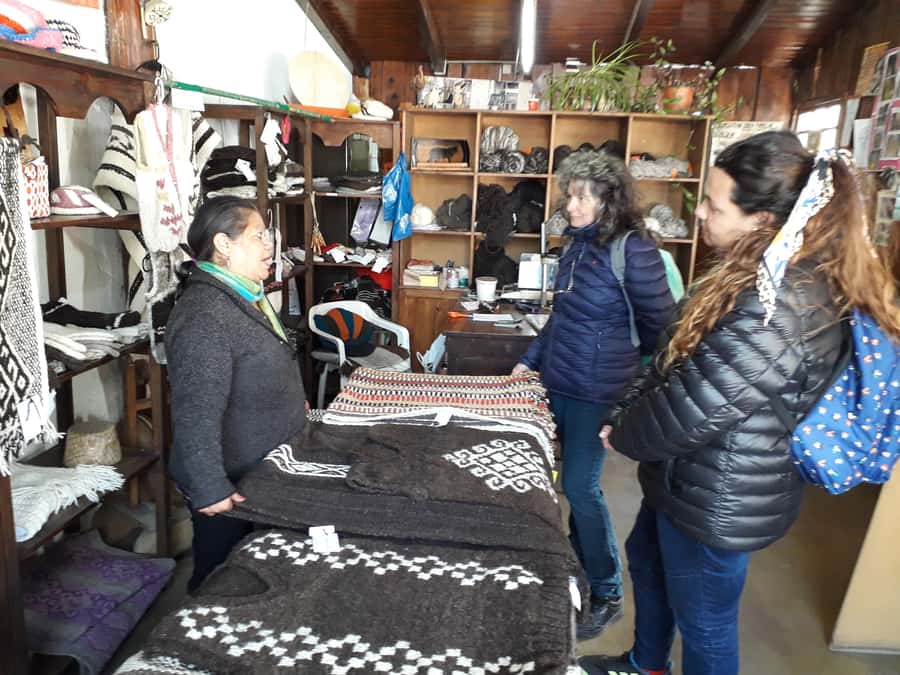
At $41 per person, this is not the cheapest way to walk around central Bariloche. You can visit public areas on your own for little or no cost. The reason to pay is the guide’s interpretation, the organized route, and the museum access included in the experience.
The value is strongest if you want a quick cultural introduction and prefer someone else to connect the stops. The guide helps you understand why the Museum of Patagonia matters, what to look for among the tools and fossils, and how the cathedral and lake fit into the city’s story.
The museum’s optional $2 contribution is minor, but you should include it in your mental budget. The $41 fee does not cover every possible cost, even though the official guide and 1.5-hour walking tour are included.
I see this as a reasonable first-day purchase for someone staying in Bariloche who wants an orientation without committing to a half-day outing. It is less appealing if you already know the city well, plan to spend a long independent visit at the museum, or want a tour devoted only to Indigenous history. The experience touches several subjects and places, which is useful for breadth but limits the time available at each one.
Who will enjoy this Bariloche walk?
I would recommend it to you if you want:
- A short introduction to Bariloche’s past
- Context for Indigenous people and the region’s original inhabitants
- A guided visit to the main sections of the Museum of Patagonia
- A simple downtown route without arranged transport
- A mix of culture, religious art, and lake scenery
- A first orientation at the beginning of your stay
It is also a good fit if you like asking questions. The praise for Diego focuses on his explanations and the amount of information he can cover. A responsive guide can make a short tour feel far more useful than a route where you only follow a flag.
I would choose something else if you need a slow museum study, a highly specialized academic tour, or a long excursion into the surrounding region. This is a compact walking experience in central Bariloche. Its strength is the combination of several meaningful stops, not depth at one site.
Pets are not allowed. The tour is offered in English and Spanish, and you can cancel up to 24 hours before the start for a full refund. You can also reserve now and pay later, which helps if you are still adjusting your Bariloche schedule.
My verdict: book it for context, not just scenery
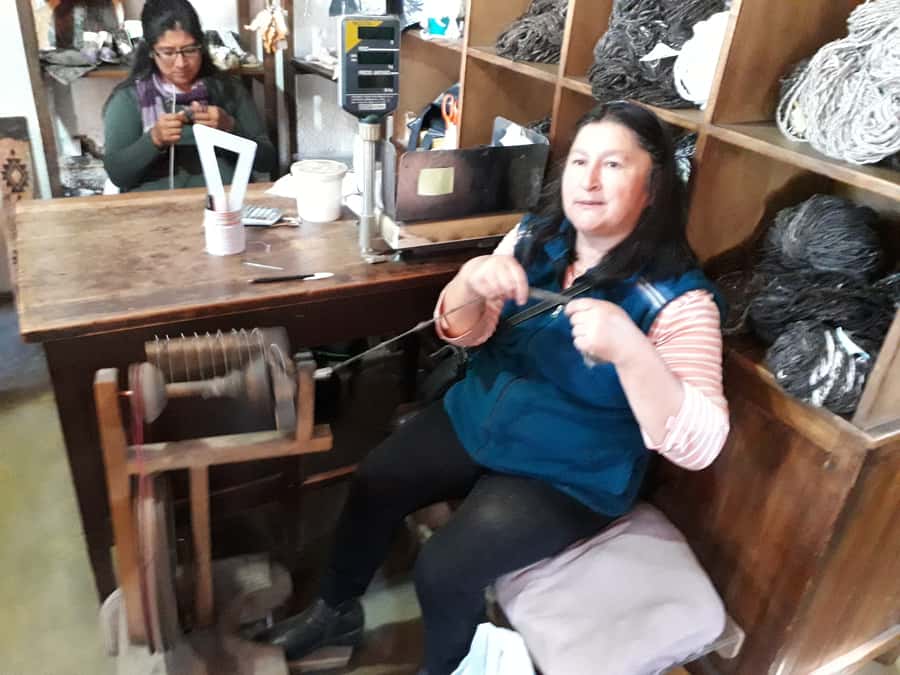
I recommend the Indigenous People of Patagonia History Tour if you want to understand Bariloche before heading farther into the Lake District. The best parts are the guide-led explanation of Native Patagonian history, the Museum of Patagonia’s useful objects and fossils, and the final view across Nahuel Huapi Lake.
Book it early in your stay if you can. You will have a chance to return to the museum later that day, and the walk can help you decide which downtown places deserve more of your time. Just keep your expectations in line with the 90-minute format: this is a lively introduction with several stops, not a full museum day or a detailed study of every Indigenous community in Patagonia.
FAQ
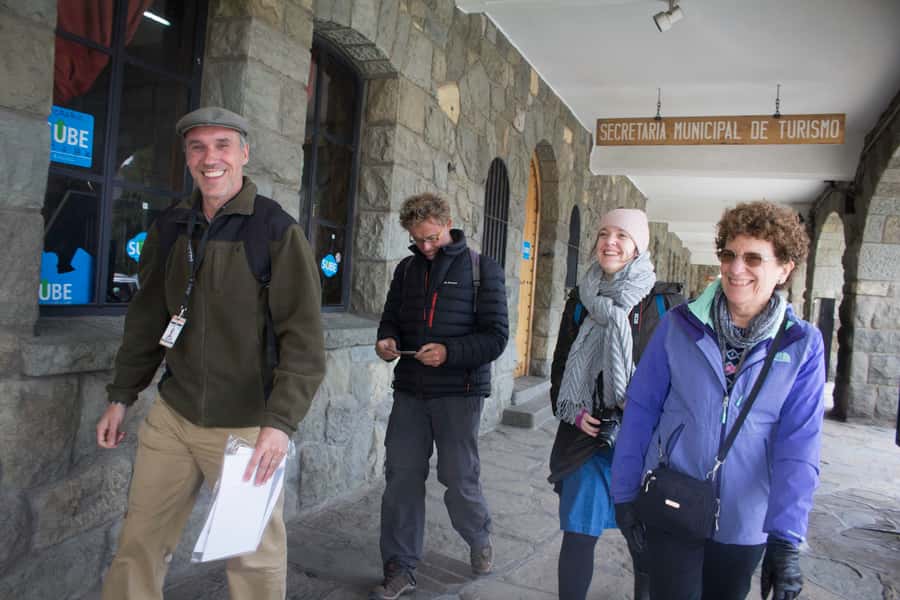
How long does the Indigenous People of Patagonia History Tour last?
The walking tour lasts 90 minutes, or 1.5 hours.
Where does the tour meet?
Meet by the door of the tourist information office at Centro Civico Square in Bariloche.
What languages are available?
The live tour guide speaks English and Spanish.
What is included in the tour price?
The price includes an official English and Spanish-speaking guide and the 1.5-hour historical walking tour.
Is museum entry included?
There is an optional $2 contribution to enter the Museum of Patagonia. Once inside, your entry ticket can be used to return later that day.
What should I bring?
Bring comfortable shoes because the experience is a walking tour through downtown Bariloche.
Can I cancel or pay later?
You can cancel up to 24 hours in advance for a full refund. You can also reserve your place and pay later, with nothing due at the time of booking.
Latest additions in Bariloche
- Bariloche: Sailing tour on Nahuel Huapi Lake★ 5.0 · 3 reviews
- Bariloche: Circuito Chico and Cerro Catedral★ 5.0 · 3 reviews
- Bariloche: Tour to Circuito Chico + Optional: Arrayanes★ 4.2 · 3 reviews
- Bariloche: Cerro Tronador and Ventisquero Negro Tour★ 4.3 · 4 reviews
- Bariloche: Puerto Blest and Cascada de los Cántaros (Waterfall of the Cantaros)★ 3.1 · 5 reviews
- Bariloche “Small Circuit” with Chairlift Campanario Hill★ 5.0 · 5 reviews
- Crossing to Puerto Blest and Cascada de los Cántaros★ 4.4 · 5 reviews
- Bariloche: Cerro Catedral guided tour★ 4.6 · 5 reviews
Historical Tours, compared.

Nazis in Buenos Aires: a historical walking tour
Read our review →

Historical Guided Tour with Street Food & Drinks
Read our review →
Recoleta Cemetery – Small Group Tour of History & Secrets
Read our review →
Browse the lists this tour appears in