
Reviewed · WORKSHOPS
Buenos Aires: Mate Workshop y Otras Yerbas
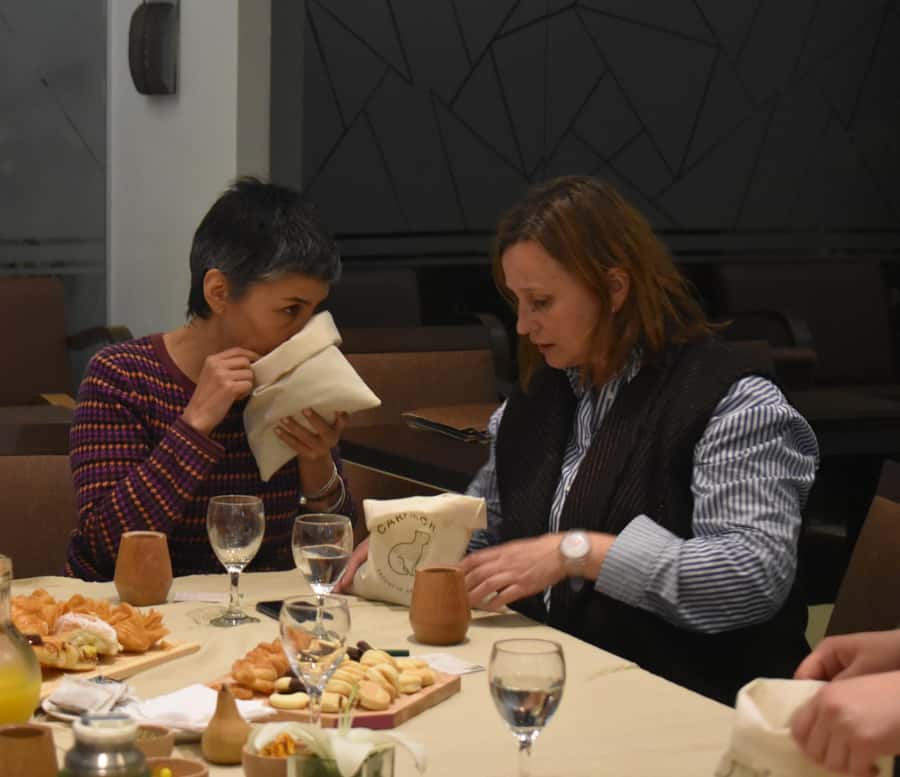
Mate is Argentina’s social glue. This one-hour workshop in Recoleta turns that daily ritual into an easy, welcoming lesson in mate culture, with hosts Vale and Juli explaining its origins, customs, myths, and place in family life. I like the personal focus, and I especially like that you taste four types of yerba rather than simply watching a demonstration.
I also like the generous food pairing: medialunas, biscochitos, and alfajores give you a proper Argentine snack alongside the mate. The main consideration is the short 60-minute format. You get a clear introduction and tasting, but not a long, slow cooking class or a broad tour of Buenos Aires.
In This Review
- Key points to know before you book
- Why mate is more than a warm drink
- Meeting Vale, Juli, and Julieta
- Four yerbas, four ways to notice the difference
- Preparing your own mate
- Medialunas, biscochitos, and alfajores
- A one-hour cultural stop in Recoleta
- What makes the $50 price worthwhile
- Who will enjoy this mate workshop most
- Booking flexibility and practical details
- Should you book Carpincha’s mate experience?
- FAQ
- Where does the mate workshop take place?
- How long does the activity last?
- How much does the experience cost?
- What languages are available?
- Is transportation to the meeting place included?
- How many types of yerba mate will I taste?
- Do I get to prepare mate myself?
- What food is included?
- Is the activity wheelchair accessible?
- Can I cancel for a refund?
Key points to know before you book
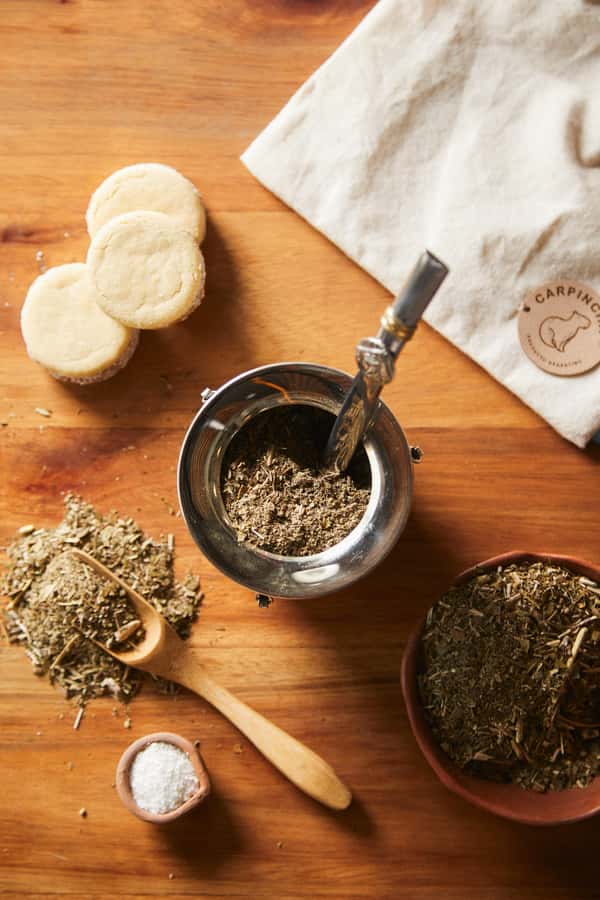
- Four yerba mate varieties: Compare different types of yerba and learn about cultivation, production, flavor combinations, and preparation.
- A mate for each person: You can use your own mate during the meeting and practice brewing it yourself.
- Hosts with a personal approach: Vale and Juli present mate as a family ritual, sharing anecdotes, myths, and stories connected to Argentine life.
- Traditional sweets included: Medialunas, biscochitos, and alfajores make the tasting feel like a visit to an Argentine home.
- Central Recoleta setting: The meeting takes place in Recoleta, with no transportation included.
- One-hour commitment: The compact format works well between sightseeing stops, but you will need to stay focused to take in all the information.
Why mate is more than a warm drink
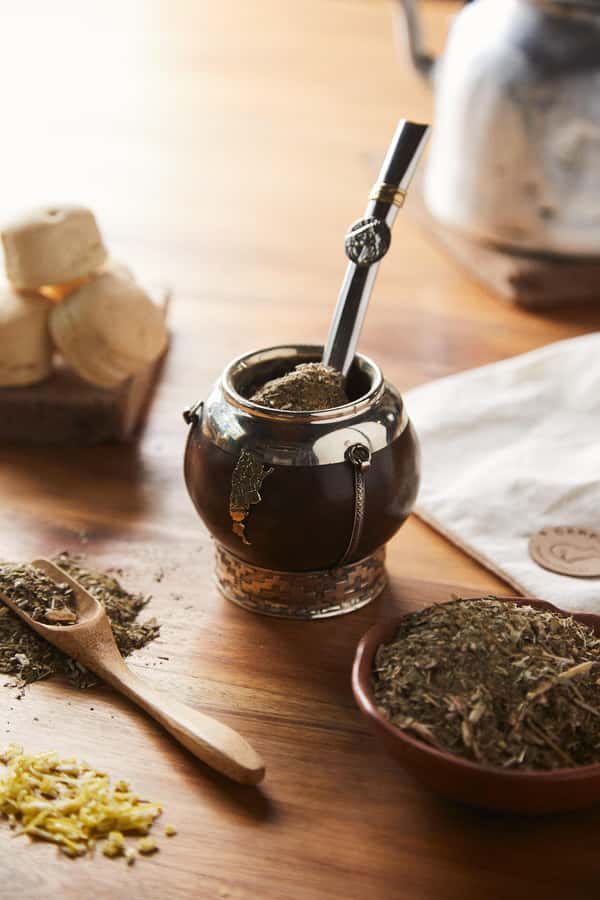
If you know little about mate, start with the basic idea: it is not treated like an ordinary cup of tea in Argentina. Mate is prepared in a small vessel, traditionally called a mate, and sipped through a metal straw called a bombilla. The sharing ritual matters as much as the drink itself.
This workshop presents mate as a symbol of Argentine identity. You will hear about its origins, cultivation, production, and place in ordinary social life. The hosts also explain the customs and small rules that can seem mysterious when you first see people sharing mate in Argentina.
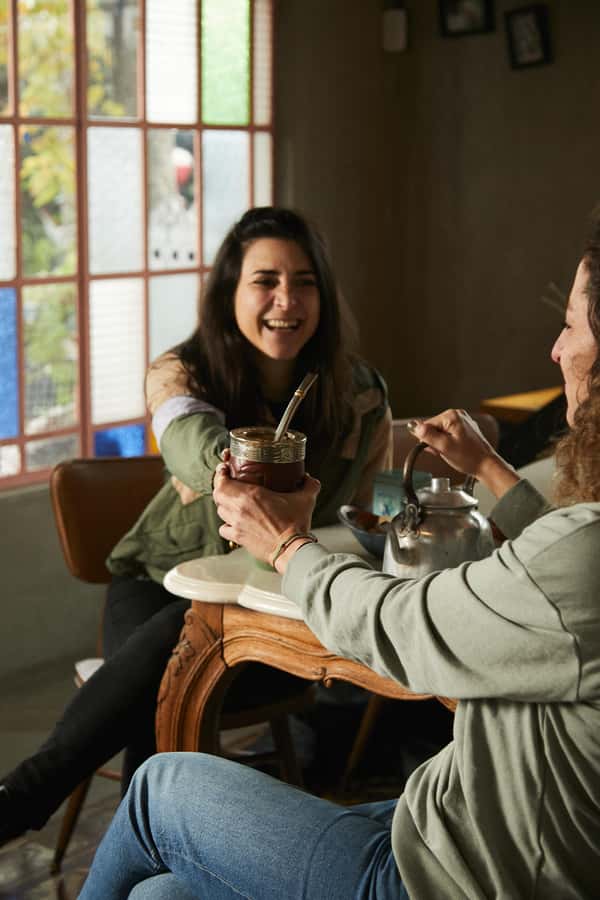
That context is the real value of the session. You are not simply learning how to steep an herb. You are learning why an offer of mate can function as a greeting, a welcome, and an invitation to sit and talk. The description of an Argentine arrival captures the custom neatly: first comes hello, then comes the offer of some mates.
I appreciate that the subject is handled through stories and family anecdotes rather than through a dry list of dates. One of the strongest points in the feedback is the hosts’ ability to answer questions clearly, so you can ask about the details that puzzle you most.
Other days out in Buenos Aires that people book on the same trip:
- Buenos Aires Hop-On Hop-Off Bus, Free Walking Tours & Discounts
★ 4.5 · 2,218 reviews - Buenos Aires: Piazzolla Tango Show with Optional Dinner
★ 4.4 · 2,122 reviews - Buenos Aires: City Highlights Guided Tour with Transfer
★ 4.7 · 1,946 reviews
Meeting Vale, Juli, and Julieta
Carpincha is presented by Vale and Juli, who created the experience to share customs and rituals from Argentine life. The tone is intended to be poetic and intimate, more like being welcomed into a conversation than attending a formal lecture.
Julieta is also singled out for her warmth and empathy in the feedback. That gives you a useful clue about the character of the workshop. The best part is not just the information. It is the friendly exchange around the table, with room for questions and personal stories.
The hosts’ enthusiasm has been one of the most praised parts of the experience. That matters here because mate can seem complicated at first. There are unfamiliar tools, preparation habits, flavor differences, and social customs. A patient explanation makes the ritual easier to understand and less intimidating to try.
You should expect instruction in English or Spanish. Some material is presented in its original language, so English speakers may encounter a few native terms and expressions. That is not a problem for most people, but it is worth knowing if you want every part of the discussion to be in English.
Four yerbas, four ways to notice the difference
The tasting is the practical center of the workshop. You will try four types of yerba mate and learn about differences in variety, cultivation, and production. The exact brands and flavor profiles are not specified, so do not book this expecting a fixed menu of named products.
Instead, think of the tasting as a guided comparison. You can pay attention to how the herbs differ and ask about the qualities you notice. The session also covers possible herbs and flavor combinations, which helps you understand that mate is not limited to one standard preparation.
This tasting is useful because a first-time drinker may otherwise assume that all mate tastes the same. Comparing several types side by side gives you a better starting point. It also helps you understand why locals may have strong preferences about their favorite yerba.
The quality of the herbs has been praised, which adds weight to the $50 price. You are not paying only for a drink. You are paying for the chance to compare several products, learn how they are made, and get guidance while tasting them.
Preparing your own mate
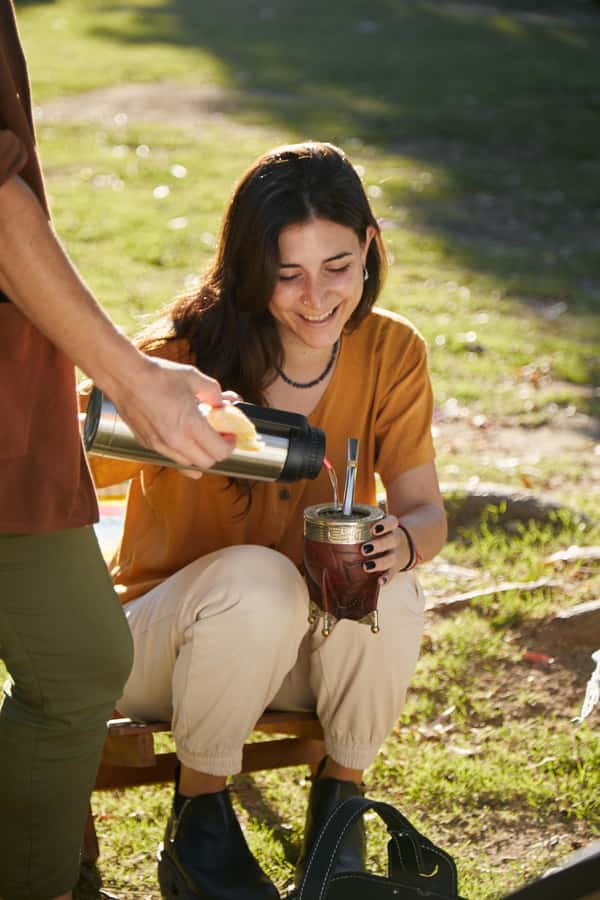
Each person receives a mate to use during the meeting. This hands-on part is important. Watching someone else prepare mate can leave you with the general idea, but practicing the process gives you a better chance of remembering it later.
The workshop teaches you how to brew your own mate and includes tips for making a good one. Since the session lasts only an hour, the instruction is likely to stay focused on the basic method and useful habits rather than covering every possible variation.
That compact approach suits beginners. You get a chance to handle the vessel, try the yerba, and understand the preparation without committing half a day to the subject. If you already know mate well, you may find the basic lesson familiar, though the four-way tasting and cultural stories can still add interest.
I would approach the preparation as a chance to ask practical questions. You can use the session to clear up points that are hard to learn from a written guide, such as how different herbs affect the drink or how flavor combinations change the experience. The hosts’ clear answers are a strong reason to speak up rather than simply listen.
A completely different sort of day in Buenos Aires:
- Buenos Aires: Hop-On Hop-Off City Bus Tour
★ 4.2 · 1,855 reviews - Buenos Aires Hop-On Hop-Off Bus and Exclusive Benefits
★ 4.4 · 1,714 reviews - Buenos Aires: La Boca Guided Walking Tour in English
★ 4.8 · 1,587 reviews - Buenos Aires: La Recoleta Cemetery Guided Tour in English
★ 4.8 · 1,359 reviews
Medialunas, biscochitos, and alfajores
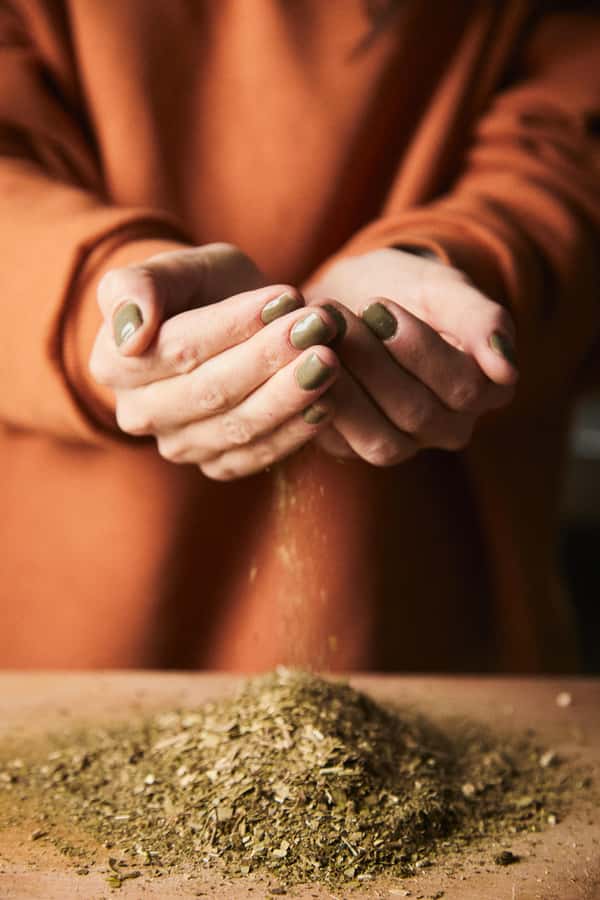
The food is more than a decorative extra. Mate is usually connected to conversation and something sweet to nibble, so the pastries help recreate the social setting the workshop is explaining.
You will be served typical Argentine treats, including medialunas, biscochitos, and alfajores. Medialunas are Argentine-style crescent pastries. Biscochitos are small biscuits, while alfajores are filled cookies that are closely associated with Argentine snack culture.
The pastries were praised for both taste and authenticity. They also make the tasting more comfortable for anyone who finds strong yerba mate flavors unfamiliar. A small sweet bite can change how you notice the drink, and the food gives the session a more complete rhythm.
Do not expect a full meal. The included snacks are meant to accompany the mateada, the shared mate session. If you are hungry, eat beforehand. The supplied information promises sweet pastries, not lunch or dinner.
A one-hour cultural stop in Recoleta
The meeting takes place in the Recoleta area of Buenos Aires Province, and the activity lasts 60 minutes. That makes it easy to fit into a day of city sightseeing, especially if you want one cultural activity that does not require a major time commitment.
Transportation to the meeting place is not included. You will need to arrange your own way to Recoleta, so check the exact meeting details when booking and allow enough time to arrive. The activity information confirms the neighborhood but does not provide a full transport plan.
The short duration is both a strength and a limitation. I like the fact that you can learn the basics without sacrificing an entire afternoon. On the other hand, the workshop cannot spend a long time on every aspect of mate cultivation, production, folklore, and technique.
Think of it as a focused introduction rather than a complete course. You will leave with a stronger understanding of the ritual and some practical brewing experience. You should not expect an extended visit through growing regions or a detailed tour of a yerba factory, since neither is part of the stated program.
The meeting is wheelchair accessible, which makes the format more approachable for people who need an accessible activity. The restrictions are simple: weapons or sharp objects, alcohol, and drugs are not allowed.
What makes the $50 price worthwhile
At $50 per person, this is not the cheapest way to taste a drink in Buenos Aires. The price makes more sense when you count the parts included: a one-hour masterclass, four yerba tastings, a mate for each person to use, brewing instruction, cultural storytelling, and traditional pastries.
The strongest value comes from the combination of information and participation. You are not just handed a cup and given a quick explanation. You taste several types, use your own mate during the session, and hear about the customs that give the drink its meaning.
The pastries also help. If you bought a drink and a snack separately, you would still miss the direct instruction and the chance to compare four yerbas with a host guiding the discussion. For someone curious about Argentine culture, that makes the workshop easier to justify.
The value is weaker if you already know how to prepare mate and have spent time learning about its history. In that case, the cultural stories and tasting may still appeal, but you may not need the beginner instruction. The price is best suited to first-time visitors, food lovers, and anyone who prefers a personal cultural activity over a large sightseeing tour.
Who will enjoy this mate workshop most
I would recommend this experience to you if you want a close look at an everyday Argentine ritual. It is particularly suitable if you are curious about food traditions, enjoy guided tastings, or want an activity that gives context to things you may see around Buenos Aires.
It also works well for people who like conversation. The session is built around sharing, questions, anecdotes, and snacks. The hosts’ warm presentation is a major part of the appeal, so this is not the right choice if you want a silent tasting or a fast photo stop.
Families and mixed-age groups may appreciate the simple format, though the supplied information does not state a minimum age. If you are booking with children, confirm any age details before paying.
English and Spanish are available, which opens the activity to a wider range of visitors. Still, some material is shown in its original language. If you need fully translated instruction, check the language arrangements in advance.
Booking flexibility and practical details
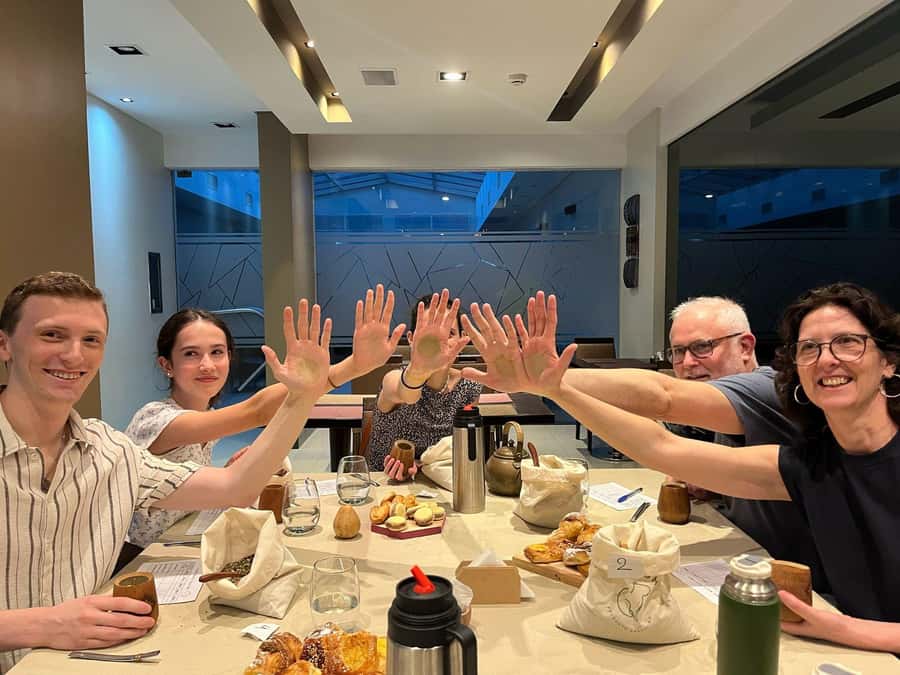
You can reserve now and pay later, which helps if your Buenos Aires schedule is still taking shape. Free cancellation is available up to 24 hours before the activity for a full refund.
Starting times vary, so check availability before booking. Since the activity lasts exactly one hour and transportation is not included, plan your arrival and your next stop with care.
The current rating is 5 out of 5 from three verified bookings. The most repeated strengths are clear explanations, high-quality herbs, delicious pastries, and a warm, personal atmosphere. That is a small sample, so I would treat it as encouraging rather than a guarantee of every future session.
Should you book Carpincha’s mate experience?
Book it if you want to understand why mate matters to Argentines, not just taste a new drink. The combination of four yerbas, hands-on preparation, pastries, and personal stories gives you a useful cultural lesson in a manageable one-hour format.
Skip it if you are looking for a long food tour, a factory visit, or a full afternoon activity. For most first-time visitors, though, the $50 cost is reasonable because it includes both instruction and tasting, with the added pleasure of sitting down over alfajores and a shared Argentine ritual.
FAQ
Where does the mate workshop take place?
The meetings take place in the Recoleta area of Buenos Aires Province, Argentina.
How long does the activity last?
The workshop lasts 60 minutes, or one hour.
How much does the experience cost?
The price is $50 per person.
What languages are available?
The instructors speak English and Spanish. Some content is shown in its original language.
Is transportation to the meeting place included?
No. Transportation to the meeting place is not included.
How many types of yerba mate will I taste?
You will taste four types of yerba mate and learn about variety, production, and cultivation.
Do I get to prepare mate myself?
Yes. Each person receives one mate to use during the meeting and learns how to brew their own mate.
What food is included?
The experience includes typical Argentine sweet pastries, including medialunas, biscochitos, and alfajores.
Is the activity wheelchair accessible?
Yes. The activity is wheelchair accessible.
Can I cancel for a refund?
Yes. You can cancel up to 24 hours in advance for a full refund. You can also reserve now and pay later.
Latest additions in Buenos Aires
- Buenos Aires: 7 Hour Small Group “BA 101” Walk★ 5.0 · 3 reviews
- Unique Tigre and Delta Private Day Cruise Navegation★ 5.0 · 3 reviews
- Buenos Aires: Customizable City Tour in Polish★ 4.7 · 3 reviews
- Buenos Aires After Dark: A City Lights & Sunset Experience★ 5.0 · 3 reviews
- Tango Show at El Querandi with optional Dinner★ 4.2 · 3 reviews
- Velez Sarsfield Football Match★ 5.0 · 3 reviews
- Caminito, La Boca: vibrant neighborhood★ 5.0 · 3 reviews
- Café de los Angelitos – Traditional Night in Buenos Aires★ 4.8 · 3 reviews
Workshops, compared.
3h Cooking Class in Mendoza with 7 Recipes & Bottomless Drinks
Read our review →
Tango Porteño Show with Optional Dinner and Tango Lesson
Read our review →
Spanish Group Course in Buenos Aires, Argentina: 20 Lessons
Read our review →
Browse the lists this tour appears in