Reviewed · BUENOS AIRES TOURS
Buenos Aires: Puerto Madero Tour For Small Groups
Buenos Aires changes character at the docks. This three-and-a-half-hour walk pairs Puerto Madero’s polished waterfront with old port warehouses, naval history, tango architecture, and an ecological reserve. I especially like the sharp contrast between the brick warehouses and the city’s tallest modern towers, plus the chance to reach a quieter side of Buenos Aires without leaving the center.
I also like that the tour goes beyond the usual bridge photo. You’ll see the Sarmiento frigate, the Women’s Bridge, the Nereids Fountain, and Museo de la Cárcova, while guide Miguel adds local context in Spanish. The main consideration is the long walk: comfortable shoes, water, a hat, and sunscreen are essential, and the reserve may feel tiring in hot weather.
In This Review
- Key points to know before you book
- Why Puerto Madero works so well for a walking tour
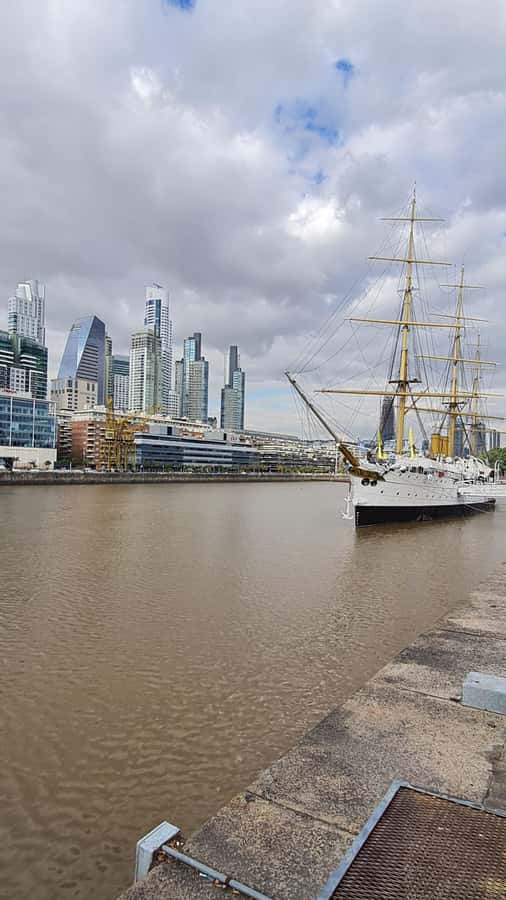
- Starting beside the Sarmiento frigate
- The Women’s Bridge and Buenos Aires’ modern face
- Old warehouses, restaurants, UCA, and dock machinery
- The ecological reserve: 1.5 hours beside the city
- Lola Mora’s Nereids Fountain
- Finishing at Museo de la Cárcova
- What the $20 price really gets you
- Who should book this walk
- Practical advice for a smoother walk
- Should you book the Puerto Madero tour?
- FAQ
- How long does the Puerto Madero tour last?
- What language is the tour conducted in?
- Where does the tour begin?
- Where does the tour finish?
- Does the tour include entry to the Sarmiento frigate?
- How much does the tour cost?
- What should I bring?
- Is the tour suitable for children?
- Is the tour accessible for wheelchair users?
Key points to know before you book
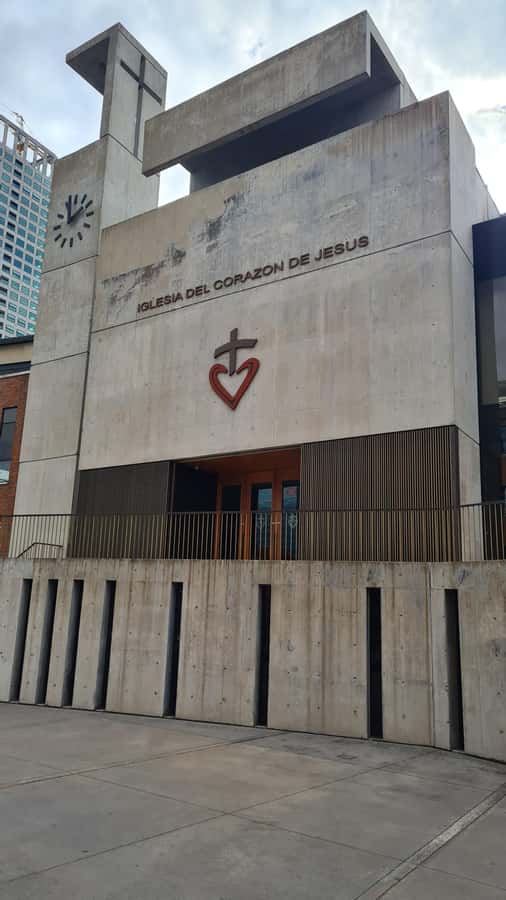
- Puerto Madero in one walk: See historic English-brick warehouses, old port machinery, restaurants, UCA, and modern towers in one compact district.
- The ecological reserve takes 1.5 hours: Expect a proper walk with city views, birdwatching, and the possibility of seeing other animal species.
- Miguel leads the tour in Spanish: His enthusiasm for Buenos Aires and Puerto Madero is a major part of the experience.
- The Sarmiento frigate is viewed from outside: You pass the former Argentine Navy training ship, but entry to the museum is not planned.
- The tour ends at Museo de la Cárcova: The final stop is a plaster cast museum, giving the walk an art-focused finish.
- This is not a casual stroll: The tour lasts 210 minutes, includes only a short restroom pause, and is not suitable for children under 10 or wheelchair users.
Why Puerto Madero works so well for a walking tour
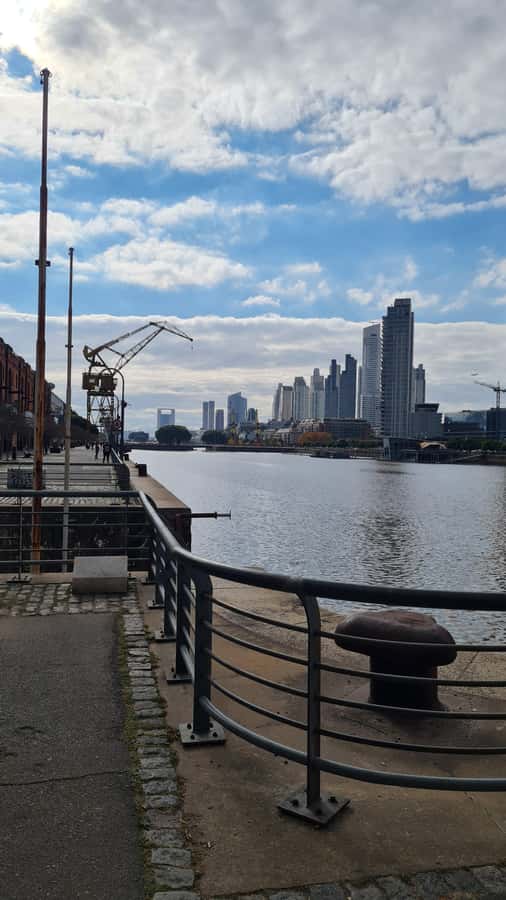
Puerto Madero is one of Buenos Aires’ most striking districts because its parts do not seem to belong to the same era. Along the water, old port warehouses built from English bricks give the area a solid, industrial feel. Across and above them, tall modern buildings bring glass, steel, and broad city views.
That contrast gives you more to look at than a standard waterfront promenade. You can study old machinery and dock buildings, then turn toward sleek towers and the graceful curve of the Women’s Bridge. The area also has excellent restaurants in the former warehouses, along with the prestigious Pontifical Catholic University of Argentina, known as UCA.
I like this setting for a guided walk because the details are easy to miss when you explore alone. A guide can connect the port’s working past with its present role as one of Buenos Aires’ most polished districts. Miguel is the named guide for this experience, and the available feedback describes him as someone who knows Puerto Madero well and speaks about the city with clear affection.
The tour is offered in Spanish only. That matters. If you understand Spanish, you can get more from the explanations and informal discussions. If you do not, this is not the right choice unless you are comfortable following a Spanish-speaking guide for several hours.
Other days out in Buenos Aires that people book on the same trip:
- Buenos Aires Hop-On Hop-Off Bus, Free Walking Tours & Discounts
★ 4.5 · 2,218 reviews - Buenos Aires: Piazzolla Tango Show with Optional Dinner
★ 4.4 · 2,122 reviews - Buenos Aires: City Highlights Guided Tour with Transfer
★ 4.7 · 1,946 reviews
Starting beside the Sarmiento frigate
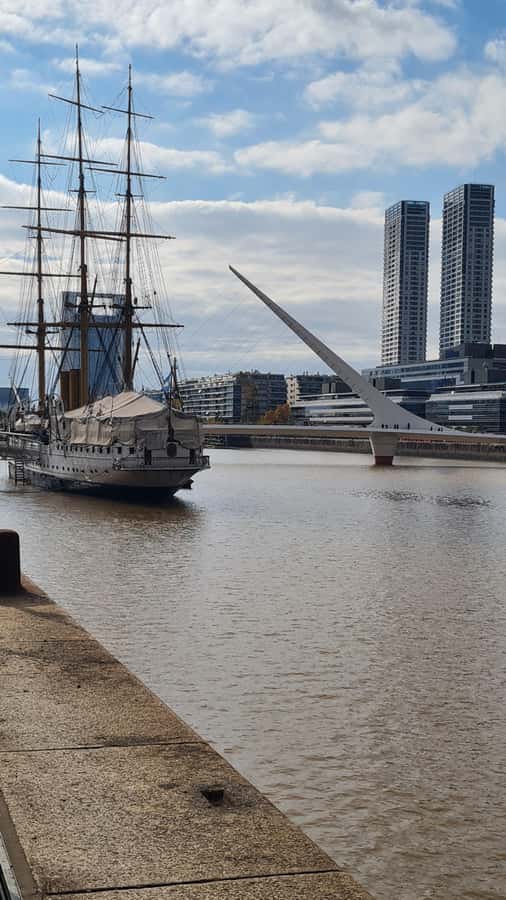
The meeting point is the Buque Museo Fragata A.R.A. Presidente Sarmiento. Miguel waits there at the beginning of the tour, so you start beside one of Puerto Madero’s most recognizable historic vessels.
The Sarmiento was once a training ship for generations of midshipmen in the Argentine Navy. Today, it serves as a museum. This tour does not plan to take you inside, so you should think of the ship as an outdoor introduction rather than a museum visit.
That limitation is worth knowing in advance. If your main interest is naval interiors, preserved cabins, or shipboard displays, you would need a separate visit. On this walk, the value comes from seeing the frigate in its waterfront setting and hearing how it fits into Argentine maritime history before moving on.
The opening stop is fairly brief, listed at about 10 minutes for guided viewing and sightseeing. That is enough for an introduction and some photographs, but not for a long examination of the ship.
The Women’s Bridge and Buenos Aires’ modern face
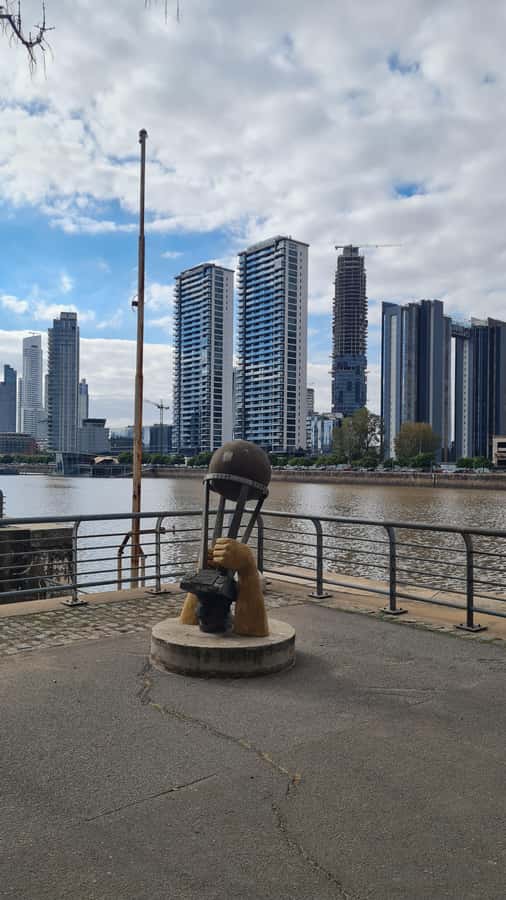
From the frigate, the walk continues toward Puente de la Mujer, or the Women’s Bridge. The bridge is one of Puerto Madero’s best-known symbols, with a design that represents a couple dancing tango.
This is a natural photo stop, but the guide can give it more meaning than a quick picture from the walkway. Tango is closely tied to Buenos Aires’ identity, and the bridge’s form turns that cultural connection into architecture. Its shape also looks different from various points around the dock, so take time to view it rather than photographing it only head-on.
The scheduled stop lasts around 20 minutes. That should give you time for photographs and an explanation of the bridge, though it is not a long architectural tour. You’ll also begin to see the district’s strongest visual contrast here: the bridge, old port structures, water, and tall buildings all share the same view.
I find this section useful early in the walk because it helps you get oriented. You are not simply looking at an isolated landmark. You are seeing how Buenos Aires has reused an old dock area while preserving visible reminders of its earlier purpose.
Old warehouses, restaurants, UCA, and dock machinery
The Puerto Madero section takes about 30 minutes and covers the wider dock area. Here, you can expect a guided look at the old port warehouses built with English bricks. Their design recalls the district’s working days, before the docks became a dining and leisure area.
Today, those warehouses house handsome restaurants. The tour does not appear to include a meal, so treat the restaurants as part of the setting, not as a promised food stop. If you want to return for dinner, this walk can help you identify the area and understand why the dockside buildings feel different from newer development nearby.
The group also passes the UCA campus. Its presence adds another layer to the neighborhood, placing a major educational institution inside a former port district. You will see how the old warehouses, university buildings, restaurants, and public walkways now share space.
Look for the old port machinery as well. Industrial details often say more about a former dock than a polished plaque does. The machinery helps you picture the work that once took place here, while the restaurants and wide promenades show how the district has changed.
This is one of the strongest parts of the tour for anyone who likes urban change and reused historic buildings. It is less suited to someone seeking a traditional old-town street pattern. Puerto Madero is planned, open, and relatively modern in its current form, even when the buildings are old.
A completely different sort of day in Buenos Aires:
- Buenos Aires: Hop-On Hop-Off City Bus Tour
★ 4.2 · 1,855 reviews - Buenos Aires Hop-On Hop-Off Bus and Exclusive Benefits
★ 4.4 · 1,714 reviews - Buenos Aires: La Boca Guided Walking Tour in English
★ 4.8 · 1,587 reviews - Buenos Aires: La Recoleta Cemetery Guided Tour in English
★ 4.8 · 1,359 reviews
The ecological reserve: 1.5 hours beside the city
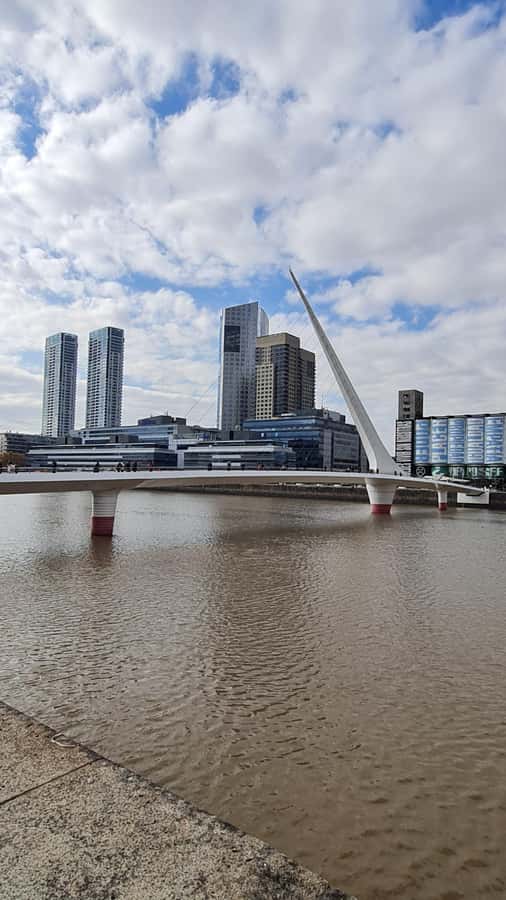
The largest part of the experience is the Reserva Ecológica, with about 1.5 hours set aside for walking, sightseeing, photographs, and explanations. This is where the tour shifts from port history to open space and nature.
The reserve offers views back toward the city, so you get a different picture of Buenos Aires from the one seen among the docks. Instead of looking up at towers from a paved waterfront, you look back across open ground toward the modern skyline. That viewpoint makes Puerto Madero’s transformation especially clear.
You’ll also have opportunities for birdwatching and may see other animal species. The information provided does not promise particular birds or animals, so keep expectations sensible. The reserve is a chance to observe wildlife, not a guaranteed animal-spotting excursion.
The 1.5-hour walk is both the tour’s greatest strength and its main physical demand. You need shoes that can handle sustained walking, plus water, sunscreen, and a hat. There is a planned 10-minute restroom pause during the tour, but do not expect frequent breaks.
I would choose this experience on a mild day if possible. The reserve portion is exposed enough that sun protection matters, and the length of the walk can feel demanding in warm conditions. Since wheelchair users cannot take this tour, you should also consider the walking surface and overall duration before booking.
For people who want only a quick look at Puerto Madero, the reserve may feel like too much. For you if you like combining city sights with birdwatching and open views, it is the part that makes this more than a standard architecture walk.
Lola Mora’s Nereids Fountain
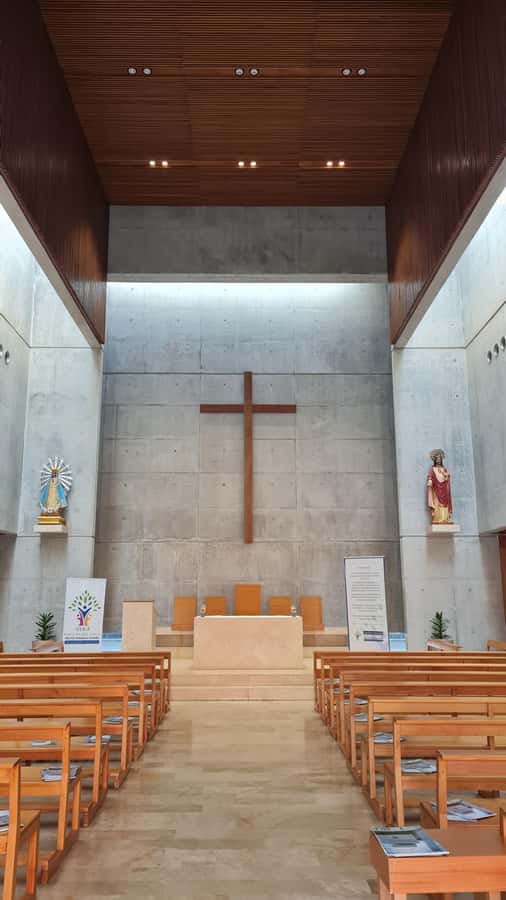
On the way out of the reserve, the tour stops at the Fuente de las Nereidas, created by Argentine sculptor Lola Mora. The stop is scheduled for around 10 minutes, enough for a guided introduction and photographs.
The fountain adds an artistic and distinctly Argentine note after the reserve’s natural setting. It also prevents the walk from ending with nothing but a long route back from the ecological area. Instead, you get a final public artwork tied to the country’s own artistic tradition.
Because this is a short stop, you should not expect a long museum-style lecture or an extended examination of every sculptural detail. Its role is to give you one more important sight before the final museum visit.
Finishing at Museo de la Cárcova
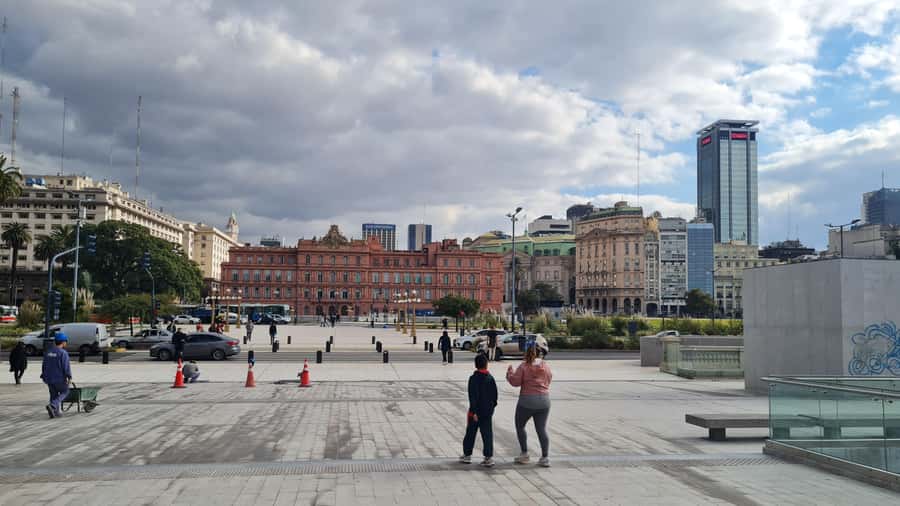
The tour ends at Museo de la Cárcova, described here as a plaster cast museum. You visit it with the guide for about 20 minutes.
That closing stop gives the walk a change of pace. After docks, bridges, city towers, and reserve paths, you finish with art. The museum is not simply an add-on at the end. It gives the route a clear range: maritime history at the frigate, industrial heritage at the docks, public design at the bridge and fountain, nature in the reserve, and sculpture at the museum.
The information available does not detail the museum’s individual works, so I would not book this tour expecting a full art-history visit. Twenty minutes is a short introduction. Still, it is a useful ending, especially if you appreciate seeing a less obvious Buenos Aires attraction rather than stopping only at the district’s most photographed landmarks.
Since the tour finishes here, take note of the ending point when planning the rest of your day. You start at the Sarmiento frigate and finish at Museo de la Cárcova, so the route is not described as a loop returning to the original meeting point.
What the $20 price really gets you
At $20 per person, this is a good-value guided walk if you want several major sights explained in one outing. You get 210 minutes with a live Spanish-speaking guide, a full pass through Puerto Madero, a substantial reserve visit, and stops at both public art and a museum.
The value is not in skip-the-line access or included food. Neither is offered. You are paying for the route, the interpretation, and the convenience of joining the sights into one coherent walk.
A self-guided visit to Puerto Madero would cost less if you already know the area and are happy to read about it yourself. But you would need to organize the order of the frigate, bridge, docks, reserve, fountain, and museum. You might also miss the historical links between the old port and the modern district.
At this price, the tour makes the most sense for someone who wants local explanation without a costly private excursion. The small-group format should also make it easier to hear the guide and ask questions, though the exact group size is not specified.
One timing point deserves attention. The experience is described as a three-hour guided walk, while the total duration is listed as 210 minutes. Plan for 3.5 hours, including the 10-minute restroom pause, rather than trying to squeeze another appointment immediately afterward.
Who should book this walk
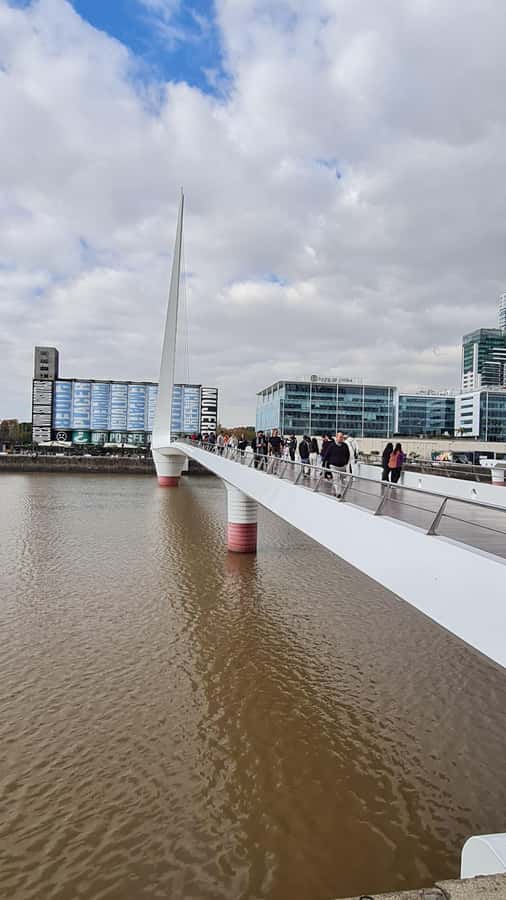
I would recommend it to you if you enjoy city history, architecture, public art, and nature in roughly equal measure. It works especially well if Puerto Madero is on your list but you want more than a short walk around the bridge and restaurants.
You should also be comfortable with a steady walking schedule. The reserve alone takes 1.5 hours, and the full route lasts 210 minutes. Bring water and wear practical shoes, even if you plan to dress up later for dinner.
This is best for adults and older children, since children under 10 are not accepted. It is not suitable for wheelchair users. The Spanish-only format makes language ability another important factor.
The tour may not suit you if you want to enter the Sarmiento frigate, spend a long time inside Museo de la Cárcova, or focus mainly on restaurants. The walk gives you an introduction to each area, rather than an in-depth visit at one attraction.
The strongest reason to choose it is Miguel’s personal style. The available comments describe his extensive understanding of Puerto Madero and his passion for Buenos Aires. That kind of guide can turn a simple route into a thoughtful conversation about how the city grew and changed.
Practical advice for a smoother walk
Wear comfortable shoes from the start. The route combines paved dock areas with a long reserve walk, and stylish but stiff footwear will not help you.
Bring a hat, sunscreen, and water. These are specifically recommended, and the ecological reserve is the section where you will notice their value most.
Keep the restroom pause in mind. A 10-minute break is included, but this is not a tour built around frequent stops. Use the facilities when the opportunity comes.
Allow the full 210 minutes. The named stops may look short on paper, but the reserve requires a substantial block of time, and a guided walk can move at a measured pace.
If you are hoping to visit the Sarmiento museum inside, make separate plans. This tour passes by the ship but does not include entry.
You can cancel up to 24 hours in advance for a full refund, and you can reserve now while paying later. Those terms are useful if your Buenos Aires schedule is still changing, but the key decision remains the walking distance and Spanish-language format.
Should you book the Puerto Madero tour?
Book it if you want an affordable, Spanish-language introduction to Puerto Madero that combines the old docks, the Women’s Bridge, the ecological reserve, Lola Mora’s fountain, and Museo de la Cárcova. The route has real variety, and Miguel’s enthusiasm appears to be one of its strongest features.
Skip it if you need wheelchair access, are traveling with a child under 10, want a short waterfront stroll, or require an English guide. For everyone else, $20 is a fair price for 210 minutes of guided sightseeing, especially when the reserve and its city views are included.
FAQ
How long does the Puerto Madero tour last?
The stated duration is 210 minutes, or 3.5 hours. The experience is also described as a three-hour guided walking tour and includes a 10-minute restroom pause.
What language is the tour conducted in?
The live tour guide speaks Spanish. Spanish is the only language specified for the experience.
Where does the tour begin?
The meeting point is at the Buque Museo Fragata A.R.A. Presidente Sarmiento. Guide Miguel waits there for the group.
Where does the tour finish?
The tour ends at Museo de la Cárcova.
Does the tour include entry to the Sarmiento frigate?
No. The route passes by and views the Sarmiento frigate, but entry to the museum is not planned.
How much does the tour cost?
The listed price is $20 per person.
What should I bring?
Bring comfortable shoes, a hat, sunscreen, and water. These items are particularly useful during the long walk through the ecological reserve.
Is the tour suitable for children?
Children under 10 are not permitted on this experience.
Is the tour accessible for wheelchair users?
No. The experience is listed as not suitable for wheelchair users.
Latest additions in Buenos Aires
- Buenos Aires: 7 Hour Small Group “BA 101” Walk★ 5.0 · 3 reviews
- Unique Tigre and Delta Private Day Cruise Navegation★ 5.0 · 3 reviews
- Buenos Aires: Customizable City Tour in Polish★ 4.7 · 3 reviews
- Buenos Aires After Dark: A City Lights & Sunset Experience★ 5.0 · 3 reviews
- Tango Show at El Querandi with optional Dinner★ 4.2 · 3 reviews
- Caminito, La Boca: vibrant neighborhood★ 5.0 · 3 reviews
- Velez Sarsfield Football Match★ 5.0 · 3 reviews
- Café de los Angelitos – Traditional Night in Buenos Aires★ 4.8 · 3 reviews
Buenos Aires Tours, compared.