Reviewed · BUENOS AIRES TOURS
Buenos Aires for curious people
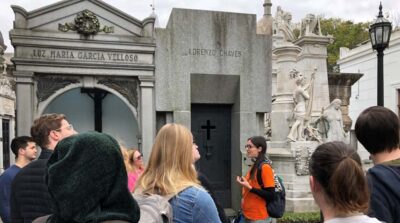
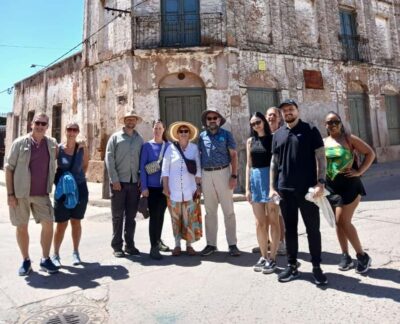
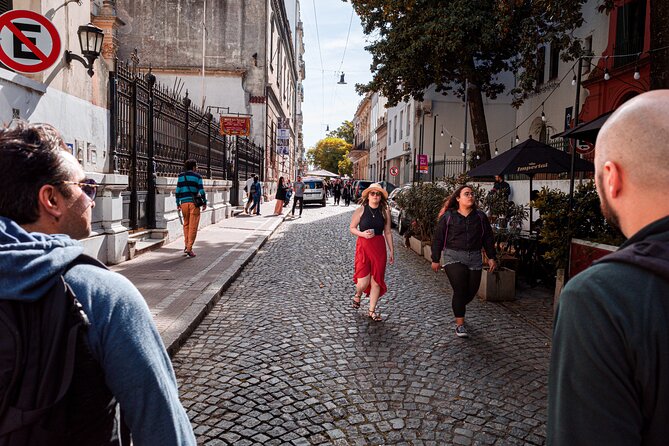
Buenos Aires rewards curious walkers. This small-group tour links San Telmo, political history, local life, and lesser-seen places in about two to three hours. I especially like the maximum group size of eight, which gives you room to ask questions, and the way the route moves beyond the usual postcard stops. The chance to learn from guides such as Nicolás, Nico, Ignacio, Sophia, and Santiago is another strong point, since their backgrounds bring local memories, history, architecture, and politics into the conversation. The main drawback is that this is a serious walking tour, and one stop covers a former detention and torture center, so the subject matter can be upsetting.
You pay $33 per person, which I consider a good price for a compact introduction to Buenos Aires. Still, this is not a quick photo tour. You need to enjoy walking, listening, and thinking. The pace and structure may feel less tidy if the group has different walking speeds or asks many questions, but that open format is also part of its appeal.
In This Review
- Key points at a glance
- Why this tour feels different from a standard city walk
- Beginning near Bar Britanico and Parque Lezama
- The Swedish church and Buenos Aires’ layered identity
- The Memory Walk and Argentina’s difficult recent past
- San Pedro González Telmo and the colonial church
- Plaza Dorrego, the social heart of San Telmo
- Mercado San Telmo and the immigrant story
- Crossing to Puente de la Mujer
- Finishing at Casa Rosada and Plaza de Mayo
- The guide makes or breaks this small group
- Price, pace, and who should book
- Should you book Buenos Aires for Curious People?
- FAQ
- How long does Buenos Aires for Curious People last?
- How many people can join the tour?
- Where does the tour start?
- Where does the tour end?
- Is admission to Casa Rosada included?
- Can I cancel for a full refund?
Key points at a glance
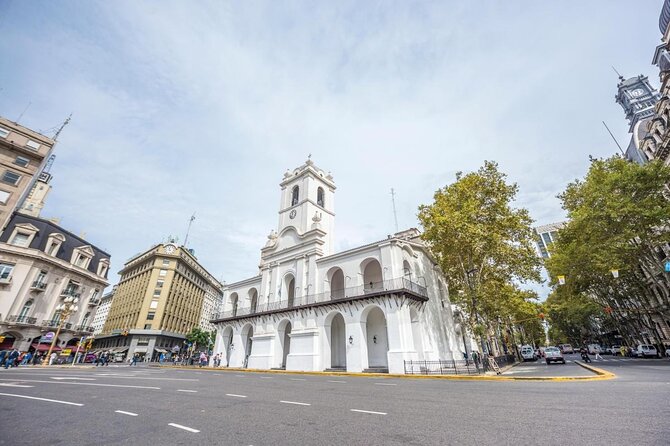
- A small group capped at eight: You get a much better chance to hear the guide and shape the conversation than on a large city bus tour.
- San Telmo with context: Parque Lezama, Plaza Dorrego, the parish church, and Mercado San Telmo form a clear route through one of Buenos Aires’ oldest areas.
- History beyond the standard sights: The Memory Walk introduces Argentina’s recent political trauma, while the Swedish church and old cafés add less expected details.
- Guides who teach, not just point: Nicolás and Nico have been praised for clear English, personal knowledge of Buenos Aires, and thoughtful answers about politics and society.
- A useful finish at Casa Rosada: The tour ends at the presidential office, making it easy to continue exploring Plaza de Mayo afterward.
- Good value at $33: For a focused history and culture walk with a very small group, the price is fair, especially if this is your first stay in Buenos Aires.
Why this tour feels different from a standard city walk
I like tours that explain how a city became what it is, rather than simply naming buildings. Buenos Aires for Curious People takes that approach. The route connects colonial religion, immigration, dictatorship, architecture, food, economics, and present-day politics.
That mix matters in Buenos Aires. A handsome square can carry several layers of meaning, and a café can reveal as much about local identity as a major monument. The guide’s job here is to connect those layers. Nicolás has been described as a history professor and museum employee, while Nico is a Buenos Aires local whose family has lived in the city for at least three generations. Ignacio is also praised for clear historical explanations and a calm, well-organized manner.
The individual guide may vary, but the style is consistent: expect questions, discussion, old photographs, maps, and explanations that go beyond a memorized script. The tour can cover food, social issues, economics, and the country’s political challenges as well as the buildings in front of you.
I would choose this walk early in a Buenos Aires visit. It can give you a working framework for the city, making later visits to museums, markets, and neighborhoods easier to understand. If you prefer a tour built around quick photographs and short facts, this may feel too academic.
Other days out in Buenos Aires that people book on the same trip:
- Buenos Aires Hop-On Hop-Off Bus, Free Walking Tours & Discounts
★ 4.5 · 2,218 reviews - Buenos Aires: Piazzolla Tango Show with Optional Dinner
★ 4.4 · 2,122 reviews - Buenos Aires: City Highlights Guided Tour with Transfer
★ 4.7 · 1,946 reviews
Beginning near Bar Britanico and Parque Lezama
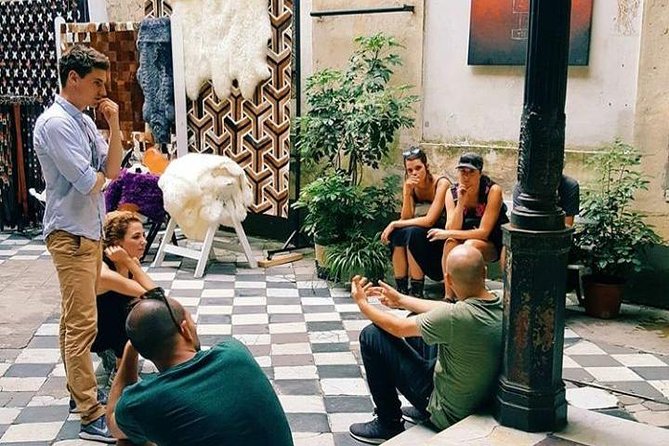
The meeting point is Bar Britanico at Brasil 399, near the old part of Buenos Aires. Starting at a traditional café sets the tone nicely. You begin not with a grand monument but with a place tied to everyday city life.
The first listed stop is Parque Lezama, described as the site where the first fort was established in 1536. The park gives the guide space to explain the early foundations of Buenos Aires and how the city’s oldest districts developed. I find this a useful opening because it places the rest of the walk in a larger time frame.
Allow about 30 minutes here. The stop is free, and you do not need a ticket. Since the park is the tour’s starting point in the route description, pay attention to the meeting instructions and arrive at the stated café address with a little time to spare.
Parque Lezama also helps break the ice in a small group. The guide can introduce the main themes, and you can raise questions before the route becomes more concentrated. If you are not used to walking tours, this is a good moment to let the guide know if you need the pace explained.
The Swedish church and Buenos Aires’ layered identity
Club Sueco Restaurante and the Swedish church add an unexpected turn to the route. The church dates from 1944, and the stop lasts about 10 minutes. It is not the kind of sight most first-time visitors would place on a short list of Buenos Aires essentials, which is exactly why it works here.
I like this part because it widens your sense of who shaped the city. Buenos Aires is often presented through Spanish, Italian, or Argentine references, but immigrant communities from many countries also left their mark. A short stop at the Swedish church helps show that the city’s character was built by more than one tradition.
The tour does not charge admission at this stop. You should think of it as a context stop rather than a major interior visit. The value comes from the explanation and the connection to the surrounding neighborhood, not from spending a long time inside the building.
The Memory Walk and Argentina’s difficult recent past
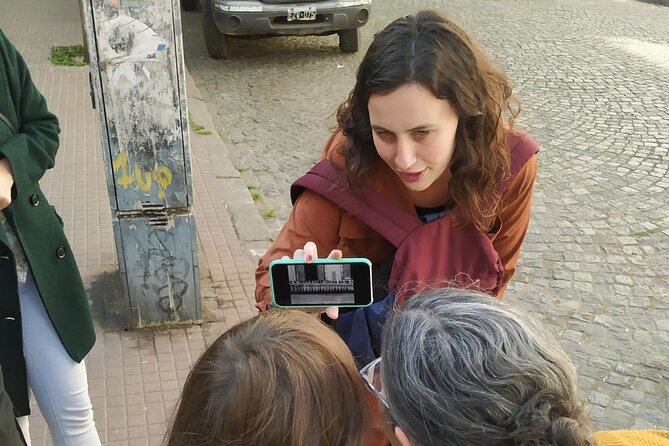
The Memory Walk is one of the most serious parts of the tour. It marks a former clandestine center for detention, torture, and extermination that operated from 1976 to 1979. The stop lasts about 20 minutes and is free.
This section gives the walk moral weight. Argentina’s past is not only about colonial foundations, immigration, grand avenues, and political offices. The period of military dictatorship remains central to how many people understand the country, and a visit to a place connected with state violence can make that history more immediate.
You should not expect a light sightseeing stop here. The subject is distressing, and the guide’s tone matters. The strongest comments about this experience praise guides who can explain difficult political and social subjects with facts, patience, and care. That is especially useful at a site where a rushed or shallow explanation would miss the point.
I would recommend preparing yourself for a change in mood. The tour moves between cafés, churches, markets, and major civic sites, but the Memory Walk asks you to pause and consider lives affected by repression. If you want only cheerful sightseeing, this is a reason to choose another tour. If you want a more honest understanding of Argentina, it is an important stop.
A completely different sort of day in Buenos Aires:
- Buenos Aires: Hop-On Hop-Off City Bus Tour
★ 4.2 · 1,855 reviews - Buenos Aires Hop-On Hop-Off Bus and Exclusive Benefits
★ 4.4 · 1,714 reviews - Buenos Aires: La Boca Guided Walking Tour in English
★ 4.8 · 1,587 reviews - Buenos Aires: La Recoleta Cemetery Guided Tour in English
★ 4.8 · 1,359 reviews
San Pedro González Telmo and the colonial church
The Parroquia de San Pedro González Telmo is a colonial Catholic church, with about 15 minutes allotted to it. The parish helps tie San Telmo to the city’s older religious and architectural traditions.
I appreciate the sequence here. After the Memory Walk, the church brings the route back to the long span of Buenos Aires history. You can see how different eras sit close together in the same neighborhood. The tour is not asking you to treat every building as an isolated attraction. It is showing you how the district accumulated meaning over time.
Admission is listed as free. Because the stop is relatively short, you should not expect a full architectural lecture or an extended interior visit. The guide’s explanation is the main event. Listen for the connection between the church, colonial Buenos Aires, and the later development of San Telmo.
Plaza Dorrego, the social heart of San Telmo
Plaza Dorrego is the old town’s main square, with about 15 minutes planned here. This is one of the places where the tour shifts from institutional history to public life.
The square helps you picture San Telmo as a meeting place rather than a collection of old façades. Its role in the neighborhood gives the guide an opening to discuss local customs, public spaces, and the way Buenos Aires residents use historic districts today.
Do not expect the stop to be only about taking a photograph. Ask questions about how the square fits into San Telmo and how the area has changed. The guides are praised for welcoming questions and making suggestions for the rest of your time in the city, so this is a good point to ask for practical ideas.
Some of the best moments on a small walking tour happen in places like this. You can watch the neighborhood while the guide explains it, instead of hearing a general introduction from a vehicle several streets away.
Mercado San Telmo and the immigrant story
The 30-minute visit to Mercado San Telmo is the longest stop on the route. The market was built by Italian immigrants, giving the guide a natural way to discuss migration, food, and the people who helped shape Buenos Aires.
This is where the tour’s cultural side becomes especially useful. Food is not treated as a separate subject. It becomes part of the story of movement, settlement, work, and city life. One guide has been praised for including food alongside less-discussed political and social history, and the market is a fitting place for that approach.
You may find this stop more relaxed than the Memory Walk or the church. It gives you time to look around and perhaps buy a snack, although the $33 price does not include purchases. A planned break for food or a bathroom is another practical feature that can make a two to three hour walk easier.
The market can also be a good place to ask the guide for local food suggestions. Do not expect a dedicated tasting tour, since food is only one part of the broader experience. Still, you will leave with a better sense of how immigration and eating habits connect in Buenos Aires.
Crossing to Puente de la Mujer
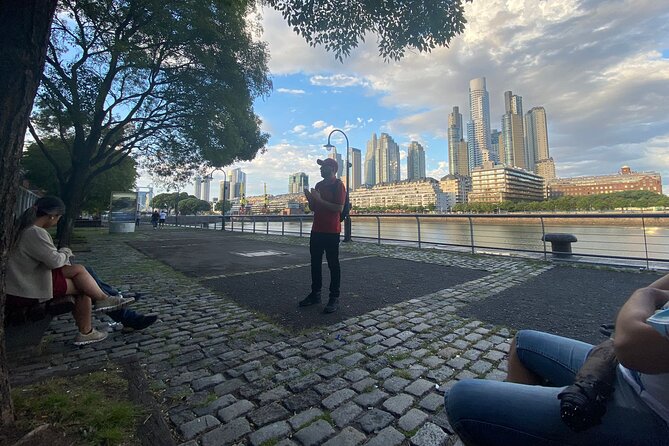
Puente de la Mujer is a modern contrast to the older parts of the route. The pedestrian bridge was designed by Spanish architect and structural engineer Santiago Calatrava, and the stop lasts about 15 minutes.
The bridge gives the tour a change of visual language. Earlier stops focus on old neighborhoods, churches, markets, and political memory. Here you encounter a contemporary piece of design associated with Buenos Aires’ newer waterfront development.
I like including a modern landmark in a tour that otherwise spends so much time in the old city. It prevents the walk from presenting Buenos Aires as a museum frozen in the past. The guide can use the bridge to discuss architecture and the city’s changing public spaces.
This is another free stop, and the value comes from seeing the bridge in context. If you are mainly interested in colonial buildings, it may feel like a detour. For me, that contrast improves the route.
Finishing at Casa Rosada and Plaza de Mayo
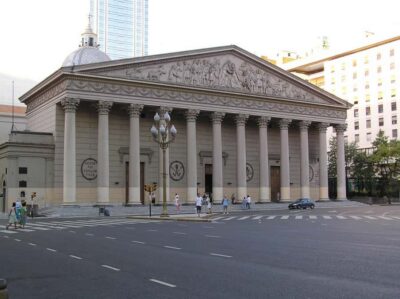
The final stop is Casa Rosada, the president’s office. About 25 minutes are set aside here, and admission is not included. The tour ends at Balcarce 78, close to Plaza de Mayo.
Casa Rosada is the right place to finish a walk that has dealt with Argentina’s political life. By this point, the building is not just a pink landmark. You have already discussed early settlement, immigrant communities, religious institutions, dictatorship, public squares, and social change. The presidential office becomes part of that larger story.
The overview also includes Plaza de Mayo, one of Buenos Aires’ best-known civic spaces. Even though the stated final address is Casa Rosada, you should be well placed to continue around the square after the formal tour ends. That makes the ending practical. You can remain in the area, take photographs, and explore at your own pace.
Do not assume entry to Casa Rosada is part of the $33 fee. The information specifically says admission is not included, so check the current arrangements if you want to go inside. The guided stop itself is about the building and its political meaning.
The guide makes or breaks this small group
The strongest feature of this experience is the guide. I would book it for the chance to learn from people who can explain both the official story and the personal side of Buenos Aires.
Nico and Nicolás are praised for excellent English, clear communication, local roots, and an easy conversational style. One guide used maps and old photographs to show how the city changed. Another was described as a history professor who provided factual context without losing the group’s interest. Ignacio is praised for explaining history, food, and politics in a way that remained accessible.
Sophia is noted for patience and for handling a group’s many questions. Santiago is praised for his good attitude and willingness to let the group set a comfortable pace. One particularly thoughtful arrangement involved an additional guide helping a participant who wanted to practice Spanish while a partner preferred more English. That suggests a flexible approach, though you should not assume that arrangement is always available.
The small size matters. With no more than eight people, you can ask about Argentina’s economy, local customs, architecture, or places to eat without trying to compete with a crowd. The tradeoff is that a talkative group can make the tour feel less tightly structured.
Price, pace, and who should book
At $33, I see this as a strong-value introduction to Buenos Aires. You are paying for a local, small-group walking experience that covers a wide range of subjects and includes several places that standard sightseeing routes may skip.
The value is highest if you are willing to listen and ask questions. You get more than a list of dates, but you also spend two to three hours on foot and encounter difficult history. The tour is not designed as a luxury experience, private car outing, or food tasting.
I would recommend it most to:
- First-time visitors who want a clear introduction to Buenos Aires
- People interested in politics, architecture, migration, and social history
- Solo visitors and couples who prefer a small group
- Anyone who wants to see San Telmo beyond its most photographed corners
- English-speaking visitors who value clear explanations
- Curious people who enjoy asking questions and changing the discussion as they go
I would hesitate if you have limited mobility or strongly dislike walking. The experience is described as suitable for most people and is near public transportation, but the information does not provide an exact distance or a detailed accessibility plan. Service animals are allowed.
The tour requires good weather. You can cancel for a full refund up to 24 hours before the start time, but changes or cancellations inside that window are not accepted. If poor weather cancels the tour, you will be offered another date or a full refund.
Should you book Buenos Aires for Curious People?
I would book this tour if you want Buenos Aires explained rather than merely displayed. Its best qualities are the tiny group, the strong guides, the San Telmo route, and the willingness to address Argentina’s complicated past alongside food, architecture, and daily life.
Book it early in your visit if you want useful context for the rest of your stay. The experience is often reserved well ahead, with bookings averaging about 35 days in advance, so last-minute availability may be limited.
Skip it if you want a quick, cheerful circuit of famous sights with little discussion. Choose it if you want to walk, think, ask questions, and leave with a more grounded sense of how Buenos Aires works.
FAQ
How long does Buenos Aires for Curious People last?
The tour lasts approximately two to three hours.
How many people can join the tour?
The group has a maximum of eight participants.
Where does the tour start?
The meeting point is Bar Britanico at Brasil 399, C1154AAC, Buenos Aires.
Where does the tour end?
The tour ends at Casa Rosada, at Balcarce 78, near Plaza de Mayo.
Is admission to Casa Rosada included?
No. Admission to Casa Rosada is not included in the tour price.
Can I cancel for a full refund?
Yes. You can cancel at least 24 hours before the start time for a full refund. If poor weather cancels the experience, you will be offered another date or a full refund.
Latest additions in Buenos Aires
- Buenos Aires: 7 Hour Small Group “BA 101” Walk★ 5.0 · 3 reviews
- Unique Tigre and Delta Private Day Cruise Navegation★ 5.0 · 3 reviews
- Buenos Aires: Customizable City Tour in Polish★ 4.7 · 3 reviews
- Buenos Aires After Dark: A City Lights & Sunset Experience★ 5.0 · 3 reviews
- Tango Show at El Querandi with optional Dinner★ 4.2 · 3 reviews
- Caminito, La Boca: vibrant neighborhood★ 5.0 · 3 reviews
- Velez Sarsfield Football Match★ 5.0 · 3 reviews
- Café de los Angelitos – Traditional Night in Buenos Aires★ 4.8 · 3 reviews
Buenos Aires Tours, compared.