
Reviewed · RECOLETA CEMETERY TOURS
Buenos Aires: Chacarita, The Largest Cemetery In Argentina
Buenos Aires keeps its stories underground. Chacarita Cemetery gives you a thoughtful look at Argentine culture through grand mausoleums, famous artists, tango figures, musicians, athletes, and the people who shaped the city. This three-hour walking tour also reaches the nearby British and German cemeteries, adding a useful contrast in architecture, religion, and memorial customs.
I like the small group of no more than six people, which should make it easier to ask questions and keep close to the guide. I also like the focus on Carlos Gardel and Gustavo Cerati, two figures from very different generations who both have a powerful place in Argentine music. The main consideration is practical: the tour is conducted in Spanish and is not suitable for wheelchair users or people with mobility impairments.
In This Review
- Key points about the Chacarita Cemetery walk
- Why Chacarita Cemetery is worth your time
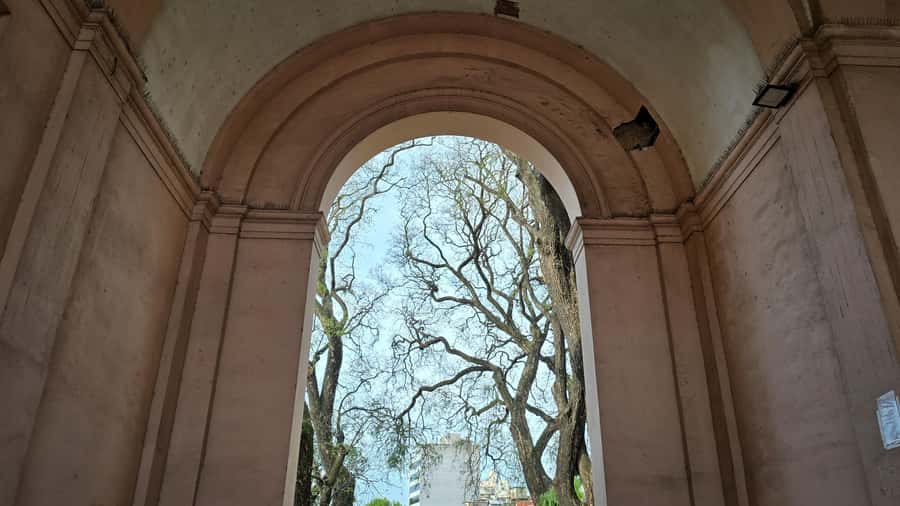
- Meeting the guide and entering the cemetery
- The first look at Chacarita’s memorial architecture
- Carlos Gardel, the voice of tango
- Jorge Newbery and Argentina’s public heroes
- María Salomé Loredo de Subiza and the human stories
- Gustavo Cerati and Gilda: music across generations
- The Chacarita chapel and Panteón VI
- The writers, actors, and tango figures included along the way
- The Commonwealth War Graves in Buenos Aires
- The German Cemetery and its distinct character
- Elcano Park and the final part of the route
- How much value do you get for $20?
- Who should book this walking tour?
- Final verdict: should you book Chacarita Cemetery?
- FAQ
- Where does the Chacarita Cemetery tour meet?
- How long does the tour last?
- What language is the tour conducted in?
- Which famous graves and mausoleums are included?
- Does the tour visit cemeteries besides Chacarita?
- Is the tour suitable for wheelchair users?
Key points about the Chacarita Cemetery walk
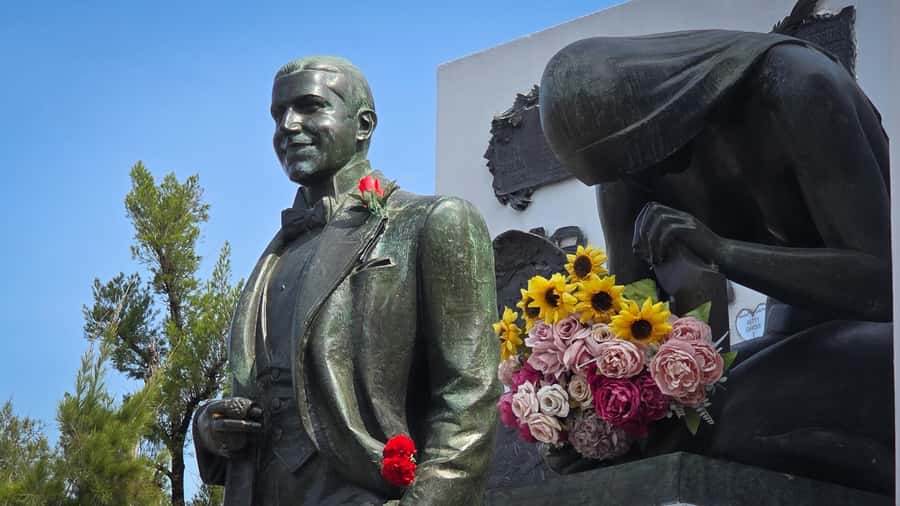
- Carlos Gardel’s mausoleum: Visit the resting place of Argentina’s best-known tango singer and a central figure in Buenos Aires culture.
- Gustavo Cerati’s tomb: Pay respects to the rock musician whose work connects modern Argentine music with the city’s older artistic traditions.
- Three cemeteries in one tour: Chacarita, the British cemetery, and the German cemetery each offer a different setting and memorial style.
- A personal Spanish-language tour: Guide Miguel is praised for patience, clear explanations, and a strong connection to Buenos Aires.
- A three-hour walking route: The schedule includes many short stops, a 10-minute bathroom pause, and time to see both famous tombs and larger memorial structures.
- Good value at $20: For a small group and a full morning or afternoon of guided sightseeing, the price is modest, especially if you want context rather than a quick visit alone.
Why Chacarita Cemetery is worth your time
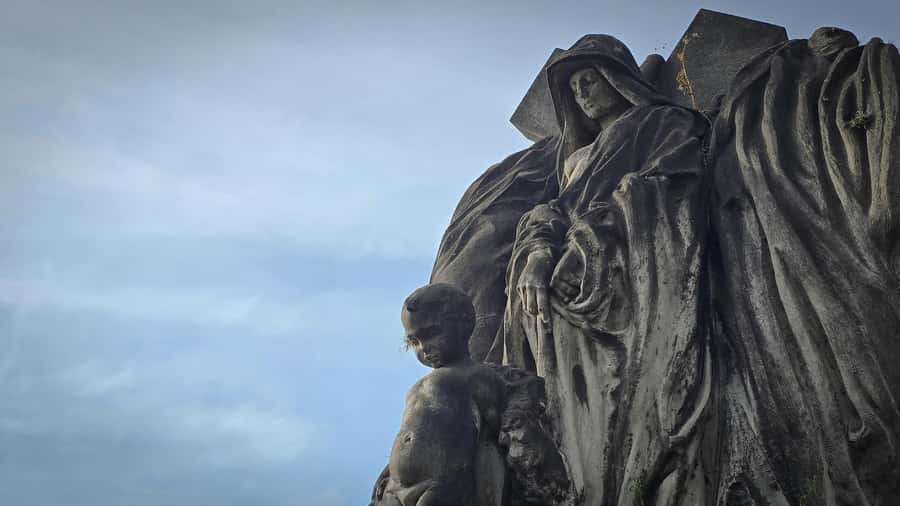
Chacarita is not simply a place to check off because it is the largest cemetery in Argentina. It is also a record of the country’s public life. Tango musicians, actors, poets, sports figures, and popular singers are remembered here, often in mausoleums that say as much about Argentine taste as the names engraved on them.
I like the way this setting links personal stories with national culture. A visit to a cemetery can feel quiet and private, but Chacarita also reflects the passions of Buenos Aires. Tango, cinema, poetry, rock music, and popular entertainment all appear in one walk.
The buildings add another layer. You can expect a mix of architectural forms, religious references, sculpture, memorial art, and family mausoleums. Some stops may be grand and formal, while others may feel more intimate. The guide’s role matters here because many details are easy to miss if you only wander among the tombs on your own.
This is also a good choice if you have already seen one of Buenos Aires’ more famous cemeteries. The Chacarita route offers a different scale and a different mood, with a strong emphasis on Argentine cultural figures. Jamie from the United States found it especially interesting as a comparison with the regular cemetery and appreciated being able to practice Spanish at a slower pace.
More Recoleta Cemetery Tours:
- Buenos Aires: La Recoleta Cemetery Guided Tour in English
★ 4.8 · 1,359 reviews - Buenos Aires Bike Tour: North Districts, Recoleta and Palermo
★ 4.5 · 91 reviews - Recoleta Cemetery – Small Group Tour of History & Secrets
★ 5.0 · 53 reviews
Meeting the guide and entering the cemetery
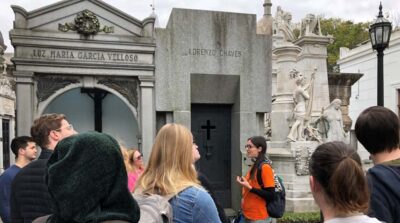
You meet at the main door of Chacarita Cemetery. The experience lasts three hours, and the group is limited to six people. That small number is useful in a place where the guide may need to point out details, explain names, and answer questions without losing half the group.
The tour is in Spanish. That does not automatically make it unsuitable if you are still learning. Miguel has been praised for speaking slowly and patiently when needed, and for answering questions in a calm, personal way. Still, you should have enough Spanish to follow a guided explanation, or be comfortable asking for repetition.
Wear comfortable shoes. This is a walking tour through cemetery grounds, and you should also bring water, a hat, and sunscreen. The supplied information does not promise shade at every stop, so sun protection is sensible. A 10-minute pause is included for the restroom, but it is still wise to plan ahead before meeting the group.
The first look at Chacarita’s memorial architecture
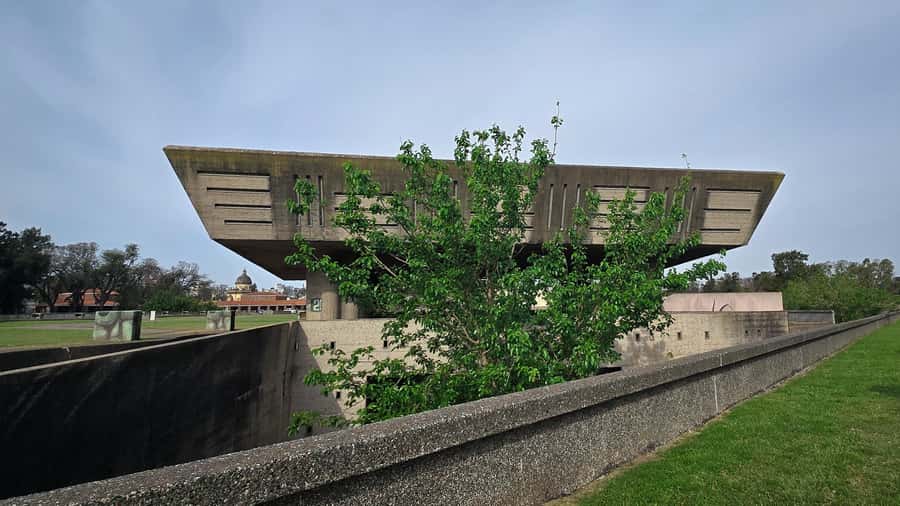
The opening stop gives you a general introduction to Chacarita Cemetery. Rather than rushing straight to a celebrity tomb, the guide sets the scene with a visit and short explanation of the grounds.
This first section is important because it helps you read the cemetery as a whole. Look beyond the names you recognize. Pay attention to the scale of the mausoleums, the styles of sculpture, the religious symbols, and the way the cemetery reflects different periods of Argentine life.
The schedule gives about 10 minutes here. That is enough for an introduction, but not a long independent wander. If you are interested in architecture or photography, you may want to return on your own later, since the guided route has many stops to cover.
Carlos Gardel, the voice of tango
The visit to Carlos Gardel’s mausoleum is one of the clear highlights. Gardel is treated as the quintessential voice of tango, and his name is closely tied to the identity of Buenos Aires.
The stop lasts about 10 minutes, with time for a visit, photographs, and explanation. This is not just a famous-person photo opportunity. Gardel’s tomb represents the international reach of tango and the emotional power the music still holds in Argentine culture.
I like this stop because it gives the tour an immediate cultural anchor. Even if you are not a tango expert, Gardel helps explain why music is such an important part of Buenos Aires. The guide can connect the tomb to the city’s wider artistic identity, making the visit more meaningful than a name and a date on a stone.
A completely different sort of day in Buenos Aires:
- Buenos Aires Hop-On Hop-Off Bus, Free Walking Tours & Discounts
★ 4.5 · 2,218 reviews - Buenos Aires: Piazzolla Tango Show with Optional Dinner
★ 4.4 · 2,122 reviews - Buenos Aires: City Highlights Guided Tour with Transfer
★ 4.7 · 1,946 reviews - Buenos Aires: Hop-On Hop-Off City Bus Tour
★ 4.2 · 1,855 reviews
Jorge Newbery and Argentina’s public heroes
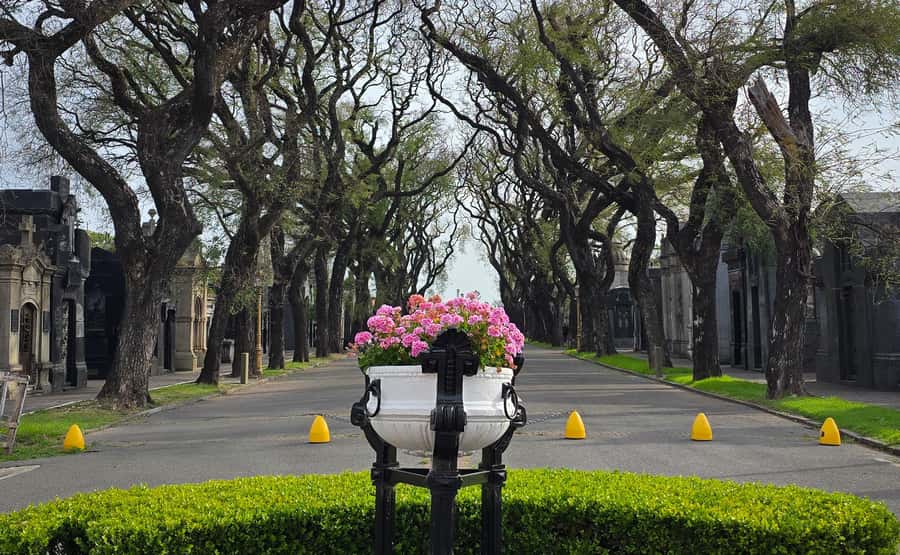
The next listed stop is the mausoleum of Jorge Newbery, with another 10-minute visit. The route does not provide further biographical detail, so you should rely on the guide for the context behind Newbery’s place in Argentine public life.
This is one reason a guided visit works better than a self-guided walk. You may recognize Gardel or Cerati, but many other names will mean little without explanation. A good guide helps you understand why a person is remembered and how the memorial fits the country’s cultural story.
The short format also keeps the route moving. You are not spending half an hour at every tomb, which allows the tour to cover a wider range of people and places.
María Salomé Loredo de Subiza and the human stories
The itinerary includes a visit to the mausoleum of María Salomé Loredo de Subiza, again for about 10 minutes. Her inclusion shows that the tour is not limited to the most famous male figures in Argentine culture.
The information provided does not give a detailed biography, so this is a stop where your guide’s explanation becomes especially valuable. Listen for the personal story behind the mausoleum and the reason this figure remains part of the cemetery’s memory.
That mix of famous names and less familiar stories is one of the tour’s strengths. You get the headline figures, but you also see how a cemetery preserves many kinds of public memory.
Gustavo Cerati and Gilda: music across generations
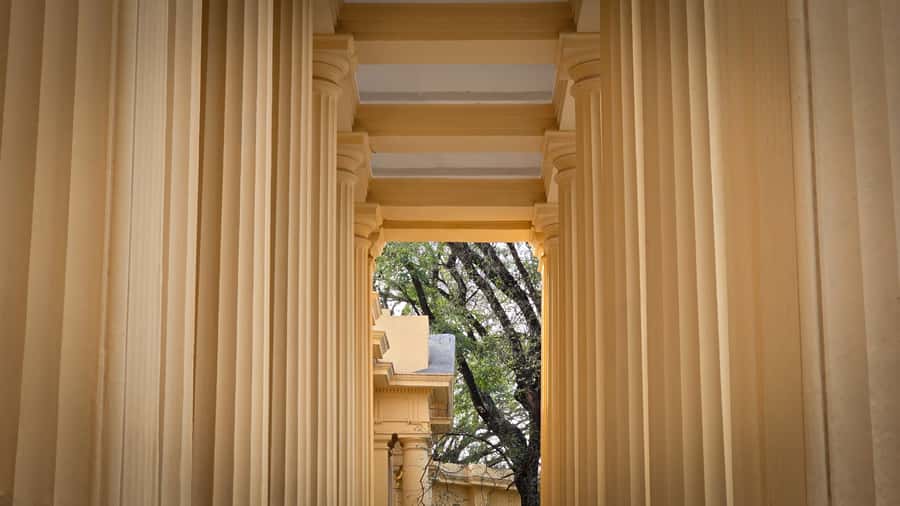
The route then shifts to two major figures from Argentine popular music: Gustavo Cerati and Gilda. Cerati’s mausoleum receives about 15 minutes, while Gilda’s tomb receives another 15 minutes.
Cerati is a particularly useful counterpoint to Gardel. Gardel represents classic tango, while Cerati is connected to modern rock and the changing sound of Argentina. Visiting both in the same tour lets you trace a broad musical line through the city, from early twentieth-century tango to contemporary popular music.
Gilda adds another emotional and popular dimension. She was a beloved singer, and her tomb is part of the tour’s attention to musicians who mattered deeply to the public. The route also pays homage to other well-known musicians, athletes, and national personalities.
These stops may be among the most engaging for anyone who connects with Argentine music. If you know Cerati’s work or have heard Gilda’s name before, the visit will have added meaning. If not, Miguel’s explanations can help place them in the country’s cultural story.
The Chacarita chapel and Panteón VI
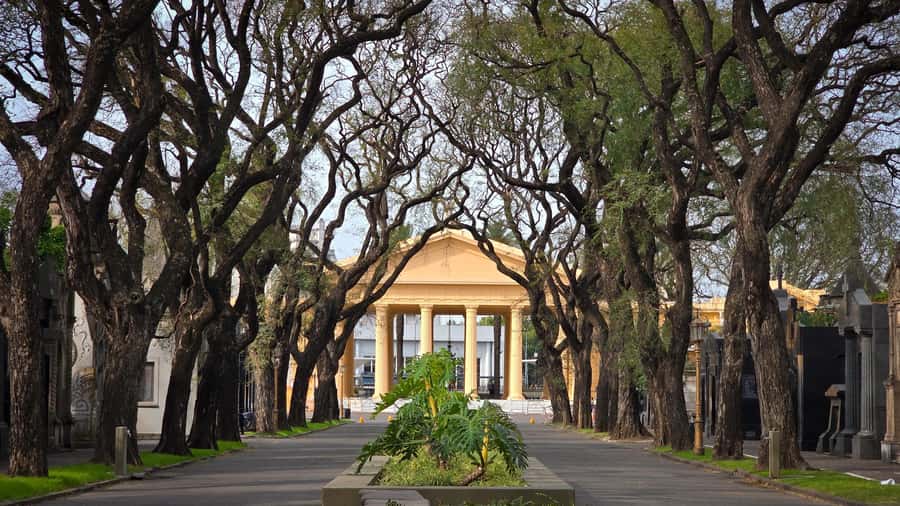
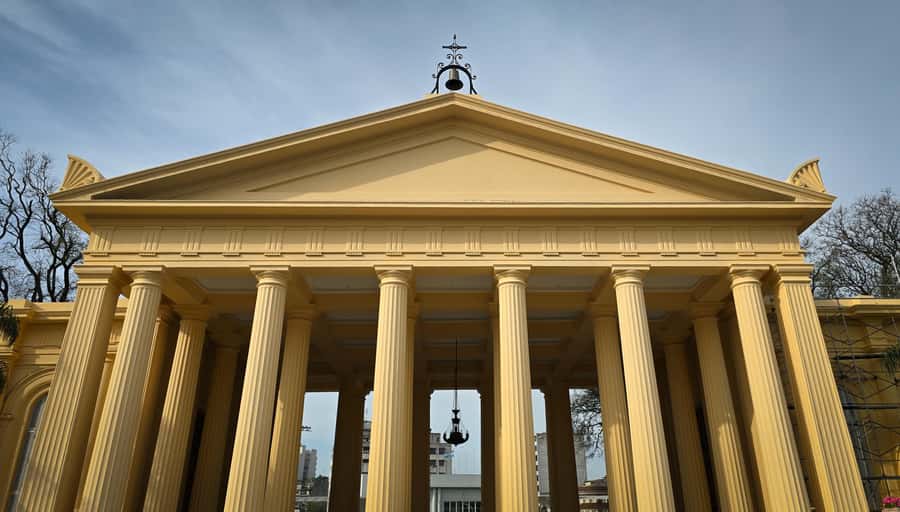
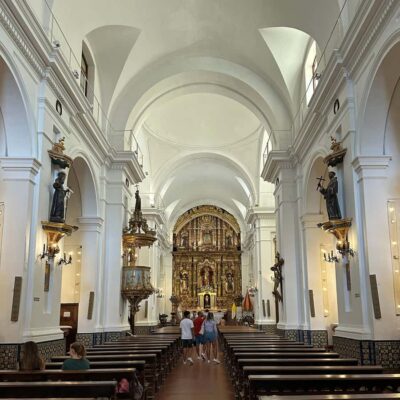
The Chacarita chapel is scheduled for about 10 minutes. This stop shifts the focus from individual tombs to the religious and ceremonial side of the cemetery.
You can expect the chapel to provide a different visual experience from the outdoor mausoleums. The tour information highlights religious temples and national historical monuments, so this part of the route helps show how mourning, faith, and public commemoration meet in the cemetery.
The most generous time allocation goes to Panteón VI, with about 30 minutes. That tells you something about its importance on the route. A pantheon can offer a larger, more formal memorial setting than a single grave, and the longer stop allows the guide to explain its structure, occupants, and role in the cemetery.
This is likely the point where the tour feels least like a celebrity walk and most like a lesson in how Argentina remembers its institutions and public figures. Bring questions. With only six people in the group, you should have a better chance to ask about details that catch your eye.
The writers, actors, and tango figures included along the way
The tour’s stated focus also includes Luis Sandrini, Osvaldo Pugliese, and Alfonsina Storni. Sandrini is remembered as a legendary actor, Pugliese as a major tango composer and orchestra director, and Storni as a poet whose life and work remain part of Argentina’s cultural memory.
These names widen the tour beyond singers and musicians. Sandrini connects the cemetery to Argentine cinema and comedy. Pugliese returns you to tango, but from the perspective of composition and orchestra leadership rather than performance alone. Storni brings poetry and a more personal, literary tone to the route.
Because the detailed stop list does not assign separate times to each of these figures, you should not assume every name receives a long individual visit. The guide may discuss some as part of the broader route. Still, their inclusion makes clear that the experience is about the country’s cultural history, not only about famous graves.
The Commonwealth War Graves in Buenos Aires
The route continues to the Commonwealth War Graves Buenos Aires, with about 15 minutes for a visit and guided explanation. This is a marked change from the Argentine artists and musicians you have just seen.
A war graves section brings an international and military element to the experience. It also shows how Buenos Aires contains memorial traditions connected to communities beyond Argentina. The setting can feel more restrained than the ornate mausoleums, giving you a useful contrast in design and purpose.
This stop will appeal to anyone interested in the city’s British connections, military history, or memorial customs. It also helps prevent the tour from becoming too narrow. Chacarita is the center of the walk, but the wider route shows how several national and religious traditions exist side by side.
The German Cemetery and its distinct character
The German Cemetery follows, with about 15 minutes of guided sightseeing. The tour description highlights its unique style, religious temples, historical monuments, and notable people who rest there.
The German section adds another architectural and cultural contrast. You are not simply seeing a second group of graves. You are comparing how different communities express grief, identity, faith, and remembrance.
The visit is fairly short, so expect an introduction rather than a detailed study of every corner. If the German cemetery interests you most, ask Miguel which features deserve your attention. His patient approach and strong knowledge of the grounds are repeatedly praised, and a small group makes that sort of question practical.
Elcano Park and the final part of the route
The last listed stop is Elcano Park, with about 10 minutes of sightseeing and guided explanation. The supplied information does not explain the park’s exact role in the route, so you should treat this as a final outdoor stop rather than expect a detailed attraction with a separate admission.
Its inclusion gives the three-hour walk a change of pace after the cemetery interiors, mausoleums, and memorial sections. It also helps connect the cemetery visit with the surrounding Buenos Aires area.
The exact order or time at individual stops may vary. The listed schedule includes many short visits, so the guide needs to keep the group moving to complete the full route. That is good for coverage, but less ideal if you prefer to linger at one monument.
How much value do you get for $20?
At $20 per person, this tour offers good value if you want interpretation and access to a carefully planned route. Three hours is a substantial amount of time, and the experience covers Chacarita, the British war graves, the German cemetery, a chapel, a pantheon, famous musicians, and other public figures.
The small group improves the value. A six-person limit usually makes a walking tour feel more personal than a large group, and Miguel’s patient style adds to that. You are paying for local context, not just entry to a cemetery, since the price includes the three-hour guided walk.
The value is weaker if you only want to see one famous tomb and leave. You could find the cemetery less rewarding if you do not understand Spanish or if walking for several hours is difficult. For a visitor interested in Buenos Aires culture, music, architecture, or memorial traditions, the price is modest for the amount of ground covered.
Free cancellation up to 24 hours before the start and the option to reserve now and pay later also make the booking less rigid. Starting times depend on availability, so check the schedule before you plan the rest of your day.
Who should book this walking tour?
I would choose this tour if you enjoy local stories over standard sightseeing. It suits people interested in tango, Argentine rock, cinema, poetry, public figures, cemetery art, and the way different communities honor the dead.
It is also a strong fit for Spanish learners. Miguel has shown patience with people who are learning and can speak slowly enough to make the explanations easier to follow. The tour is not presented in English, though, so you should not book it expecting bilingual commentary.
You should skip it if you need wheelchair access or have a mobility impairment. Comfortable shoes are essential, and you should be ready for a three-hour walk with several stops. Rain does not necessarily ruin the experience, but bring suitable clothing. A little rain did not prevent one highly satisfied participant from enjoying the full tour, yet weather can still affect comfort.
Final verdict: should you book Chacarita Cemetery?
Book it if you want a small, Spanish-language cultural tour with a strong guide and a wider view of Buenos Aires than the usual central sights. The mix of Gardel, Cerati, Gilda, Pugliese, Sandrini, Storni, the chapel, Panteón VI, the British war graves, and the German cemetery gives the walk real variety.
I would be most likely to recommend it to music fans, Spanish learners, repeat visitors to Buenos Aires, and anyone curious about architecture and public memory. The main limits are the walking demands, Spanish-only format, and the short time available at many stops.
Miguel receives especially strong praise for his patience, personal attention, and passion for Buenos Aires. With a $20 price, a three-hour route, and a group capped at six, this is a practical way to see a less conventional side of the city.
FAQ
Where does the Chacarita Cemetery tour meet?
The meeting point is at the main door of Chacarita Cemetery.
How long does the tour last?
The guided walking tour lasts three hours and includes a 10-minute pause for using the restroom.
What language is the tour conducted in?
The live tour guide speaks Spanish. The guide may speak slowly and patiently for people learning Spanish, but the tour is not listed as an English-language experience.
Which famous graves and mausoleums are included?
The route includes Carlos Gardel, Jorge Newbery, María Salomé Loredo de Subiza, Gustavo Cerati, and Gilda. The wider tour also pays homage to figures such as Luis Sandrini, Osvaldo Pugliese, and Alfonsina Storni.
Does the tour visit cemeteries besides Chacarita?
Yes. The route includes the Commonwealth War Graves Buenos Aires and the German Cemetery, along with Chacarita Cemetery.
Is the tour suitable for wheelchair users?
No. The experience is not suitable for wheelchair users or people with mobility impairments. You should bring comfortable shoes, water, a hat, and sunscreen.
Latest additions in Buenos Aires
- Buenos Aires: 7 Hour Small Group “BA 101” Walk★ 5.0 · 3 reviews
- Unique Tigre and Delta Private Day Cruise Navegation★ 5.0 · 3 reviews
- Buenos Aires: Customizable City Tour in Polish★ 4.7 · 3 reviews
- Buenos Aires After Dark: A City Lights & Sunset Experience★ 5.0 · 3 reviews
- Tango Show at El Querandi with optional Dinner★ 4.2 · 3 reviews
- Caminito, La Boca: vibrant neighborhood★ 5.0 · 3 reviews
- Velez Sarsfield Football Match★ 5.0 · 3 reviews
- Café de los Angelitos – Traditional Night in Buenos Aires★ 4.8 · 3 reviews
Recoleta Cemetery Tours, compared.

Buenos Aires Bike Tour: North Districts, Recoleta and Palermo
Read our review →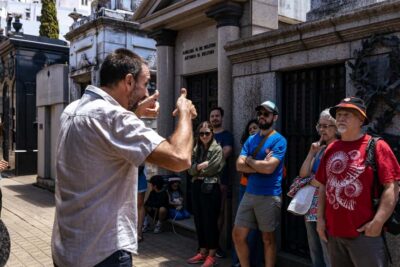
Recoleta Cemetery – Small Group Tour of History & Secrets
Read our review →
Cultural Experience by Bike around Palermo and Recoleta Max 6 ppl
Read our review →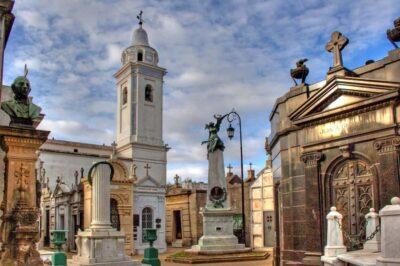
Browse the lists this tour appears in