

Reviewed · WINE TOURS
Wine Tasting in Buenos Aires
Good wine, small plates, and a short clock.
This Buenos Aires tasting offers a neat introduction to Argentina’s wine regions without requiring a trip outside the city. I like the chance to compare wines from Salta, Patagonia, Mendoza, and Entre Ríos in one sitting, and I also like the food pairings, especially the cheeses, cold cuts, bruschetta, and traditional empanada. The main drawback is the brisk one-hour format, which may feel rushed if you want a long explanation with every glass.
I also like that you can choose between a regional menu and a Catena Zapata selection. The setting is a bar and shop that can be easy to find, with English and Spanish support. Still, you should know that this is an individual tasting rather than a guaranteed group event, and the amount of wine education may vary.
In This Review
- Key points to know before booking
- What this Buenos Aires tasting actually offers
- Choosing the Federal menu by Argentine region
- Coquena Torrontés from Salta with bruschetta
- Primogénito Noir from Patagonia with selected cheeses
- Gouguenheim Reserva Malbec from Tupungato with cold cuts
- Julepe Tannat from Entre Ríos with an empanada
- Choosing the Catena Zapata Clásico menu
- Saint Felicien Chardonnay with bruschetta
- Nicasia Cabernet Franc with selected cheeses
- DV Catena Cabernet Malbec with cold cuts
- DV Catena Syrah Syrah with an empanada
- Food pairings make the hour more satisfying
- A one-hour pace that works for some people
- The bar and location matter after dark
- Is $60 a fair price?
- Who will enjoy this tasting most?
- Booking, cancellation, and practical details
- Final decision: book it for a compact introduction
- FAQ
- How long does the Buenos Aires wine tasting last?
- How much does the experience cost?
- How many wines are included?
- What wines are included in the Federal Tasting Menu?
- What wines are included in the Catena Zapata Clásico menu?
- What food comes with the tasting?
- Are additional drinks or food included?
- Is transportation provided?
- What languages are available?
- Can I cancel for a refund?
- Is the tasting suitable for children?
- Should I report allergies or dietary restrictions?
Key points to know before booking
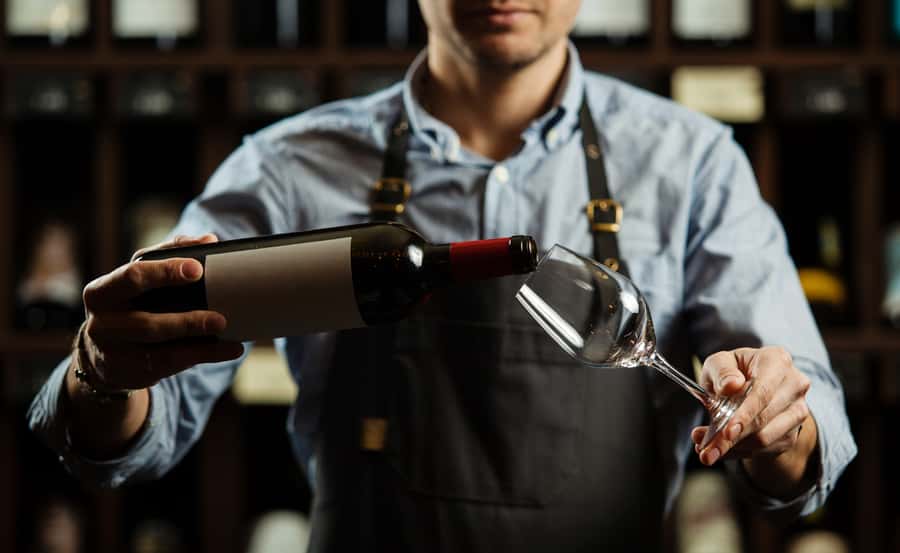
- Four wines appear in both menu options: The detailed menus list four wines, although the general description says the tasting includes three glasses. Confirm the exact format before paying.
- The Federal menu covers Argentina by region: You taste wines from Salta, Patagonia, Mendoza, and Entre Ríos with food matched to each pour.
- The Catena Zapata option focuses on one major producer: It includes Saint Felicien, Nicasia, and DV Catena labels.
- The food is a real part of the experience: Bruschetta, selected cheeses, cold cuts, and a traditional empanada accompany the wines.
- The tasting lasts only one hour: That makes it easy to fit into a Buenos Aires day, but not ideal for a slow, detailed wine class.
- The venue can change: Location depends on availability, and transfers are not included.
What this Buenos Aires tasting actually offers
At $60 per person, this is a compact wine-and-food experience rather than a winery visit or a full afternoon tasting. You meet at a venue in Buenos Aires Province and spend about an hour sampling Argentine labels with small food pairings.
The format is built around a sequence of pours. Each wine comes with something to eat, so you are not simply drinking four unrelated glasses. That matters because Argentina’s wines can taste quite different beside cheese, cured meats, bread, or a savory empanada.
The tasting is available in English and Spanish. The guide is described as a live guide, but the amount of commentary can depend on the person leading the session. If you want detailed information about soil, altitude, winemaking, or vintage differences, ask questions early rather than waiting until the final pour.
One point needs clearing up before you reserve. The general description says the tasting includes three glasses of wine, while the two full menu descriptions and the included items list four wines. The named menus are clearly organized around four pairings, so I would confirm whether you will receive four pours, or whether one course is handled differently.
More Food Tours in Buenos Aires
- Buenos Aires: 9-Course Argentine Meat Tasting at Fogón Asado
★ 4.9 · 826 reviews - Buenos Aires: Local Foodie Adventure with Sherpa Food Tours
★ 4.9 · 670 reviews - Buenos Aires: Wine Tasting and Lunch at Bodega Gamboa
★ 4.8 · 177 reviews
Choosing the Federal menu by Argentine region
The Federal Tasting Menu is the better pick if your goal is to understand Argentina as a wine-producing country. It moves across four regions, giving you a broad sample instead of keeping the whole session with one winery.
Coquena Torrontés from Salta with bruschetta
The opening pour is Coquena Torrontés from Salta, served with Bruschetta Serrana. Torrontés is one of Argentina’s best-known white grapes, and this first course gives the tasting a clear local identity from the start.
The bruschetta provides a crisp, savory beginning. Since the serving is small, think of it as a pairing bite rather than a full starter. I would use this first course to ask how Salta’s wine differs from the bottles that follow.
Primogénito Noir from Patagonia with selected cheeses
Next comes Primogénito Noir from Patagonia with selected cheeses. This is a useful change of pace after the white wine and bruschetta.
The menu does not specify the exact cheeses, so you should not expect a fixed cheese board with named varieties. Still, cheese is a practical match for a lighter red, and this course lets you test how the wine changes when tasted alone and with food.
More Wine Tours in Buenos Aires
- Premium Argentinian Wines and Malbec Tasting Experience
★ 4.6 · 60 reviews - Buenos Aires: Palacio Barolo Guided Night Tour with Wine
★ 4.4 · 54 reviews - Discover Argentine Wines Paired with Delicious Tapas
★ 5.0 · 51 reviews - Sailing with Wine Tasting in Buenos Aires
★ 5.0 · 50 reviews
Gouguenheim Reserva Malbec from Tupungato with cold cuts
The third pairing features Gouguenheim Reserva Malbec from Mendoza’s Tupungato area, served with assorted cold cuts. Malbec is the bottle many people expect to encounter in Argentina, and this is the point where the tasting settles into the country’s most famous red-wine style.
The cold cuts give the Malbec a salty, savory partner. I would pay attention to how the wine feels beside the meat, not just how it tastes from the glass. That small comparison is one of the most useful parts of a short tasting.
Julepe Tannat from Entre Ríos with an empanada
The final Federal selection is Julepe Tannat from Entre Ríos, paired with a traditional Argentine empanada. This is an appealing finish because the empanada brings a distinctly local food element rather than another generic snack.
Tannat is a darker, firmer red style, so the empanada gives it a substantial companion. The menu does not identify the filling, so anyone with dietary concerns should contact the provider before arrival.
The Federal option is the strongest choice for first-time visitors who want geographic variety. Its weakness is also its strength: four regions in one hour means you get a taste of each, but not a long lesson on any one of them.
Choosing the Catena Zapata Clásico menu
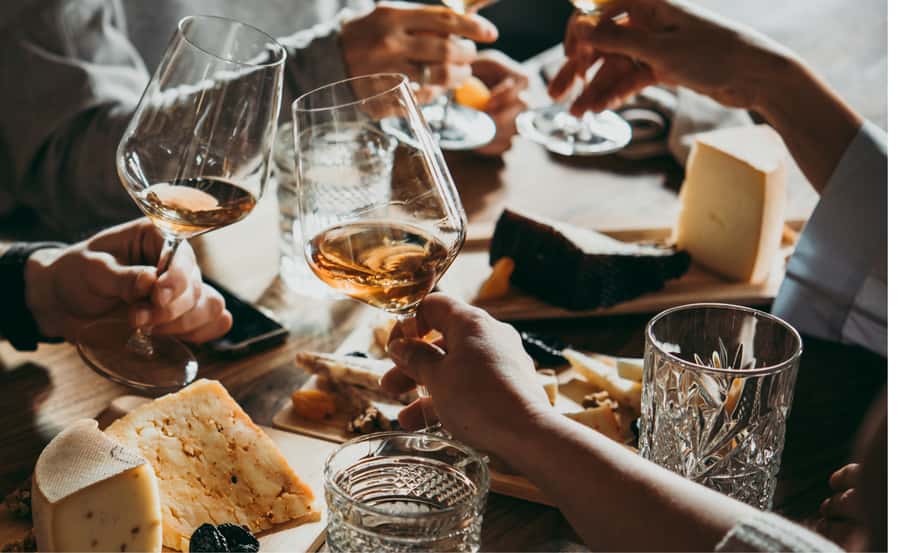
The Catena Zapata Clásico option takes a different path. Instead of moving across several regional producers, it presents wines connected with one of Argentina’s best-known winery names.
This menu makes sense if you prefer to compare a recognizable producer’s labels. It may feel more focused than the Federal option, though the listed wines still cover several grape varieties and styles.
Saint Felicien Chardonnay with bruschetta
The tasting begins with Saint Felicien Chardonnay and Bruschetta Serrana. The food is the same opening pairing used in the Federal menu, creating a familiar starting point while changing the wine.
This is a good point to compare the character of Chardonnay with Torrontés if you have access to both menus through the venue. If not, simply ask the guide what makes this Chardonnay different from the Federal menu’s white wine.
Nicasia Cabernet Franc with selected cheeses
The second course is Nicasia Cabernet Franc with selected cheeses. Cabernet Franc gives the tasting another red-wine direction, and the cheeses should help soften or contrast with its structure.
As with the Federal menu, the cheese varieties are not named. If you are sensitive to dairy or have a strict dietary plan, notify the provider ahead of time.
DV Catena Cabernet Malbec with cold cuts
The third course pairs DV Catena Cabernet Malbec with assorted cold cuts. This blend combines two grapes strongly associated with Argentina’s red-wine identity, making it a natural centerpiece for the menu.
The cold cuts are practical here. They provide enough salt and texture to keep the course from feeling like a glass of wine with no context, although the portion remains part of a tasting menu rather than a meal.
DV Catena Syrah Syrah with an empanada
The final pour is DV Catena Syrah Syrah, served with a traditional empanada. The repeated grape name in the menu suggests a specific blend or label format, but the supplied details do not explain it further.
This course closes the tasting with a fuller red and a familiar Argentine food. If you want to focus on a respected winery rather than compare distant regions, this is probably the more suitable menu.
Food pairings make the hour more satisfying
The food is one of the strongest parts of this experience. You receive Bruschetta Serrana, selected cheeses, assorted cold cuts, and a traditional empanada, with each item placed alongside a wine.
I like this structure because it gives your palate a reset between pours. Food also makes the tasting more approachable for people who know they enjoy wine but do not want a technical lecture.
At the same time, do not book this expecting a full lunch or dinner. The experience includes the listed accompaniments only. Extra food and other drinks are not included, and the information does not promise substitutions.
If you have allergies or dietary restrictions, notify the provider in advance. This is especially important because the menu includes bread, dairy, cured meats, and an empanada, and the exact ingredients are not provided.
A one-hour pace that works for some people
One hour is a convenient length. You can fit the tasting before dinner, after sightseeing, or between other plans without giving up half a day.
The same short duration creates the biggest concern. Four listed wines, four food pairings, and explanations in only 60 minutes leave limited time for questions. One person found the experience too fast, with the wine served in a way that felt more like moving through a checklist than taking time to taste.
I would book this as a friendly introduction, not as a serious wine course. If your main goal is to learn about Argentine vineyards in detail, you may feel that the clock works against you.
The experience may also feel quiet. It is not guaranteed to be a social group tasting. The format can be individual, and there may be only a few people in the bar at one time. That can be pleasant if you want a calm setting, but disappointing if you imagined meeting a lively table of wine enthusiasts.
The bar and location matter after dark
The venue is described as a bar and shop that is easy to find. That is useful in a city where a simple meeting point can save time and confusion.
The tasting location is subject to availability and may change, so check the confirmed address before setting out. Transfers are not included. You will need to arrange your own way there and back.
One practical safety note deserves attention. A visitor found the area outside the bar uncomfortable for walking alone at night, particularly as a woman. That does not establish a general safety judgment about the neighborhood, but it is sensible to plan your return before the tasting ends, especially if your appointment is late.
Bring a credit card and cash. The activity information specifically recommends both, even though it does not explain which possible purchases require one or the other.
Is $60 a fair price?
At $60, the value depends on what you want from the hour. You receive multiple named Argentine wines, food pairings, a live guide, and a structured introduction to regional styles or one major winery. For someone new to Argentine wine, that can be a useful way to sample several labels without ordering full bottles.
The price is harder to justify if you mainly want to drink good wine with snacks. The short timing, possible lack of detailed commentary, and absence of extra food or drinks reduce the value for people seeking a leisurely evening.
The strongest value comes from the Federal menu because it gives you four geographic reference points. Salta, Patagonia, Tupungato in Mendoza, and Entre Ríos represent a wider look at Argentine production than a single restaurant bottle list normally provides.
The Catena Zapata menu has a narrower purpose. Choose it for label-focused tasting, especially if the winery name matters to you. If you care more about regional comparison, the Federal menu gives you more variety for the same stated price.
Who will enjoy this tasting most?
I would recommend it to:
- First-time visitors who want a quick introduction to Argentine wine
- Wine drinkers who like food pairings with small portions
- Couples or solo visitors who are comfortable with an individual format
- People who prefer a one-hour activity to a half-day excursion
- Anyone deciding between regional variety and a Catena Zapata-focused menu
I would be more cautious if you are a serious wine student. The wine selection is appealing, but the format may not allow enough time for technical explanation.
I would also skip it if you need a full meal, want a large social group, or expect transportation from your hotel. Those features are not included.
Booking, cancellation, and practical details
The experience is for people aged 18 and older. Children under 18 and babies under one year are not suitable for this activity.
The booking terms are described in two slightly different ways. The general information says you can cancel up to 24 hours ahead for a full refund, while the detailed policy says cancellations 24 to 48 hours before the tasting receive 50 percent back, and cancellations less than 24 hours before the start, along with no-shows, receive no refund.
Because those statements do not perfectly match, check the final cancellation terms shown at checkout. The reserve-now, pay-later option lets you hold a place without paying immediately, which is useful when your Buenos Aires plans are still changing.
English and Spanish are offered, though some content may appear in its original language. The venue can change, so keep an eye on your confirmation.
Final decision: book it for a compact introduction
I would book this tasting if you want a short, food-supported introduction to Argentine wines and you are happy with a small, possibly individual setting. The named bottles and regional spread are appealing, and the empanada, cold cuts, cheeses, and bruschetta give the hour a distinctly local feel.
Choose the Federal menu for the broadest view of Argentina. Choose Catena Zapata Clásico if you prefer a focused selection from a prominent winery.
I would not book it as a full evening out or a detailed wine seminar. The $60 price is reasonable for a structured sampler, but the one-hour pace can feel too quick, and the mismatch between three glasses in the general description and four wines in the menus should be clarified first.
FAQ
How long does the Buenos Aires wine tasting last?
The tasting lasts one hour. Starting times depend on availability.
How much does the experience cost?
The stated price is $60 per person.
How many wines are included?
The detailed Federal and Catena Zapata menus each list four wines. However, the general description says the tasting includes three glasses, so you should confirm the exact number before booking.
What wines are included in the Federal Tasting Menu?
The Federal menu lists Coquena Torrontés from Salta, Primogénito Noir from Patagonia, Gouguenheim Reserva Malbec from Mendoza’s Tupungato area, and Julepe Tannat from Entre Ríos.
What wines are included in the Catena Zapata Clásico menu?
The menu lists Saint Felicien Chardonnay, Nicasia Cabernet Franc, DV Catena Cabernet Malbec, and DV Catena Syrah Syrah.
What food comes with the tasting?
The included accompaniments are Bruschetta Serrana, selected cheeses, assorted cold cuts, and a traditional empanada.
Are additional drinks or food included?
No. Other drinks and food options not listed in the experience are not included.
Is transportation provided?
No. Transfers are not included, so you must arrange your own transportation to and from the tasting.
What languages are available?
The experience offers live guidance in English and Spanish. Some content may be presented in its original language.
Can I cancel for a refund?
The general policy allows a full refund for cancellations up to 24 hours before the tasting. The detailed policy states that cancellations 24 to 48 hours ahead receive a 50 percent refund, while cancellations less than 24 hours ahead and no-shows are not refundable. Check the final terms at booking because the supplied policy descriptions differ.
Is the tasting suitable for children?
No. It is intended for people over 18 and is not suitable for children under 18 or babies under one year.
Should I report allergies or dietary restrictions?
Yes. You should notify the provider in advance about any allergies or dietary restrictions. The menu includes bread, cheese, cold cuts, and an empanada, but exact ingredients and substitutions are not specified.
Latest additions in Buenos Aires
- Buenos Aires: 7 Hour Small Group “BA 101” Walk★ 5.0 · 3 reviews
- Unique Tigre and Delta Private Day Cruise Navegation★ 5.0 · 3 reviews
- Buenos Aires: Customizable City Tour in Polish★ 4.7 · 3 reviews
- Buenos Aires After Dark: A City Lights & Sunset Experience★ 5.0 · 3 reviews
- Tango Show at El Querandi with optional Dinner★ 4.2 · 3 reviews
- Velez Sarsfield Football Match★ 5.0 · 3 reviews
- Caminito, La Boca: vibrant neighborhood★ 5.0 · 3 reviews
- Café de los Angelitos – Traditional Night in Buenos Aires★ 4.8 · 3 reviews
Wine Tours, compared.



Full-Day Tour Cafayate Calchaqui Valleys with Wine
Read our review →
Browse the lists this tour appears in