
Reviewed · FOOD & DRINK
Small Group Tasting to Become a Mate Expert in Buenos Aires
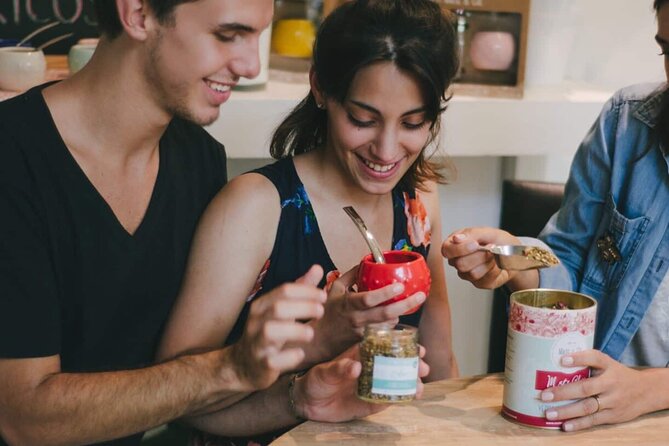
Mate is Argentina’s daily social ritual. This friendly 90-minute workshop gives you a clear introduction to yerba mate, from its origins and production to the correct way to prepare and share it. I like the mix of hands-on tasting and cultural background, and I like that the group is limited to 14 people, so you can ask questions without getting lost in a crowd. The one drawback is that the session is fairly short, so anyone wanting a very detailed account of mate’s past may find the history portion a little brief.
The workshop is led by Tomás, often called Tomi or Tommy, whose warm teaching style gets repeated praise. You will taste several blends, including original and flavored varieties, pair them with Argentine sweets, and practice the role of the cebador, the person who prepares and serves the mate. At $29 per person, it is a good-value cultural activity, though it makes the most sense if you are curious about the drink rather than simply looking for a quick sample.
In This Review
- Key Points Before You Book
- Why Mate Makes a Good Buenos Aires Activity
- Meeting Tomás, the Cebador
- The First Lesson: What Yerba Mate Is
- Yerba, Cups, Straws, and the Curing Process
- Learning to Prepare the Perfect Mate
- Tasting Traditional and Flavored Blends
- The Argentine Meaning of the Mate Ritual
- A Diploma and Shop Discounts at the End
- Time, Group Size, and Location
- Is $29 a Fair Price?
- Who Should Book This Mate Workshop?
- Cancellation and Booking Advice
- Should You Book It?
- FAQ
- Where does the mate workshop begin?
- Where does the activity finish?
- How long does the experience last?
- How much does the workshop cost?
- How many people can join the group?
- Will I learn how to prepare mate?
- What types of mate will I taste?
- Are sweets included?
- Do I receive anything at the end?
Key Points Before You Book
- You taste several mate blends: Try traditional yerba as well as flavored options, with Chai singled out as a favorite by one participant.
- You learn the full ritual: The session covers preparation, sharing customs, accessories, and the social meaning of mate in Argentina.
- Tomi is the main attraction: His clear English, patience, humor, and ability to answer questions make the class friendly for first-time drinkers.
- Argentine sweets are included: The tasting is served with typical local treats, giving you a small taste of the country beyond the drink itself.
- You receive a certificate: A diploma confirms that you completed the workshop and learned the basics of preparing mate.
- The logistics are simple: Meet at Tte. Benjamín Matienzo 1559 in Buenos Aires, then finish at the same address after about 90 minutes.
Why Mate Makes a Good Buenos Aires Activity
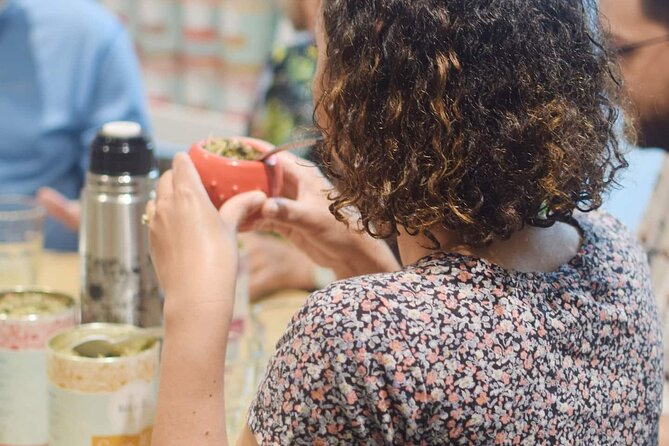
Mate is not just a hot drink. It is passed from person to person, shared among friends, and tied to everyday Argentine life. That makes it a useful way to understand local manners and social habits, even if you are only in Buenos Aires for a few days.
I like this workshop because it explains both the object and the behavior around it. You learn about the yerba itself, but you also learn why the cup is passed in a particular way, how the server prepares it, and what makes a good mate session feel natural rather than awkward.
You do not need prior experience. Several people arrive having never tasted mate, while others already drink it or have tried preparing it at home. The class is designed to work for both groups. Beginners get a safe introduction, and more experienced drinkers can improve their technique and compare different yerbas.
The small-group format matters here. With a maximum of 14 participants, you should have room to watch the preparation closely and ask about details that might otherwise be skipped. The atmosphere is described as cozy and informal, more like a relaxed class than a formal lecture.
More Food Tours in Buenos Aires
- Buenos Aires: 9-Course Argentine Meat Tasting at Fogón Asado
★ 4.9 · 826 reviews - Buenos Aires: Local Foodie Adventure with Sherpa Food Tours
★ 4.9 · 670 reviews - Buenos Aires: Wine Tasting and Lunch at Bodega Gamboa
★ 4.8 · 177 reviews
Meeting Tomás, the Cebador
Tomás is the person who gives this activity its human touch. His role is not just to explain mate but to prepare and serve it, which is what a cebador does in the traditional ritual.
His teaching style is warm, funny, and patient. He has been praised for bringing mixed groups together, making sure everyone is included, and answering large numbers of questions without rushing people. That is especially useful if you are unsure about the etiquette of drinking from the shared straw or want to understand why each step matters.
English-speaking visitors should find the workshop accessible. The information specifically notes that Tomás speaks English, and several comments describe his explanations as easy to follow. The experience can also be checked in Spanish, which may suit Spanish-speaking residents or visitors more comfortably.
This is not a silent tasting where you simply receive a drink and move on. Expect conversation, questions, and a guide who encourages participation. If you prefer to sit quietly and sample without discussion, this may feel more instructional than necessary. If you enjoy learning from a personable host, Tomás is a strong reason to book.
The First Lesson: What Yerba Mate Is
The opening part explains what yerba mate means, where it comes from, and how it is produced. You learn about cultivation and harvesting, along with the properties of the drink and the different ways people consume it.
The class also puts Argentine consumption into a wider setting by discussing how mate is enjoyed in Argentina and elsewhere. That helps you see why the drink has such a strong place in local life. It is not presented as an imported curiosity for tourists, but as a regular part of the country’s social fabric.
The exact amount of historical detail may depend on the questions in your group. One Spanish-language participant felt that a little more history would have been welcome, while the general response was that the information was clear and useful. I would treat this as a practical introduction, not a full lecture on the past of South American herbal traditions.
That distinction is helpful. In roughly an hour and a half, the workshop has to cover origins, production, equipment, preparation, tasting, and culture. It gives you enough background to understand what you are drinking without turning the activity into a long academic talk.
Yerba, Cups, Straws, and the Curing Process
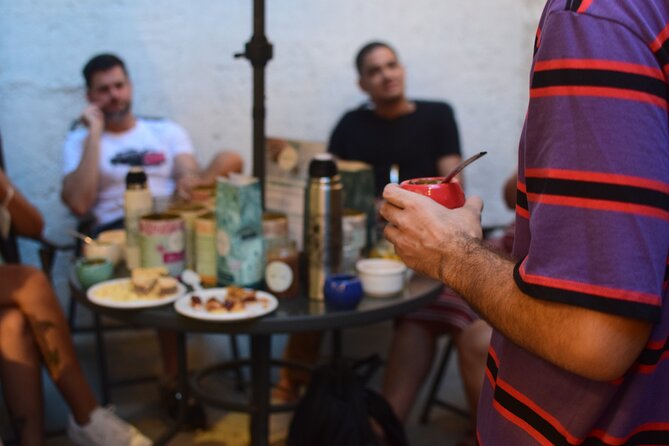
The next section focuses on the tools. You are introduced to different types of yerba on the market, along with mate cups and bombillas, the metal straws used to drink the infusion. You also learn about the curing process for the cup.
For a first-time drinker, this can prevent several common mistakes. Mate is not prepared like a teabag in a mug. The type of yerba, the equipment, the arrangement of the leaves, and the way water is added all affect the result.
The word curing can sound technical, but its practical value is simple: if you plan to buy a traditional mate cup in Buenos Aires, you will want to understand how to care for it before using it regularly. The class gives you the basic vocabulary and context to shop with more confidence.
You should also expect comparisons between different yerbas. Some are traditional and strong, while others are flavored. Trying several blends side by side is one of the best parts of the activity because it shows how much the taste can change. One participant especially liked the Chai blend, but your favorite may be the classic version or another flavored option.
A completely different sort of day in Buenos Aires:
- Buenos Aires Hop-On Hop-Off Bus, Free Walking Tours & Discounts
★ 4.5 · 2,218 reviews - Buenos Aires: Piazzolla Tango Show with Optional Dinner
★ 4.4 · 2,122 reviews - Buenos Aires: City Highlights Guided Tour with Transfer
★ 4.7 · 1,946 reviews - Buenos Aires: Hop-On Hop-Off City Bus Tour
★ 4.2 · 1,855 reviews
Learning to Prepare the Perfect Mate
The central hands-on lesson is preparation. Tomás shows you how to make the mate and explains the role of the person who serves it. The goal is not simply to make a drink once, but to understand the sequence well enough to try it on your own.
That practical focus is valuable. Many visitors see Argentines carrying mate cups around Buenos Aires but have no idea how the drink is made. After the workshop, you should be able to recognize the equipment, choose among different yerbas, and take the first steps toward preparing your own.
The class also covers the ritual of sharing. Mate is commonly passed around a group, so the social rules matter as much as the ingredients. You learn why preparation is part of hospitality and why the ritual creates a sense of connection among the people drinking together.
I would pay close attention during this section if you plan to bring mate home. A number of participants left wanting to buy yerba or equipment, and one person joked about returning to the United Kingdom ready to look like Messi. The certificate is fun, but the real souvenir is the skill.
Tasting Traditional and Flavored Blends
The tasting lets you put the lesson into practice. You get to sample several blends, including original and flavored yerbas. This is more useful than tasting only one version because mate can taste very different depending on the blend.
For people who fear that mate will be too bitter, the flavored options offer an easier starting point. One participant specifically encouraged nervous first-timers not to worry, while another enjoyed the chance to compare several varieties before choosing a favorite.
The tasting is served with typical Argentine sweets. That pairing gives the session a pleasant rhythm and keeps it from feeling like a technical demonstration. You learn, taste, talk, and try again.
Do not expect a full meal. The sweets are part of the tasting rather than a substitute for lunch or dinner. If you arrive hungry, eat beforehand. The activity is built around sampling and cultural learning, not a long food stop.
The informal setting helps here. You can discuss the flavors, ask questions, and compare reactions with people from different countries. The mixed group is part of the appeal, since mate is naturally a drink connected with sharing.
The Argentine Meaning of the Mate Ritual
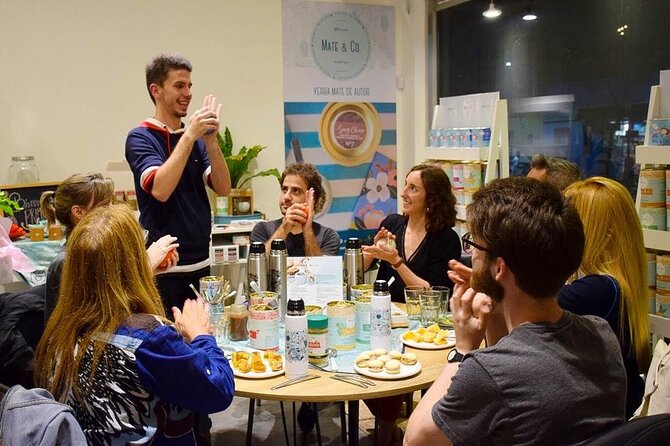
The strongest cultural part of the class explains what mate means in daily Argentine life. You learn that preparing and passing the drink is not just a method of serving a beverage. It is a small act of welcome, conversation, and community.
That context changes the way you notice mate after the workshop. Instead of seeing only a cup and metal straw, you can recognize a social custom. You may spot it in parks, homes, or casual gatherings and understand why people take turns drinking from the same vessel.
This is the point where the activity becomes more than a tasting. Buenos Aires has plenty of food and drink experiences, but mate offers a direct look at a habit shared across generations. The workshop helps you understand the behavior without asking you to figure out the etiquette on your own.
I also like that the class welcomes locals as well as international visitors. It is suited to anyone who wants to understand the custom better, including people with Argentine family roots. One family used the session to learn more about its heritage, while another participant planned to take the new tradition home to Honduras.
A Diploma and Shop Discounts at the End
The experience finishes back at the meeting point. Before you leave, you receive a diploma certifying your participation in the workshop. It is a lighthearted touch, but it gives the activity a clear finish and makes a nice keepsake.
You also receive discounts in the shop at the end. The available information does not specify the discount amount or which products are covered, so you should confirm those details on site. Still, this can improve the value if you want to buy yerba, a mate cup, a bombilla, or another accessory after learning how to use them.
The shop stop is most useful when treated as an optional buying opportunity, not the main reason for booking. The class should be worth your time even if you leave without purchasing anything. The discount is an extra benefit for people who decide they want to continue the ritual at home.
Time, Group Size, and Location
The activity lasts about one hour and 30 minutes. That is long enough for an introduction, guided tasting, questions, and a hands-on preparation lesson, but short enough to fit into a busy Buenos Aires schedule.
The meeting point is Tte. Benjamín Matienzo 1559, C1426DAA, in the Autonomous City of Buenos Aires. The activity ends at the same location. It is near public transportation, which makes it easier to add before or after another plan, though you should still allow time to reach the address.
The maximum group size is 14 people. That is small enough for personal attention but not necessarily private. If you book as a couple or family, you may share the session with people from other countries and age groups.
Service animals are allowed. Confirmation is provided when you book. Availability can also be checked in Spanish, which is useful if you prefer to arrange the experience in that language.
Is $29 a Fair Price?
At $29 per person, I consider this a fair price for a focused cultural workshop. You are paying for about 90 minutes of instruction, several mate tastings, Argentine sweets, a small-group setting, a diploma, and access to shop discounts.
The value depends on what you want from the activity. If you only want to try mate once, you can probably find the drink in a café or restaurant for less. But that would not teach you the origins, equipment, preparation method, or social ritual.
The class is particularly worthwhile if you plan to buy mate supplies. A bad purchase can leave you with the wrong cup, an unfamiliar yerba, or no idea how to prepare it. Here, you can ask questions before spending more money.
It is also a good choice during the first days of a Buenos Aires visit. You gain a local custom early in your trip, then have a better chance to notice and understand it elsewhere. If you are on a tight budget, this is still a modest cost for an activity that combines a lesson, tasting, and cultural context.
Who Should Book This Mate Workshop?
I would recommend it most strongly to first-time mate drinkers, curious food lovers, and people who want a cultural activity that is easy to fit into a short visit. Families with older children, couples, solo visitors, and groups of friends can all take part.
It also suits people who already drink mate. The class covers different yerbas, accessories, curing, and technique, so experienced drinkers may learn a better way to prepare it or discover a blend they want to buy.
The experience may be less suitable if you dislike shared tasting rituals, hot herbal drinks, or guided instruction. It is also not the right choice if you expect a long historical seminar or a full meal. The workshop keeps moving and covers many subjects in a limited time.
For most people, the friendly setting is a plus. Tomás is repeatedly described as funny, patient, and easy to approach, and the session seems designed to make beginners comfortable. You will not be expected to arrive as an expert. Becoming curious is enough.
Cancellation and Booking Advice
You can cancel for a full refund up to 24 hours before the experience begins. Cancellations or changes made less than 24 hours before the start time are not accepted for a refund, and the cut-off uses local Buenos Aires time.
The experience requires a minimum number of participants. If that minimum is not reached and the activity is canceled, you will be offered another date or experience, or a full refund. Since the activity is often booked about a week ahead, reserving several days before your preferred date is sensible.
Should You Book It?
Book this workshop if you want to understand one of Argentina’s most recognizable daily customs rather than simply photograph it. The strongest reasons are the personal instruction from Tomás, the chance to taste several blends, and the practical preparation lesson you can use after returning home.
I would be less enthusiastic if your schedule is packed and you have no interest in drinking mate. For everyone else, $29 buys a useful, social, and distinctly Argentine experience. You leave with a certificate, a better grasp of the ritual, and enough confidence to choose your own yerba and prepare a cup for friends.
FAQ
Where does the mate workshop begin?
It begins at Tte. Benjamín Matienzo 1559, C1426DAA, in Buenos Aires, Argentina.
Where does the activity finish?
The workshop ends back at the meeting point.
How long does the experience last?
It lasts approximately one hour and 30 minutes.
How much does the workshop cost?
The listed price is $29 per person.
How many people can join the group?
The maximum group size is 14 participants.
Will I learn how to prepare mate?
Yes. The workshop teaches you how to prepare the drink, including the basics of making a proper mate and the role of the cebador.
What types of mate will I taste?
You will taste several blends, including traditional and flavored yerbas.
Are sweets included?
Yes. The mate tasting is served with typical Argentine sweets.
Do I receive anything at the end?
Yes. You receive a diploma certifying your participation, and discounts are available in the shop at the end of the workshop.
Latest additions in Buenos Aires
- Buenos Aires: 7 Hour Small Group “BA 101” Walk★ 5.0 · 3 reviews
- Unique Tigre and Delta Private Day Cruise Navegation★ 5.0 · 3 reviews
- Buenos Aires: Customizable City Tour in Polish★ 4.7 · 3 reviews
- Buenos Aires After Dark: A City Lights & Sunset Experience★ 5.0 · 3 reviews
- Tango Show at El Querandi with optional Dinner★ 4.2 · 3 reviews
- Caminito, La Boca: vibrant neighborhood★ 5.0 · 3 reviews
- Velez Sarsfield Football Match★ 5.0 · 3 reviews
- Café de los Angelitos – Traditional Night in Buenos Aires★ 4.8 · 3 reviews
Food & Drink, compared.

Buenos Aires Food Tour: Local Dishes, Steak, Empanada & More
Read our review →
Full-day Cafayate, Lerma Valley, and Wine Tasting from Salta
Read our review →Browse the lists this tour appears in