
Reviewed · FOOTBALL & BOCA JUNIORS TOURS
River Plate Stadium and Museum Guided Tour
Football gets serious at River Plate. This 2 to 3 hour tour brings you inside El Monumental, Argentina’s largest stadium, with a private guide, museum entry, and access to areas most fans want to see. I like the skip-the-line entry and the chance to explore with a guide in English, Portuguese, or Spanish. I also like the focus on River Plate’s long story, from its early days to its many international titles. The main drawback is that stadium access can change for matches, concerts, training, renovations, or cleaning.
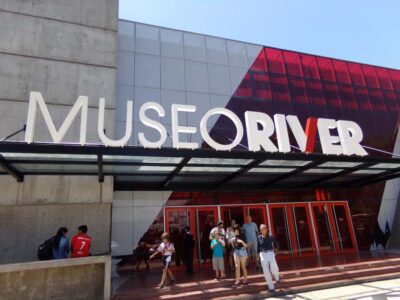
You meet at the main entrance of the River Plate Museum in Núñez. That matters because transport is not included, so you need to arrange your own way there. The advertised package includes a snack and souvenir, but one recent booking reported difficulty getting the snack and receiving the promised service, so I would confirm those details before setting off.
In This Review
- Key points to know before you go
- Why River Plate matters in Buenos Aires
- Inside the River Plate Museum
- Seeing El Monumental from the inside
- Walking through the tunnel and changing room
- What the private format changes
- Is the $117 price fair?
- Timing, comfort, and what to bring
- How to make the most of the visit
- Who should book this River Plate tour?
- Should you book it?
- FAQ
- Where does the River Plate Stadium and Museum tour meet?
- How long does the tour last?
- What does the tour include?
- Is transportation included?
- What languages are available?
- Is the tour private?
- Is the tour wheelchair accessible?
- Can stadium areas close or change?
Key points to know before you go
- El Monumental holds 86,000 spectators: You are visiting the largest stadium in the Americas, not a small club ground.
- The route includes the museum, stadium, tunnel, and visitors’ changing room: These are the core stops, though exact stadium access can change.
- A private guide leads the visit: The guide can speak English, Portuguese, or Spanish, and the private format allows a more personal pace.
- River Plate’s story reaches beyond club football: The stadium hosted Argentina’s 1978 World Cup victory.
- The club has more than 70 titles: Its honors include four Copa Libertadores and several other South American trophies.
- Plan for your own transport: Transfers in and out are not included, despite one booking comment referring to hotel pickup.
Why River Plate matters in Buenos Aires
River Plate is one of Argentina’s five biggest football clubs, and its rivalry with Boca Juniors shapes much of the country’s football culture. You do not need to know every player or trophy to enjoy the visit, but some background makes the museum displays and stadium setting more meaningful.
The club has more than a century of history and a worldwide following. Its supporters call it El más grande, meaning the greatest. That nickname tells you something about the mood surrounding the club: River Plate is not simply a sports team to its fans. It is a major part of Argentine identity.
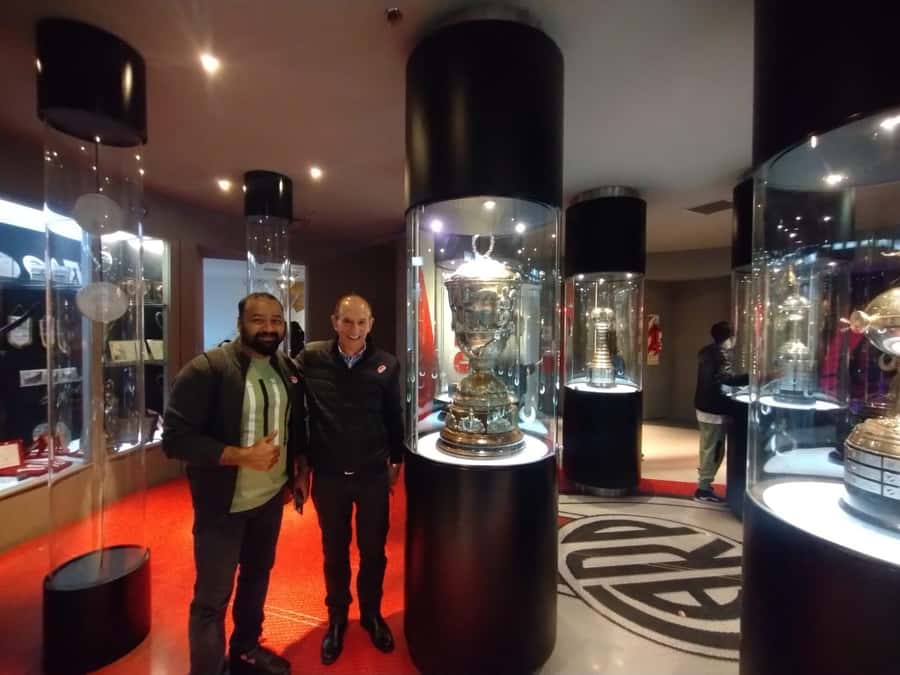
The club’s record gives the tour plenty to work with. River Plate has won more than 70 titles, including four Copa Libertadores de América, three Recopas Sudamericana, one Interamericana, one Supercopa Sudamericana, one Copa Sudamericana, and the Suruga Bank. The exact list may be familiar to serious football followers, but the museum gives casual fans a way to understand why these trophies matter.
I find the international angle especially useful. River Plate’s story is not limited to Buenos Aires. Its honors show how the club has competed across South America and beyond. If you arrive knowing little about Argentine football, the guide can help put the rivalry, trophies, and supporters into context.
More Football Tours in Buenos Aires:
- Buenos Aires: Tickets to Boca Juniors Museum & Stadium
★ 4.5 · 581 reviews - Buenos Aires: Boca Juniors and River Plate Football Tour
★ 4.3 · 82 reviews - Buenos Aires: River Plate and Boca Juniors Museum Tour
★ 4.5 · 72 reviews
Inside the River Plate Museum
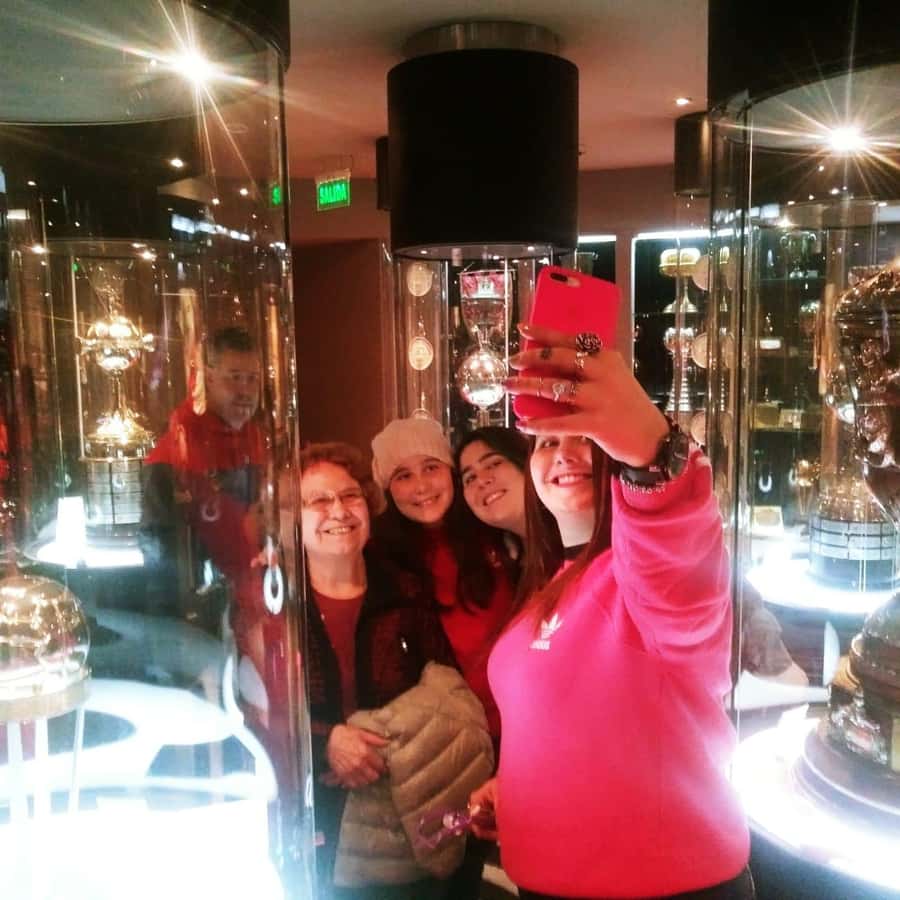
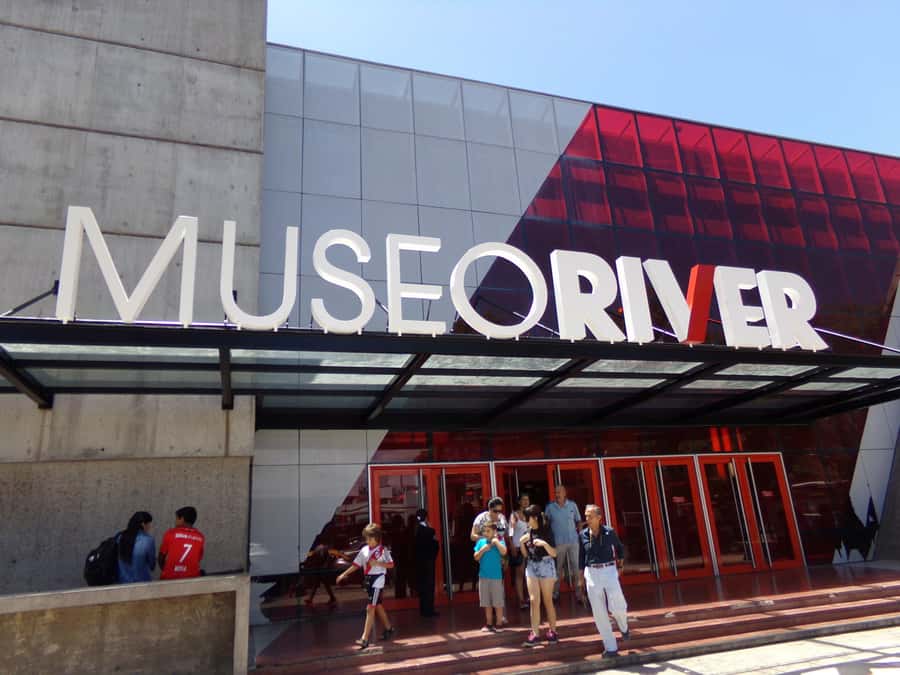
The tour begins at the River Plate Museum, where you meet your guide and enter through the designated skip-the-line access. The museum is the best place to start because it gives you the club’s story before you see the stadium itself.
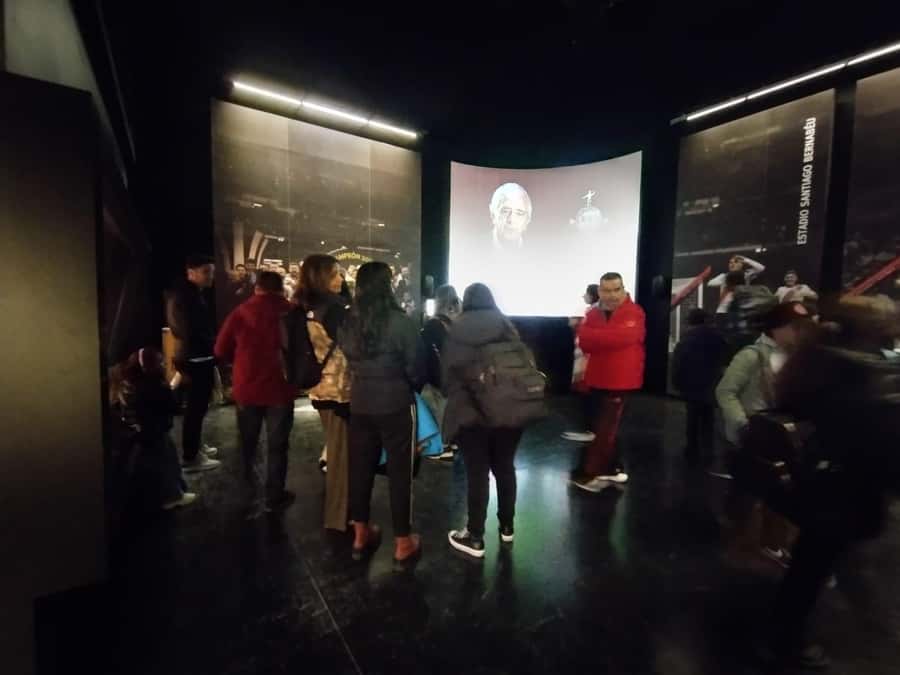
You can expect displays covering River Plate’s beginnings, major achievements, and famous moments. The supplied details do not specify every exhibit, so I would not book this expecting a fixed list of individual artifacts or player areas. Instead, think of the museum as the historical framework for the rest of the visit.
The private guide is important here. A museum display can be easy to skim, especially if you do not read Spanish. With English, Portuguese, or Spanish available, you can ask questions and get explanations that suit your interests. A football fan may want to focus on continental trophies and major matches. A first-time visitor to Argentine football may need more help understanding why River Plate and Boca Juniors are such fierce rivals.
The guide also helps turn a collection of dates and titles into a story. You can ask about the club’s early years, its rise, and its place among Argentina’s five great teams. A booking praised the guide Juan in particular, while another described the guide as friendly and willing to help. Those comments suggest that the quality of the personal guide can shape the experience in a good way.
Still, be clear about one point. The private format is advertised, but one dissatisfied booking reported receiving a guide from the stadium rather than the expected private service. I would confirm the guide arrangement before your visit, especially if personalized attention is the main reason you are paying $117.
Seeing El Monumental from the inside
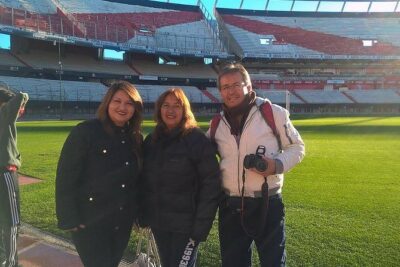
After the museum, the tour moves into the stadium. El Monumental has room for 86,000 spectators, making it the largest stadium in the Americas according to the supplied tour information. Even without a match underway, that scale is the main event.
A stadium of this size gives you a sense of how much space Argentine football occupies in public life. The seats, pitch, and surrounding structure are not just photo settings. They help explain how River Plate can draw such a large following and why match days carry such weight for supporters.
One special piece of context is Argentina’s victory in the 1978 World Cup. The stadium witnessed that national triumph, so your visit connects River Plate’s club story with one of Argentina’s most important football moments. That is a useful distinction: you are seeing a club stadium, but also a place tied to the national team.
The stadium portion may feel short to some people. One booking described the overall tour as a little short, though still good. If you are hoping to spend several hours wandering every section of the ground, that comment is worth taking seriously. The official duration is 2 to 3 hours, and the actual time may depend on access, group pace, and what the stadium permits that day.
The route may also change without much warning. Matches, concerts, training, refurbishment, cleaning, and renovations can limit access. The listed areas are the stadium, a single tunnel, and the visitors’ changing room, but you should treat these as planned access points rather than an absolute guarantee for every date.
Walking through the tunnel and changing room
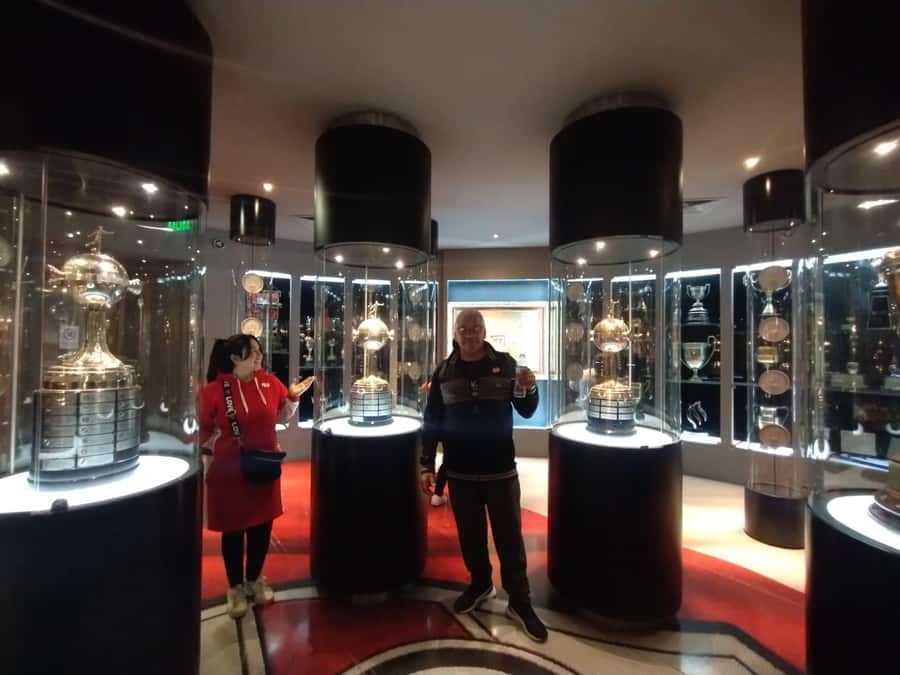
The tunnel is one of the most appealing stops for football fans. It is a small part of the stadium, but it connects the public seating area with the private working side of the game. Walking through it gives you a better sense of the route used by teams before they enter the field.
The visitors’ changing room offers another look at the practical side of football. It is not presented as the home changing room, so you should not assume access to every player facility. Still, the visitors’ room helps complete the stadium visit and gives you a glimpse of where an opposing team prepares.
These areas are also the most likely to be affected by stadium operations. A match or training session can close parts of the route. Concert construction, refurbishment, or cleaning may do the same. I would keep your expectations flexible and focus on the full experience rather than treating one room as the sole reason to book.
For football fans, the tunnel and changing room can be more memorable than another museum panel. For a general visitor, they may be quick stops. The private guide should help by explaining why each area matters instead of simply walking you through without context.
More Museums in Buenos Aires:
- Buenos Aires: Hop-On Hop-Off Bus and Football Museums
★ 4.3 · 39 reviews - River Plate Monumental Stadium and Museum Guided Tour
★ 4.5 · 39 reviews - Buenos Aires: Tickets to River Plate Museum
★ 4.6 · 32 reviews - AllMaradona Buenos Aires: Maradona House Museum and Stadium
★ 5.0 · 21 reviews
What the private format changes
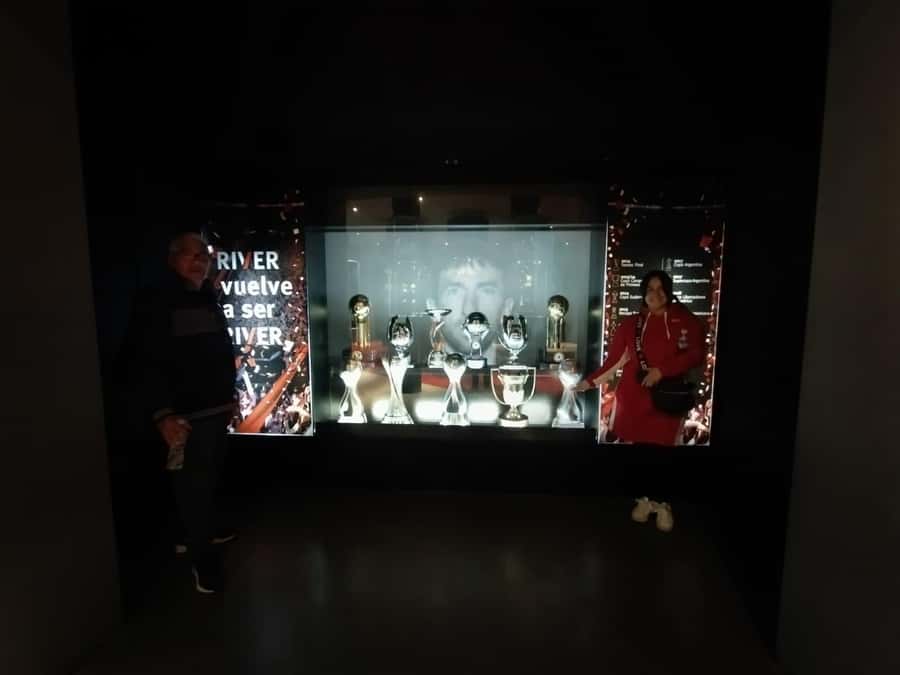
A private group is a good fit if you want to ask questions or travel with people who share your interest in River Plate. You are not being placed into a large general group, and the guide can speak directly with your party.
That can make a difference in the museum. You might want a quick overview, while another group could spend much longer on club trophies and famous matches. With a private guide, you have more chance of setting the tone and asking for explanations in your preferred language.
The guide language choices are English, Portuguese, and Spanish. This is helpful in Buenos Aires, where not every visitor is comfortable discussing detailed football history in Spanish. If you book in English or Portuguese, make sure the language is confirmed before the visit.
The private setup does not automatically mean hotel pickup. Transfers are not included, and the stated meeting point is the main entrance of the River Plate Museum. One positive booking comment mentioned hotel pickup, but that does not match the listed inclusions, so I would not rely on it unless it is specifically arranged.
Is the $117 price fair?
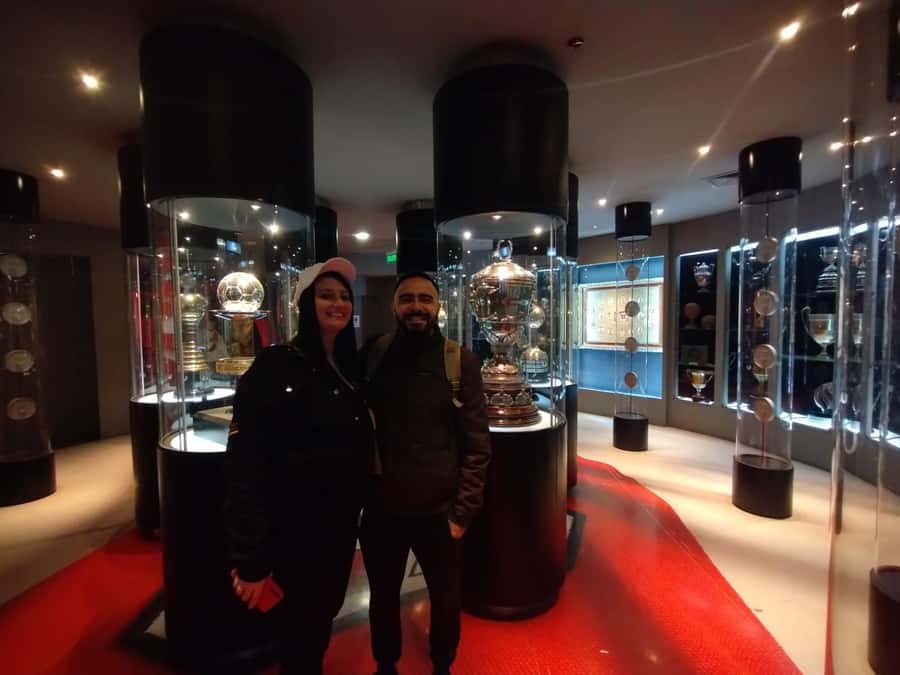
At $117 per person, this is not the cheapest way to see a football stadium. The value depends on what you want from the visit.
You are paying for a private group, a live guide, skip-the-line service, museum admission, stadium access, the tunnel, the visitors’ changing room, a snack, and souvenirs. For a committed River Plate supporter, the private guide and access to the club’s main spaces may justify the cost. The experience is more focused than simply buying museum entry and walking through at your own pace.
For a casual football fan, the price deserves more thought. You are not getting a match ticket, and transport is extra. The stadium route can also be shortened or changed because of events and maintenance. If your main goal is to take a few photos inside El Monumental, a lower-cost museum visit, if available, may offer better value.
The price becomes easier to defend if you are traveling with a small private party and want explanations in your language. It also works well for someone who sees River Plate as a key part of a Buenos Aires visit, rather than as a quick stop between other sights.
The snack and souvenir add a little extra value, but I would treat them as minor benefits. The museum, guide, and stadium access are the reasons to book. Since one recent booking reported not receiving the snack and raised concerns about the service, confirm what is included before you pay and again at the meeting point.
Timing, comfort, and what to bring
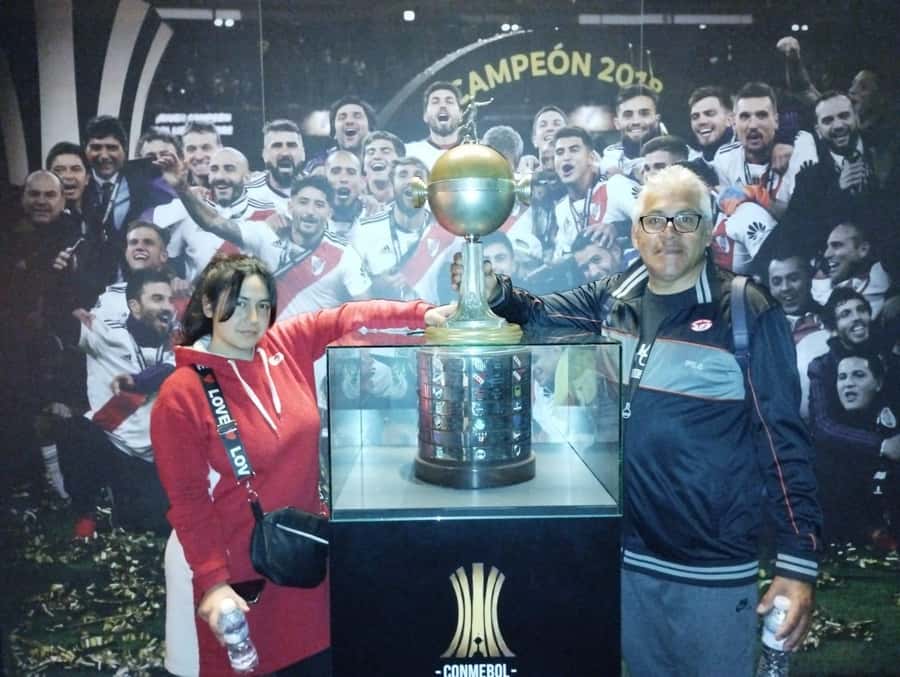
The tour lasts 2 to 3 hours, so it fits comfortably into a half-day plan. Check the available starting times when you book, then leave enough room around the visit in case the pace is closer to three hours.
Wear comfortable shoes. You will be moving through a large sports complex, and good footwear is more useful than dressed-up city clothes. Sunglasses, a sun hat, and sunscreen are also recommended. Biodegradable sunscreen is specifically requested in the preparation notes.
Bring your passport or ID card. The information lists both a passport and a passport or ID card, so carrying an accepted identity document is the sensible choice. Alcohol and drugs are not allowed.
The tour is wheelchair accessible, which makes it a practical option for visitors who need step-free access. However, the exact route can change because of stadium conditions, so it is wise to confirm current access needs when booking.
How to make the most of the visit
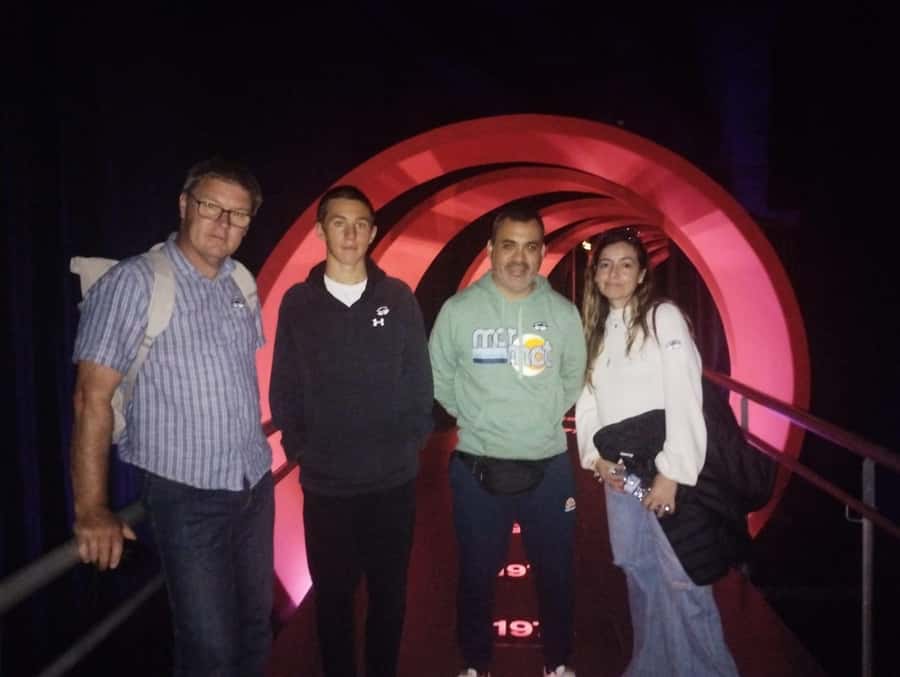
I would arrive ready with a few questions. Ask about the club’s four Copa Libertadores victories, the 1978 World Cup connection, the rivalry with Boca Juniors, and how the stadium is used outside match days. A private guide is most useful when you make use of that access.
If you are visiting from Brazil, Portuguese-language guiding may make the football details easier to follow. Spanish is useful for visitors comfortable with local conversation, while English offers a straightforward option for international visitors.
I would also confirm three points before the day:
- That your booking includes a private guide rather than only general stadium staff.
- That the snack and souvenir are available as described.
- That the tunnel and visitors’ changing room are open on your date.
These checks are especially useful because stadium access changes with matches, concerts, training, renovations, refurbishment, and cleaning. They do not mean the tour is poor. They simply mean a working stadium cannot promise the same route every day.
The strongest praise attached to this experience centers on the guide. Juan was singled out for excellent service, and another booking described the guide as friendly and helpful. That tells me the human part of the tour matters as much as the building. A good guide can make the difference between a quick stadium walk and a memorable lesson in Argentine football.
Who should book this River Plate tour?
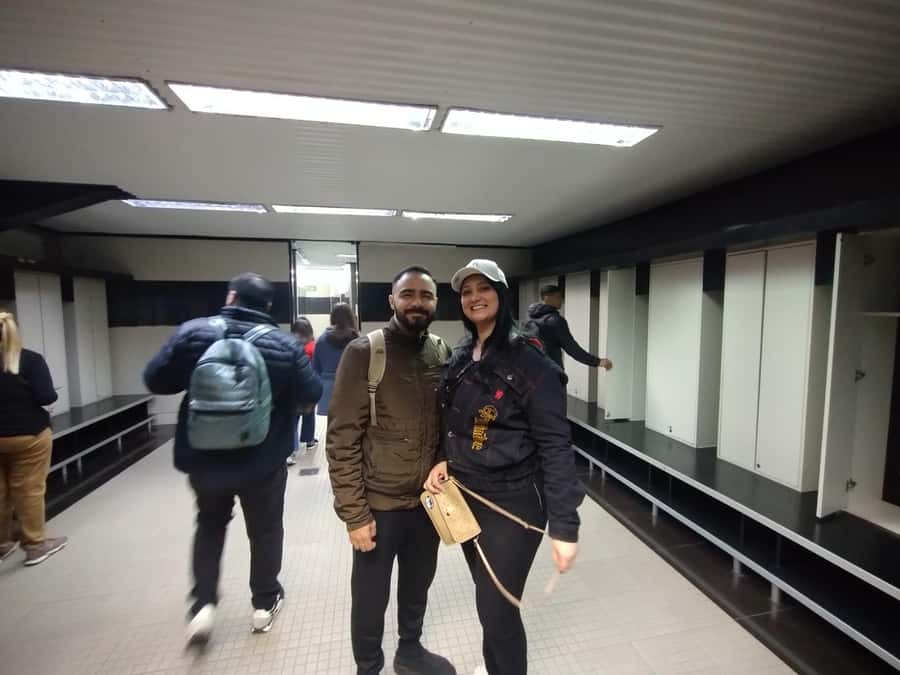
I would recommend it most strongly to River Plate supporters, football fans, and visitors who want a guided look at one of Buenos Aires’ major sports institutions. Families with a dedicated football fan may also find the private format easier than a fixed group visit.
It is less ideal if you dislike sports or want a broad tour of Buenos Aires. The experience stays focused on River Plate, its museum, and El Monumental. It also may disappoint if you expect guaranteed access to every stadium area on every date.
The tour suits you if you value context, language support, and a personal guide. It is also a good choice if skip-the-line entry saves you time and you prefer to have the key areas explained rather than finding your own way through the museum.
The overall rating is 4.4 from 15 ratings, which fits the picture here: strong enthusiasm from most bookings, with one serious complaint about access, the guide arrangement, and the missing snack. I would not ignore that complaint, but I also would not let it outweigh the repeated praise for the guides and the experience itself. Confirm the inclusions, then judge the $117 price against your interest in River Plate.
Should you book it?
Book this tour if El Monumental is high on your Buenos Aires list and you want a private, guided visit rather than a basic museum entry. The club’s trophy record, the 86,000-seat stadium, the 1978 World Cup connection, and access to the tunnel and visitors’ changing room give the visit real substance.
Skip it if you only want a quick photo, need guaranteed access to every area, or are watching your budget closely. Before booking, confirm the private guide, snack, souvenir, and available stadium route. For a serious football fan, those few checks can turn a worthwhile visit into one of the stronger sports experiences in Buenos Aires.
FAQ
Where does the River Plate Stadium and Museum tour meet?
The meeting point is the main entrance of the River Plate Museum.
How long does the tour last?
The tour lasts approximately 2 to 3 hours.
What does the tour include?
It includes skip-the-line access, tickets, museum entry, stadium access, a single tunnel, the visitors’ changing room, a snack, and souvenirs.
Is transportation included?
No. Transfers in and out are not included.
What languages are available?
Live guiding is available in English, Portuguese, and Spanish.
Is the tour private?
Yes. The activity is described as a private group tour with a private guide.
Is the tour wheelchair accessible?
Yes. The activity is listed as wheelchair accessible.
Can stadium areas close or change?
Yes. Access to the stadium, tunnel, and changing rooms may change because of matches, concerts, training sessions, renovations, refurbishment, cleaning, or similar stadium activity.
Latest additions in Buenos Aires
- Buenos Aires: 7 Hour Small Group “BA 101” Walk★ 5.0 · 3 reviews
- Unique Tigre and Delta Private Day Cruise Navegation★ 5.0 · 3 reviews
- Buenos Aires: Customizable City Tour in Polish★ 4.7 · 3 reviews
- Buenos Aires After Dark: A City Lights & Sunset Experience★ 5.0 · 3 reviews
- Tango Show at El Querandi with optional Dinner★ 4.2 · 3 reviews
- Velez Sarsfield Football Match★ 5.0 · 3 reviews
- Caminito, La Boca: vibrant neighborhood★ 5.0 · 3 reviews
- Café de los Angelitos – Traditional Night in Buenos Aires★ 4.8 · 3 reviews
Football & Boca Juniors Tours, compared.
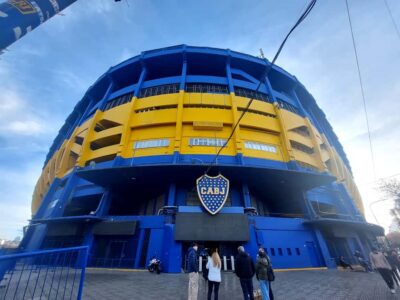
La Boca, a collective creation: Port, immigrants, arts and football
Read our review →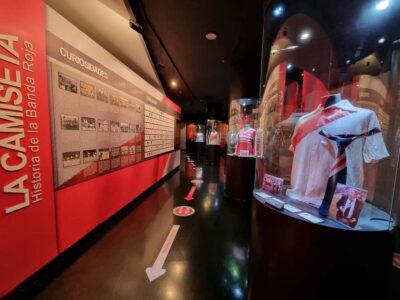
River Plate Monumental Stadium and Museum Guided Tour
Read our review →
Boca Juniors Game at La Bombonera with Local & Transport
Read our review →
Browse the lists this tour appears in