
Reviewed · FOOTBALL & BOCA JUNIORS TOURS
Buenos Aires: Tickets to River Plate Museum
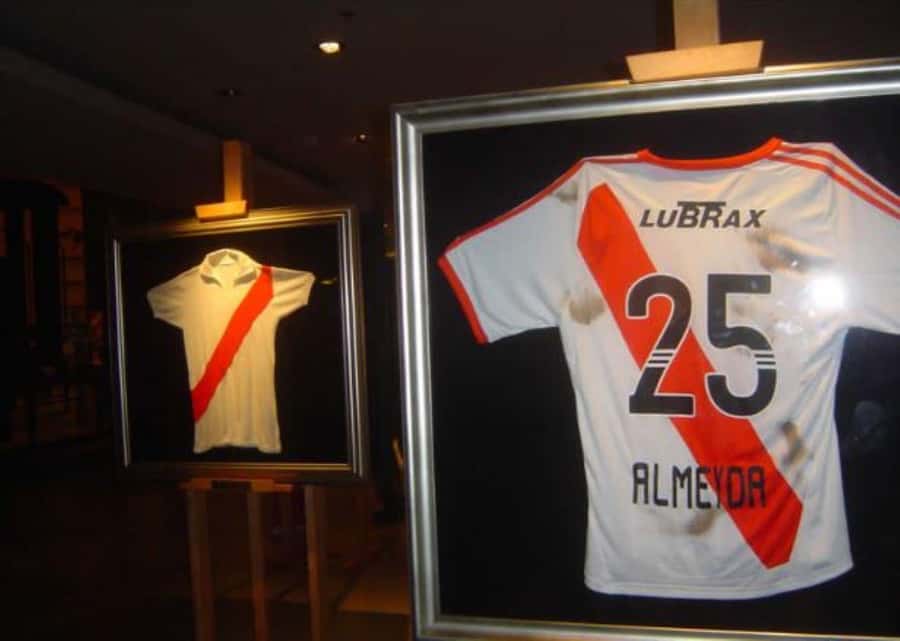
Football in Buenos Aires is more than a game. At the River Plate Museum, I like the chronological time tunnel and the 360 cinema, which turn club history into an emotional, easy-to-follow experience. I also like that the full visit can take you from the museum to the stands and playing field of Argentina’s largest stadium. The main caution is language: guided commentary may be in Spanish, with no English headset available.
This is a good choice for football fans, River Plate supporters, and curious visitors who want more than a quick stadium photo. At $27 per person, the museum ticket offers solid value if you choose the full visit, but stadium access can be affected on home-match days or when event equipment blocks part of the field.
In This Review
- Key points to know before you go
- Why the River Plate Museum matters in Buenos Aires
- Walking through the time tunnel
- The 360 cinema and the emotional side of football
- Choosing the full visit for stadium views
- Express or full visit: which option fits you?
- Guides, group size, and the human touch
- Is $27 a fair price?
- How to plan your visit
- Who will enjoy this most?
- Should you book the River Plate Museum?
- FAQ
- Where is the River Plate Museum experience located?
- How much does admission cost?
- How long is the ticket valid?
- Does the ticket include stadium access?
- Is transportation included?
- Is food included?
- Can I cancel my booking?
Key points to know before you go
- The time tunnel follows River Plate year by year, from its beginnings through professional football, famous teams, major goals, and trophies.
- The 360 cinema focuses on feeling as much as facts, showing why the club matters to millions of supporters.
- The full visit includes stadium access, with views from the stands and a look at the playing field.
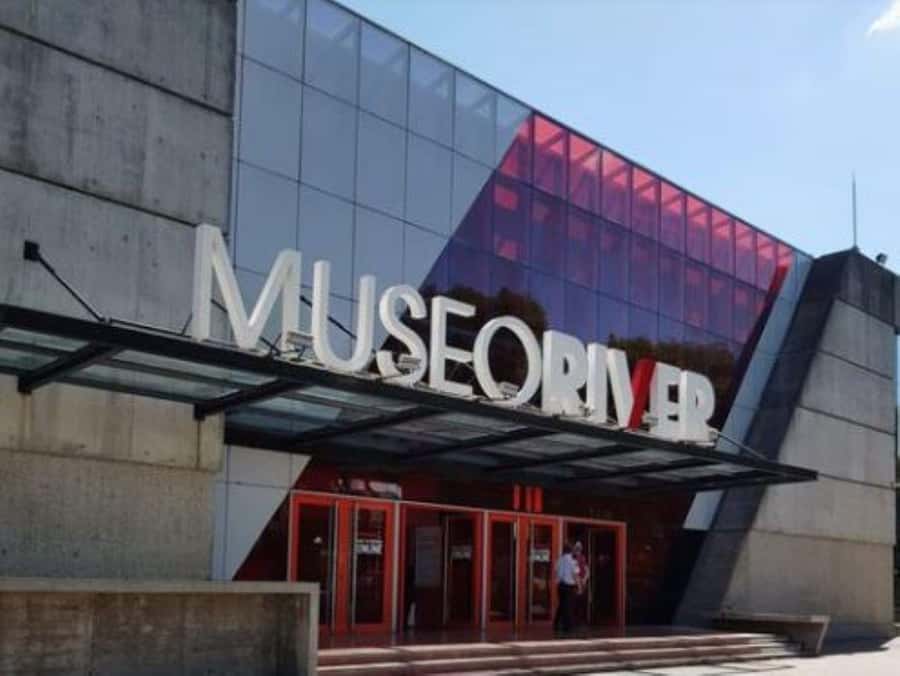
- The museum opened on November 9, 2009, and brings together important objects from River Plate’s past.
- A Spanish-only experience may be a problem, especially if you choose a guided visit and do not understand Spanish.
- Home matches can change the stadium portion, so check the date carefully before paying.
Why the River Plate Museum matters in Buenos Aires
Buenos Aires has football museums, football tours, and football talk everywhere. River Plate’s museum gives you a focused way to understand one club’s place in Argentine sport and culture.
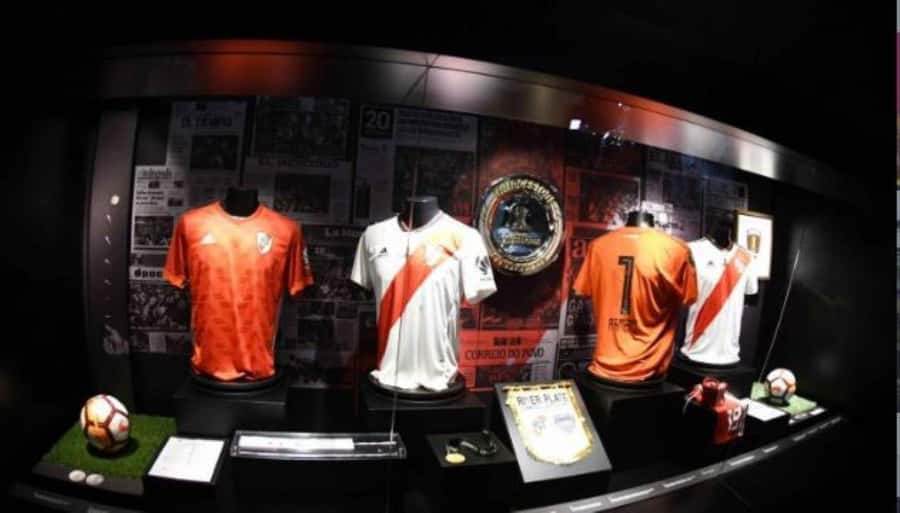
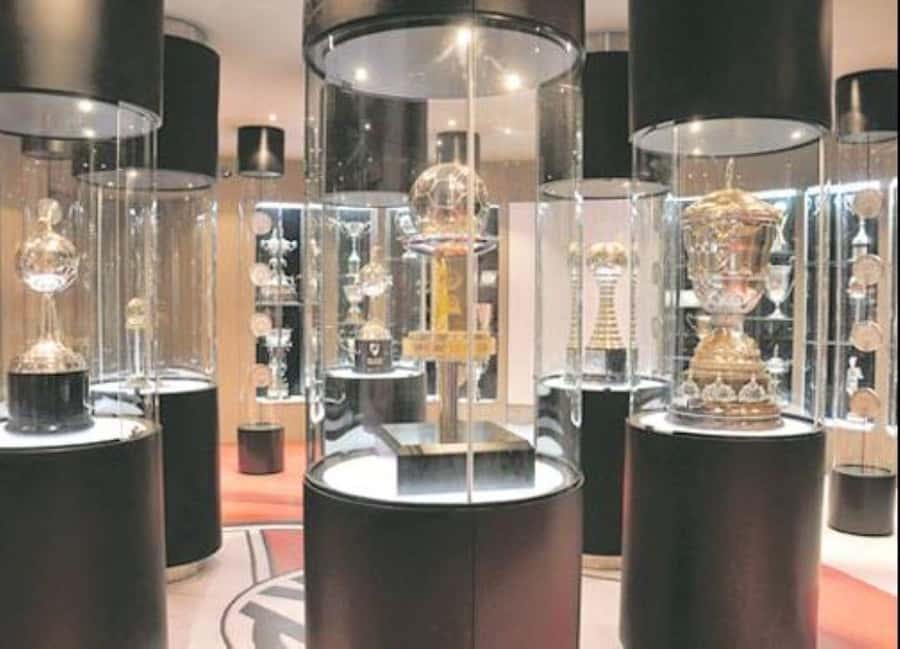
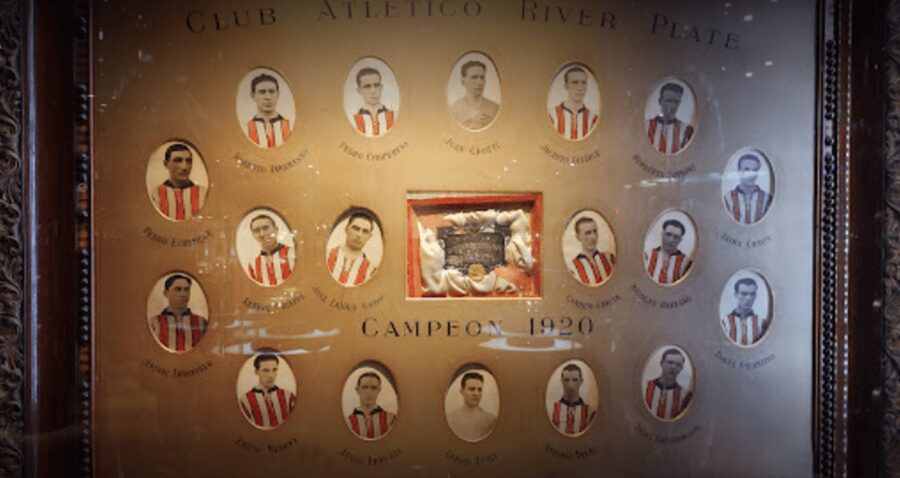
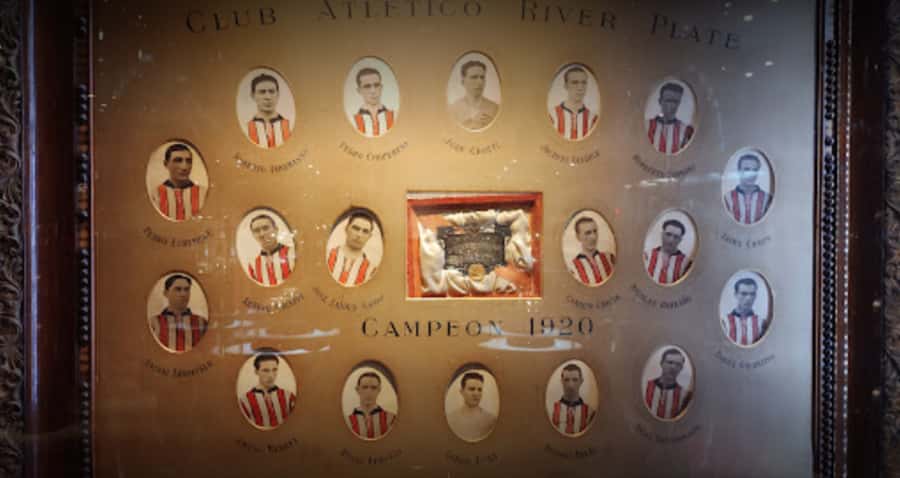
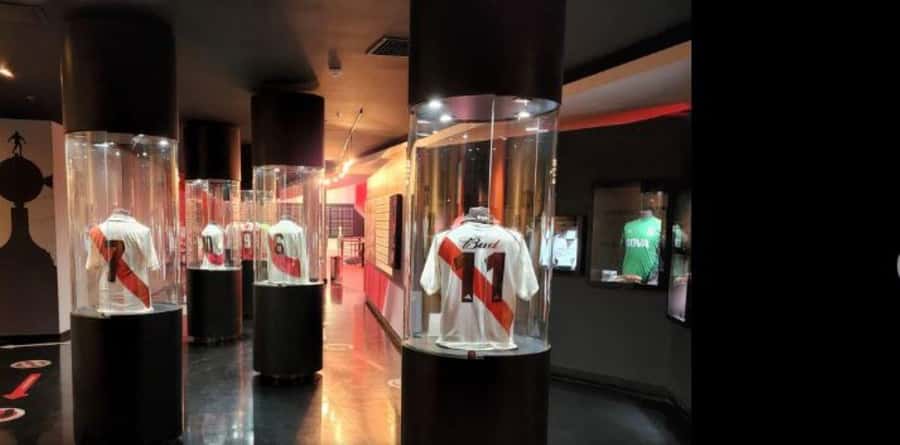
You are not simply looking at shirts behind glass. The experience is built around the club’s progress through time. You move through major eras, important players, successful teams, memorable goals, and trophies that helped shape River Plate’s identity.
I find that structure useful because football history can become a blur of names and dates. The time tunnel gives the story a clear order. You can see how the club developed, how professionalism changed the game, and how certain teams and victories became part of the club’s mythology.
The museum was founded on November 9, 2009. Its purpose is to hold some of River Plate’s most valuable football treasures in one place. That makes it especially worthwhile for supporters who want a closer look at the club beyond a match-day atmosphere.
You do not need to know every player or tournament before arriving. The displays are designed to introduce the club’s main figures and important moments. If you already follow River Plate, the pleasure comes from seeing familiar achievements gathered together. If you do not, the chronological format gives you enough context to follow the story.
More Football Tours in Buenos Aires:
- Buenos Aires: Tickets to Boca Juniors Museum & Stadium
★ 4.5 · 581 reviews - Buenos Aires: Boca Juniors and River Plate Football Tour
★ 4.3 · 82 reviews - Buenos Aires: River Plate and Boca Juniors Museum Tour
★ 4.5 · 72 reviews
Walking through the time tunnel
The time tunnel is the museum’s clearest organizing feature. Instead of presenting trophies and memorabilia as separate objects, it guides you through the club’s development in chronological order.
You can expect to encounter the origins of River Plate, its first steps in professional football, important teams, great games, notable goals, and major victories. The strength of this approach is that it connects individual moments to the larger story of the club.
I like this part because it helps you understand why a certain trophy or famous goal matters. A display has more meaning when you know what came before it and what followed. The museum is at its best when it links the club’s identity to the players and teams that carried it forward.
The experience is also built around memory. River Plate’s supporters do not view football as a simple record of results. A victory can represent a generation, a legendary player, or a moment shared by millions of people. The museum tries to capture that feeling rather than present a dry list of dates.
Give yourself time to read and look closely. The available information does not provide a fixed minute-by-minute schedule, so your actual pace may depend on the selected visit and the museum’s conditions that day. A quick visit can cover the main displays, but the full value comes from pausing at the teams, goals, and trophies that interest you most.
The 360 cinema and the emotional side of football
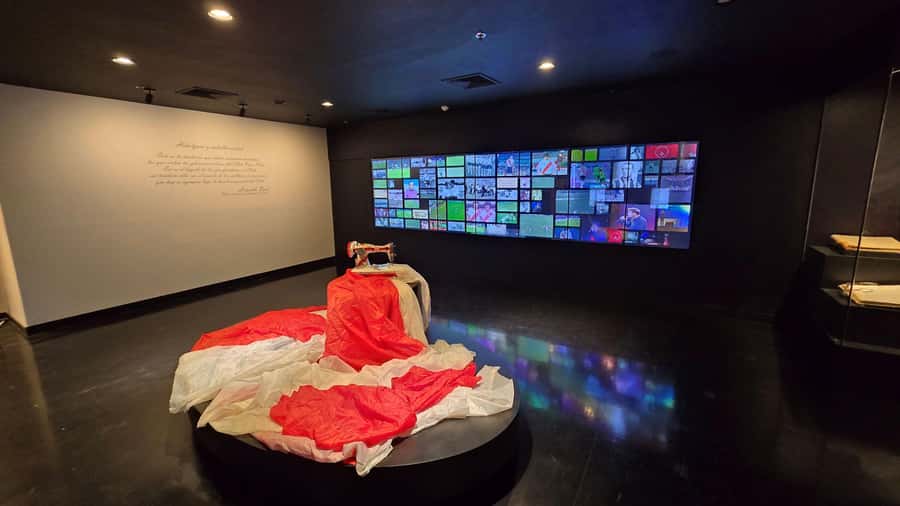
The 360 cinema is designed to express the feelings of River Plate’s supporters. This is different from a standard museum film. Instead of focusing only on facts, it aims to show the passion surrounding the club.
That matters because football museums can sometimes feel like collections of objects. The cinema adds atmosphere and reminds you that the trophies and famous matches are connected to real emotion. You get a sense of why River Plate means so much to its supporters.
I would treat this as one of the museum’s best features for first-time visitors. You may not recognize every player or understand every reference, but the emotional message is easier to grasp. It gives you a bridge into the culture of Argentine football.
The film also breaks up the museum visit. After moving through the time tunnel and reading about teams and victories, the cinema offers a more visual presentation. It helps keep the experience lively for families and for anyone who prefers images and sound to long written panels.
The supplied details do not confirm the film’s running time or language options. If you do not understand Spanish, the visual format may still work well, but you should not assume that every spoken explanation will be available in English.
Choosing the full visit for stadium views
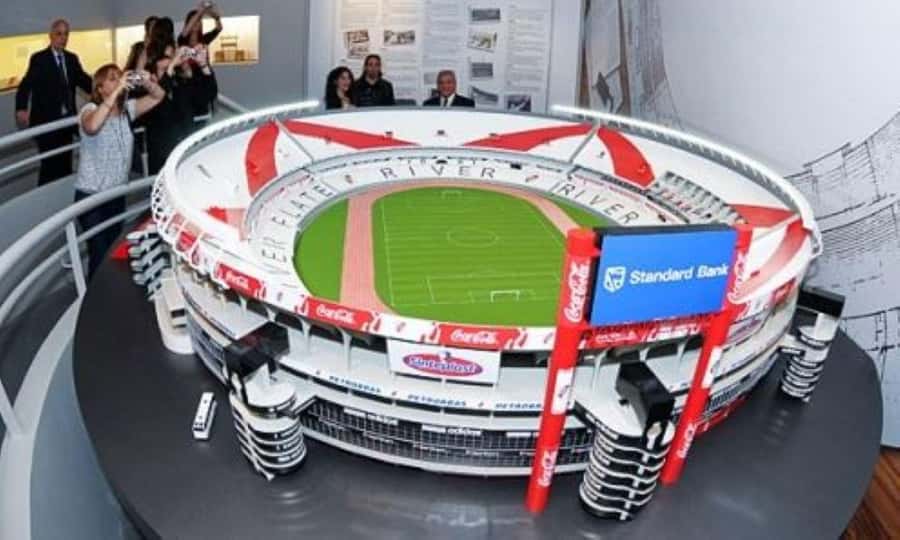
The full visit adds the part many people will be waiting for: the stadium.
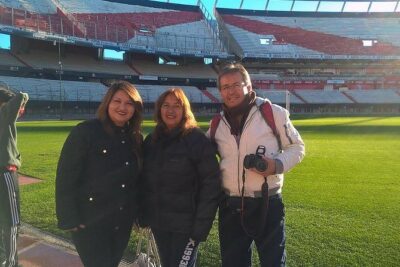
You can view Argentina’s largest stadium from the stands, with the seating area covering more than 3,437 square meters. You can also enter the playing field area and see it from the edge of the pitch. This changes the scale of the visit. The museum tells you about River Plate, while the stadium shows you the physical setting where that football tradition comes alive.
I like the full option because it gives your $27 more weight. A museum-only visit can be worthwhile for serious football fans, but adding the stands and playing-field access creates a fuller experience. You get both the club’s past and the place where matches are played.
The stadium portion is also useful if you cannot attend a match. You get a chance to see the venue in a quieter setting and consider its size from different viewpoints. The information provided does not promise a locker-room visit, player access, or a match simulation, so you should book this for the museum and stadium views rather than for extras that are not included.
There is an important limitation. If an event is taking place and a stage or other structure blocks part of the field, you cannot claim a refund simply because the view is incomplete. On days when River Plate plays at home, stadium entry may also be affected.
I would check the football calendar before booking. If the stadium view is the main reason you want the experience, avoid a date close to a home match when possible. If your schedule is fixed, go in with the understanding that the museum may remain accessible even if the stadium portion changes.
More Museums in Buenos Aires:
- Buenos Aires: Hop-On Hop-Off Bus and Football Museums
★ 4.3 · 39 reviews - River Plate Monumental Stadium and Museum Guided Tour
★ 4.5 · 39 reviews - AllMaradona Buenos Aires: Maradona House Museum and Stadium
★ 5.0 · 21 reviews - River Plate Stadium and Museum Guided Tour
★ 4.4 · 15 reviews
Express or full visit: which option fits you?
The full visit is the safer choice for most first-time visitors. It combines the museum with the stands and playing-field access, giving you a better sense of the club and its home ground.
The express option may suit you if you have limited time or mainly want to see the museum displays. But it comes with a practical warning. One booking for the express tour involved a long wait in a holding area, with no collection after 40 minutes. The visitor eventually spoke to staff and was moved to the full tour.
That kind of confusion can spoil an otherwise good outing. If you select express, arrive prepared to ask staff for help if the next step is not clear. Keep your booking details handy and do not silently wait if the stated meeting time has passed.
Language can make this harder. The same booking involved a full tour conducted in Spanish, and the visitor could not understand the guide. There was also no English audio headset available. I would not assume that an English guide or audio option will be provided unless the booking page specifically confirms it.
If you understand Spanish, the guided format may add useful context. If you do not, the museum’s visual displays, time tunnel, trophies, and cinema may still offer plenty to see, but you should choose with realistic expectations.
Guides, group size, and the human touch
The experience can be offered in a small group, which is useful in a museum where you may want to hear explanations and move without a large crowd around you.
The strongest personal feedback points to the guides. Fausto from Malta described the guide as very kind, while Cristian from Chile praised the guide’s courtesy and strong knowledge of the subject. Those comments fit the nature of this museum: a good guide can explain why a team, goal, or trophy matters instead of simply naming it.
Still, guide quality and language are separate issues. A friendly and well-prepared Spanish-speaking guide may be excellent for one visitor and difficult for another. You should check the language of the selected option before booking, especially if you want detailed explanations rather than a self-guided look around.
Pickup is optional. If you choose a pickup service, you are asked to wait five minutes before the indicated time in the lobby. Transfer is included only when you select the option that includes it, so do not assume that a standard museum ticket covers transportation.
The ticket is valid for one day, with starting times shown according to availability. That means you should check the date and time that suit your Buenos Aires plans rather than treating the ticket as an open-ended pass.
Is $27 a fair price?
At $27 per person, the value depends on the option you choose and your interest in football.
For a committed River Plate supporter, the price is reasonable because it combines club memorabilia, a chronological museum route, the 360 cinema, and, with the full option, access to the stands and playing-field area. The stadium component makes the ticket feel more substantial than a simple indoor exhibition.
For a casual visitor, the value is less automatic. If you have little interest in football, the displays may not hold your attention for long. The 360 cinema helps, but the experience is still centered on River Plate and its supporters.
Food is not included. That is easy to manage because the ticket is for the museum and stadium experience, not a dining package. Just plan your meal separately rather than expecting refreshments as part of the price.
The flexible booking terms also have practical value. You can cancel up to 24 hours in advance for a full refund, and you can reserve now and pay later. Those options help if your Buenos Aires schedule is still changing, though they do not remove the need to check match dates and stadium conditions.
How to plan your visit
Start by deciding what you want from the experience. If you mainly want club history and trophies, the museum itself may be enough. If you want to see the stadium from the stands and approach the playing field, select the full visit.
Next, check the language. Do not rely on an English audio headset unless it is clearly listed. A Spanish guided visit may work well if you understand Spanish, but you could miss much of the explanation if you do not.
Then check for a home match or stadium event. A match can affect entry, while staging or other equipment can limit your view of the field. The museum remains the core attraction, but the stadium portion is the part most likely to change.
If you use optional pickup, wait in the lobby five minutes before the stated time. For any option, keep an eye on the meeting arrangements. The express-tour confusion described above is a reminder that you should speak with staff quickly if the group does not arrive.
Plan for a full day of ticket validity, not necessarily a full day inside the museum. The actual visit length is not specified, so leave enough room in your schedule for the selected start time, the museum route, the cinema, and stadium access if included.
Who will enjoy this most?

I would recommend this experience first to River Plate supporters and football fans who want club-specific history rather than a general Buenos Aires sightseeing stop.
It also suits visitors who are curious about the passion behind Argentine football. You may not follow River Plate closely, but the time tunnel and 360 cinema offer a clear introduction to the club’s importance.
Families could find the visual displays and cinema easier to enjoy than a museum made up only of text. The stadium access gives children something tangible to look forward to, though the amount of Spanish commentary may affect how much they understand.
I would be more cautious if you want an English-language guided tour, guaranteed stadium access, or a tightly managed express visit. Those needs are not fully supported by the information available.
Should you book the River Plate Museum?
Book it if you want a focused look at River Plate, enjoy football culture, or value the chance to see a major Argentine stadium from the stands and field edge. I would choose the full visit, check the football calendar, and confirm the language before paying.
Skip it if you have little interest in football or need a guaranteed English explanation. The museum can still be enjoyable without Spanish, but the tour’s strongest personal feedback centers on friendly guides, while the clearest criticism concerns organization and language.
For the right visitor, $27 is a fair price for the museum, cinema, trophies, and possible stadium access. Just treat match-day restrictions and Spanish commentary as real planning concerns, not small footnotes.
FAQ
Where is the River Plate Museum experience located?
It is located in Buenos Aires Province, Argentina.
How much does admission cost?
The listed price is $27 per person.
How long is the ticket valid?
The ticket is valid for one day. You need to check availability for the available starting times.
Does the ticket include stadium access?
Stadium access is available with the full visit option. This includes views from the stands and access to the playing-field area.
Is transportation included?
Transportation is included only if you choose the ticket option that includes transfer. Pickup is optional.
Is food included?
No. Food is not included in the ticket price.
Can I cancel my booking?
Yes. You can cancel up to 24 hours in advance for a full refund. You can also reserve now and pay later.
Latest additions in Buenos Aires
- Buenos Aires: 7 Hour Small Group “BA 101” Walk★ 5.0 · 3 reviews
- Unique Tigre and Delta Private Day Cruise Navegation★ 5.0 · 3 reviews
- Buenos Aires: Customizable City Tour in Polish★ 4.7 · 3 reviews
- Buenos Aires After Dark: A City Lights & Sunset Experience★ 5.0 · 3 reviews
- Tango Show at El Querandi with optional Dinner★ 4.2 · 3 reviews
- Velez Sarsfield Football Match★ 5.0 · 3 reviews
- Caminito, La Boca: vibrant neighborhood★ 5.0 · 3 reviews
- Café de los Angelitos – Traditional Night in Buenos Aires★ 4.8 · 3 reviews
Football & Boca Juniors Tours, compared.
La Boca, a collective creation: Port, immigrants, arts and football
Read our review →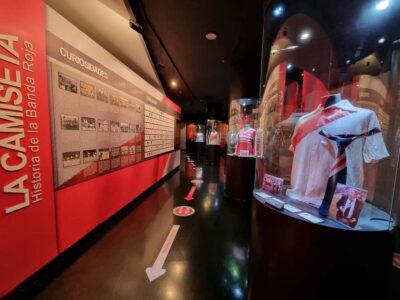
River Plate Monumental Stadium and Museum Guided Tour
Read our review →
Boca Juniors Game at La Bombonera with Local & Transport
Read our review →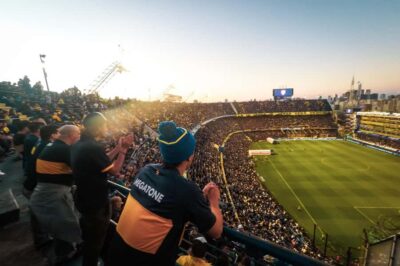
Browse the lists this tour appears in