
Reviewed · LA BOCA & SAN TELMO TOURS
Buenos Aires: San Telmo and Market Guided Walking Tour
San Telmo makes history easy to walk. This $13 guided tour links colonial churches, 19th-century facades, comic-strip art, and the San Telmo market in just two hours. I like the strong mix of architecture and everyday culture, and I also like the chance to learn how immigration helped shape modern Buenos Aires.
The main consideration is group size. One guest found more than 30 people difficult on narrow streets, while others said guides kept large groups together well. Sunday can also mean a crowded fair, but that lively crush is part of the appeal.
In This Review
- Key points to know before you go
- Why San Telmo works so well for a first Buenos Aires walk
- Starting at Parroquia San Ignacio de Loyola
- Iglesia y Convento de San Francisco
- Colonial streets and 19th-century collective houses
- Clemente and Paseo de la Historieta
- Meeting Mafalda in San Telmo
- Inside Mercado San Telmo
- The Sunday fair and San Telmo’s public life
- The guides make the difference
- Is $13 good value?
- Who should take this walking tour?
- My verdict: book it if you want context with your sightseeing
- FAQ
- How long does the San Telmo walking tour last?
- What language is the tour conducted in?
- How much does the tour cost?
- Where does the tour begin?
- How can I identify the guide?
- Where does the tour finish?
- Does the tour include a visit to Mercado San Telmo?
- Does the tour include the Sunday street fair?
- What happens if it rains?
Key points to know before you go
- A compact introduction to San Telmo: Two hours gives you a useful first look at Buenos Aires’ oldest neighborhood without taking up half your day.
- The Sunday fair adds local energy: When your walk runs during the Sunday street fair, expect music, art, stalls, crowds, and plenty to watch.
- Mafalda gives the history walk a playful turn: The famous comic character and other figures along Paseo de la Historieta connect Buenos Aires with its own pop culture.
- The San Telmo Market is more than a photo stop: You can see the traditional indoor market and get a feel for Argentine food and neighborhood life.
- Guides are the heart of the experience: Santiago, Juan, and Jorge have all been praised for clear explanations, humor, warmth, and answers to questions.
- Bring practical walking gear: The tour runs rain or shine, and cobblestones, narrow streets, and a crowded fair call for comfortable shoes.
Why San Telmo works so well for a first Buenos Aires walk
San Telmo is a good place to begin understanding Buenos Aires because the neighborhood puts several layers of the city close together. You get colonial churches, old collective houses, immigrant influences, public art, food traditions, and modern Argentine identity within a compact walking route.
I like that this is not only a parade of grand buildings. The guide connects the streets to the people who lived and worked here, then moves naturally into the city’s modern culture through Mafalda and Paseo de la Historieta. That balance helps you see San Telmo as a living neighborhood rather than an open-air museum.
The walk is conducted in English and lasts two hours. That is enough time for a useful orientation, but not enough for long interior visits or a slow meal. Think of it as a focused introduction that can help you decide where to return later.
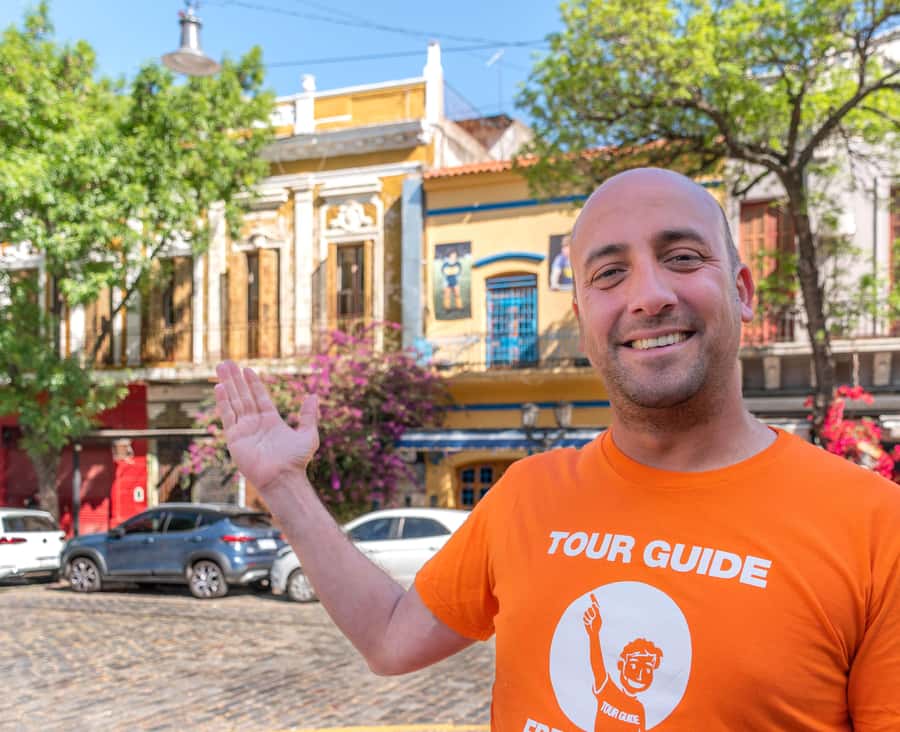
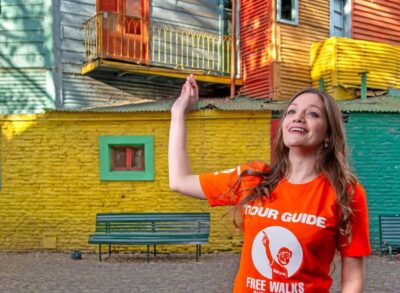
The starting point is Parroquia San Ignacio de Loyola. The meeting signal is practical: look for an orange T-shirt or orange umbrella. That matters in a busy central area, especially if several walking groups gather nearby.
More Walking Tours in Buenos Aires
- Buenos Aires Hop-On Hop-Off Bus, Free Walking Tours & Discounts
★ 4.5 · 2,218 reviews - Buenos Aires: La Boca Guided Walking Tour in English
★ 4.8 · 1,587 reviews - Nazis in Buenos Aires: a historical walking tour
★ 4.9 · 193 reviews
Starting at Parroquia San Ignacio de Loyola
The tour begins at Parroquia San Ignacio de Loyola, placing you near some of Buenos Aires’ oldest religious and colonial landmarks. From the first minutes, the guide sets up the story of the city’s foundation and explains how early Buenos Aires developed around institutions such as churches and convents.
You should expect the opening section to focus on origins, architecture, and city formation rather than quick sightseeing alone. This is where a good guide gives the rest of the walk some shape: later buildings, streets, and customs make more sense once you understand the city’s early foundations.
The guide’s role matters here. Santiago has been praised for his warm manner and ability to answer questions, while Jorge was singled out for detailed explanations. Juan has also earned repeated praise for combining historical knowledge with humor and clear communication.
That range of guide styles is useful because San Telmo can feel visually busy. A strong guide helps you notice why a facade matters, not just that it looks old.
Iglesia y Convento de San Francisco
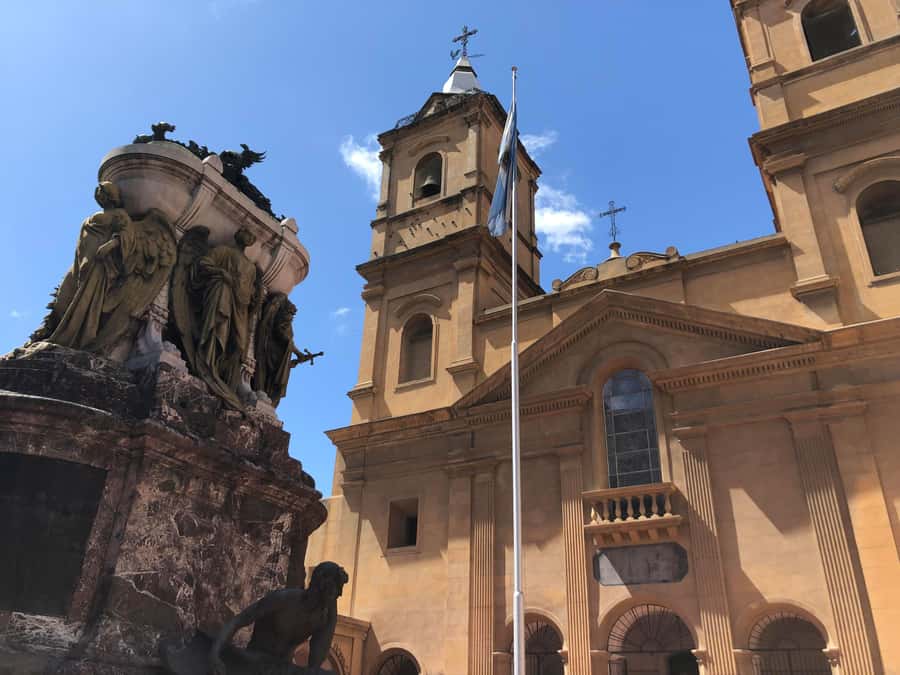
The route continues to Iglesia y Convento de San Francisco, one of the tour’s major architectural and religious stops. Here, the focus shifts toward colonial Buenos Aires and the role of faith, institutions, and public buildings in the early city.
The visit is guided rather than simply a quick exterior glance. You can expect explanations about the building’s place in Buenos Aires history and its architectural character, with the guide adding context that a casual walk past the church would miss.
I find this kind of stop especially valuable for visitors who do not know much about Argentine history. A church facade can be impressive, but its meaning is easier to grasp when someone explains how the city grew, which groups influenced it, and how older structures fit into modern Buenos Aires.
The route does not promise a long formal church tour, so keep your expectations realistic. The strength is the connection between several sites, not extended time at any single one.
Colonial streets and 19th-century collective houses
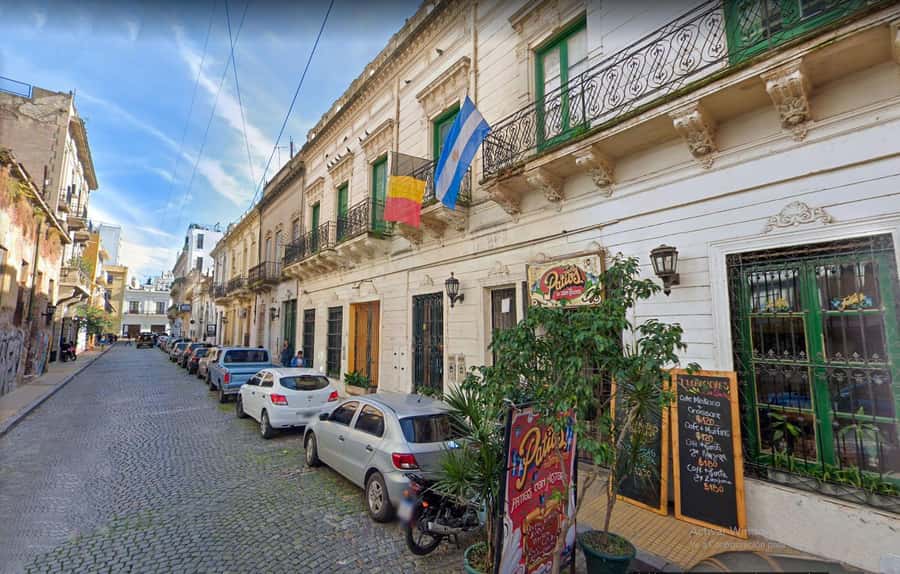
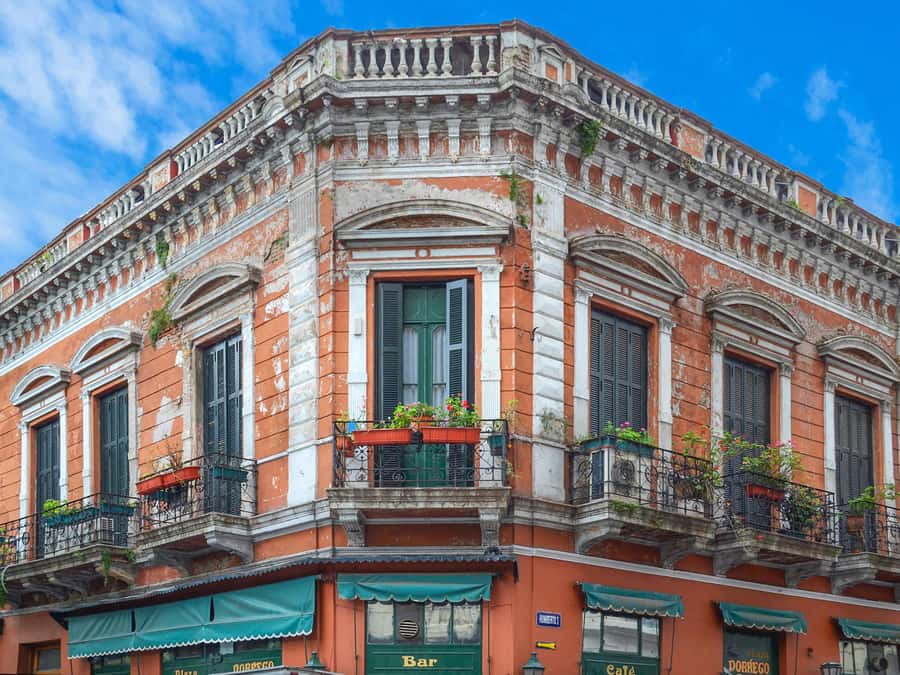
As you move through San Telmo, the street itself becomes part of the lesson. Cobblestones and picturesque 19th-century facades give the neighborhood a different feel from Buenos Aires’ broader avenues and newer districts.
The collective houses are particularly useful for understanding urban life. Their facades point to a period when many residents shared one property, reflecting the growth of the city and the role of immigration in shaping local culture.
Your guide explains the stories behind these buildings and the changes that turned San Telmo into the neighborhood you see today. I like this section because it shows that architecture is not decoration alone. It records how people arrived, lived, worked, and adapted to a growing city.
The practical downside is the walking surface. Cobblestones can slow the group, and narrow streets can make it hard to hear if you drift too far behind. Stay near the guide, and do not treat the walk like a photo-only stroll.
One guest found a group of more than 30 people awkward on narrow streets. Other guests said guides handled large groups well by keeping everyone together, projecting their voices, and stopping for questions. Your experience may depend partly on the day’s group size.
More La Boca and San Telmo Tours:
- Buenos Aires: Navigation from Pto. Madero to La Boca
★ 4.1 · 147 reviews - San Telmo: Historical Guided Tour with Street Food & Drinks
★ 5.0 · 87 reviews - Buenos Aires Bike Tour: San Telmo and La Boca Districts
★ 4.5 · 74 reviews - BA Flavors Food Tour in San Telmo and Boca With Local Guide
★ 5.0 · 67 reviews
Clemente and Paseo de la Historieta
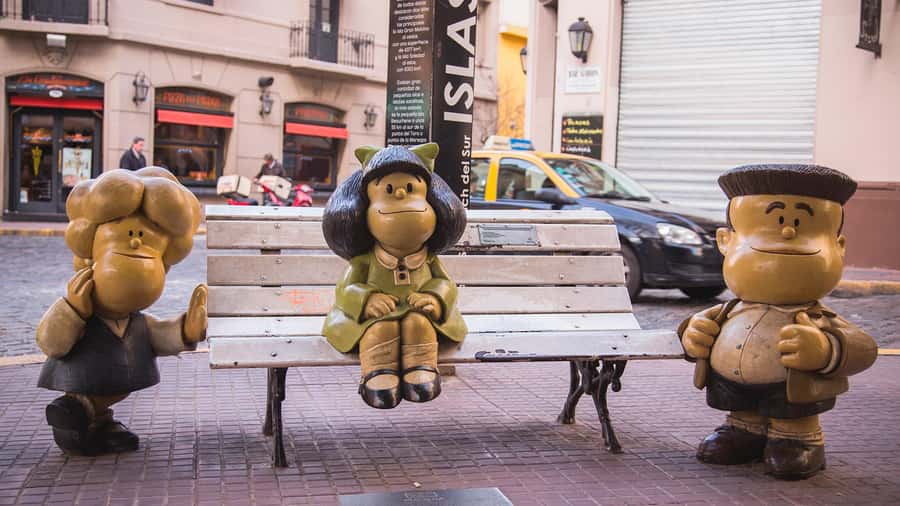
The walk then takes a lighter turn at Clemente and Paseo de la Historieta. These cartoon-style sculptures and murals introduce a distinctly Argentine part of San Telmo, where local comic characters become public art.
Clemente is an important figure in Argentine comic culture, and this stop helps show that Buenos Aires’ identity is not limited to colonial buildings and European influences. You get a glimpse of the city’s humor and creative life in a form that is easy to enjoy even if you do not know the character beforehand.
This is also a good point for families and anyone who prefers a few playful stops between historical explanations. The sculptures make attractive photographs, but the guide adds more value by explaining their cultural place.
I appreciate the change of pace. A history walk can become heavy if every stop involves dates and monuments. Paseo de la Historieta keeps the route human and accessible, while still adding useful context about Argentine popular culture.
Meeting Mafalda in San Telmo
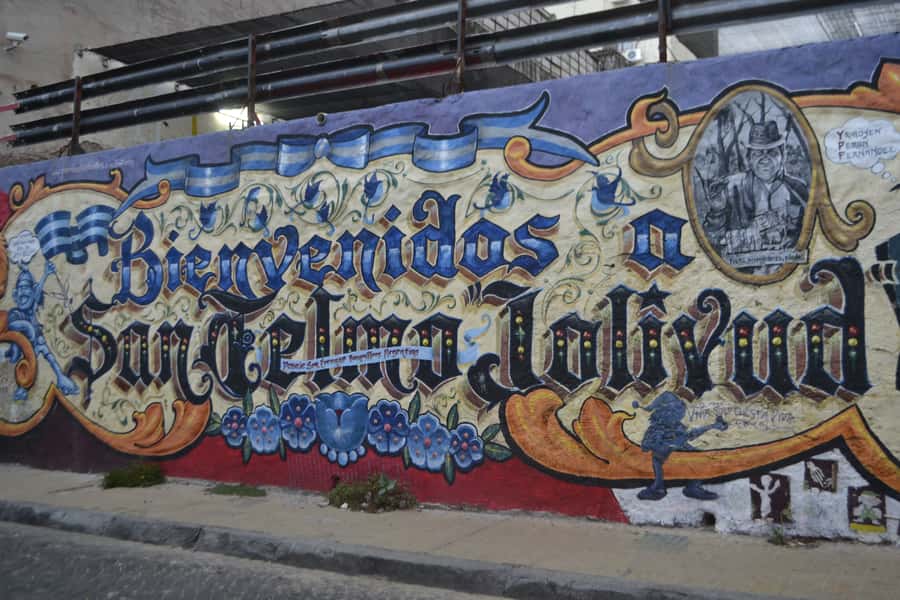
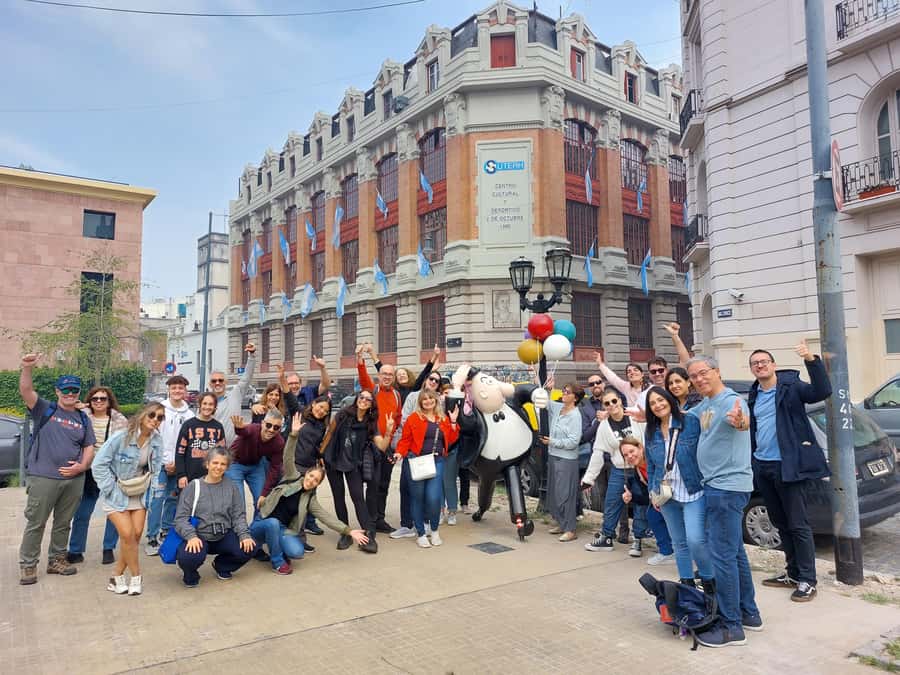
The Mafalda statue is one of the best-known stops on the route. Mafalda, the sharp-witted Argentine comic character created by Quino, has become a symbol of Buenos Aires and a favorite meeting point for photographs.
The statue gives the tour a clear link between local culture and the wider world. You are not simply seeing a famous cartoon figure. You are learning why this character matters to Argentines and how comic art can express a city’s humor, concerns, and personality.
Expect a popular photo stop, particularly when the surrounding streets are busy. Your guide may need to keep the group moving, so this is not necessarily the place for a long private photo session.
Still, it is a memorable part of the walk. I like that the tour does not treat culture as something found only inside museums. In San Telmo, it appears on sidewalks, walls, and public corners.
Inside Mercado San Telmo
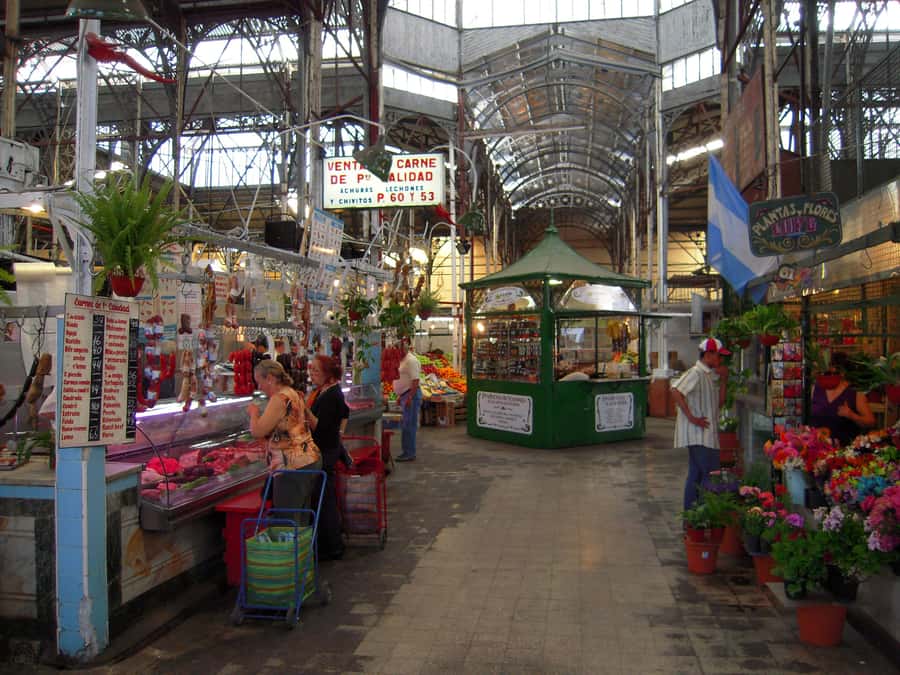
Mercado San Telmo brings the route back to food and daily life. The traditional indoor market offers a look at the neighborhood’s long-standing commercial side, along with the chance to see or sample Argentine food.
The market is valuable because it gives you a different view of San Telmo. Churches and old facades tell one story, while stalls, food counters, and shared indoor spaces show how people use the neighborhood today.
Do not assume the two-hour schedule includes a full meal. The market is part of a guided walk, so you may have time to look, ask questions, and sample something, but the precise amount of free time can vary with the group and the pace.
I would treat this as a good scouting visit. If you see a food stall you like, note its location and return later with more time. The guide can help explain what you are seeing, which is useful if Argentine food is new to you.
The market can be crowded and noisy. That adds atmosphere, but it can also make it harder to stay beside the guide. Keep the orange marker in sight and pay attention when the group moves on.
The Sunday fair and San Telmo’s public life
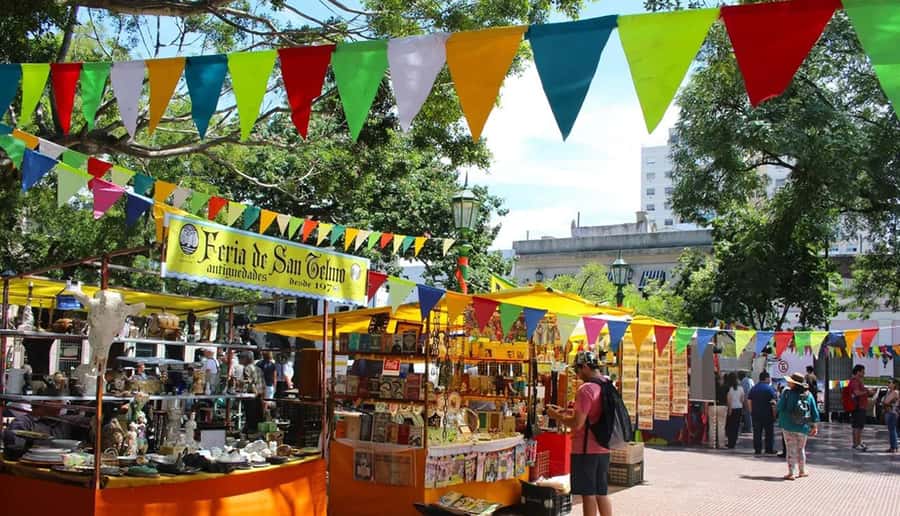
The walk finishes in San Telmo, with the route designed to include the neighborhood’s lively Sunday street fair when scheduled at that time. This is where the tour shifts from historic streets to a large public gathering filled with stalls, music, art, and local activity.
The fair is one of the strongest reasons to choose this experience on a Sunday. One guest described it as chaotic but worthwhile, especially with a guide who could provide an insider view of the market. Another said the walk ended near San Telmo square, where tango dancers added a memorable final scene.
You should expect crowds. Narrow streets and packed stalls can make the group harder to follow, and browsing freely is not the main purpose of the tour. The reward is seeing San Telmo at full volume, with its street culture on display.
If you want a quieter architectural walk, a non-Sunday departure may suit you better, if available. If you want the neighborhood’s public life, street art, food, music, and tango in one visit, Sunday offers more atmosphere.
The fair also gives the guide a chance to explain how San Telmo functions as both a historic district and a social meeting place. That is a useful distinction. The neighborhood is not preserved in amber. It is old, but it is also active, commercial, noisy, and creative.
The guides make the difference
The strongest feature of this tour is the guiding. Santiago has been praised for warmth, humor, local knowledge, and patient answers. Juan is repeatedly described as funny, kind, and clear, with a talent for adjusting his explanations to the group.
Jorge has also been praised for the depth of his explanations. That matters because the route covers several subjects in a short period: city foundations, religion, architecture, immigration, food, comic art, and public culture.
I would not book this as a self-guided substitute if you only want a route map. The main value comes from interpretation. Without a guide, you could still photograph the churches, Mafalda statue, market, and facades, but you would miss much of the connection between them.
The group size is the one point to watch. Large English-speaking groups have worked well for many people, with guides projecting their voices and answering questions. Still, the narrow streets and fair crowds can make a big group feel less personal.
Is $13 good value?
At $13 per person, this is an unusually inexpensive way to get a structured introduction to San Telmo. The price includes a two-hour English-speaking guide, and the route covers several major sights instead of focusing on one building.
I see the value in three areas:
- Orientation: You learn how the neighborhood fits into Buenos Aires history.
- Interpretation: The guide explains architecture, immigration, comic art, and food culture.
- Efficiency: You can cover a lot in two hours, then return to the places that interest you most.
The low price also means you should not expect a private tour or a leisurely food experience. It is a group walk, and the schedule has to keep moving. If you want detailed museum-style treatment at every stop, you may need a longer or more specialized tour.
The reserve-now-and-pay-later option keeps your plans flexible, and cancellation is allowed up to 24 hours before the tour for a full refund. Those policies are useful when your Buenos Aires schedule is still changing.
Who should take this walking tour?
I think this tour suits first-time visitors who want a quick, useful introduction to Buenos Aires. It is also a good choice if you enjoy local stories, street scenes, architecture, and food markets more than formal museum visits.
Solo visitors can fit in easily. One person who attended alone found it a worthwhile experience, and the guided format makes it easy to share the walk without arranging a private group.
Families may enjoy the Mafalda statue, Clemente, and the other cartoon-style sculptures. The mix of visual stops keeps the route from feeling like a long lecture, although young children still need to manage two hours of walking.
History fans will appreciate the church, colonial, and immigration material. Food-focused visitors should see the market as an introduction rather than a dedicated tasting tour.
You may want another option if you dislike crowds, have difficulty walking on cobblestones, or prefer to spend a long time inside each attraction. The tour takes place rain or shine, so check the forecast and bring suitable clothing.
My verdict: book it if you want context with your sightseeing
Book this tour if you want to understand San Telmo rather than simply pass through it. For $13, you get a compact route through churches, old facades, public art, Mafalda, the indoor market, and, on the right day, the Sunday fair.
I would especially choose it early in a Buenos Aires visit. The guide can give you a useful sense of the neighborhood, while the market and fair help you mark places to revisit later. Aim to stay close to the orange T-shirt or umbrella, wear comfortable shoes, and accept that Sunday may be crowded.
Skip it only if you want a quiet, private walk or a full food tour. For most visitors seeking history, local culture, and strong value in a short time, this is a smart San Telmo introduction.
FAQ
How long does the San Telmo walking tour last?
The tour lasts two hours.
What language is the tour conducted in?
The live tour is conducted in English.
How much does the tour cost?
The listed price is $13 per person.
Where does the tour begin?
The meeting point is Parroquia San Ignacio de Loyola.
How can I identify the guide?
The guide uses an orange T-shirt or an orange umbrella.
Where does the tour finish?
The walk finishes in San Telmo.
Does the tour include a visit to Mercado San Telmo?
Yes. Mercado San Telmo is included as a guided stop, where you can see the traditional indoor food market and sample Argentine cuisine.
Does the tour include the Sunday street fair?
The route includes the lively Sunday street fair when the tour takes place during that event. The fair features music, art, and local culture.
What happens if it rains?
The tour runs rain or shine. You should bring clothing and footwear suitable for the weather and cobblestone streets.
Latest additions in Buenos Aires
- Buenos Aires: 7 Hour Small Group “BA 101” Walk★ 5.0 · 3 reviews
- Unique Tigre and Delta Private Day Cruise Navegation★ 5.0 · 3 reviews
- Buenos Aires: Customizable City Tour in Polish★ 4.7 · 3 reviews
- Buenos Aires After Dark: A City Lights & Sunset Experience★ 5.0 · 3 reviews
- Tango Show at El Querandi with optional Dinner★ 4.2 · 3 reviews
- Velez Sarsfield Football Match★ 5.0 · 3 reviews
- Caminito, La Boca: vibrant neighborhood★ 5.0 · 3 reviews
- Café de los Angelitos – Traditional Night in Buenos Aires★ 4.8 · 3 reviews
La Boca & San Telmo Tours, compared.

Historical Guided Tour with Street Food & Drinks
Read our review →
Buenos Aires Bike Tour: San Telmo and La Boca Districts
Read our review →
BA Flavors Food Tour in San Telmo and Boca With Local Guide
Read our review →
La Boca, a collective creation: Port, immigrants, arts and football
Read our review →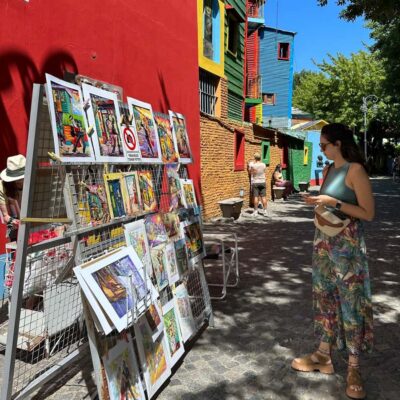
Browse the lists this tour appears in