Reviewed · TICKETS
Buenos Aires: Palacio Barolo Entry Ticket and Guided Tour
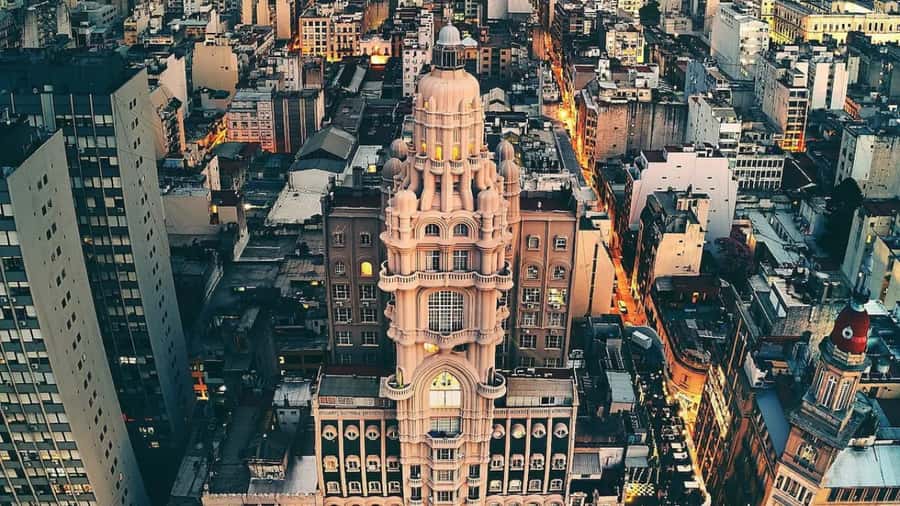
Buenos Aires keeps a secret above the traffic. Palacio Barolo makes architecture feel like a storybook, with Dante-inspired design, ornate halls, and a lighthouse high above the city. I especially like the bilingual Spanish and English guiding and the chance to see Buenos Aires from the summit. The main caution is physical: the last eight floors require a narrow stair climb.
I also like that the 90-minute visit gives you more than a quick photo stop. Guides such as Ana, Martina, Silvina, Roxy, and Veronica have been praised for making the building’s design and past easy to follow. At $67 per person, the price is fair if you value expert explanation and rooftop views, but it may feel high if you only want access to a few floors.
In This Review
- Key things to know before you go
- Why Palacio Barolo is worth your time
- Starting at the entrance on Avenida de Mayo
- Reading the building through Art Nouveau and Art Deco
- The story behind the palace
- Taking the elevator to the 14th floor
- Reaching the lighthouse above Buenos Aires
- How good is the bilingual guiding?
- Is $67 a fair price?
- Who should book this experience?
- Final verdict: book it for the building and the view
- FAQ
- How long does the Palacio Barolo tour last?
- What is included in the ticket?
- Is transportation included?
- Where do I meet the guide?
- Can I take an elevator to the top?
- Are the upper stairs narrow?
- Is the tour suitable for people with mobility impairments?
- Which languages are available?
- How far ahead should I book?
Key things to know before you go
- The final eight floors are stairs: You can reach the 14th floor by elevator, but the last section involves narrow stairways and tight spaces.
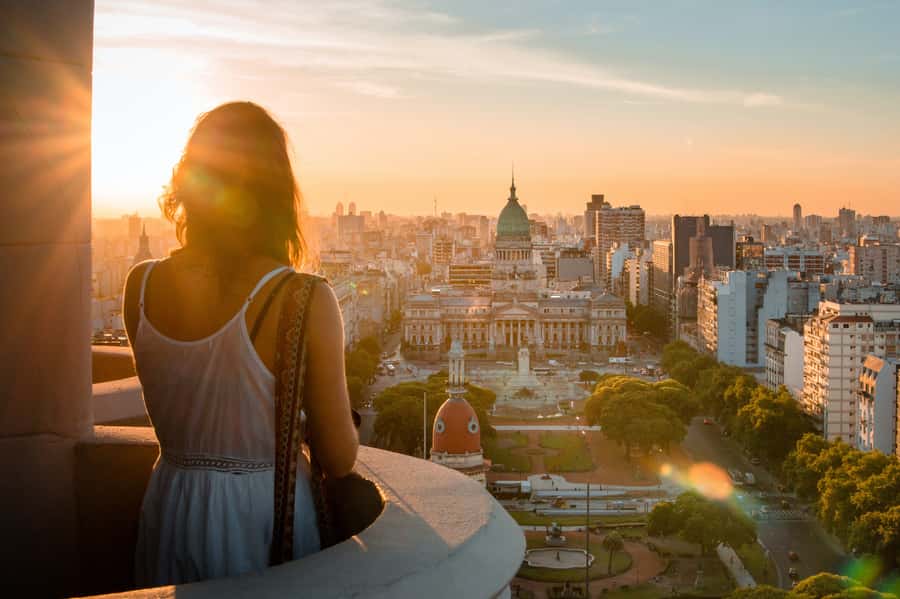
- The lighthouse is the payoff: The summit offers wide views across Buenos Aires, with sunset especially appealing.
- The tour is bilingual: Live guiding is available in Spanish and English, often in the same group.
- The building mixes styles: Look for Art Nouveau curves, Art Deco touches, ornate decoration, and symbols connected with Dante’s Divine Comedy.
- The visit lasts 90 minutes: That is enough time for context, interior details, and the upper levels without taking up half your day.
- Book several days ahead: Availability is limited, and next-day reservations may be canceled if no place is open.
Why Palacio Barolo is worth your time
Palacio Barolo is not simply an old office building with a good view. Its design was inspired by Dante Alighieri’s Divine Comedy, giving the tour a literary thread that runs through the architecture. You are asked to look at the building as a symbolic journey, not just as a collection of decorated rooms.
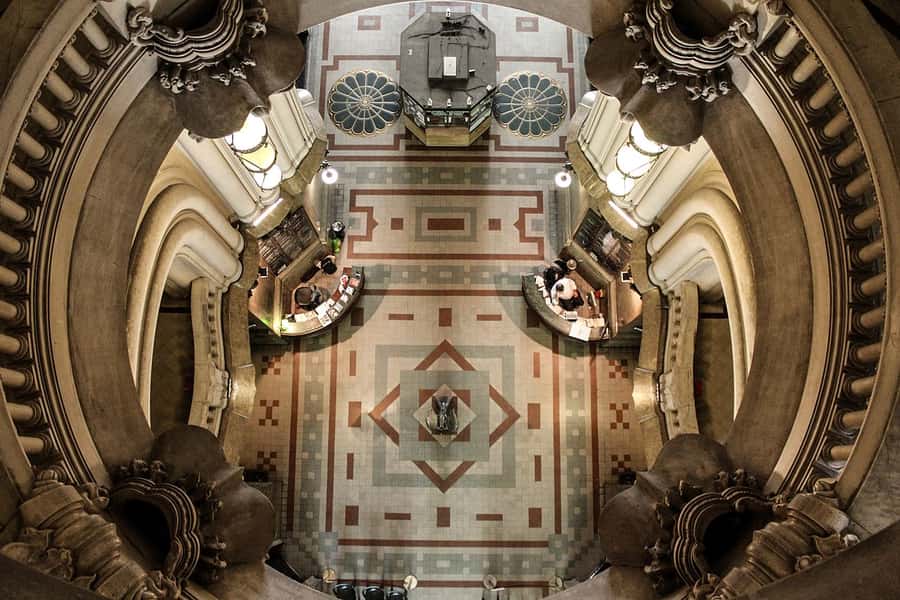
That idea gives the visit more shape. Instead of walking through a grand entrance, taking a lift, and rushing to a terrace, you get a sense of how the architect connected art, literature, light, and height. The building’s lavish interiors reflect the wealth and ambition of early 20th-century Buenos Aires.
I would not choose this tour only for Dante, though. The experience leans heavily toward architecture, construction, business, and the building’s development over time. If you expect a detailed retelling of the entire poem, you may find the literary side lighter than expected.
The strongest parts are the combination of indoor decoration and outdoor views. You can study the small design choices in the halls, then climb upward for a completely different view of the city. That change from close-up detail to wide panorama helps the building make sense.
A few more trips in Buenos Aires worth weighing up
- Buenos Aires: Tickets to Boca Juniors Museum & Stadium
★ 4.5 · 581 reviews - Teatro Astor Piazzolla Skip-the-Line Ticket
★ 4.5 · 367 reviews - Teatro Colon Guided Tour Admission Ticket
★ 4.0 · 208 reviews
Starting at the entrance on Avenida de Mayo
You meet at the entrance to Palacio Barolo and show your ticket before joining the guided visit. The activity includes the entry ticket, so you do not need to arrange a separate admission.
There is no transportation included. You need to reach the building on your own, so leave enough time for city traffic and finding the entrance. One family arrived about 10 minutes late because of traffic, and the guide made an effort to bring them into the explanation. Still, I would not count on being late without consequences. Arrive early when you can.
The skip-the-ticket-line feature is useful because it keeps the start simple. You are not spending your limited Buenos Aires time sorting out admission at the door. Confirmation can take up to 48 hours and depends on availability, so do not wait until the last minute to reserve.
The maximum booking is five tickets. That matters if you are traveling with a larger family or group, since you may need more than one reservation.
Reading the building through Art Nouveau and Art Deco
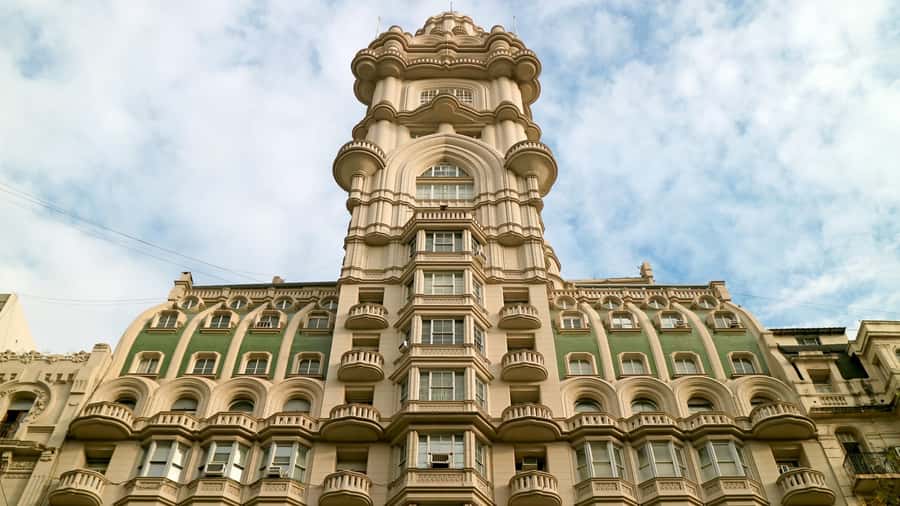
The first part of the tour focuses on Palacio Barolo’s interior. This is where the guide adds real value. You can see the decoration on your own, but it takes a trained eye to explain how the building’s styles and symbols fit together.
Look for the mix of Art Nouveau and Art Deco elements. Art Nouveau is known for flowing lines and decorative shapes, while Art Deco favors stronger geometry and a more structured look. Palacio Barolo brings these visual ideas together in a way that reflects the period when Buenos Aires was growing in confidence and wealth.
The halls and corridors are designed to impress. Their decoration is not casual background detail. It reflects the building’s original ambition and the owner and architect’s wish to create something grand in the center of the city.
I find guided architecture tours most useful when they tell you what to notice. Here, the explanation helps turn carved details, patterns, and unusual spaces into part of a larger plan. The guide may also connect the design to Dante’s poem, so you can see the palace as a symbolic route from lower spaces toward light at the top.
The tour is conducted in Spanish and English. The exact rhythm of the two languages can vary, but the bilingual format makes this a practical choice for visitors who do not speak Spanish. Guides including Roxy and Ana have been praised for switching between languages clearly, while Silvina was noted for including everyone and making eye contact with the group.
That human touch matters in a group tour. One guide, Fernanda, was also praised for helping create a comfortable place for people who chose not to complete the upper climb. You may be traveling with someone who wants the view but not the tight stairway, and the tour allows for that kind of choice.
The story behind the palace
Palacio Barolo’s connection to The Divine Comedy is the feature that gives the building its unusual character. The design draws on the poem’s movement through darkness, transition, and light. The tour uses that connection to explain why the building feels more theatrical than an ordinary commercial structure.
You should keep your expectations measured. The visit is not presented as a literature seminar, and the focus is also on the people behind the building, its construction, and its later development. One useful description of the experience is that it offers more about architecture and entrepreneurs than about the book itself.
That is not a weakness for most visitors. It gives you a broader picture of Buenos Aires at a time when major buildings expressed social ambition. The palace becomes a way to think about the city’s cultural identity, not merely a setting for a few photographs.
Several guides have been singled out for making this story entertaining. Elisabetta’s guide was praised for being lively and well informed, while Charles described Martina’s explanation of the history and architectural features as especially effective. Veronica was credited with explaining the building’s design, construction, and changes over time.
You will get the most from the tour if you ask questions. The guides are described as open to them, and the 90-minute format leaves room for conversation without turning the visit into a long lecture.
A completely different sort of day in Buenos Aires:
- Buenos Aires Hop-On Hop-Off Bus, Free Walking Tours & Discounts
★ 4.5 · 2,218 reviews - Buenos Aires: Piazzolla Tango Show with Optional Dinner
★ 4.4 · 2,122 reviews - Buenos Aires: City Highlights Guided Tour with Transfer
★ 4.7 · 1,946 reviews - Buenos Aires: Hop-On Hop-Off City Bus Tour
★ 4.2 · 1,855 reviews
Taking the elevator to the 14th floor
The elevator takes you to the 14th floor, which makes the upper part of the building possible for many people who would not want to climb every level. This is a useful detail, but it does not make the entire experience step-free.
From the 14th floor, you must climb the final eight floors by stairs. The stairway passes through narrow spaces, so this part can feel tight and demanding. You should wear comfortable shoes and think honestly about your comfort with heights, enclosed areas, and uneven effort.
The final climb is optional in practice. If you do not want to continue, you may be able to wait on a lower floor, including a shop area mentioned by one visitor. That means a couple or family does not necessarily have to split up for the entire tour. One person can make the climb while another waits nearby.
Still, the activity is officially not suitable for people with mobility impairments. The elevator only covers part of the route, and the narrow stair section is a central part of reaching the lighthouse.
I would also avoid treating the final climb as a minor detail. The stairs are part of the character of the visit, but they are not comfortable for everyone. If you are claustrophobic or afraid of heights, you may prefer to enjoy the terrace or lower viewpoint and skip the last section.
Reaching the lighthouse above Buenos Aires
The lighthouse is the tour’s great reward. At the top, you get 360-degree views over Buenos Aires, including major landmarks, streets, and the broad spread of the city.
The views are especially strong near sunset. One visitor described the sunset from the top as worth the full price, and another called the views from the terrace and lighthouse spectacular at the end of the day. If the available starting time lines up with late afternoon, that may be the best choice for photographs and changing light.
The lighthouse also gives the tour a sense of purpose. You have spent the first part studying decoration and symbols, then moved through the building toward an open viewpoint. The city below provides context for the palace’s height and ambition.
Bring your phone or camera, but keep your hands free for the stairs. The upper spaces can be narrow, so large bags or extra equipment may make the climb less pleasant. The supplied information specifically recommends comfortable shoes and carrying a passport or ID card.
The summit is not just a photo platform. It helps you understand Buenos Aires from above, with the city arranged around the palace rather than the palace isolated from it. That is why I would give the rooftop portion more weight when judging the price.
How good is the bilingual guiding?
The guide can make or break a short architecture tour. Here, the feedback is strongly positive. Guides are repeatedly praised for clear explanations, good energy, kindness, and an ability to keep the history interesting.
Roxy was described as professional, friendly, and strong in both Spanish and English. Ana was praised for conducting the tour in both languages and for being kind. Silvina was noted for speaking understandable English, using excellent Spanish, and making sure the whole group felt included.
That does not mean every visitor will experience the same guide or the same pace. A bilingual tour naturally takes longer to cover information because each point may be explained in two languages. The advantage is access; the tradeoff is that the tour may feel less detailed in each language than a private, single-language visit.
The best approach is to see the bilingual format as a practical benefit, not a promise of a private English tour. If you have a question, ask it. The guides are described as welcoming questions, and the 90 minutes are designed to include explanation rather than just escorting you upstairs.
The group can include Spanish and English speakers together. One family joined a group of 22 people, which gives you a sense that the visit may feel social rather than private. If you prefer a quiet, personal tour, this may not be your ideal format. If you like hearing different languages and sharing a landmark with others, it works well.
Is $67 a fair price?
At $67 per person, Palacio Barolo is not a bargain entry ticket. You are paying for the building, a bilingual guide, skip-the-line access, and the chance to reach the lighthouse.
The price makes the most sense if you care about architecture and want the story explained. The guide helps you notice details you might otherwise pass without understanding, and the rooftop views add something that a standard interior visit would lack.
The value is weaker if you only want to climb high for a photograph. One visitor felt the entry cost was expensive for the number of floors accessible during the tour. That is a fair concern, especially because the building is not explored from every level.
The tour lasts 90 minutes, so it does not consume a full morning or afternoon. That helps balance the price, particularly if you schedule it near sunset and pair it with another central Buenos Aires sight before or after.
I would treat it as a special-interest visit rather than a basic sightseeing stop. Architecture fans, photographers, and people who enjoy literary symbolism are likely to feel they received good value. A visitor who is mainly looking for a cheap city viewpoint may want to compare the cost with other ways to see Buenos Aires.
Who should book this experience?
I would recommend Palacio Barolo to you if you enjoy buildings with a strong concept. The Art Nouveau and Art Deco details give you plenty to look at, while the Dante connection adds a layer of meaning.
It is also a good choice for first-time visitors who want a broad city view without spending several hours on a full-day excursion. You receive the ticket, guide, and summit access in a compact 90-minute visit, but transportation remains your responsibility.
The tour suits couples and families well if everyone understands the stair situation. A person who does not want to make the final climb can wait on a lower floor, but the narrow upper section may still be unsuitable for some visitors.
I would be cautious about booking if you have a mobility impairment, strong claustrophobia, or a serious fear of heights. The elevator does not reach the lighthouse, and the final eight floors are reached only by stairs through narrow spaces.
Book several days ahead. Availability is limited, and reservations from one day to the next are often not possible. Free cancellation is available up to 24 hours before the start time, and you can reserve now and pay later, which helps if your Buenos Aires schedule is still shifting.
Final verdict: book it for the building and the view
You should book Palacio Barolo if you want more than a quick look at an impressive façade. The bilingual guides, strong architectural story, ornate interiors, and lighthouse views create a well-rounded city experience.
The biggest decision is not the 90-minute length. It is the final climb. If you can manage narrow stairs and want the best view, aim for a late-day time and make the summit your payoff. If you cannot, the building and lower viewpoints can still be worthwhile, but the $67 price may feel harder to justify.
For me, the tour earns its place on a Buenos Aires itinerary because it connects design, literature, city growth, and views in one compact visit. It is not the cheapest attraction, and it is not fully accessible, but for an architecture-minded visitor who plans ahead, it offers a memorable look at the city from an unusual angle.
FAQ
How long does the Palacio Barolo tour last?
The guided tour lasts 90 minutes.
What is included in the ticket?
The price includes admission to Palacio Barolo and a guided bilingual tour in Spanish and English.
Is transportation included?
No. You need to make your own way to the entrance at Palacio Barolo.
Where do I meet the guide?
Meet at the entrance to Palacio Barolo and show your ticket.
Can I take an elevator to the top?
The elevator reaches the 14th floor. The final eight floors must be climbed by stairs.
Are the upper stairs narrow?
Yes. The last eight floors involve stairs through narrow spaces.
Is the tour suitable for people with mobility impairments?
No. The experience is listed as unsuitable for people with mobility impairments because the final section requires a stair climb.
Which languages are available?
Live guiding is available in Spanish and English.
How far ahead should I book?
Booking several days in advance is recommended because availability is limited. Next-day tickets are often unavailable and may lead to cancellation.
Latest additions in Buenos Aires
- Buenos Aires: 7 Hour Small Group “BA 101” Walk★ 5.0 · 3 reviews
- Unique Tigre and Delta Private Day Cruise Navegation★ 5.0 · 3 reviews
- Buenos Aires: Customizable City Tour in Polish★ 4.7 · 3 reviews
- Buenos Aires After Dark: A City Lights & Sunset Experience★ 5.0 · 3 reviews
- Tango Show at El Querandi with optional Dinner★ 4.2 · 3 reviews
- Velez Sarsfield Football Match★ 5.0 · 3 reviews
- Caminito, La Boca: vibrant neighborhood★ 5.0 · 3 reviews
- Café de los Angelitos – Traditional Night in Buenos Aires★ 4.8 · 3 reviews
Tickets, compared.
From Puerto Iguazu: Argentinian Iguazu Falls with Ticket
Read our review →
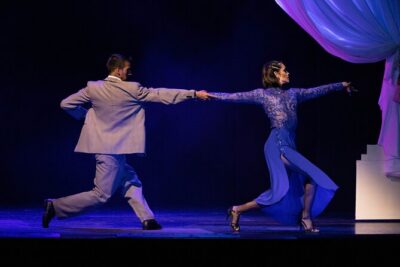
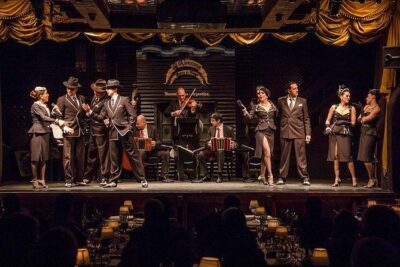
Entrance Ticket to La Ventana Tango Show with Optional Dinner
Read our review →
Helicopter Ride Over the Iguazu Falls – Admission Ticket
Read our review →