
Reviewed · FOOD & DRINK
Buenos Aires: Mate & paint experience with pastry tasting
Paint your way into Argentine culture. This three-hour Buenos Aires experience pairs mate tasting with an easy art class, giving you a useful lesson in local life and a handmade souvenir. I like the relaxed pace and the chance to taste facturas, alfajorcitos de maicena, and biscochitos de grasa while learning how mate is prepared. The main drawback is that the activity is not suitable for wheelchair users.
I also like the small group size, limited to 10 people, and the warm teaching style of Jazmin, who speaks Spanish, English, French, and Italian. You do not need painting skills, and solo visitors may receive especially personal attention. Just remember that paint can get messy, so wear clothes you will not worry about.
In This Review
- Key points to know before you book
- Why mate makes such a good Buenos Aires activity
- Meeting near Salta Street and Independencia Avenue
- The mate lesson comes before the paint
- Argentine pastries make the lesson feel local
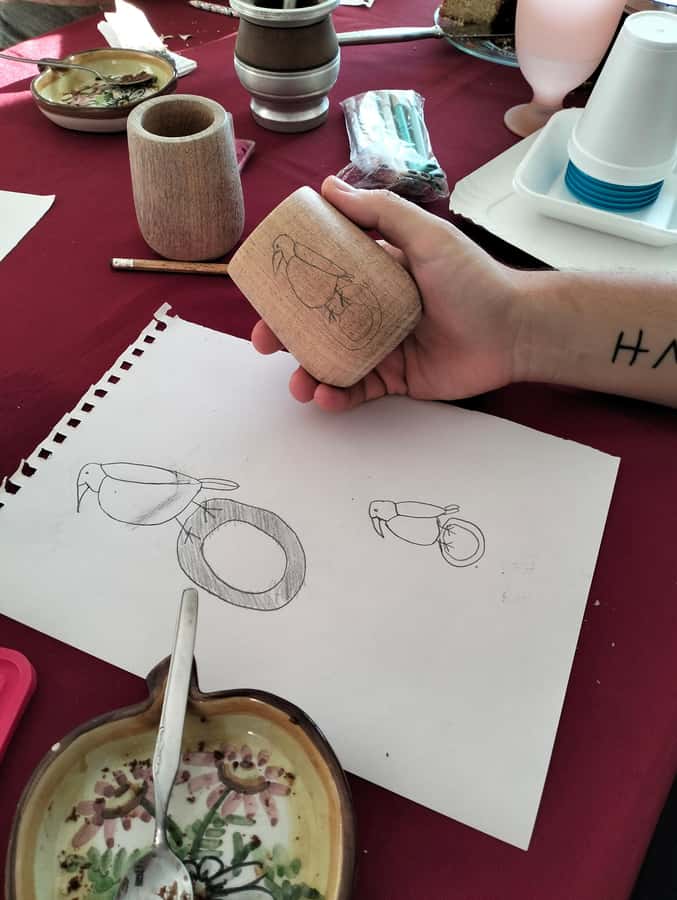
- Choosing a design and painting your wooden mate
- How the three hours feel
- What the $62 price includes
- Who will get the most from this experience
- My verdict: book it for the story behind the souvenir
- FAQ
- How long does the mate and painting experience last?
- How much does the experience cost?
- What is included in the experience?
- What pastries will be served?
- Do I need painting experience?
- Can I choose my own design?
- What languages are available?
- Where is the meeting point?
- Is the activity suitable for wheelchair users?
Key points to know before you book
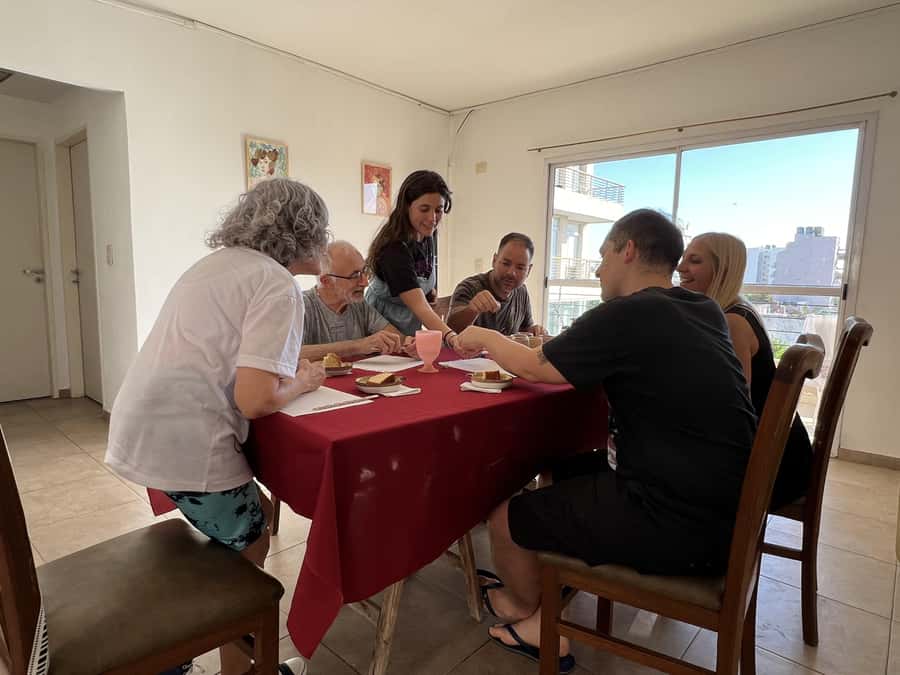
- Painted mate to take home: Each participant receives a wooden mate cup, painting supplies, and a bombilla.
- A real introduction to mate culture: You learn how to prepare the drink, why Argentines share it, and what it means in daily life.
- Classic Argentine pastries included: Expect facturas, alfajorcitos de maicena, and biscochitos de grasa.
- Friendly small-group setting: The class holds no more than 10 people, with instruction in four languages.
- Flexible setting: The usual meeting point is near Salta Street and Independencia Avenue, but good weather may move the class to a picnic in Lagos de Palermo.
- Good for first-time mate drinkers: Coffee, tea, and mate cocido are available if the traditional drink is not for you.
Why mate makes such a good Buenos Aires activity
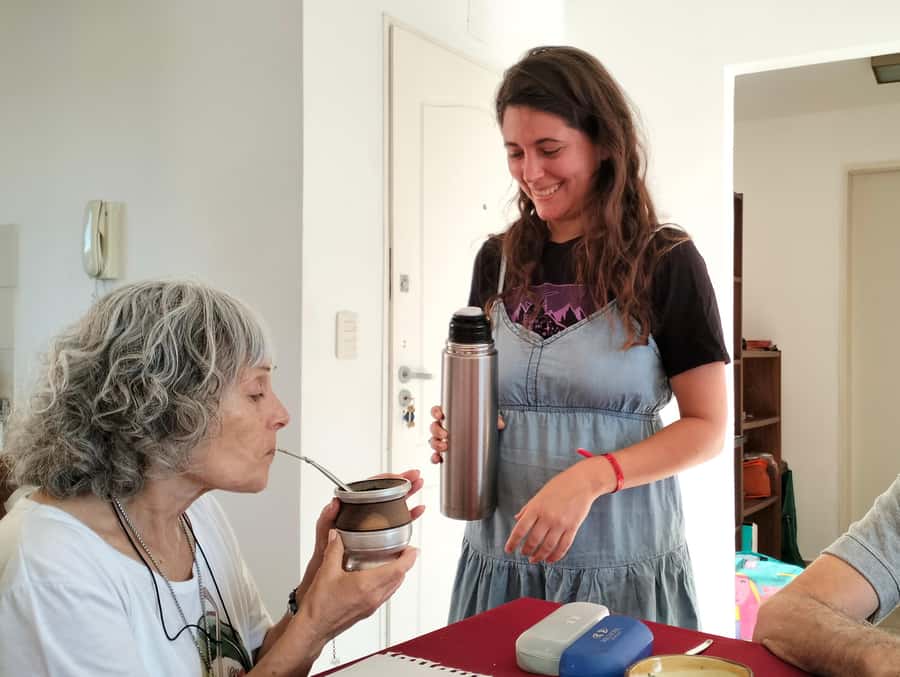
Mate is not simply a hot drink to check off a list. In Argentina, it is tied to friendship, hospitality, conversation, and the rhythm of ordinary life. The drink is made from yerba mate, a dried herbal infusion containing caffeine, and is sipped through a metal straw called a bombilla.
This class gives you a way to understand the custom before you try it. You learn why people drink mate, how the sharing tradition works, and some of the stories and legends connected with it. That background matters because mate can seem unfamiliar at first. The vessel, the straw, the preparation, and the social rules all have their own place.
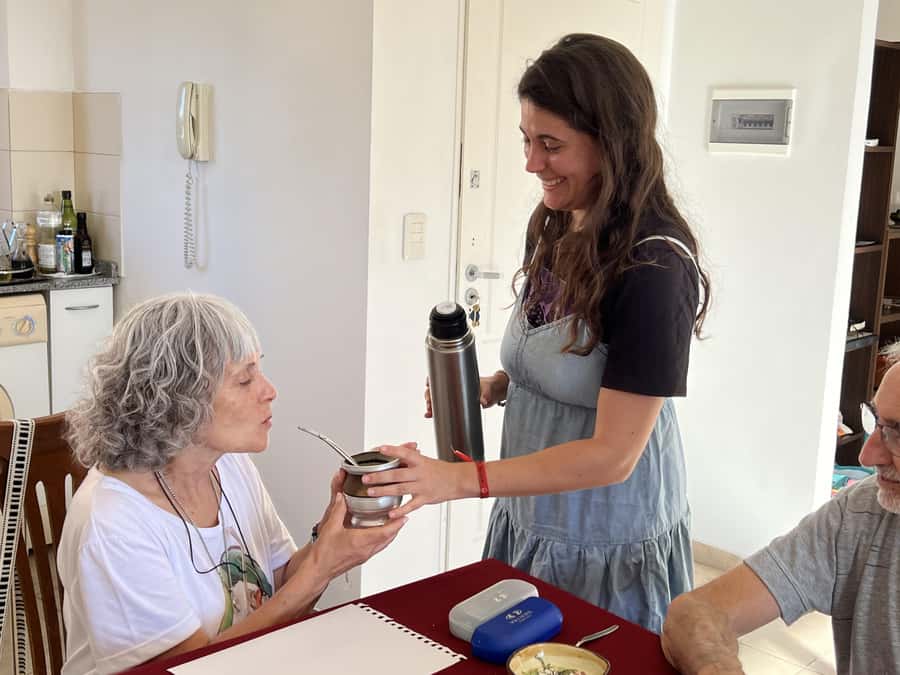
I especially like that the lesson is practical. You are not only listening to an explanation. You get to see how to make your own infusion and taste it during the painting session. If this is your first cup of mate, you can approach it without pressure. The host also provides coffee, tea, and mate cocido, a tea-style preparation made with yerba mate.
The flavor may not be an instant favorite. Mate is herbal and can taste bitter, especially if you are used to sweet tea. That is part of the fun. You get a chance to try it in a setting where you can ask questions instead of ordering blindly at a café.
More Food Tours in Buenos Aires
- Buenos Aires: 9-Course Argentine Meat Tasting at Fogón Asado
★ 4.9 · 826 reviews - Buenos Aires: Local Foodie Adventure with Sherpa Food Tours
★ 4.9 · 670 reviews - Buenos Aires: Wine Tasting and Lunch at Bodega Gamboa
★ 4.8 · 177 reviews
Meeting near Salta Street and Independencia Avenue
The meeting point is Bonnie and Clyde bar, at the corner of Salta Street and Independencia Avenue. The art studio is only 50 meters away, so you meet at a recognizable spot and then walk a very short distance to the atelier.
This is useful in a city where addresses and entrances can sometimes feel unclear. The description gives you a clear landmark, but you should still check the exact meeting instructions and starting time before setting out. The activity lasts three hours, and available start times can vary.
The setting may change with the weather. On a pleasant day, the host can offer the activity picnic-style in the Lagos de Palermo area. If you are the only person booked for that date, the session will also be held picnic-style in Lagos de Palermo. That can make the experience feel more open and casual, but it also means you should check the meeting details carefully if you are expecting an indoor studio.
A picnic version may be appealing for someone who wants time outdoors. An indoor class is the safer choice on a rainy or cold afternoon, but the supplied details make clear that the format depends on conditions and group size. Ask for confirmation if the setting matters to your plans.
The mate lesson comes before the paint
The experience begins with an explanation of mate culture and a few curiosities about the drink. You learn the basic vocabulary, including the mate cup itself and the bombilla used for sipping.
The lesson also covers the social side of mate. Sharing the drink is an important part of Argentine life, so the class helps you understand why the drink is often passed around rather than prepared as an individual cup of tea. This is the kind of cultural detail that gives a souvenir real meaning.
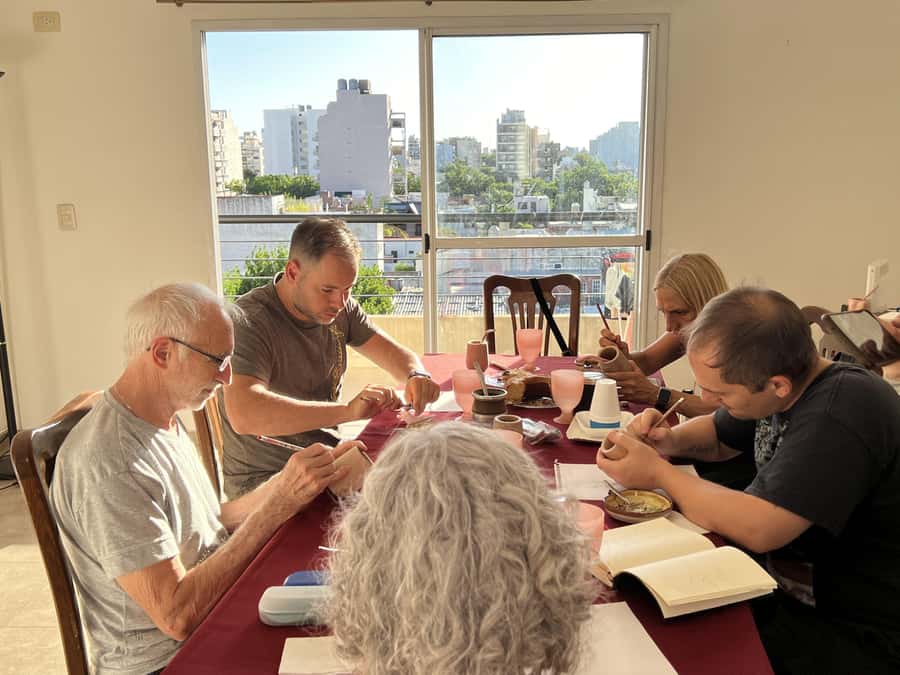
You then taste mate and see how the infusion is made. The host serves mate during the painting period, so the drink is not squeezed into a rushed opening demonstration. You can keep sampling it while you work, which gives you time to become familiar with the taste.
The class is designed for beginners. You do not need to arrive with knowledge of yerba mate, and you do not need to know how to paint. The teaching languages are Spanish, English, French, and Italian, making this a practical option for many international visitors.
The strong praise for Jazmin focuses on her friendly, personal approach. She is described as attentive, easy to talk with, and generous with recommendations for other places to visit in Argentina. That makes a difference in a small class. You are not being moved from station to station. You have time to ask why people share mate, how the tradition developed, and what the drink means at home.
Argentine pastries make the lesson feel local
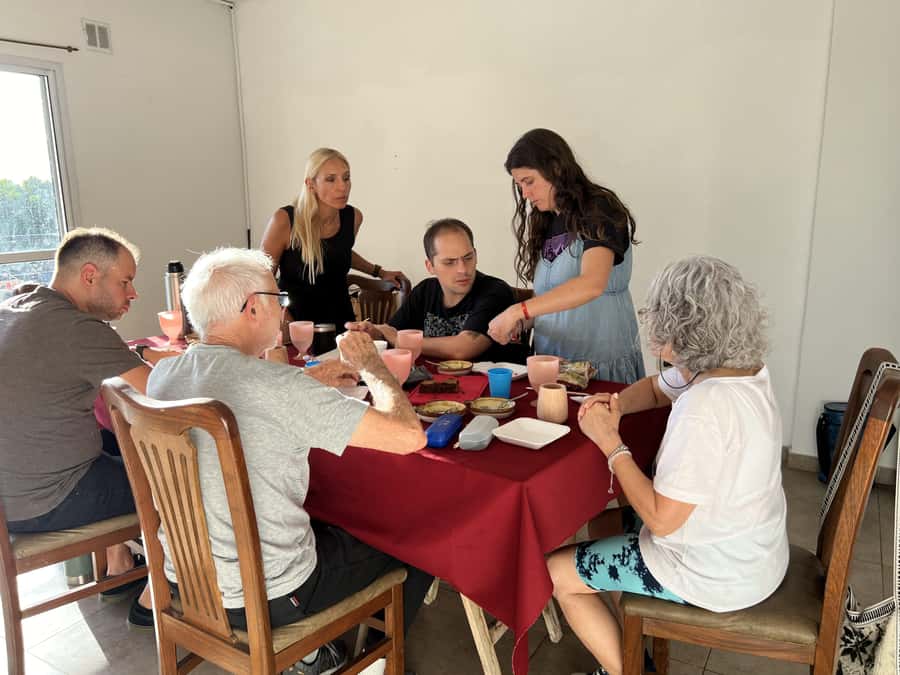
The food is simple, traditional, and well chosen for the subject. You get a variety of facturas, alfajorcitos de maicena, and biscochitos de grasa.
Facturas are the broad family of Argentine bakery pastries you will see in cafés and bakeries across Buenos Aires. They can include sweet, filled, glazed, or cream-topped pastries. Alfajorcitos de maicena are small cornstarch cookies, commonly joined with dulce de leche and finished with coconut. Biscochitos de grasa are savory or lightly salty biscuits made with fat.
This selection gives you more than a generic cookie plate. You taste both sweet bakery treats and a salty snack that fits naturally with mate. The pastries also help explain how Argentines might enjoy a casual afternoon break.
The food is included in the $62 price, along with the drink choices and art materials. If you have dietary restrictions, contact the host by email or WhatsApp in advance. Special arrangements may be possible, but you should not wait until the class begins to mention an allergy or restriction.
A completely different sort of day in Buenos Aires:
- Buenos Aires Hop-On Hop-Off Bus, Free Walking Tours & Discounts
★ 4.5 · 2,218 reviews - Buenos Aires: Piazzolla Tango Show with Optional Dinner
★ 4.4 · 2,122 reviews - Buenos Aires: City Highlights Guided Tour with Transfer
★ 4.7 · 1,946 reviews - Buenos Aires: Hop-On Hop-Off City Bus Tour
★ 4.2 · 1,855 reviews
Choosing a design and painting your wooden mate
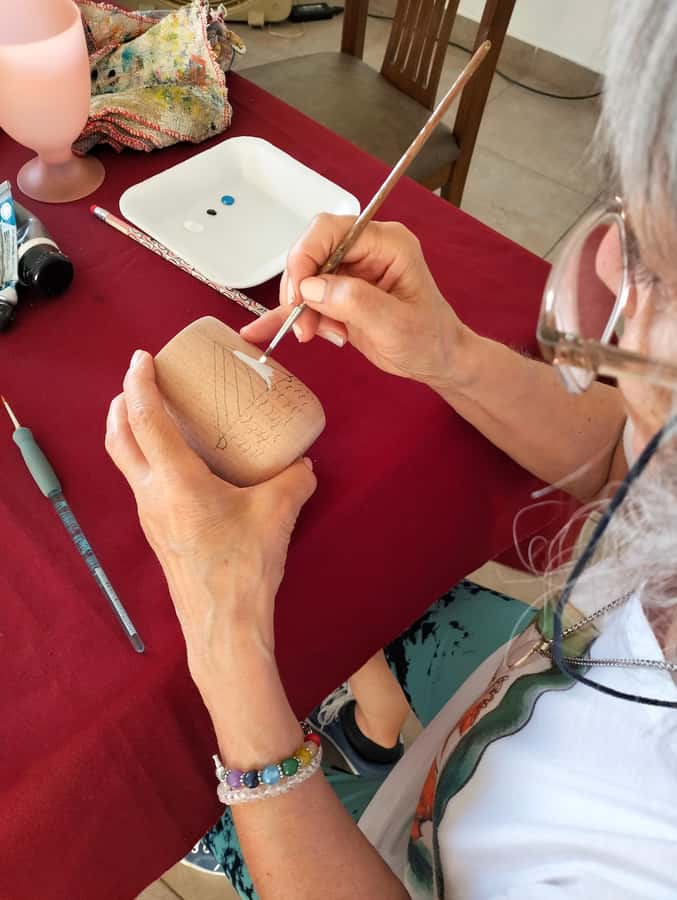
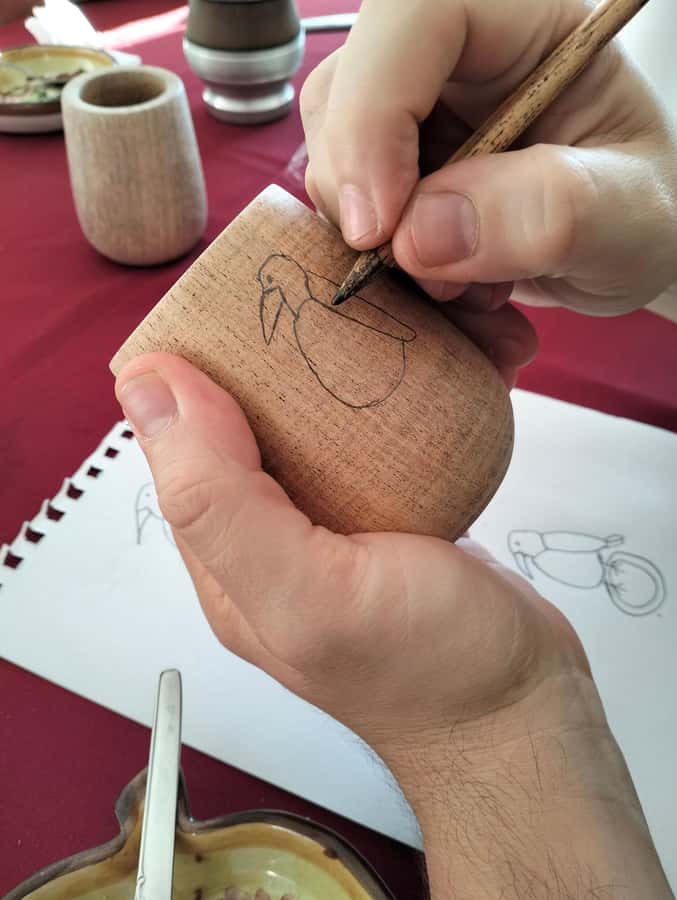
After the mate lesson and tasting, you choose a design. The host provides options, but you can also create your own. That gives you a useful balance: you can follow a model if you are not confident with drawing, or make something personal if you already have an idea.
The supplied materials include acrylic paints, brushes, jars, paper, pencils, and napkins. The host guides you through the painting process, and the class is built for all ability levels. You are making a personal keepsake, not competing for a gallery prize.
That point is worth stressing. The best part of the activity is not technical art instruction. It is the chance to slow down, make something with your hands, and connect the object to what you have just learned. A painted mate cup with an imperfect line or two may be more meaningful than a polished souvenir bought in a shop.
You should wear clothes that can get dirty. Acrylic paint is part of the activity, and even a careful painter can end up with a mark on a sleeve. The host provides protective working materials such as napkins, but your clothing is still your responsibility.
The cup and bombilla go home with you. You also get to choose a bombilla to accompany your painted mate. Check the care instructions before using the cup, especially since the supplied information does not specify how the painted wood should be washed or maintained.
How the three hours feel
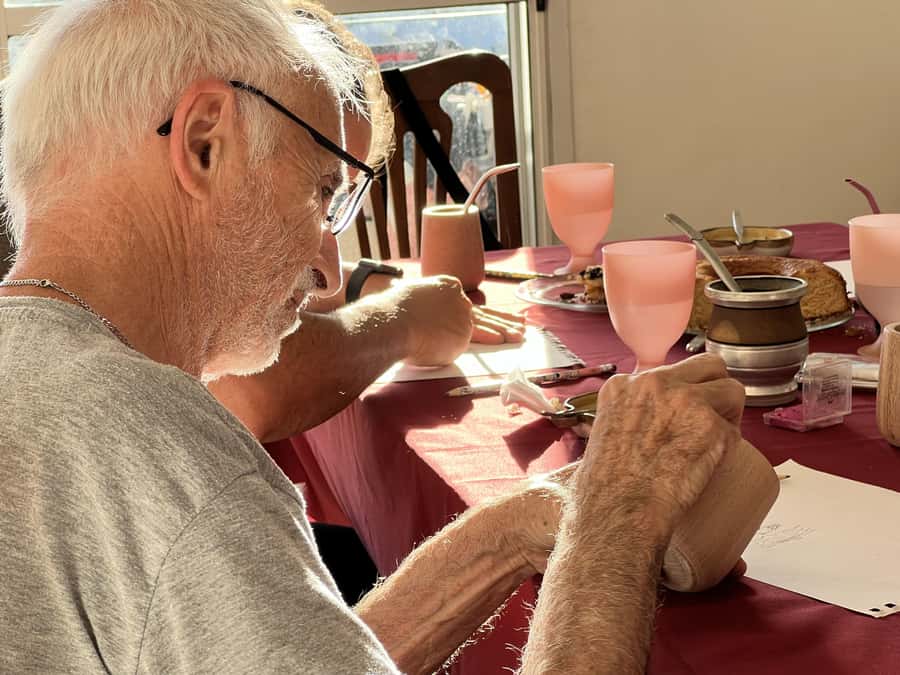
Three hours is a sensible length for this activity. It leaves room for the cultural explanation, tasting, food, design choice, painting, and conversation without forcing every part into a quick demonstration.
The pace will likely feel especially comfortable for families and solo visitors. Children have enjoyed the activity, including children aged 6, 10, 11, 12, and 14 in different groups. Young children may need help handling paint and supplies, but the creative format gives them something concrete to do.
The experience also works well on a rainy afternoon. One family found it a good way to spend wet weather in Buenos Aires, and the class combines indoor-style creative work with local food and drink. If your sightseeing schedule is already packed with museums and historic buildings, this offers a different kind of afternoon.
Solo visitors should pay attention to the group arrangement. If you are the only person booked, the activity shifts to a picnic in Lagos de Palermo. That may mean a more personal session, but it also changes the setting from an atelier to an outdoor format.
The small group limit of 10 is another advantage. A larger class could make personal instruction difficult, especially during painting. Here, you have a better chance to ask questions, get help with your design, and chat with the host.
What the $62 price includes
At $62 per person, this is not the cheapest way to taste mate in Buenos Aires. You could buy a pastry and a drink for far less. The value comes from combining several parts that would otherwise require separate purchases: a cultural lesson, mate tasting, traditional pastries, painting instruction, all art supplies, a wooden cup, and a bombilla.
The take-home item strengthens the value. You are not leaving with only a memory or a disposable tasting cup. You create something that can remind you of Argentina after your trip, even if your painting is deliberately simple.
The price also covers the host’s time and personal instruction. With no more than 10 people, this is closer to a social workshop than a standard food stop. If you enjoy meeting local people and asking questions, the cost is easier to justify.
I would be more hesitant if you are mainly looking for a serious art lesson or a large food tour. The painting is beginner-friendly, and the pastry tasting is one part of a broader cultural activity rather than the main event. You are paying for the mix of art, conversation, mate, and a souvenir.
Free cancellation up to 24 hours before the activity and the option to reserve now and pay later also make it easier to fit into a changing Buenos Aires schedule. Those policies are useful, but they do not replace checking the weather and meeting format in advance.
Who will get the most from this experience
I would recommend this class to you if you want an easy introduction to Argentine culture with something tangible to take home. It is particularly well suited to:
- First-time visitors who have never tasted mate.
- Solo visitors who enjoy personal conversation and creative activities.
- Couples and families looking for a shared souvenir.
- People who like food tastings but want more context than a bakery stop provides.
- Anyone who enjoys low-pressure painting rather than formal art training.
- Visitors looking for an activity that works well on a rainy afternoon.
It may not suit you if you need wheelchair access, dislike shared cultural tastings, or want a highly technical painting course. The outdoor picnic option may also be less appealing if you need a guaranteed indoor location.
The host’s language range is a real practical benefit. English-speaking visitors have found the explanations clear, while French and Italian speakers can also take part in their preferred language. If you speak Spanish, you can naturally use the class to hear more of the local language.
My verdict: book it for the story behind the souvenir
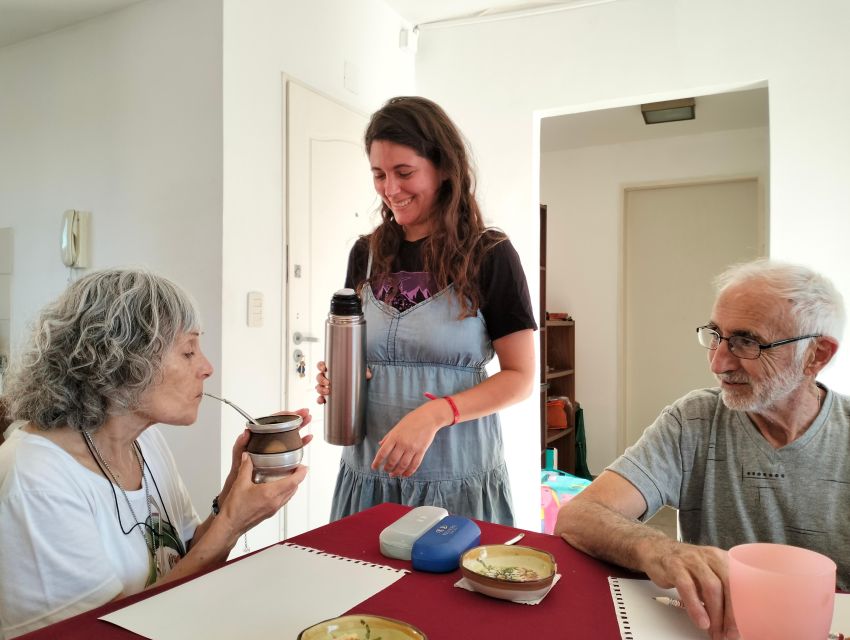
I would book this experience if I wanted to understand mate rather than simply buy a cup in a shop. The strongest parts are the personal teaching from Jazmin, the chance to taste the drink as it is prepared, the generous pastry selection, and the freedom to make a souvenir that no one else will have.
Go in expecting a friendly cultural workshop, not a professional art studio or a full-scale food tour. Wear washable clothes, mention dietary needs ahead of time, and confirm the meeting location if the picnic format might apply.
For $62, the activity earns its price through the combination of instruction, food, materials, and a handmade keepsake. If that mix sounds like your kind of afternoon, it is one of the more personal ways to meet Argentine culture in Buenos Aires.
FAQ
How long does the mate and painting experience last?
The activity lasts three hours.
How much does the experience cost?
The listed price is $62 per person.
What is included in the experience?
You receive a mate culture explanation, mate tasting, one wooden mate cup to paint, one bombilla, drawing and painting materials, traditional pastries, and coffee, tea, or mate cocido.
What pastries will be served?
The tasting includes a variety of facturas, alfajorcitos de maicena, and biscochitos de grasa.
Do I need painting experience?
No. The activity is designed so anyone can take part, and the host guides you through the painting process.
Can I choose my own design?
Yes. You can choose from designs provided by the host or create your own design.
What languages are available?
The experience is offered in Spanish, English, French, and Italian.
Where is the meeting point?
You meet at Bonnie and Clyde bar on the corner of Salta Street and Independencia Avenue. The atelier is 50 meters away.
Is the activity suitable for wheelchair users?
No. The activity is not suitable for wheelchair users.
Latest additions in Buenos Aires
- Buenos Aires: 7 Hour Small Group “BA 101” Walk★ 5.0 · 3 reviews
- Unique Tigre and Delta Private Day Cruise Navegation★ 5.0 · 3 reviews
- Buenos Aires: Customizable City Tour in Polish★ 4.7 · 3 reviews
- Buenos Aires After Dark: A City Lights & Sunset Experience★ 5.0 · 3 reviews
- Tango Show at El Querandi with optional Dinner★ 4.2 · 3 reviews
- Caminito, La Boca: vibrant neighborhood★ 5.0 · 3 reviews
- Velez Sarsfield Football Match★ 5.0 · 3 reviews
- Café de los Angelitos – Traditional Night in Buenos Aires★ 4.8 · 3 reviews
Food & Drink, compared.

Buenos Aires Food Tour: Local Dishes, Steak, Empanada & More
Read our review →
Full-day Cafayate, Lerma Valley, and Wine Tasting from Salta
Read our review →Browse the lists this tour appears in