
Reviewed · SALINAS GRANDES & PURMAMARCA TOURS
Salta: Quebrada de Humahuaca and Purmamarca Day Trip
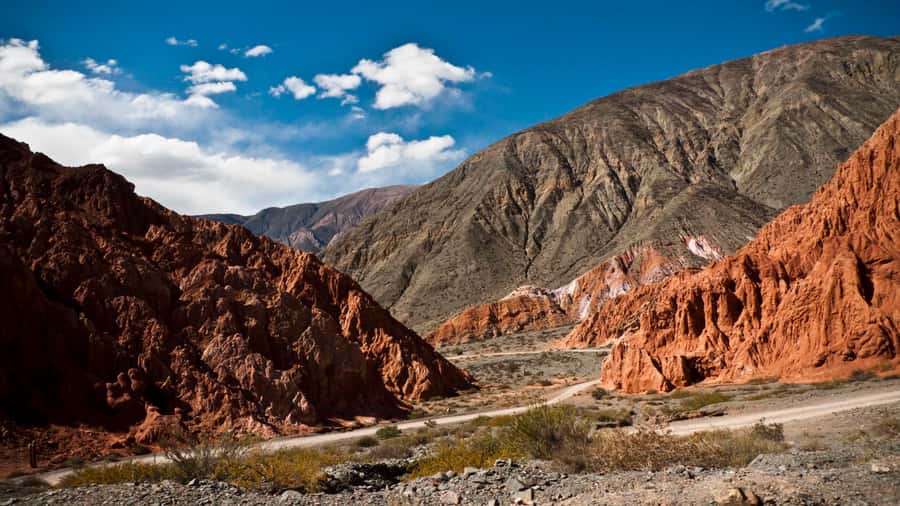
Color appears everywhere here. This 13-hour journey from Salta takes you through the Quebrada de Humahuaca, where red, gold, purple, and orange hills frame small towns, old churches, craft stalls, and mountain roads. I like the route’s variety, especially the contrast between Purmamarca’s seven-colored hill and Tilcara’s ancient ruins. I also like that hotel pickup and an English or Spanish-speaking guide are included.
The tradeoff is time. You spend much of the day on the road, and the schedule includes shopping stops that may feel less useful than extra time in the towns. At $111 per person, this is a practical way to cover a wide area in one day, but it suits you best if scenery and convenience matter more than a slow, independent visit.
In This Review
- Key points to know before you book
- Why this northern Argentina day trip works
- Purmamarca and the seven-colored hill
- Tilcara’s ruins and archaeological museum
- Crossing the Tropic of Capricorn
- Uquía and the Arcabuceros Angels
- Humahuaca around midday
- La Paleta del Pintor and Maimara
- San Salvador de Jujuy and the Flag Hall
- The return through green northern valleys
- What the $111 price really covers
- Guides, languages, and communication
- Who should book this 13-hour outing
- Should you book the Purmamarca and Humahuaca trip?
- FAQ
- How long does the tour last?
- What languages does the guide speak?
- Is hotel pickup included?
- Is lunch included in the price?
- Is admission to the Tilcara ruins included?
- What should I bring?
Key points to know before you book
- Purmamarca begins the sightseeing: Walk the narrow streets, see the seven-colored hill, visit the church, and browse the craft market on the main square.
- Tilcara adds archaeology: The ruins and archaeological museum give the mountain scenery more context, but the entrance fee is not included.
- Uquía has a special church collection: Its church houses the Arcabuceros Angels paintings, an unusual colonial religious art subject.
- Humahuaca is the day’s cultural center: You see its church and the independence monument by sculptor Soto Avendaño before lunch.
- The ride continues far beyond the quebrada: Maimara, San Salvador de Jujuy, and the return through subtropical vegetation make this a very full circuit.
- Pack light and plan for a long day: Comfortable shoes and a passport or identity card are requested, while large bags are not allowed.
Why this northern Argentina day trip works
Salta is a good base for seeing northern Argentina, but many of the region’s most memorable places lie far beyond the city. This excursion links several of them in one long loop, saving you the work of arranging separate transport, guides, and route planning.
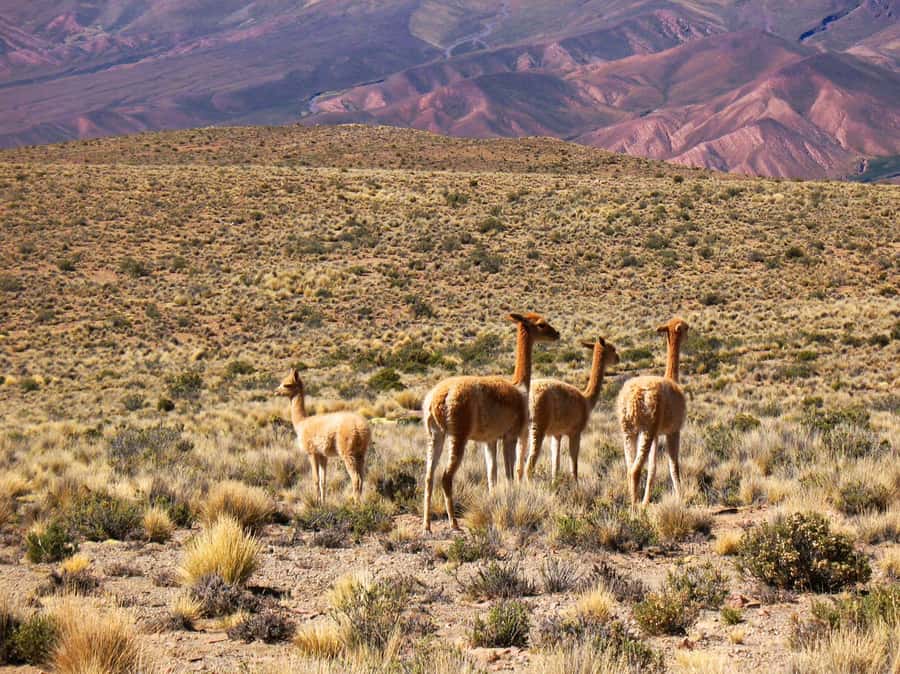
The main attraction is the changing color of the Quebrada de Humahuaca. The road passes dry, sharply folded hills, then small settlements with churches, plazas, and craft stalls. You are not simply driving to one viewpoint. You are getting a quick introduction to several parts of Jujuy Province and the high valley route.
I would choose this tour if you have limited time in Salta and want a broad first look at the region. I would think twice if you dislike coach travel, shopping stops, or visits that move at a fixed pace. Thirteen hours is a serious day out, and the schedule asks you to accept brief stops in exchange for covering a lot of ground.
More Salinas Grandes and Purmamarca Tours:
- From Salta: Full-Day Trip to Salinas Grandes and Purmamarca
★ 4.6 · 914 reviews - From Salta: Salinas Grandes, Purmamarca & Los Colorados Hike
★ 4.3 · 356 reviews - Full-Day Tour Salinas Grandes and Purmamarca from Salta
★ 4.0 · 220 reviews
Purmamarca and the seven-colored hill
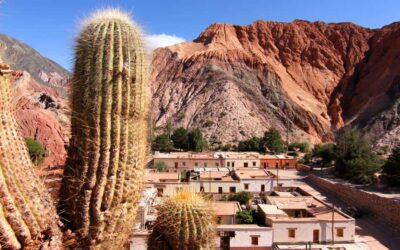
The sightseeing begins in Purmamarca, not in Salta. After the pickup and drive north, you take a short walk through the village’s narrow streets, with time to see its church and the craft market on the square.
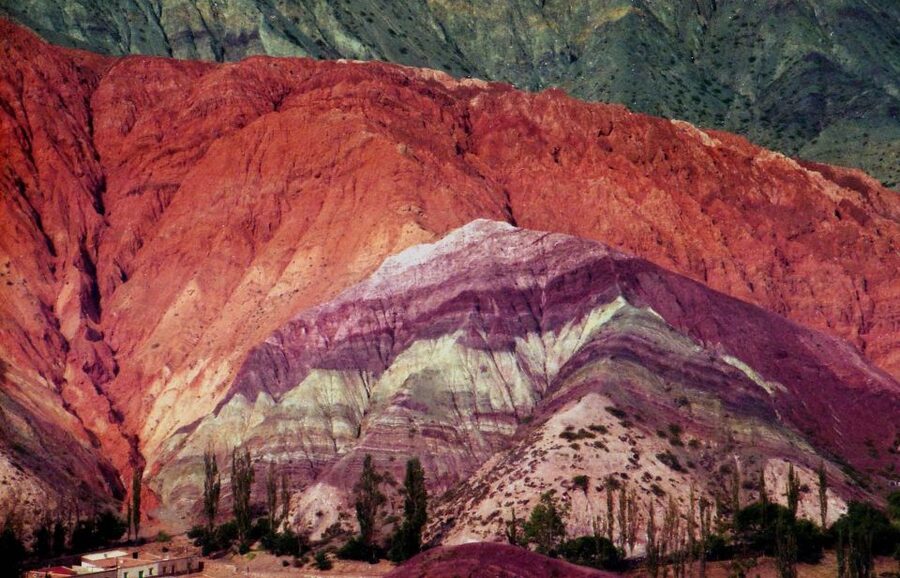
The seven-colored hill is the star here. Its bands of color make an immediate impression, and the compact village gives you an easy first stop after the long ride from Salta. The setting feels more intimate than the larger towns later in the day, so use this time to look around rather than treating it as a quick photo stop.
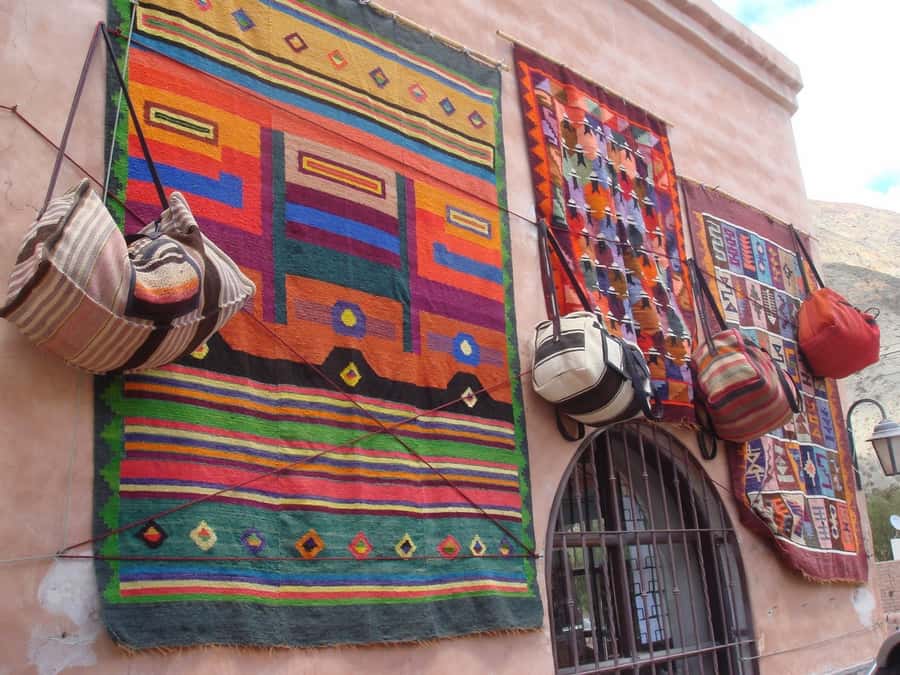
The craft market is part of the experience, but it can also be part of the frustration. If you enjoy browsing local textiles, small souvenirs, and handmade goods, you will appreciate the chance to shop in the main square. If you prefer archaeological sites and quiet streets, the market may feel like time taken from the places you came to see.
Keep your expectations realistic. This is a brief walking visit, not a half-day stay in Purmamarca. Wear shoes that are comfortable for uneven streets and standing, and keep your belongings small because large bags are not permitted.
Tilcara’s ruins and archaeological museum
The next major stop is Tilcara. Here the focus shifts from colorful hills to the remains of an ancient settlement and an archaeological museum.
The ruins are the only attraction on this route with a separate entrance fee, so bring extra money if you want to enter. That cost is not part of the $111 tour price. The museum helps put the site into context, making this stop more than a walk among old stone foundations.
Tilcara is especially useful for you if you want some cultural content mixed with the scenery. Purmamarca gives you a quick village visit and a striking natural view. Tilcara gives you a chance to think about the people who lived in this valley before modern tourism and the present-day towns took shape.
The limitation is the stop length. On a packed route like this, you should not expect the leisurely pace of a private archaeological visit. Listen carefully to the guide’s explanation, note the parts of the site you most want to see, and avoid spending too long on the first section if you want time for the museum.
Crossing the Tropic of Capricorn
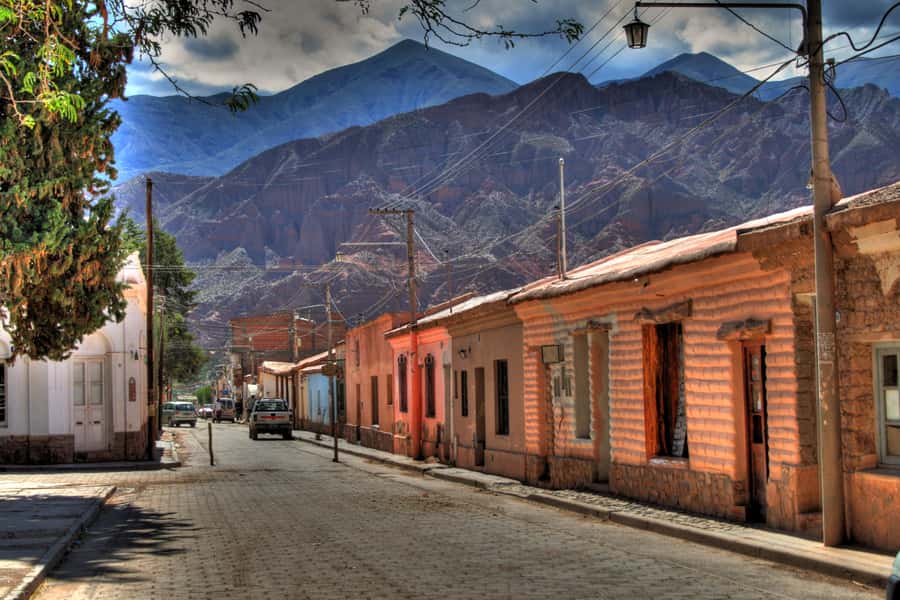
As the vehicle continues, you cross the Tropic of Capricorn. It is a simple roadside moment, but it gives the route a clear sense of place. You are traveling well beyond Salta into a region where the mountains, climate, and communities feel distinct from Argentina’s better-known central destinations.
The route also includes views of La Pollera de la Coya, a formation named for its resemblance to a traditional skirt. Names like this make the drive more engaging because the hills are not just scenery passing outside the window. They carry local references and visual stories that the guide can explain as you go.
This portion is also where the length of the excursion becomes clear. You will spend extended periods in the vehicle between stops. Sit back, keep water with you, and treat the ride as part of the trip rather than an interruption between attractions.
More Quebrada de Humahuaca Tours:
- Full-Day Tour to Humahuaca from Salta
★ 4.4 · 140 reviews - Hornocal: Tour of the 14 Colors Mountain & Humahuaca´s Gorge
★ 4.2 · 81 reviews - From Salta:Cafayate and the imposing Quebrada de las Conchas
★ 4.3 · 80 reviews - Quebrada de Humahuaca and Purmamarca
★ 4.5 · 75 reviews
Uquía and the Arcabuceros Angels
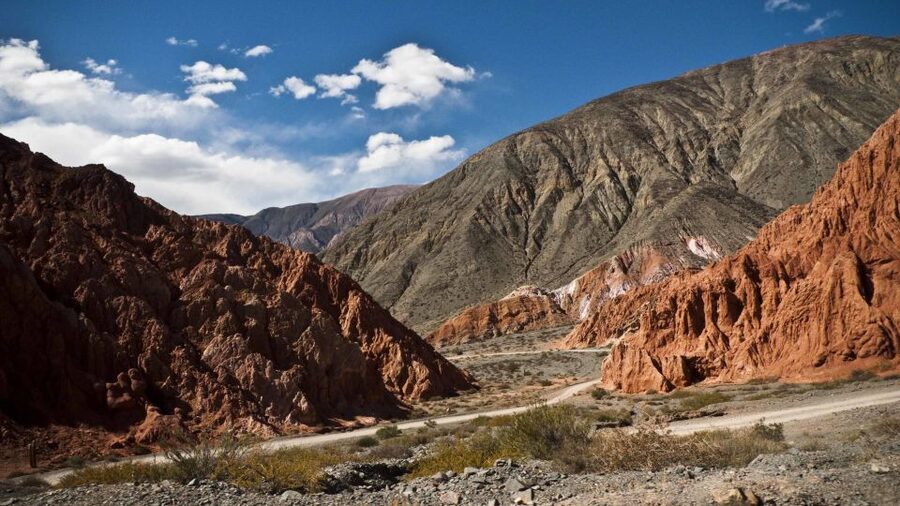
Uquía is a smaller and more focused stop. Its church houses paintings of the Arcabuceros Angels, a distinctive group of religious images associated with angels carrying firearms.
The visit gives the day a different tone. Instead of looking at mountains or ruins, you are seeing a church interior and a form of colonial art that is unusual enough to make this stop worthwhile. It is the kind of detail that can easily be missed if you travel the route without a guide.
Because Uquía is a short stop within a long itinerary, you may need to move efficiently. Pay attention when the guide points out the paintings and the church’s notable features. This is not a place where you need hours, but it rewards you for being present rather than wandering off toward the shops.
Humahuaca around midday
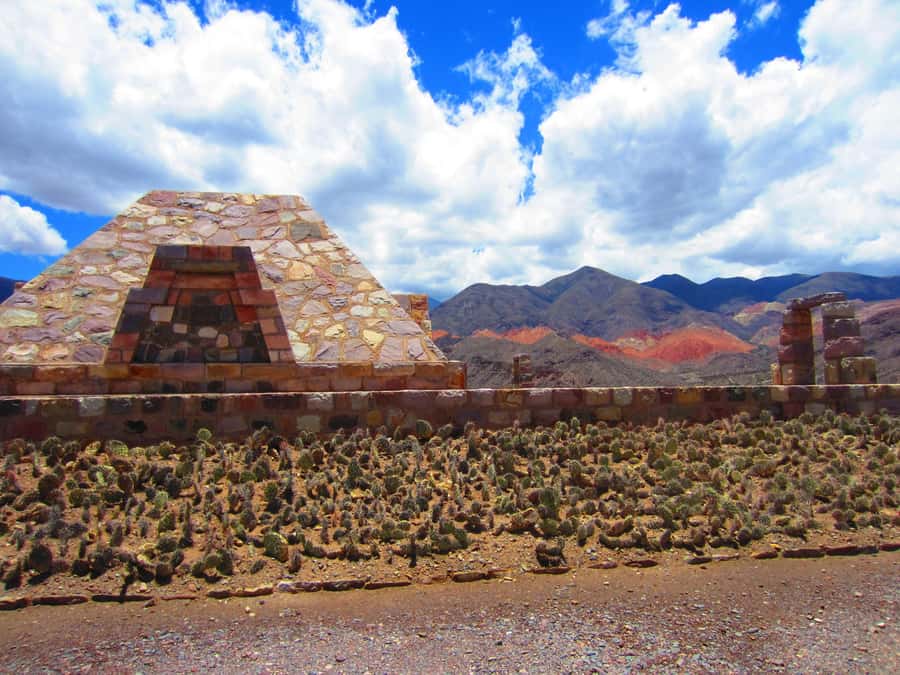
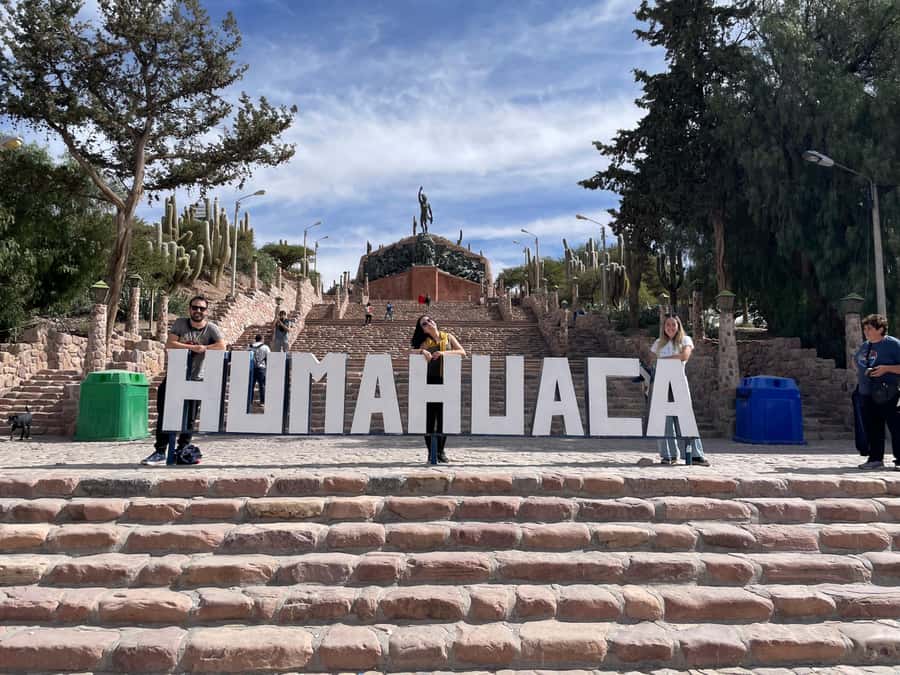
You reach Humahuaca at about noon, making it one of the central stops of the day. The town has an important church and an independence monument created by sculptor Soto Avendaño.
The monument gives the town a strong connection to Argentina’s independence story, while the church adds the religious architecture seen in several settlements along the route. Together, these sights make Humahuaca feel more substantial than a simple roadside village.
Lunch follows, but food and drinks are not included. You should budget separately for the meal and check how much free time you have before ordering. On a tightly timed group excursion, a long lunch can mean less time to see the town, so keep the schedule in mind.
Humahuaca is also a good point to decide how you feel about the pace. By midday, you have already covered several places, and the day is only halfway done. If you are enjoying the changing scenery and short cultural visits, the full circuit will feel rewarding. If you are already wishing for more time in each town, the afternoon drive may feel demanding.
La Paleta del Pintor and Maimara
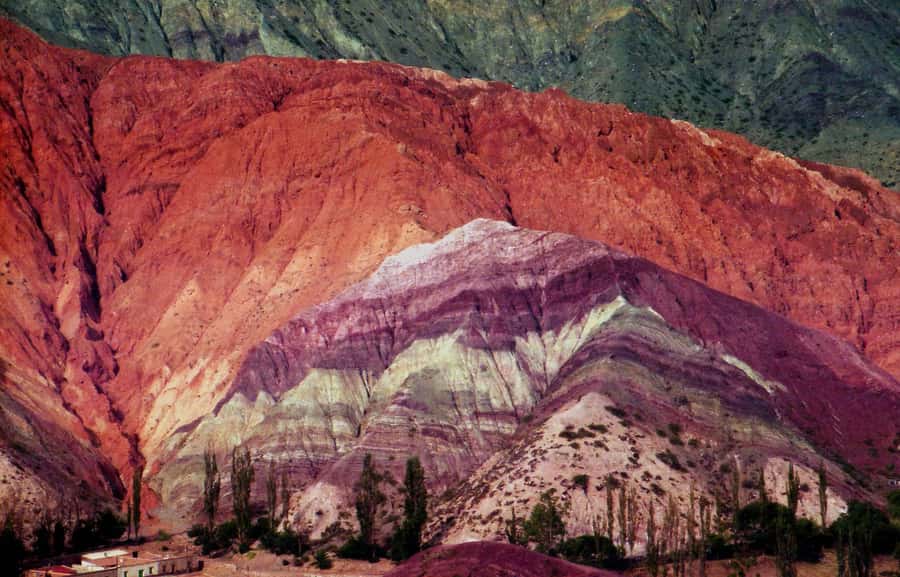
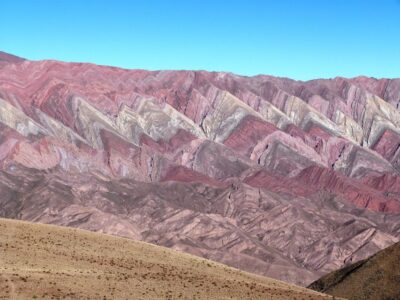
After lunch, the road passes La Paleta del Pintor, the colorful formation that frames the town of Maimara. This is another scenery-first section, with the mountain colors doing most of the work.
Maimara helps you appreciate how the towns of the quebrada sit within the surrounding hills. You are not only visiting isolated attractions. You are watching the road, settlements, and rock formations fit together as one long corridor.
This is a good time to have your camera ready, but do not spend the whole ride looking through a screen. The views change with the road, and some of the pleasure comes from simply watching the colors shift as the vehicle moves past them.
The practical drawback remains the same: you may not get a long walking visit in Maimara. The tour’s value comes from seeing the formation and town as part of the route, not from exploring every street.
San Salvador de Jujuy and the Flag Hall
The itinerary then turns toward San Salvador de Jujuy, where you visit the Flag Hall and the cathedral. This makes the day less about mountain villages and more about the provincial capital.
The cathedral is noted for its carved wooden and gold pulpit, along with statues by Lola Mora. These details reward a slower look, even if the overall stop is brief. Lola Mora is one of Argentina’s best-known sculptors, so seeing her work adds a national artistic connection to an otherwise strongly regional route.
The Flag Hall gives the stop a civic and historical focus. After the small churches and mountain settlements, you get a more formal urban setting and a chance to see how the province presents its identity.
This stop may appeal most to you if you like mixing outdoor views with architecture and public art. If your main goal is the Quebrada’s colored hills, San Salvador de Jujuy can feel like a detour. It is part of what makes the excursion broad rather than narrowly focused.
The return through green northern valleys
The return to Salta follows National Route 9 through abundant subtropical vegetation. That change is one of the route’s best features. Earlier, the hills and villages dominate the day. On the way back, the surroundings become greener and more enclosed.
The final stretch passes El Abra of Santa Laura, La Cienaga dam, Las Maderas, and Campo Alegre. These are viewed along the return route, so think of them as scenic markers rather than separate major visits unless the guide says otherwise.
This contrast helps justify the long day. You begin with colorful mountain formations, pass through historic towns, and return through a different type of northern scenery. The route feels varied even though the transportation time is substantial.
You will probably be tired by this point. That is normal. The final drive is not where you should expect another major walking tour. Use it to rest, review your photos, and watch the surroundings change before arriving back in Salta.
What the $111 price really covers
At $111 per person, the tour’s main value is convenience. Round-trip transfers from your Salta hotel and a live guide in English or Spanish remove the need to arrange a rental car, public transport, or separate visits to several towns.
The price does not cover lunch, drinks, or the entrance to the Tilcara ruins. Those extras are modest compared with the main cost, but you should include them when setting your day budget. The tour is not an all-inclusive outing.
I see the price as fair for a visitor who has only one available day and wants the major route covered. It is less attractive if you have several days and can stay overnight in the Quebrada, where you could spend more time in Purmamarca, Tilcara, or Humahuaca instead of seeing each in quick succession.
The most important value question is not the admission fee. It is whether you are comfortable paying for a long, organized day. You are buying access and structure, not a relaxed village-to-village experience.
Guides, languages, and communication
The tour includes a Spanish or English-speaking guide. One guide received particularly positive feedback for handling Spanish, English, and Italian, so multilingual support may be possible on some departures, but Italian is not listed as a guaranteed tour language.
The guide matters on this route. Without explanation, the named rock formations, church art, independence monument, and archaeological site can blur together. A good guide connects the stops and helps you understand why each one is worth your limited time.
Communication before departure deserves attention. Confirmation has not always felt smooth, with some guests receiving final confirmation by email only the night before and finding emergency WhatsApp communication less helpful than expected. I recommend checking your email carefully before the trip and keeping the listed office number, +54 11 3221-8400, available for weekday questions from 9:00 to 18:00.
The overall rating is 4.2 from 19 ratings, with especially strong praise for the local operator and guide quality. The lower score focused on too much driving and too many shop stops, which is the clearest warning for anyone who prefers more time at the advertised sights.
Who should book this 13-hour outing
I would recommend it to you if:
- You are staying in Salta and have only one day for the Quebrada de Humahuaca.
- You want hotel pickup and a guide rather than handling a long route alone.
- You enjoy colorful mountain views, churches, archaeological sites, and small-town stops in one package.
- You are comfortable with a fixed schedule and extended time in a vehicle.
- You want a first look at Purmamarca, Tilcara, Uquía, Humahuaca, Maimara, and Jujuy.
I would skip it if you want deep time in one town, dislike shopping stops, or find thirteen-hour excursions exhausting. The route is ambitious. Its strength is coverage, not calm.
Bring a passport or identity card, comfortable shoes, and no large luggage. Since meals and drinks are excluded, pack or buy what you need within the schedule. Free cancellation is available up to 24 hours before departure, and reserve-now, pay-later booking keeps your plans flexible.
Should you book the Purmamarca and Humahuaca trip?
Book this tour if you want the widest possible introduction to northern Argentina from Salta in a single day. The seven-colored hill, Tilcara ruins, Uquía’s Arcabuceros Angels, Humahuaca, La Paleta del Pintor, and the return through greener valleys create a varied route that would be difficult to arrange as easily on your own.
Do not book it expecting a slow cultural stay. You will trade freedom and extra time for transport, a guide, and a carefully linked itinerary. For a first visit with limited time, that is a reasonable bargain at $111. For a longer trip, consider staying in the region and exploring at a gentler pace.
FAQ
How long does the tour last?
The excursion lasts 13 hours, including the journey from Salta, the visits along the Quebrada de Humahuaca route, and the return to Salta.
What languages does the guide speak?
The tour provides a live guide in Spanish or English.
Is hotel pickup included?
Yes. Round-trip transfers and pickup from your hotel in Salta are included.
Is lunch included in the price?
No. Food and beverages are not included, so you need to pay for lunch separately.
Is admission to the Tilcara ruins included?
No. The entrance fee to the Tilcara ruins is separate from the tour price.
What should I bring?
Bring your passport or identity card and comfortable shoes. Large bags and luggage are not allowed.
Latest additions in Salta
- From Salta: Cafayate,Humahuaca and Salinas Grandes in 3 days★ 3.6 · 3 reviews
- From Salta: Cachi and Salinas Grandes 2-Day Guided Trip★ 4.1 · 3 reviews
- From Salta: Cafayate, Cachi, & Hornocal 3-Day Tour★ 4.0 · 3 reviews
- From Salta: 3-Day Cafayate, Cachi, and Humahuaca Guided Trip★ 4.7 · 3 reviews
- Salta en un Bocado – Cultural Tour & Empanada Tasting★ 5.0 · 3 reviews
- From Salta: Cafayate, Salinas Grandes, & Hornocal Tour★ 4.7 · 3 reviews
- From Jujuy: Yala and Termas de Reyes Half-Day Tour★ 3.8 · 3 reviews
- Salta: Tour to the Salinas Grandes and Purmamarca★ 3.7 · 3 reviews
Salinas Grandes & Purmamarca Tours, compared.
Full-Day Trip to Salinas Grandes and Purmamarca
Read our review →
Salinas Grandes, Purmamarca & Los Colorados Hike
Read our review →
Full-Day Tour Salinas Grandes and Purmamarca from Salta
Read our review →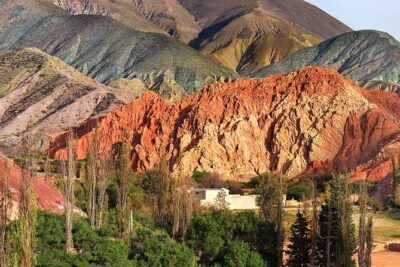
Full-Day Tour to Salinas Grandes and Purmamarca From Salta
Read our review →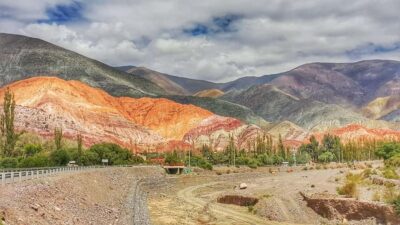
Salinas Grandes, Purmamarca & Los Colorados Hike
Read our review →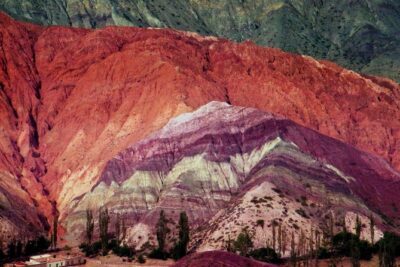
Browse the lists this tour appears in