
Reviewed · QUEBRADA DE HUMAHUACA TOURS
Hornocal: Tour of the 14 Colors Mountain & Humahuaca´s Gorge
Color appears where you least expect it. This full-day trip from Salta takes you through the Humahuaca Gorge to Hornocal, where sharp bands of red, gold, orange, and pale gray fold across the mountain. I especially like the combination of Hornocal’s dramatic viewpoint and the smaller villages along the way. The visit to Uquía’s church, with its unusual paintings of gun-carrying angels, adds a memorable cultural note.
I also like that the tour includes Purmamarca, Maimará, Tilcara, the Tropic of Capricorn, and Humahuaca in one long day. The main drawback is the schedule: some stops may be brief or may not happen as described. Recent experiences indicate that Maimará, Uquía, and the Pucará of Tilcara were not always visited, while Tilcara could feel rushed.
In This Review
- Key points to know before booking
- Why Hornocal deserves the long ride
- The early start from Salta
- Purmamarca and the Seven Colors Hill
- Maimará and the Painter’s Palette
- Tilcara’s Andean character
- Uquía and the gun-toting angels
- Crossing the Tropic of Capricorn
- Humahuaca before the 4×4 transfer
- The 14 Colors Mountain viewpoint
- Guides, vehicles, and the human side of the day
- Is $68 a fair price?
- What to bring for a 12-hour mountain day
- Who should book this tour?
- Final booking advice
- FAQ
- How long does the Hornocal tour last?
- Where does hotel pickup take place?
- What languages are available on the tour?
- Is food included?
- Is admission to the Pucará de Tilcara included?
- What do I need to bring?
Key points to know before booking
- Hornocal is the main event: You switch into a 4×4 in Humahuaca for the climb to the 14 Colors Mountain viewpoint.
- The day begins early: Hotel pickup is generally between 6:30 and 7:15 AM, with a 12-hour schedule.
- Purmamarca offers the easiest scenic stop: The village sits below the famous Seven Colors Hill.
- The route mixes scenery and culture: You pass through Maimará, Tilcara, Uquía, Humahuaca, and the Tropic of Capricorn.
- The itinerary may be flexible in practice: Some recent outings gave little time in Tilcara or skipped listed stops.
- The transport deserves attention: One bus had poor suspension, and another had an old vehicle with a microphone that was hard to hear.
Why Hornocal deserves the long ride
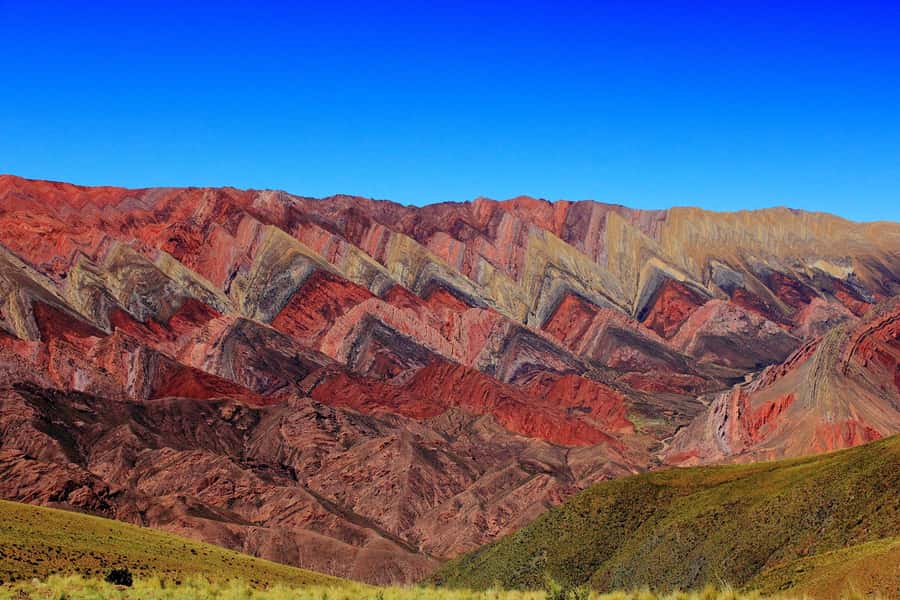
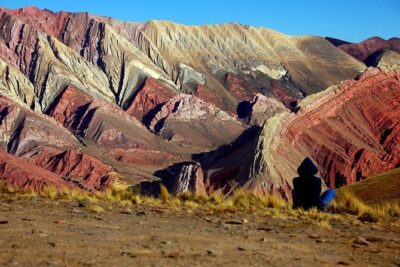
Hornocal is not simply another colorful mountain. Its appeal comes from the sharp, repeated bands that cut across the slope in a wide zigzag. From the viewpoint, the formation looks almost painted, but the colors come from the rock itself.
The mountain forms part of the Yacoraite geological formation. This belt runs from Salta through the Humahuaca Gorge and onward across the Bolivian Altiplano to Peru. You do not need a geology lesson to enjoy it, but this context makes the sight more meaningful. You are looking at one section of a much larger natural formation that crosses national borders.
The 4×4 transfer from Humahuaca is an important part of the outing. The regular bus or van does not take you all the way to the viewpoint. Instead, you change vehicles in Humahuaca and continue in an all-terrain vehicle with a local guide. This change adds time and logistics, but it also brings you directly to the part of the day that most people come to see.
The Hornocal stop is likely to feel short compared with the hours spent on the road. That is the trade-off of a one-day trip from Salta. You get an extraordinary view without arranging several nights in the Quebrada, but you need patience during the transfers.
More Quebrada de Humahuaca Tours:
- Full-Day Tour to Humahuaca from Salta
★ 4.4 · 140 reviews - From Salta:Cafayate and the imposing Quebrada de las Conchas
★ 4.3 · 80 reviews - Hornocal, 14 colors mountain, trough Humahuaca´s gorge
★ 4.0 · 75 reviews
The early start from Salta
Hotel pickup is available when you stay in centrally located accommodation within about eight blocks of Salta’s 9 de Julio central square. Pickup normally falls between 6:30 and 7:15 AM, and you are asked to be ready 15 minutes early.
In some cases, the bus cannot reach the hotel entrance. The local partner may arrange a nearby meeting point, so check your messages before the morning of the tour. This matters because a missed pickup would be a poor way to begin a 12-hour day.
The tour includes round-trip transport and a Spanish or English-speaking guide. The long drive is the price of seeing Hornocal from Salta in one day. If you are sensitive to road vibration, ask about the vehicle when possible. One recent outing had a minibus with faulty suspension, which made the ride uncomfortable. Another used an older bus and had a microphone that was difficult to hear.
That does not cancel the value of the trip, but it changes your expectations. This is a full road day, not a leisurely village tour with long café breaks.
Purmamarca and the Seven Colors Hill
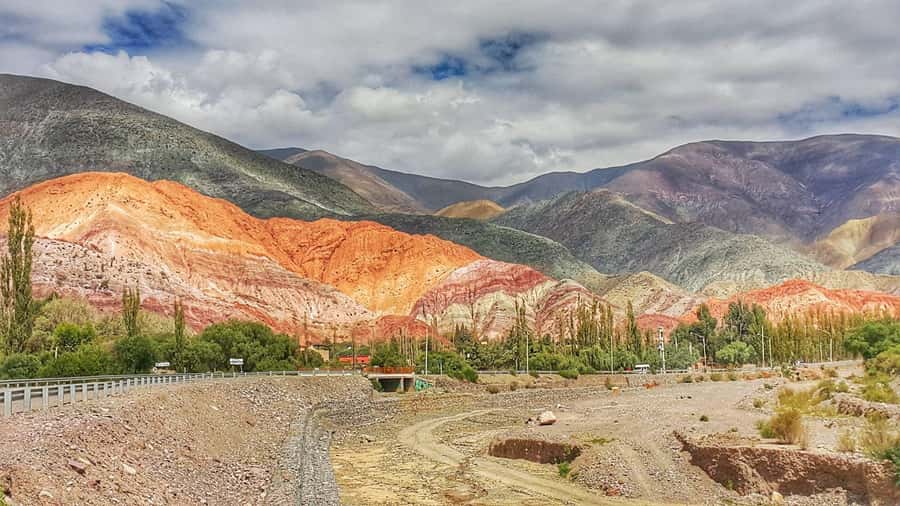
Purmamarca is usually the first major stop. The village rests at the foot of the Seven Colors Hill, a smaller but highly photogenic formation with bands of red, tan, orange, and muted green.
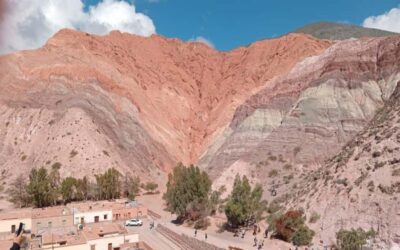
I like Purmamarca because the mountain is part of the village experience rather than a distant view. You can see the colors rising behind the low buildings and Andean streets. The stop gives you an early taste of the geology that becomes more dramatic at Hornocal.
Do not confuse the Seven Colors Hill with the 14 Colors Mountain. Purmamarca’s hill is closer and easier to appreciate at a glance. Hornocal is larger in scale and more striking in its repeated chevron-like bands.
The exact amount of free time can vary. Since the entire route covers a lot of ground, you should not count on a long independent visit. Use the stop to look carefully, take photographs, and get a feel for the village rather than trying to fit in a major shopping session.
Maimará and the Painter’s Palette
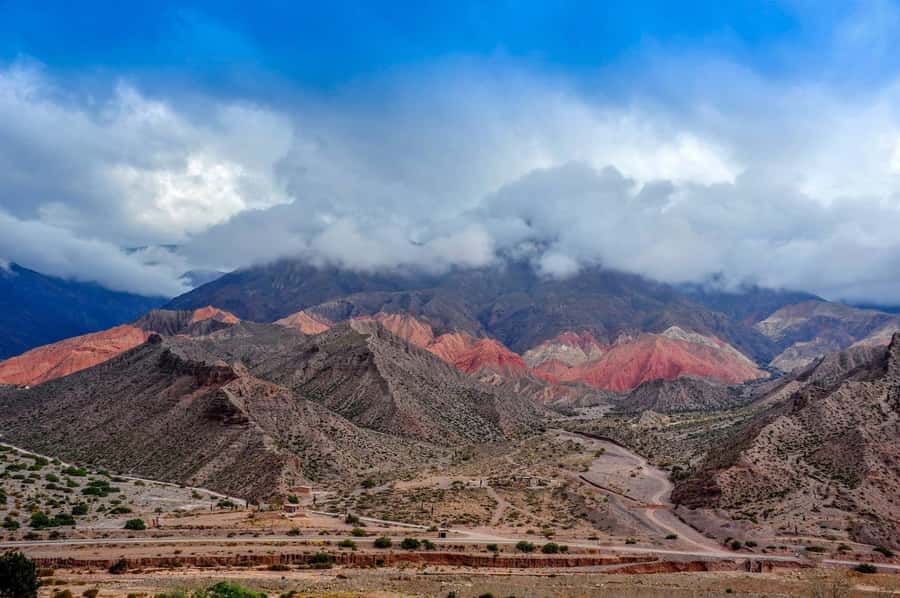
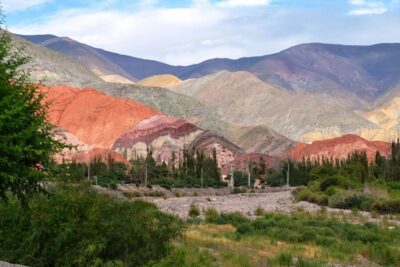
The route continues to Maimará, a small settlement beneath the Monolith Painter’s Palette. Here, the colors shift through red, yellow, orange, and pale pastel shades.
Maimará is valuable because it shows the gorge as a lived-in place. The rock formations are not isolated scenery viewed from a single lookout. Villages, roads, farms, and mountain walls all share the same space.
This is also one of the stops that needs a practical warning. The advertised route includes Maimará, but at least one recent outing did not actually visit it. If seeing the Painter’s Palette is important to you, ask the guide early in the day whether the group will stop there or only pass through.
That uncertainty is one reason I would treat the tour as a Hornocal excursion with several possible sightseeing stops, rather than as a guaranteed, unhurried tour of every village listed.
A completely different sort of day in Salta:
- From Salta: Full-Day Trip to Salinas Grandes and Purmamarca
★ 4.6 · 914 reviews - From Salta: Full-Day Tour to Cafayate with Wine Tasting
★ 4.5 · 478 reviews - From Salta: Salinas Grandes, Purmamarca & Los Colorados Hike
★ 4.3 · 356 reviews - From Salta: Cafayate, land of wines and imposing ravines
★ 4.4 · 347 reviews
Tilcara’s Andean character
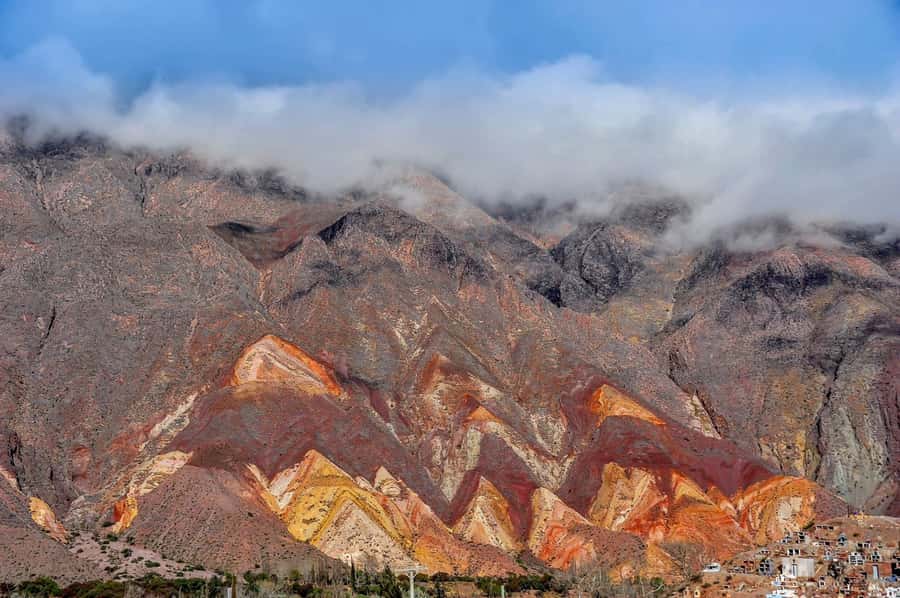
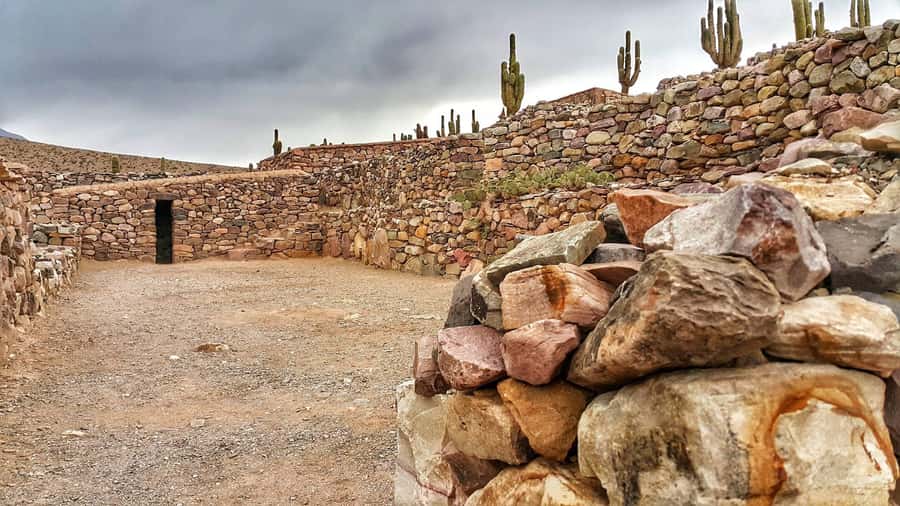
Tilcara brings a different mood. The town is known for Andean character, mountain scenery, and local cultural traditions. It is also associated with the Pucará de Tilcara archaeological site, but admission to that site is not included.
If the Pucará is a priority, confirm the plan before booking and budget separately for admission. The published price covers transport and guiding, not entry to the archaeological site.
Time can be tight here. One recent outing reached Tilcara but allowed little time to see it. That is understandable on a route that must still reach Humahuaca and Hornocal, but it can disappoint you if you expect a proper town visit.
I would enjoy Tilcara as a brief orientation stop unless the operator clearly confirms a longer visit. Look for the mountain setting, the Andean feel, and the chance to stretch your legs. Do not assume you will have enough time for a detailed museum or archaeological visit.
Uquía and the gun-toting angels
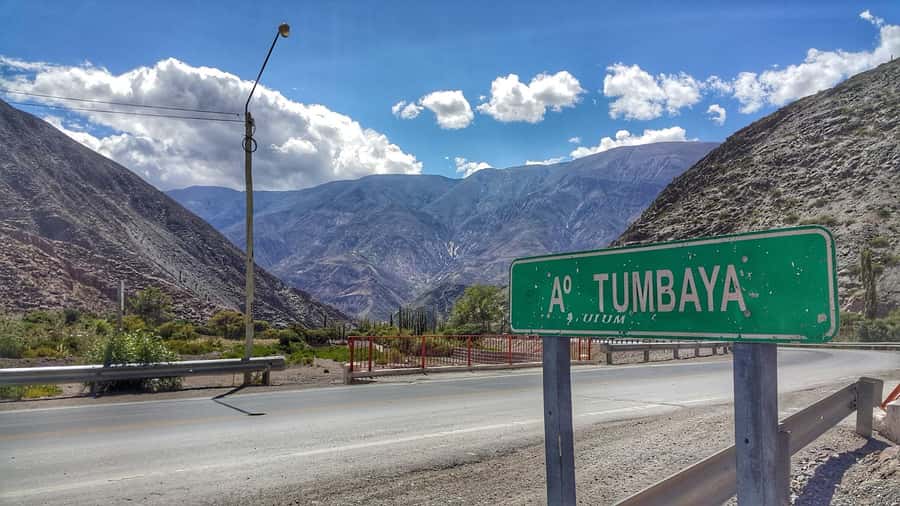
Uquía is a quieter stop with one especially unusual attraction: its historic church contains paintings of angels carrying guns. These images are known as arcabuceros, or arquebus-bearing angels, and they reflect a distinctive colonial religious art tradition in the Andes.
This detail gives the route more depth than a simple scenic drive. You are not only looking at colorful rock. You are also seeing how European religious ideas were adapted to local settings and artistic traditions.
Again, the timing is not guaranteed in practice. Although Uquía is part of the planned route, it was not visited on at least one recent outing. Ask your guide whether the church is open and included that day. If it is, this may be the most memorable cultural stop before Hornocal.
Crossing the Tropic of Capricorn
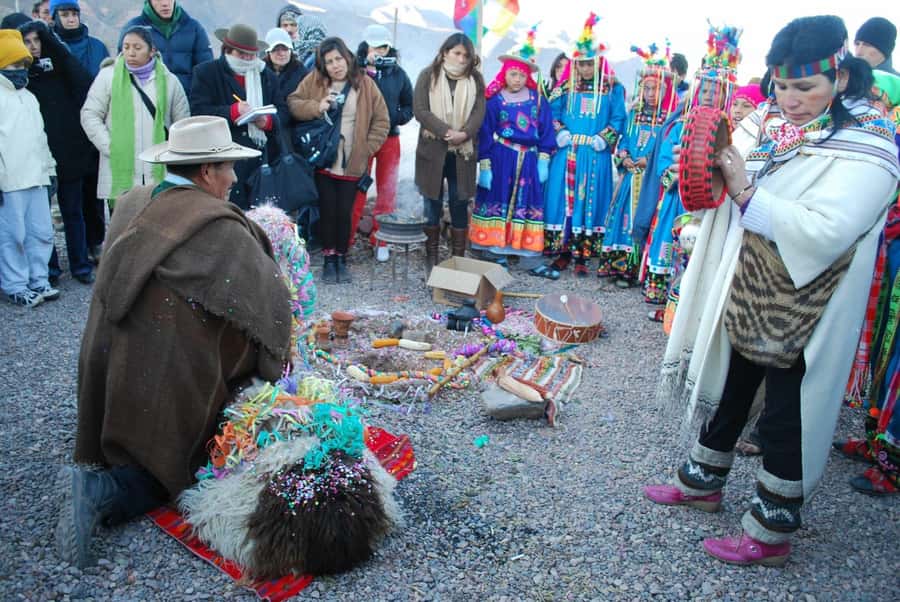
The route pauses at the Tropic of Capricorn, the most southerly latitude where the sun can appear directly overhead at noon. It is a quick geographical marker, but it gives the long drive a clear sense of place.
You are not simply moving from one attraction to the next. You are traveling through a region where altitude, latitude, geology, and Indigenous and colonial culture overlap. A stop at the Tropic of Capricorn helps you understand the scale of the journey.
Expect a short photo stop rather than a major attraction. It works best as a break in the road and a chance to mark your position on the map.
Humahuaca before the 4×4 transfer
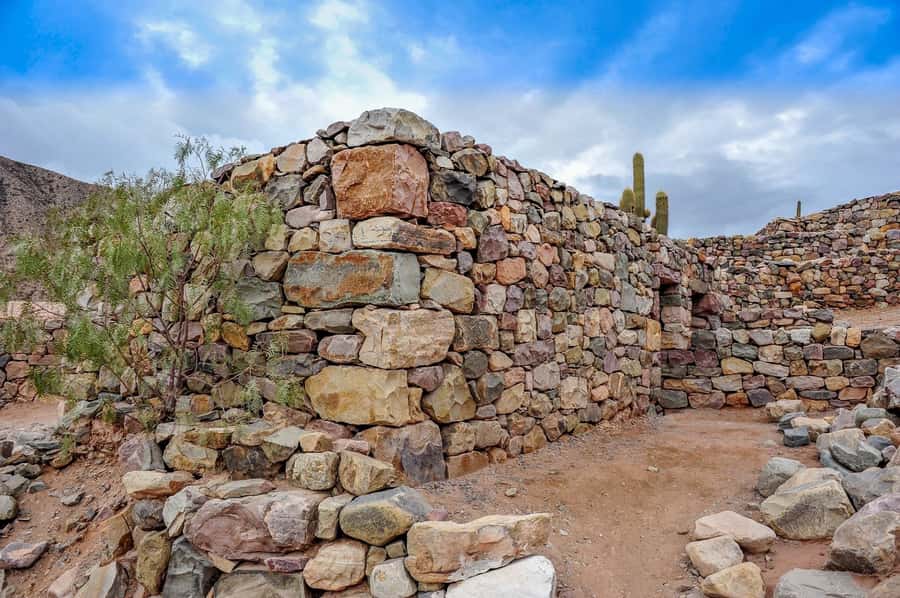
Humahuaca is both a town visit and the transfer point for Hornocal. The itinerary includes a short visit before you change from the bus or van into a 4×4 vehicle.
The town gives the gorge its name and offers a glimpse of the region’s colonial and Andean identity. Since the stop is short, I would not plan on exploring every street or building. Use it to follow the guide’s directions, find a restroom if available, and prepare for the next part of the journey.
The vehicle change is important to understand before you book. You will meet the rest of the group again after returning from Hornocal, so keep any small personal items with you and follow instructions about what remains in the main vehicle.
The local guide who accompanies the 4×4 ride is central to the Hornocal visit. The climb and viewpoint are repeatedly described as the strongest part of the day. That makes sense: the transfer takes you to the one sight that cannot be replicated by a quick roadside stop.
The 14 Colors Mountain viewpoint
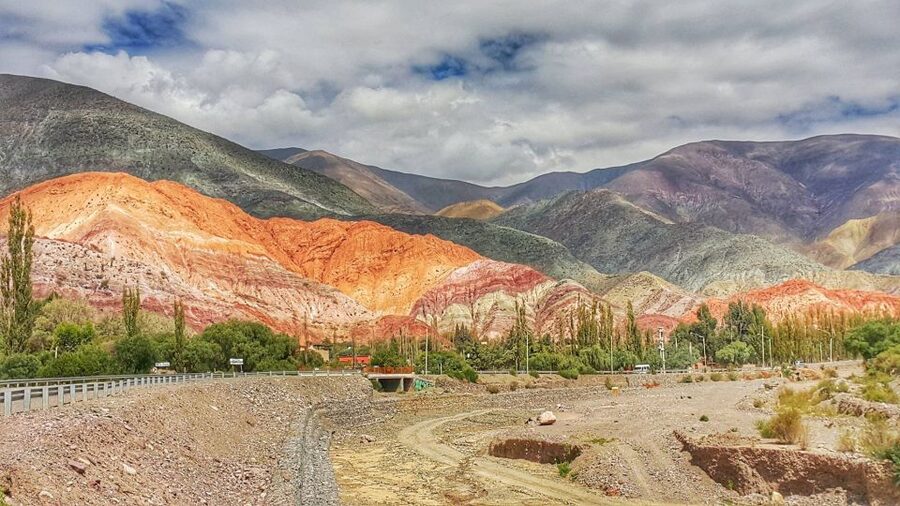
At Hornocal, the colors spread across the mountain in bands that look almost too orderly to be natural. Red, yellow, orange, cream, and gray appear in sharp layers, with the central ridge forming the familiar 14-color pattern.
The viewpoint is the moment to slow down. Take in the whole formation first, then look at the smaller changes in the rock. Light and weather can affect how strong the colors appear, so your view may not match every photograph you have seen.
The altitude and exposed setting are worth taking seriously, even though the supplied tour details do not specify an elevation. Bring weather-appropriate clothing, comfortable shoes, and layers. You may find the morning cold, then feel warmer during the lower sections of the route.
The Hornocal stop also works as a reminder that photographs flatten scale. The mountain’s bands look striking on a phone screen, but the setting around the viewpoint gives the formation its full force. Give yourself time to look away from the camera.
Guides, vehicles, and the human side of the day
The tour operates in Spanish and English. A good guide can make the long route worthwhile by explaining the geology, village traditions, and sights along the gorge.
Martin received especially warm praise for explaining the route well. Another guide was described as very good at giving explanations, even though the bus microphone made it hard to hear. These details matter because a 12-hour trip depends heavily on clear communication.
The guide and driver experience may not be consistent. One recent outing described the guide and driver as lacking empathy, while the driver was called arrogant. Another found the driver friendly but the agency guide somewhat cold. I would not treat these comments as proof of a pattern, but they are a reminder that service can vary.
Transport is the bigger practical concern. The route is long, and poor suspension can turn scenic roads into a tiring ride. The tour is still attractive if Hornocal is your priority, but comfort should be part of your decision.
Is $68 a fair price?
At $68 per person, the tour offers a useful package: round-trip transport, a guide in Spanish or English, the Salta pickup option, the village route, and the 4×4 connection to Hornocal.
The price makes the most sense if you have limited time and want to see the 14 Colors Mountain without arranging separate transport through the Quebrada. You are paying for a long day of logistics, not just for admission to one viewpoint.
The value is less clear if you mainly want to explore Purmamarca, Tilcara, Maimará, and Uquía at your own pace. The schedule may give you only short stops, and some listed locations may be skipped. Food, drinks, and entry to the Pucará de Tilcara cost extra.
The overall rating is 4.2 from 81 reviews, which fits the experience: the scenery is strongly praised, while transport, timing, and occasional service issues lower the score. I would call it fair value for Hornocal access, but not the best choice for a relaxed cultural tour.
What to bring for a 12-hour mountain day
Bring your passport or national ID, since it is specifically required. You should also wear comfortable shoes and comfortable clothes suited to changing weather.
Pack food and drinks because they are not included. The tour may include stops where you can find something to eat, but no meal is guaranteed by the activity details.
I would also bring:
- A light jacket or extra layer
- Sun protection
- Water
- A small bag for the 4×4 transfer
- Cash for food, drinks, or optional admission
Keep your schedule open for the entire day. Pickup begins early, and the activity lasts about 12 hours.
Who should book this tour?
I would recommend it to you if Hornocal is high on your Argentina itinerary and you want a practical way to reach it from Salta. It suits people who enjoy dramatic geology, long scenic drives, short village visits, and a full day with several changes of scenery.
It is also a good fit if you want some cultural context rather than a bare transport service. The church at Uquía, Tilcara, Humahuaca, and the Tropic of Capricorn give the day more variety.
I would hesitate if you dislike early starts, bumpy vehicle rides, rushed stops, or changing plans. You should also think twice if your main goal is a detailed visit to the Pucará, Maimará, or Uquía. The itinerary may not allow enough time, and recent departures have not always followed every listed stop.
Final booking advice
Book this tour if the 14 Colors Mountain is your priority and $68 feels reasonable for a full day of transport and guiding. The Hornocal viewpoint is the clear highlight, and the 4×4 transfer makes it possible to reach the main sight without arranging the route yourself.
Before paying, ask whether Maimará, Uquía, and the Pucará of Tilcara are definitely included on your departure. Also ask about the vehicle and pickup point. If you accept that Hornocal is the star and the other stops may be brief, this can be a memorable day in northern Argentina.
FAQ
How long does the Hornocal tour last?
The activity lasts about 12 hours, including transport from Salta, sightseeing stops, the 4×4 ride to Hornocal, and the return journey.
Where does hotel pickup take place?
Pickup is available from centrally located accommodation up to eight blocks from Salta’s 9 de Julio central square. Pickup is generally between 6:30 and 7:15 AM. In some cases, you may be asked to meet the vehicle at another nearby location.
What languages are available on the tour?
The tour provides a live guide in Spanish and English.
Is food included?
No. Food and drinks are not included, so you should bring provisions or plan to buy them during the day.
Is admission to the Pucará de Tilcara included?
No. Admission to the El Pucará de Tilcara archaeological site is not included in the tour price.
What do I need to bring?
Bring your passport or ID card, comfortable shoes, comfortable clothes, and clothing suitable for the weather.
Latest additions in Salta
- From Salta: Cafayate,Humahuaca and Salinas Grandes in 3 days★ 3.6 · 3 reviews
- From Salta: Cachi and Salinas Grandes 2-Day Guided Trip★ 4.1 · 3 reviews
- From Salta: Cafayate, Cachi, & Hornocal 3-Day Tour★ 4.0 · 3 reviews
- From Salta: 3-Day Cafayate, Cachi, and Humahuaca Guided Trip★ 4.7 · 3 reviews
- Salta en un Bocado – Cultural Tour & Empanada Tasting★ 5.0 · 3 reviews
- From Salta: Cafayate, Salinas Grandes, & Hornocal Tour★ 4.7 · 3 reviews
- From Jujuy: Yala and Termas de Reyes Half-Day Tour★ 3.8 · 3 reviews
- Salta: Tour to the Salinas Grandes and Purmamarca★ 3.7 · 3 reviews
Quebrada de Humahuaca Tours, compared.
Cafayate and the imposing Quebrada de las Conchas
Read our review →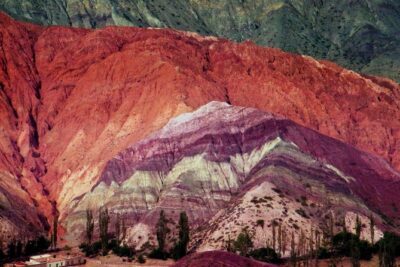
Hornocal, 14 colors mountain, trough Humahuaca´s gorge
Read our review →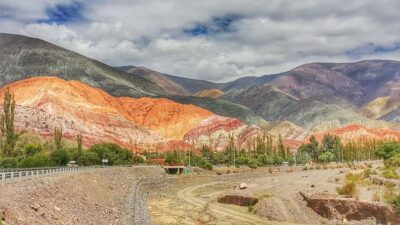
Serranías de Hornocal with Quebrada de Humahuaca
Read our review →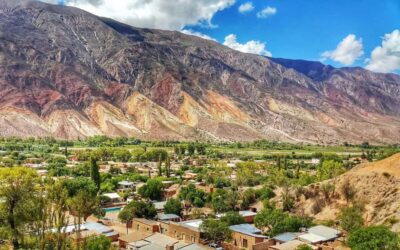
Cafayate, Humahuaca & Salinas Grandes 3-Day Tour
Read our review →Browse the lists this tour appears in