
Reviewed · MENDOZA TOURS
Mendoza: High Mountain Experience, a Tour through the Andes
The Andes make a grand first impression. This 10-hour trip from Mendoza follows Route 7 past the Potrerillos Dam and Cordón del Plata, then climbs through old mountain settlements to Puente del Inca, Aconcagua, and the Chilean border. I like the strong mix of scenery and local history, and I especially like that the route reaches 3,200 meters at Las Cuevas.
The main drawback is simple: you spend much of the day in a vehicle, covering roughly 400 kilometers. I also like the guides when they are on form, with Yani, Ivan, and Paula singled out for clear explanations, warmth, and good timing. The return drive can feel long and quiet, and lunch is not included.
In This Review
- Key points to know before you go
- Why this Andes day trip is worth considering
- Starting early beside the Mendoza River
- Potrerillos Dam and the first mountain views
- Uspallata and the Huarpes connection
- Picheuta, Polvaredas, and Punta de Vacas
- Los Penitentes and the changing Andes
- Puente del Inca, a natural bridge with thermal springs
- Aconcagua from 2,750 meters
- Las Cuevas and the Chilean border
- Lunch in the mountains, with a clear warning
- The return trip and the long afternoon
- Guides, transport, and the pace of the day
- Who should book this $74 Andes tour?
- Should you book it?
- FAQ
- How long does the Mendoza High Mountain Experience last?
- What places does the tour visit?
- Does the tour reach Aconcagua?
- How high does the tour go?
- Is lunch included?
- What language is the guide?
- Is hotel pickup included?
Key points to know before you go
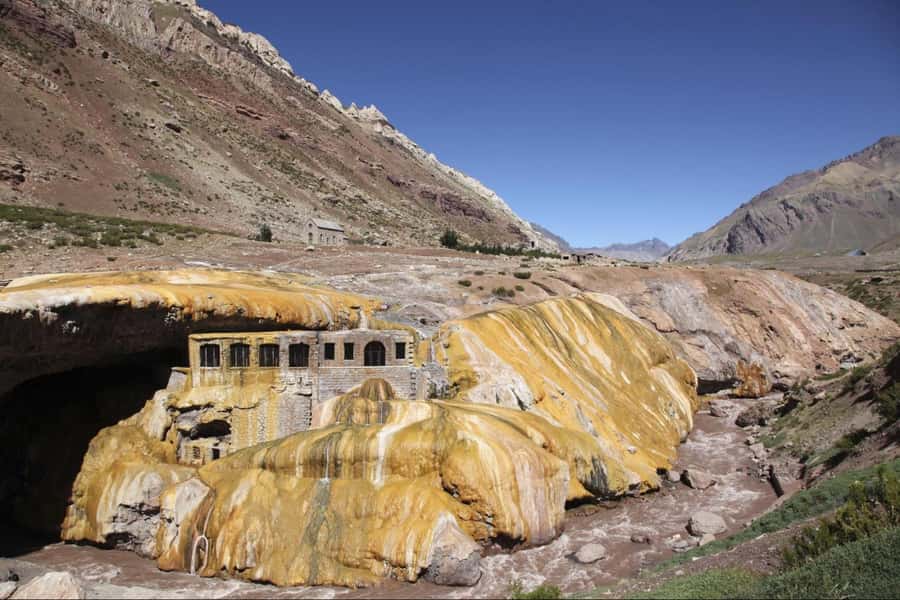
- Puente del Inca is the visual star: A natural rock formation shaped by mineral deposits and hot springs, it feels unlike anything else on this route.
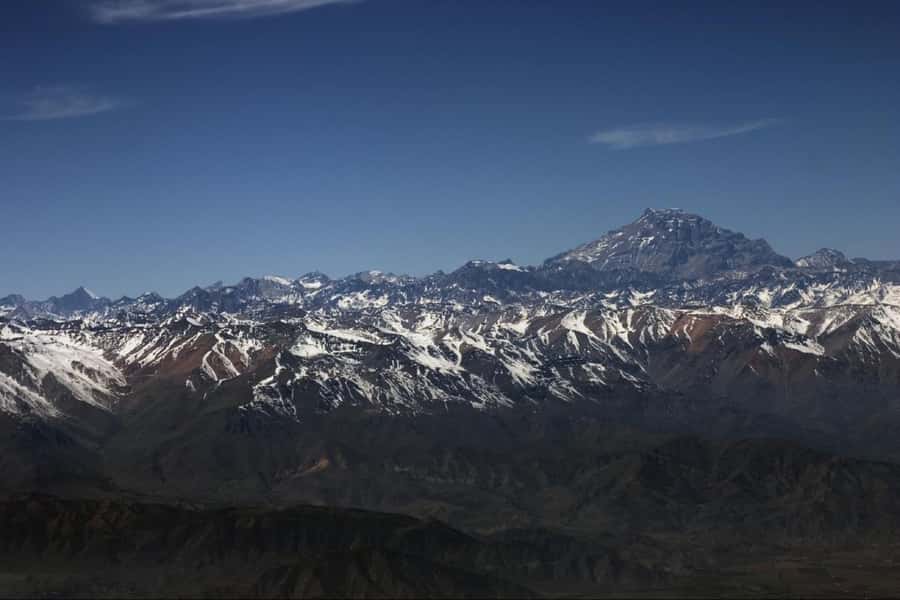
- Aconcagua appears from a 2,750-meter viewpoint: You do not climb the mountain, but you get a clear chance to appreciate the scale of the highest peak in the Americas.
- The day covers about 400 kilometers: Frequent stops break up the drive, but this is still a road tour, not a gentle half-day outing.
- Uspallata connects the scenery to Mendoza’s past: The valley is linked with the pre-Hispanic Huarpes people and gives the trip a cultural layer.
- Lunch costs extra and deserves planning: The usual stop is at a regional restaurant, and one meal was reported as expensive for its quality, at 20,000 pesos cash or 22,000 pesos by card.
- The tour runs in Spanish: Pickup is included from central Mendoza hotels, but some properties require you to reach a nearby designated hotel.
Why this Andes day trip is worth considering
Mendoza is famous for wine, but the province’s mountain country gives you a much larger sense of place. This tour follows the Mendoza River and International Route 7 into the Andes, where the road itself becomes part of the experience.
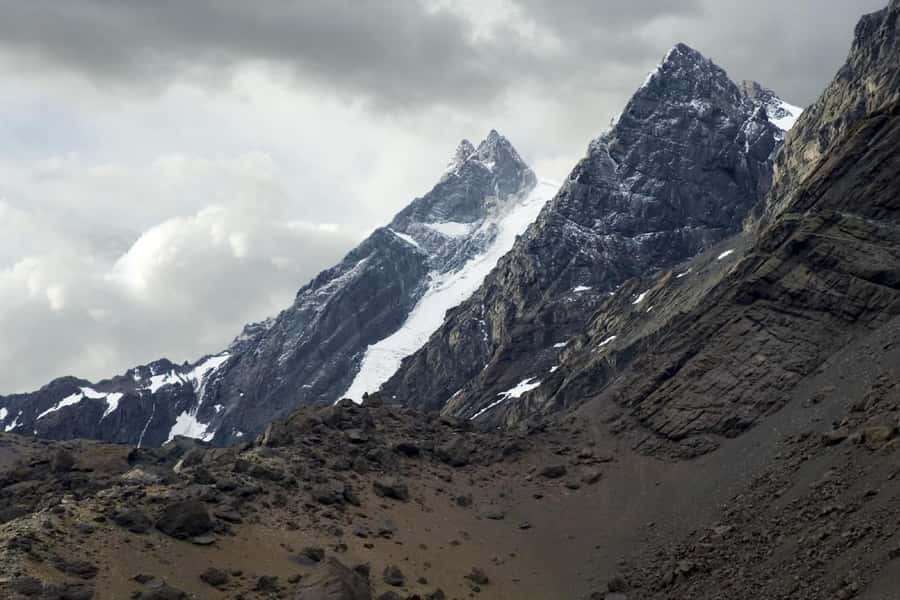
I like this route because it does not rely on one famous stop. You get water at Potrerillos Dam, high valleys at Uspallata, old railway and frontier settlements farther west, strange mineral formations at Puente del Inca, and a dramatic mountain viewpoint near Aconcagua. Each stop changes the mood.
At $74 per person, the price is reasonable for a full-day outing with round-trip transport and a Spanish-speaking guide. You are paying for the long transfer as much as the sightseeing. That matters in Mendoza, where the major mountain highlights are far apart and driving yourself would require more planning and concentration.
Still, value depends on your tolerance for road time. If you want long walks, quiet time at each site, or a slow look at village life, this may feel rushed. If you want to see the major Andes sights in one organized day, it covers a lot of ground for the money.
Other days out in Mendoza that people book on the same trip:
- From Mendoza: 3 Wineries, Olive Oil Factory Tour & Tasting
★ 4.6 · 901 reviews - From Mendoza: High Andes Aconcagua Mountain Tour
★ 4.4 · 767 reviews - Mendoza: Half-Day Wine Tour with Tastings
★ 4.3 · 727 reviews
Starting early beside the Mendoza River
The tour begins early, with pickup at hotels in central Mendoza. The exact starting time depends on availability, and some city hotels are not on the pickup route. If your hotel is excluded, the operator gives you a nearby hotel where you must wait in the lobby.
That detail sounds minor, but it can affect your morning. Check the pickup instructions carefully and allow time to reach the alternate hotel. A delayed start is not ideal on a 10-hour trip, since much of the route lies ahead.
Once the vehicle leaves Mendoza, the road follows the Mendoza River along International Route 7. This is a useful route for understanding how Mendoza connects to Chile through the Andes. The early views include the Cordón del Plata and the broad water surface of Potrerillos Dam.
Potrerillos Dam and the first mountain views
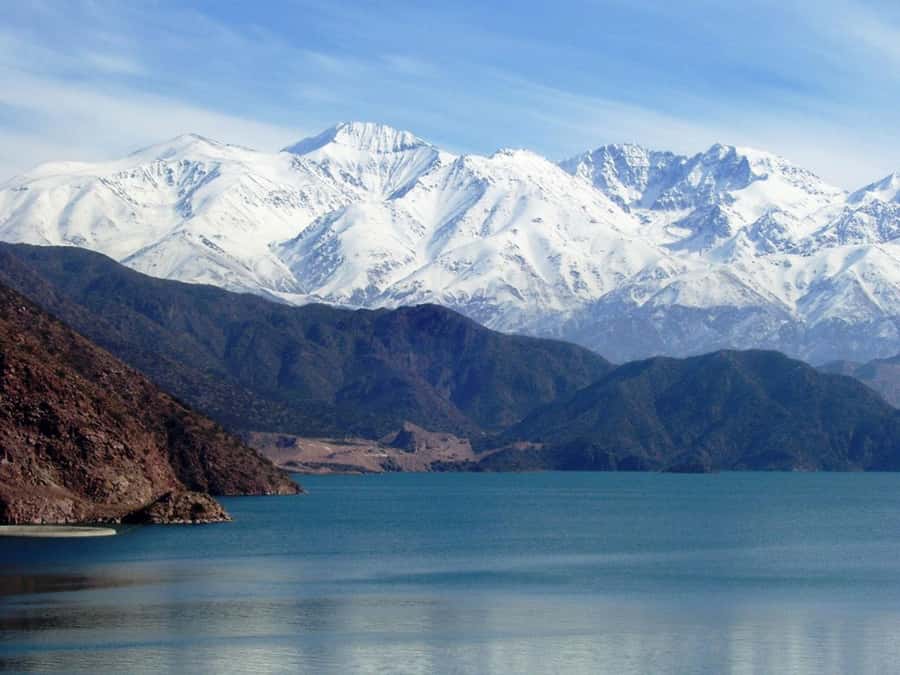
Potrerillos Dam gives the day an easy opening. Its water reflects the surrounding peaks, creating a wide view before the road begins its higher climb. The stop also shows how human construction has altered this mountain setting, turning a river valley into a large reservoir.
I find this part valuable because it gives you scale. Mendoza’s city vineyards can make the province feel orderly and cultivated. Here, the scenery opens up and the Andes begin to dominate the day.
Do not expect the dam to be the central event. It is an early viewpoint and a scenic introduction. The strongest mountain sights come later, but this first stop helps you see the range as a connected system of valleys, water, and roads.
Uspallata and the Huarpes connection
The route continues toward Uspallata, a valley associated with the pre-Hispanic Huarpes people. This gives the tour more substance than a simple mountain photo run. The valley was part of the human story of the region long before modern roads linked Mendoza with Chile.
The town also works as a practical stage in the journey. By this point, you are moving farther into the Andes, and the scenery becomes more rugged. The broad valley provides a contrast with the narrow passages and high slopes farther west.
One point deserves clarification. The tour description includes Picheuta among the settlements along the route, but a recent passenger found that the vehicle did not pass through or stop there. If Picheuta is important to you, ask the guide about the day’s exact stopping plan rather than assuming every named town receives a proper visit.
A completely different sort of day in Mendoza:
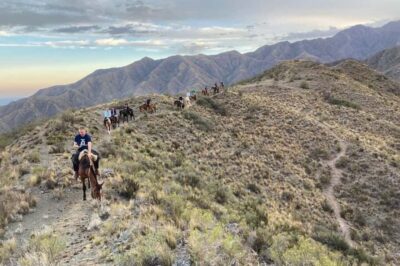
- Mendoza: Sunset Horse Back Riding in the Mountains and BBQ
★ 4.9 · 515 reviews - Andes Day Trip from Mendoza Including Aconcagua, Uspallata and Puente del Inca
★ 4.5 · 419 reviews - From Mendoza: Andes High Mountain Full-Day Tour
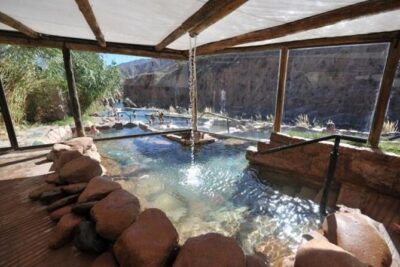
★ 4.7 · 208 reviews - Premium Spa Day at Cacheuta Hot Springs
★ 4.5 · 160 reviews
Picheuta, Polvaredas, and Punta de Vacas
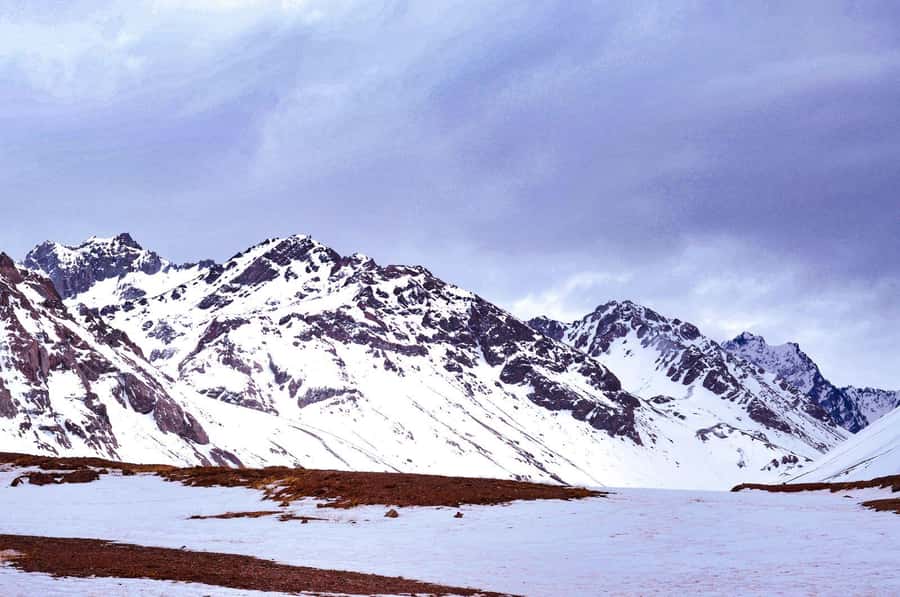
After Uspallata, the road passes through or near Picheuta, Polvaredas, and Punta de Vacas before reaching Los Penitentes. These places help you read the Andes as a lived-in mountain corridor rather than empty wilderness.
The stops may be brief, and the tour is not designed as a walking visit to each settlement. Their value comes from seeing how small communities sit along the road, with the mountains shaping transport, work, and daily life.
This is also where the trip’s pace becomes clear. The route is scenic, but the road keeps going. One passenger felt that the tour offered beautiful views but relatively few major stops, while another appreciated the frequent breaks. Both reactions make sense. The day gives you many glimpses, but only a handful of longer visits.
Los Penitentes and the changing Andes
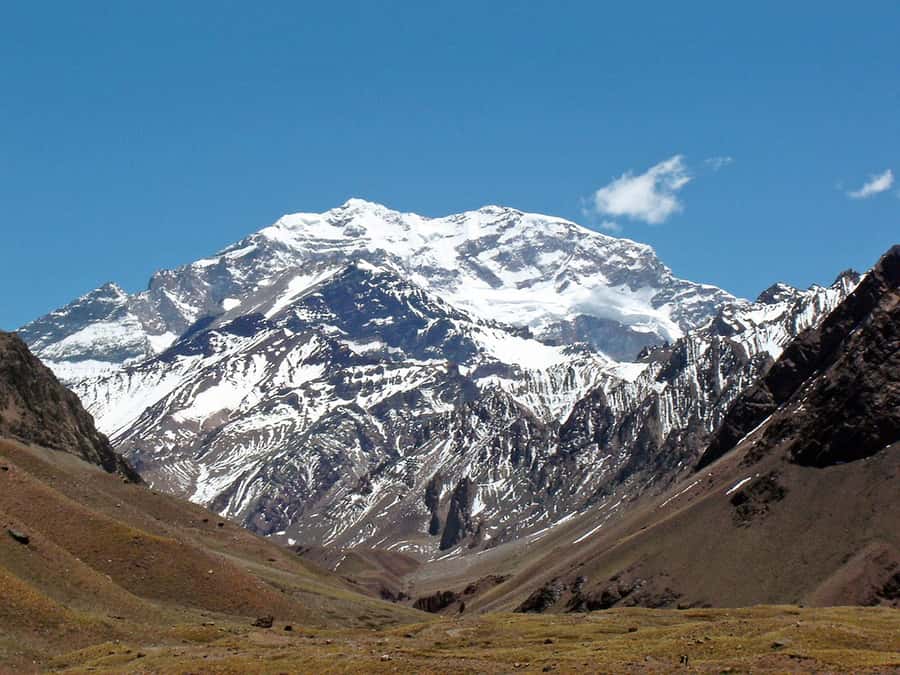
Los Penitentes is a former ski resort and one of the route’s recognizable mountain landmarks. The name refers to the pointed snow formations that can resemble a line of hooded figures, though the exact appearance depends on conditions.
As a former ski area, Los Penitentes adds a human chapter to the high-country scenery. It also reminds you that this road has long served more than sightseeing. The corridor links communities, trade routes, border traffic, and recreation.
Do not expect a full ski-resort experience. The attraction here is the setting and the story of the former resort, not a day of mountain sports. The tour moves on toward its most unusual stop.
Puente del Inca, a natural bridge with thermal springs
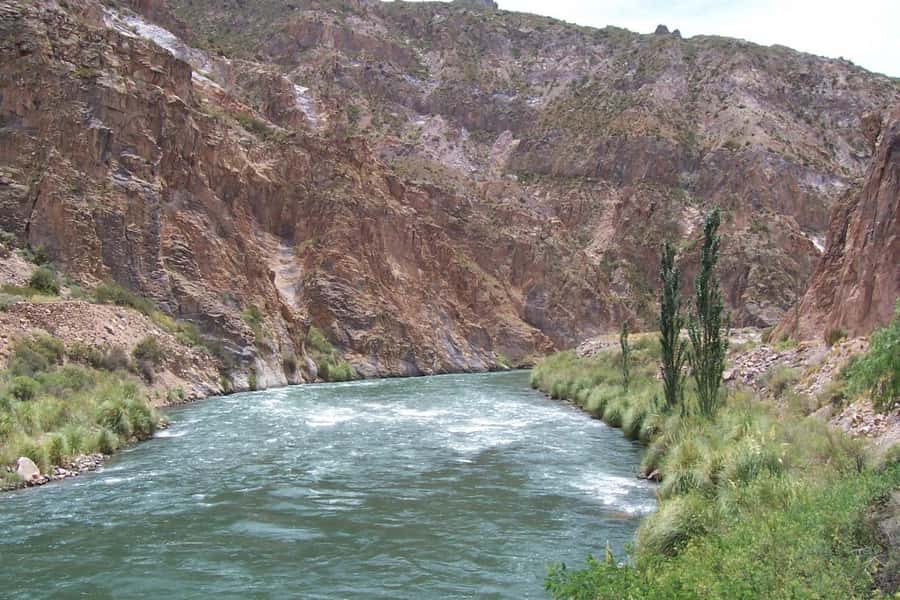
Puente del Inca is the day’s most distinctive sight. The formation is a natural bridge over the river, colored and shaped by mineral deposits associated with hot springs. Its ochre and yellow tones give it an almost built appearance, despite being a work of water and geology.
The site is often described as a natural architectural work, and that phrase fits. You see a structure that looks designed, but the design comes from mineral-rich water and time. The hot springs are part of its identity, though the tour does not promise bathing or spa access.
I would give this stop your full attention. The colors, rock forms, and surrounding peaks make it different from the broad reservoir and valley views earlier in the day. It is also a good place to think about how the Andes can produce scenery that seems almost unreal without any human decoration.
The visit may not be as long as you want. This is a packed route, and the vehicle must continue toward Aconcagua and Las Cuevas. If photography matters to you, keep your camera ready and listen for the guide’s instructions about how much time you have.
Aconcagua from 2,750 meters
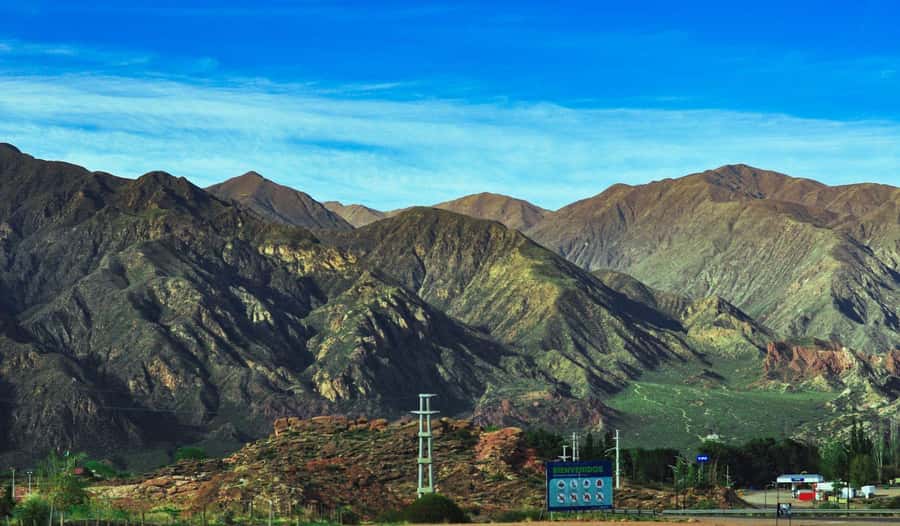
A few kilometers beyond Puente del Inca, the tour reaches a viewpoint for Cerro Aconcagua. The viewpoint sits at about 2,750 meters above sea level, while the mountain rises to 6,959 meters, making it the highest peak in the Americas.
You do not need to be a climber to appreciate Aconcagua. From the viewpoint, the important thing is scale. The mountain towers over the surrounding peaks and gives the route its biggest single sight.
A good guide helps here. Ivan was praised for explaining the route clearly and allowing enough time for photos and necessary stops. That combination matters at Aconcagua, where a rushed photo can leave you feeling that you barely saw the mountain.
Conditions can affect the view, so keep expectations practical. The tour promises access to the viewpoint, not a guaranteed cloud-free panorama. Even when the summit is partly hidden, the surrounding high Andes still make the stop worthwhile.
Las Cuevas and the Chilean border
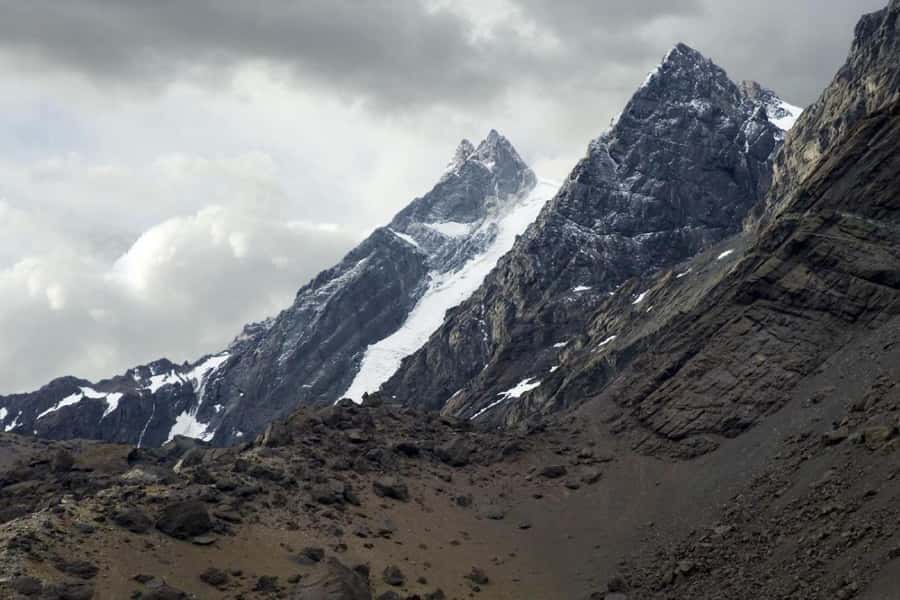
The road continues to Las Cuevas, near the Chilean border, reaching about 3,200 meters above sea level. This is the highest point described on the route and gives you a clear sense of how far you have climbed from Mendoza.
Las Cuevas is not simply another village stop. Its location near the border places the tour within the wider Chile-Mendoza route across the Andes. The road, mountains, and frontier setting come together here.
Altitude is worth taking seriously, even though the tour does not describe a special altitude program. You may notice the difference more than at lower stops. Move at a comfortable pace, follow the guide’s instructions, and do not plan an intense physical activity after the tour.
The route’s high elevation is one reason this experience feels special, but it is also one reason the day can be tiring. You are combining a long ride with major changes in elevation and a full schedule.
Lunch in the mountains, with a clear warning
Lunch takes place around noon at a typical regional restaurant, and food is not included in the $74 price. This is useful because you can try local cooking, but it also means the total cost of the day is higher than the advertised tour price.
One passenger described the meal as poor in service, expensive, and disappointing in quality, with a reported price of 20,000 pesos when paying cash or 22,000 pesos by card. Prices can change, but the lesson is current and practical: bring enough money and do not assume the included restaurant will be a highlight.
The lunch stop may be welcome simply because the morning is busy. After several hours on the road, a proper break matters. Still, if you are particular about meals, ask the guide about the day’s restaurant and payment options.
Food, beverages, and other services are not included. The tour information does not state that snacks or drinks are provided, so carry what you need for a long day, using the operator’s rules and the guide’s instructions.
The return trip and the long afternoon
After lunch, the group begins the return journey to Mendoza. The morning concentrates most of the sightseeing, while the afternoon is mainly the road back.
That arrangement makes sense geographically, but it can feel heavy. One passenger found the afternoon slow, with no music or explanations and only restroom stops. Another passenger viewed the frequent stops and beautiful scenery as a fair trade for the 400-kilometer route.
I would choose this tour for the destinations, not for constant entertainment inside the vehicle. Bring a book, headphones, or a simple way to pass quiet time, while still paying attention when the guide speaks. The road back can be your chance to rest after a demanding morning.
Guide quality can shape the entire day. Yani received especially warm praise for her humor, preparation, and useful information. Paula helped a passenger who had accidentally booked the Spanish-language option by translating key points. The official language is Spanish, so you should not book this expecting a full English tour.
Guides, transport, and the pace of the day
The tour includes round-trip hotel transfers in central Mendoza and a live Spanish-speaking guide. The provided details do not specify the vehicle type or group size, so do not assume a small private van or a luxury coach.
The strongest guide experiences combine facts with timing. Ivan was appreciated for clear explanations and giving the group enough time for photos. Yani was praised for turning stops into informative moments. Those details tell you what to hope for, but the guide assigned to your date may be different.
The driver also matters on a mountain road. One passenger praised the driver’s care, attention, and safe handling. That is important on a day built around winding roads, high passes, and a long return drive.
Who should book this $74 Andes tour?
I would recommend it to you if you have limited time in Mendoza and want the major western mountain sights in one day. It suits people who enjoy changing scenery, short sightseeing stops, regional history, and a guide who explains what you are seeing.
It is also a good fit if you do not want to rent a car for a long mountain drive. The price covers the main transport burden, and the route would be difficult to organize as efficiently without local support.
I would hesitate if you dislike long vehicle days. The tour lasts 10 hours, covers about 400 kilometers, and saves most of the return journey for the afternoon. It may also disappoint you if your main goal is hiking, extended time at Aconcagua, or a detailed visit to every settlement along Route 7.
The overall rating of 4.5 from 78 bookings reflects a strong experience with some predictable limits. The mountain views and guide service receive the most praise. The weak points are the long afternoon, the Spanish-only format, the extra lunch cost, and the chance that a named settlement such as Picheuta will not receive a full stop.
Should you book it?
Book this tour if you want a well-priced introduction to the Mendoza Andes and accept that the road is part of the day. Puente del Inca, Aconcagua, Las Cuevas, Potrerillos Dam, and Uspallata give you a broad look at the province’s scenery and past.
Skip it if you need a relaxed schedule or want to choose each stop yourself. For most first-time visitors with one free day, I think the combination of transport, guide service, and major mountain sights makes $74 a fair deal. Just confirm your pickup hotel, prepare for Spanish, budget separately for lunch, and treat the long return as part of the bargain.
FAQ
How long does the Mendoza High Mountain Experience last?
The tour lasts 10 hours. Starting times vary, so you should check availability when booking.
What places does the tour visit?
The route includes Potrerillos Dam, Uspallata, Picheuta, Polvaredas, Punta de Vacas, Los Penitentes, Puente del Inca, an Aconcagua viewpoint, and Las Cuevas near the Chilean border.
Does the tour reach Aconcagua?
The tour reaches a viewpoint for Cerro Aconcagua at about 2,750 meters above sea level. It does not describe a climb of the mountain.
How high does the tour go?
The route reaches approximately 3,200 meters above sea level at Las Cuevas.
Is lunch included?
No. Lunch, drinks, and services not specifically listed are extra. The group stops at a typical restaurant around noon.
What language is the guide?
The live guide speaks Spanish. Some individual guides may help with key information in another language, but the tour is officially Spanish-language.
Is hotel pickup included?
Round-trip pickup is included for hotels in central Mendoza, but some city hotels are excluded. If your hotel is not on the pickup route, you will be directed to a nearby hotel and must wait in its lobby.
Latest additions in Mendoza
- From Mendoza: Atuel Canyon Day Trip★ 4.4 · 3 reviews
- Mendoza: Tango Show with Dinner at Hualta Winery Hotel★ 4.6 · 3 reviews
- Mendoza: Tour with tasting and lunch High Altitude Wineries★ 4.7 · 3 reviews
- Mendoza: Hiking, Meditation & Yoga in the Andes with Lunch★ 5.0 · 3 reviews
- Wine Icons: Meet the sparkling world of Chandon★ 5.0 · 3 reviews
- Uco Valley, Mendoza: One-Day Private Wine Tour Experience★ 5.0 · 4 reviews
- Mendoza’s top wineries ! All Inclusive Private Tours!★ 5.0 · 4 reviews
- Mendoza: half day in the Andean foothills★ 4.0 · 4 reviews
Mendoza Tours, compared.
Sunset Horse Back Riding in the Mountains and BBQ
Read our review →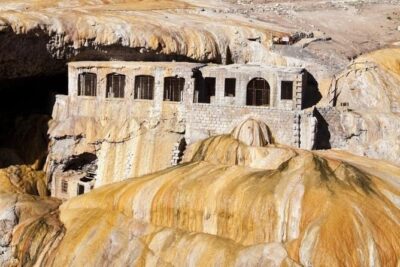
Andes Day Trip from Mendoza Including Aconcagua, Uspallata and Puente del Inca
Read our review →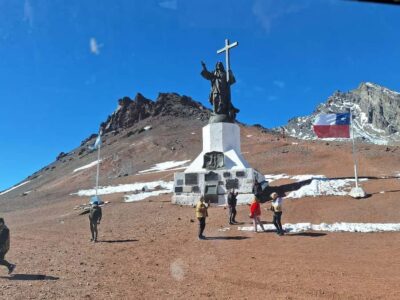
Browse the lists this tour appears in