
Reviewed · ACONCAGUA & HIGH ANDES TOURS
From Mendoza: High Andes Aconcagua Mountain Tour
The Andes turn a bus ride into magic. I like the close-up stop at Puente del Inca, where colored rock wraps around a natural stone bridge, and I like the easy walk toward Aconcagua, the highest peak in the Americas. The route also gives you a useful look at Mendoza Province beyond the vineyards, from Potrerillos Dam to the old Andean road toward Chile.
The tradeoff is the clock. This is a 12-hour day, with long stretches on the bus and fairly brief guided stops. Las Cuevas gives you the longest free period, but lunch options there can be limited, so bring food and cash if you want more control.
In This Review
- Key points at a glance
- What this Mendoza Andes tour is really like
- Starting from Mendoza and climbing toward Potrerillos
- Uspallata and the Huarpes connection
- Polvaredas and Punta de Vacas on Route 7
- Puente del Inca, the most unusual stop
- Aconcagua Provincial Park and Horcones Lagoon
- Las Cuevas and the Chilean border corridor
- The long return through the Andes
- What to pack for this high-altitude day
- Guides, languages, and the group experience
- Who should book it?
- Should you book the High Andes Aconcagua tour?
- FAQ
- How long does the High Andes Aconcagua tour last?
- Is hotel pickup included?
- Which languages are available?
- Is food included in the tour price?
- Can I enter Aconcagua Provincial Park?
- Is the walk to Aconcagua difficult?
- What should I bring?
- What happens if weather or road conditions block the route?
- How early should I be ready for pickup?
Key points at a glance
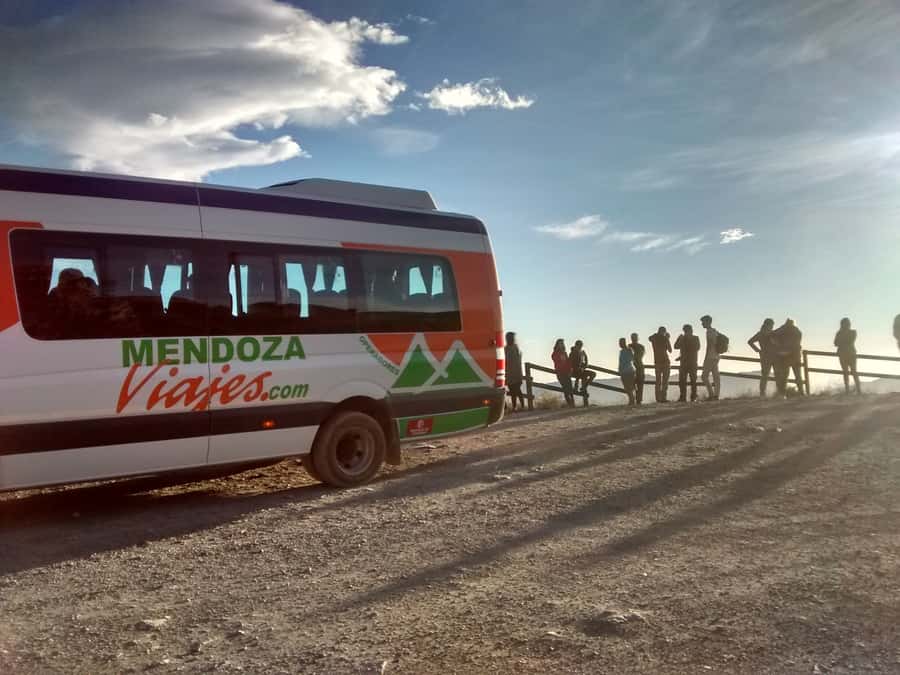
- Aconcagua without a major trek: From November through April, you may enter Aconcagua Provincial Park and walk toward Horcones Lagoon, though the park visit can feel rushed.
- Puente del Inca is the visual star: The natural arch sits at about 8,924 feet above sea level, surrounded by striking bands of yellow, orange, and brown rock.
- Route 7 adds real Andean context: The international highway follows the corridor toward Chile and shows why this crossing has long mattered.
- Uspallata adds history to the scenery: The town sits in a valley where the Huarpes lived during the pre-Hispanic era.
- Bring a packed lunch and water: Food is not included, and Las Cuevas has limited choices according to one detailed account.
- Weather can change the plan: Road closures or mountain conditions may prevent access to Aconcagua or Las Cuevas.
What this Mendoza Andes tour is really like
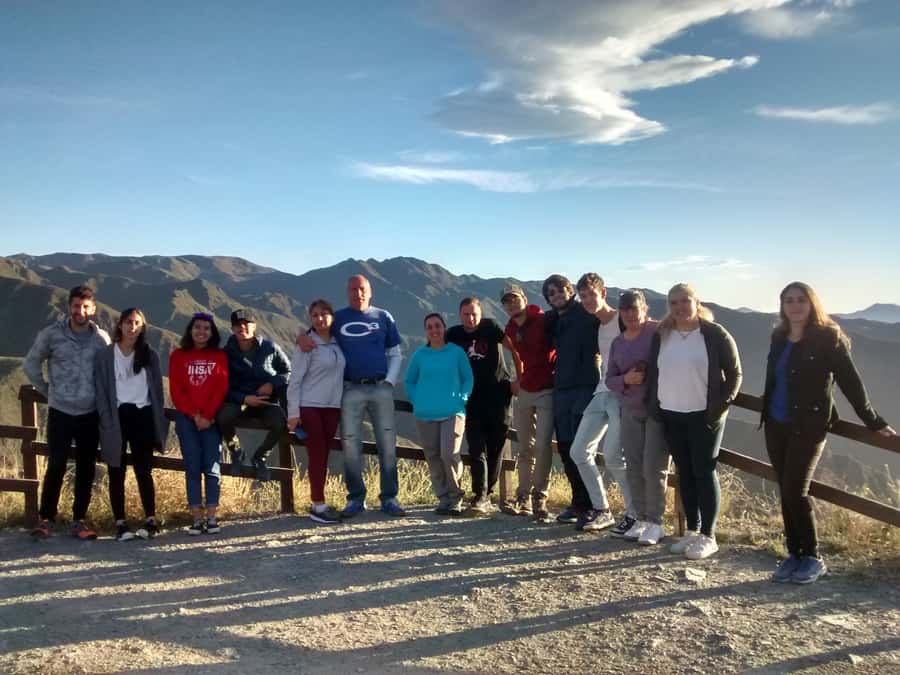
This is a road-based mountain excursion, not a strenuous hiking trip. You leave Mendoza early, spend much of the day climbing into the Andes, stop at several major sights, and return by Route 7.
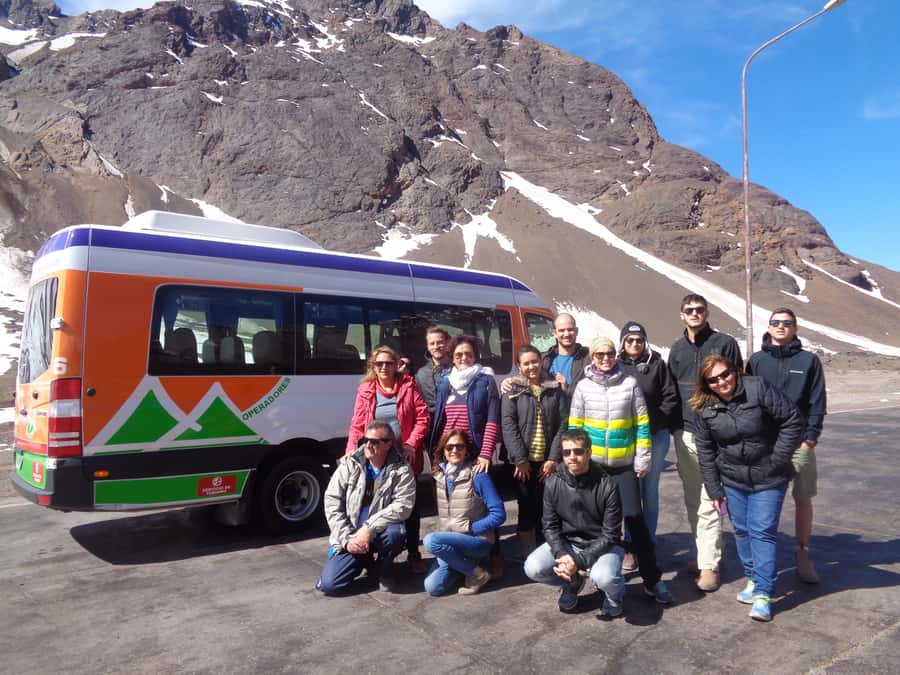
The experience works best if you want to see a lot in one day without arranging a rental car, navigating mountain roads, or planning park access yourself. You get a guide in Spanish, English, or Portuguese, plus hotel pickup and drop-off within downtown Mendoza and Luján de Cuyo.
The price is listed at $63 per person. For a 12-hour excursion with transport, a guide, and several major sights, that is a strong value. Food, drinks, and the possible Horcones Lagoon entrance are extra, so the final cost depends partly on what you buy along the way.
I would not choose this trip if your main goal is a long hike at Aconcagua. The walking portions are short, and the schedule is designed to cover distance and viewpoints rather than spend half a day on one trail.
More Aconcagua and High Andes Tours:
- Andes Day Trip from Mendoza Including Aconcagua, Uspallata and Puente del Inca
★ 4.5 · 419 reviews - Wonders of the High Andes from Mendoza
★ 4.0 · 102 reviews - Mendoza: Aconcagua, Uspallata & Puente del Inca Day Trip
★ 4.5 · 84 reviews
Starting from Mendoza and climbing toward Potrerillos
Pickup is available from hotels or apartments in downtown Mendoza and Luján de Cuyo. You should be ready 15 minutes before departure. The operator normally contacts you the day before to confirm the pickup, but if you cannot be reached, you are asked to go to the central office at Peatonal Sarmiento 129, 30 minutes before the start.
The first major stretch takes about an hour and a half. On Tuesdays, Thursdays, and Saturdays, the route begins on dirt roads through Villavicencio, offering broad views of the high Andes. On other days, the exact road sequence may differ, so you should treat the published order as a guide rather than a guarantee.
Potrerillos Dam appears early in the day. You get a short scenic stop, not a long visit, but the water and mountain setting give you a quick sense of how the region produces energy and manages its dry climate.
This part is easy to underestimate. You are not simply being driven from one attraction to another. The road gradually changes from Mendoza’s lower valleys to a much more severe mountain setting. Keep your camera handy, but also keep your expectations realistic: the best views may appear from the bus window between formal stops.
Uspallata and the Huarpes connection
After roughly another hour on the road, you reach Uspallata Valley and stop in the town of Uspallata for about 30 minutes. This is a practical break for snacks, coffee, and restrooms, but it also gives the guide a chance to explain the people and routes connected with the valley.
The Huarpes lived here during the pre-Hispanic era. That detail matters because Uspallata is more than a convenient roadside town. It sits along an old corridor through the Andes, a route shaped by Indigenous settlement, later colonial movement, and modern travel toward Chile.
Do not expect a museum visit or a long cultural program. The stop is short. I would use it to buy something small to eat, refill supplies if possible, and listen closely while the guide provides the regional background.
Guides are one of the strongest parts of this outing. Names praised in individual accounts include Mica, Marta, Pablo, Alex, Julie, Francisco, and Andres. Their styles may vary, but the consistent strength is clear: the better guides explain the history, climate, local legends, and mountain routes while keeping the bus moving.
If your group includes several languages, the guide may explain the same information first in Spanish and then in English or Portuguese. One English-speaking passenger found the translation uneven, while others described bilingual explanations as very well handled. If you need English information, sit near the front and tell the guide early.
Polvaredas and Punta de Vacas on Route 7
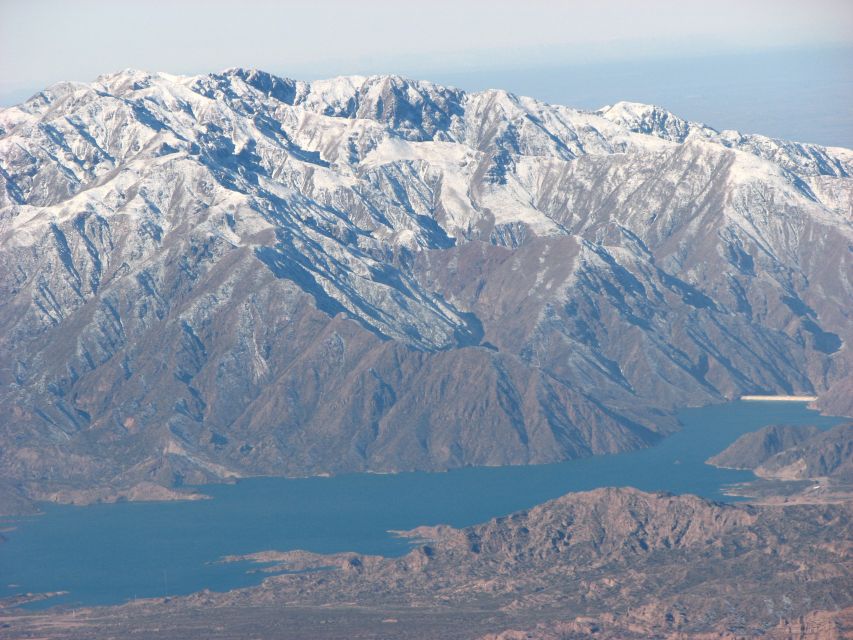
From Uspallata, the bus continues toward Polvaredas and Punta de Vacas. The scheduled drive is about 75 minutes, with photo opportunities along the way.
These stops help you understand the scale of the Andes. There is no single grand attraction at every point. Instead, you get changing views of bare ridges, narrow valleys, high slopes, and the road itself threading through the mountains.
Route 7 is the famous international Andean Highway connecting Argentina with Chile. The road gives the trip its sense of movement and purpose. You are following a major crossing rather than taking an isolated scenic loop.
The ride can be tiring. Several people described the day as long but worthwhile, and one person advised bringing motion-sickness medicine for the winding sections. If you get carsick, sit near the front, look outside often, and bring any medication you already use. The supplied information does not promise a specific vehicle size, though accounts describe both comfortable vans and a small, somewhat tight bus.
A completely different sort of day in Mendoza:
- From Mendoza: 3 Wineries, Olive Oil Factory Tour & Tasting
★ 4.6 · 901 reviews - Mendoza: Half-Day Wine Tour with Tastings
★ 4.3 · 727 reviews - Mendoza: Sunset Horse Back Riding in the Mountains and BBQ
★ 4.9 · 515 reviews - From Mendoza: Andes High Mountain Full-Day Tour
★ 4.7 · 208 reviews
Puente del Inca, the most unusual stop
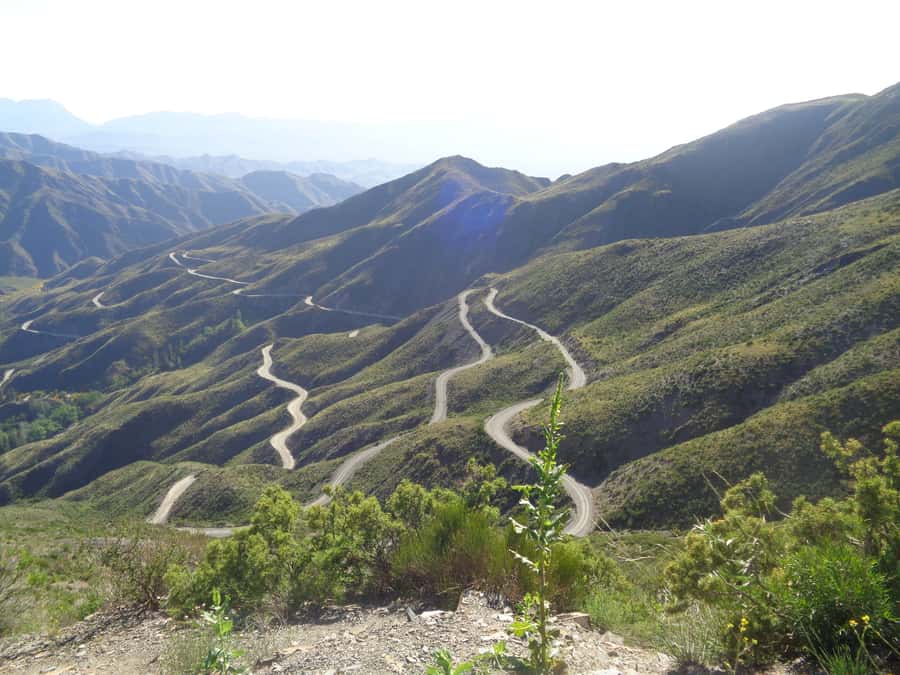
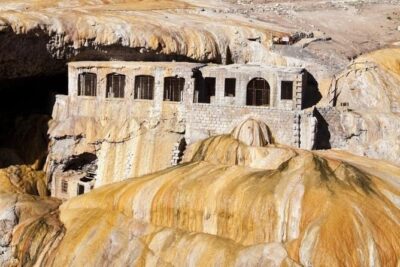
Puente del Inca is the most distinctive stop on the route. The natural bridge sits around 8,924 feet above sea level and has swirls of mineral-colored rock that make it look almost painted.
You get about 15 minutes with a guided visit. That is enough to see the formation, take photographs, and hear the basic explanation, but not enough for a slow wander. Stay alert when the guide calls the group back. The day has a tight timetable, and the bus still has a long way to go.
The name means Bridge of the Inca, linking the place with the wider Andean world and Incan routes. The rock colors are the feature you will notice first. Against the dry mountain surroundings, the yellow, rust, and reddish tones seem especially strong.
I would rank Puente del Inca among the best reasons to book this excursion. It is visually different from Aconcagua, and the stop requires almost no physical effort. Comfortable shoes are still wise because the ground around mountain viewpoints may be uneven.
Aconcagua Provincial Park and Horcones Lagoon
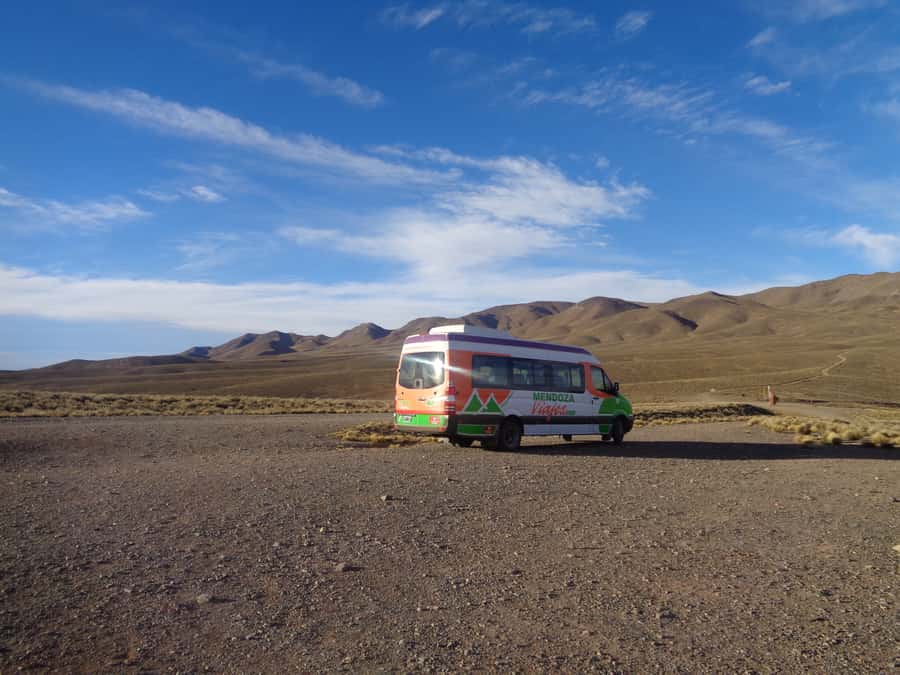
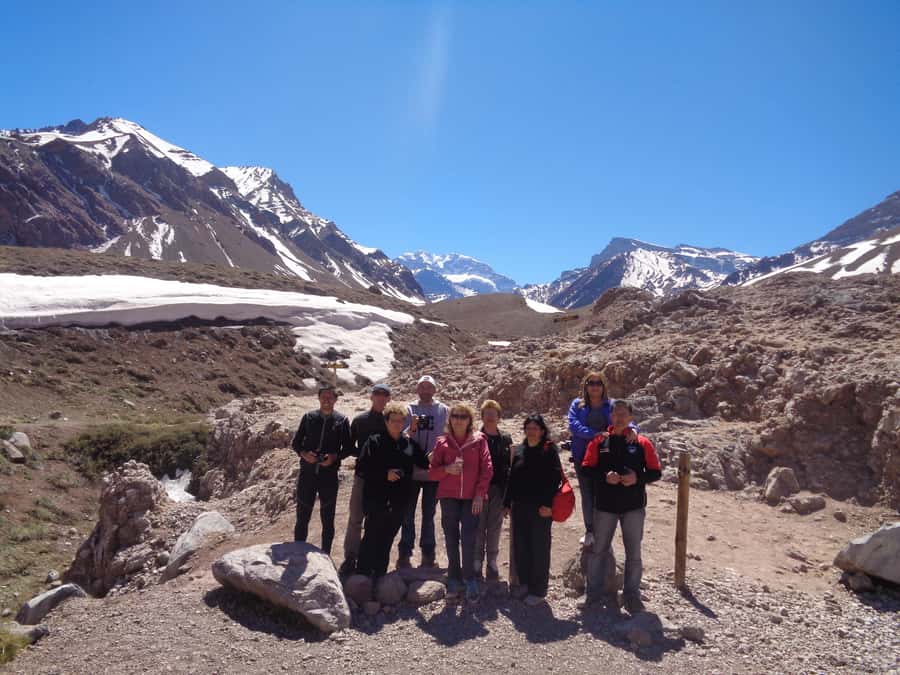
A short drive brings you to the viewpoint for Aconcagua. The mountain is the highest peak in both the Western and Southern Hemispheres, which gives this stop real geographic importance as well as dramatic scenery.
The scheduled guided visit lasts about 15 minutes. That may sound brief, but it is enough for a short walk and photographs when conditions are good. Several accounts describe the approach as easy, including for an older visitor, while others noted that the altitude above 3,000 meters can affect your fitness.
From November through April, it may be possible to enter Aconcagua Provincial Park and walk to Horcones Lagoon. Entrance is not included, and access depends on the rules and conditions in effect that day. You should not assume the lagoon walk is guaranteed.
This is the point where weather matters most. One outing could not reach Aconcagua because of conditions, and another did not make it to Las Cuevas. The operator states that road blocks may lead to a different tour date. That flexibility is useful, but it also means the advertised route is subject to real mountain conditions.
Bring a jacket even in warm weather. The temperature can change sharply as you climb, and several people specifically advised carrying one. Sunscreen is also important at altitude. One detailed account recommended applying plenty before the day begins and again at lunch.
Las Cuevas and the Chilean border corridor
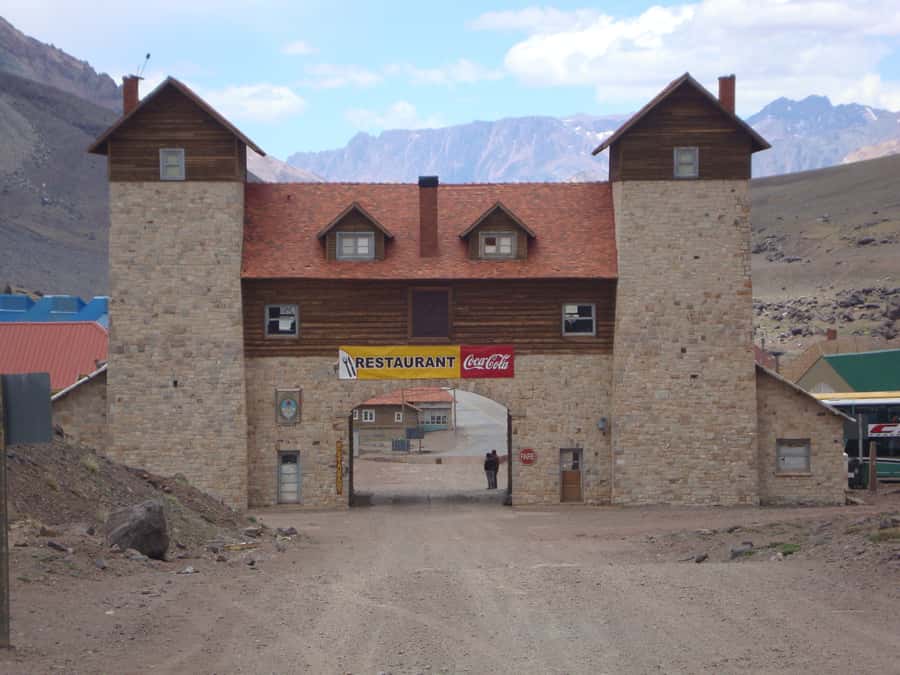
The bus then continues toward Las Cuevas, the last village before the Chilean border area. You get about 75 minutes of free time, making this the longest stop of the day.
This is your best chance for lunch, but do not count on a wide choice. One person strongly recommended packing lunch because the food options were limited. Food and drinks are not included, and cash is listed among the things to bring.
Las Cuevas gives you time to stretch your legs and take in the high mountain setting without a lecture or fixed group walk. You can eat, take photographs, and enjoy the rare pause in the bus schedule. Since the road and weather may affect timing, the full 75 minutes is not guaranteed on every departure.
The road near the upper section is not for people who dislike heights or tight mountain turns. Still, several accounts praised the drivers for careful, safe handling. You should listen to the guide and driver if conditions require a change in the route.
The long return through the Andes
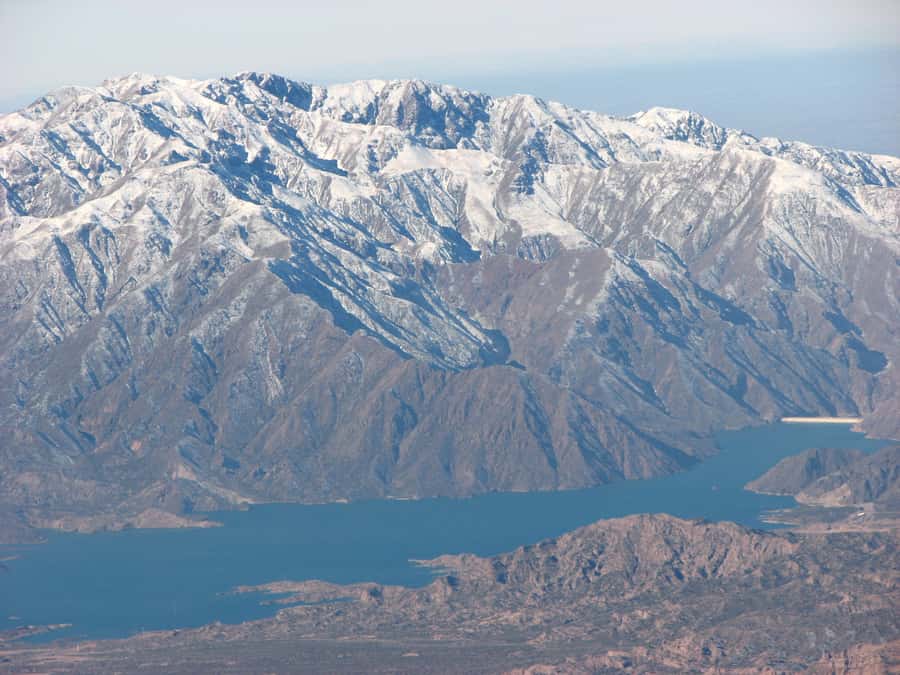
The return journey begins after Las Cuevas and includes a short break in Uspallata. The published schedule allows about 90 minutes for the first drive, a 15-minute stop, and then roughly two more hours back toward Mendoza.
This is when the tour feels most like a true full-day outing. The morning excitement has worn off, and you still have a substantial ride ahead. On the other hand, the changing light can give familiar valleys a different look, and the return route on Route 7 completes the story of the international mountain crossing.
The driver matters here. You spend many hours on the road, and positive comments repeatedly singled out drivers such as Juan, Xavier, Javier, and Andres for safe and helpful service. That is not a minor detail on a trip involving high passes and winding roads.
Hotel drop-off is included in the downtown Mendoza and Luján de Cuyo areas. If you are staying outside those zones, contact the operator before booking to confirm the meeting point.
What to pack for this high-altitude day
Keep your luggage small. Large bags are not allowed, so use a compact daypack or small personal bag.
Bring:
- Passport or national ID, including identification for children
- A jacket and comfortable clothing
- Comfortable shoes
- Cash for food and drinks
- Water
- Sunscreen
- Packed lunch or extra snacks
- Motion-sickness medicine if winding roads bother you
The passport requirement is worth taking seriously because you are traveling along the international route toward Chile. You are not crossing the border on this excursion, but identification is still listed as essential.
Do not rely on buying water at every stop. One person specifically suggested that water should be included in the packing advice. A reusable bottle is practical, though the information provided does not confirm refill points.
Guides, languages, and the group experience
The tour is offered in Spanish, English, and Portuguese. A live guide accompanies the trip, and the quality of the explanation can shape your day as much as the scenery.
Mica received especially warm praise for clear communication, organization, and personal attention. Marta was described as helpful and strong in both English and regional detail. Julie, Pablo, Alex, Francisco, and Andres were also singled out for friendly service or strong explanations.
Group size can vary. One person found a relatively small group good value, while another described a full bus with tight seating. I would not book this expecting a private tour unless that option is clearly stated at the time of purchase.
Bilingual tours naturally take longer at each explanation. If Spanish is the main language in your group, English or Portuguese commentary may be shorter. That does not make the tour unsuitable, but it is worth asking the guide where to stand or sit so you can hear clearly.
Who should book it?
I recommend this tour for you if you want a broad introduction to the Andes from Mendoza, prefer organized transport, and are happy with short walks rather than a serious hike. It is also a good choice for couples, families with older children, and anyone who wants Aconcagua views without arranging park transport independently.
You should think twice if you dislike long bus rides, need a slow pace, or want guaranteed time at Horcones Lagoon. The trip covers a lot of ground, and the schedule can feel rushed at Aconcagua and Puente del Inca.
At $63, the value is strong for a full day of transport, guiding, hotel service in the central pickup area, Potrerillos Dam, Uspallata, Puente del Inca, Aconcagua, and Las Cuevas. The best way to improve the experience is simple: bring lunch, water, sunscreen, warm clothing, and patience.
Should you book the High Andes Aconcagua tour?
Yes, if you want the biggest Andean sights in one manageable day and understand that this is a road trip with brief stops. The mountain views, Puente del Inca, and the Route 7 journey give you a lot for the price.
Book it with realistic expectations. Weather can remove a stop, lunch is not included, altitude may slow you down, and the return ride is long. If those conditions suit you, this is one of the most useful and affordable ways to see the high Andes from Mendoza.
FAQ
How long does the High Andes Aconcagua tour last?
The tour lasts 12 hours, including transportation from Mendoza, sightseeing stops, breaks, and the return journey.
Is hotel pickup included?
Yes. Pickup and drop-off are included for hotels and apartments in downtown Mendoza and Luján de Cuyo. Contact the operator if your address is outside those areas.
Which languages are available?
The live tour guide is available in Spanish, English, or Portuguese.
Is food included in the tour price?
No. Food and drinks are not included. Las Cuevas has free time for a meal, but food choices may be limited, so bringing lunch is sensible.
Can I enter Aconcagua Provincial Park?
From November through April, it may be possible to enter the park and walk to Horcones Lagoon. The entrance fee is not included, and access depends on conditions and park arrangements.
Is the walk to Aconcagua difficult?
The supplied information describes the viewpoint walk as easy for some people, including a senior participant. However, altitude above 3,000 meters can affect your fitness, so take it slowly.
What should I bring?
Bring your passport or ID, comfortable shoes, a jacket, comfortable clothing, cash, water, sunscreen, and food or snacks. Large bags and luggage are not allowed.
What happens if weather or road conditions block the route?
The tour is subject to weather and road conditions. If a road blockade prevents the trip, you may be invited to take it on the following day. Individual stops can also change or be missed.
How early should I be ready for pickup?
Be at the meeting point 15 minutes before departure. If the operator cannot reach you the day before, go to the office at Peatonal Sarmiento 129, Mendoza, 30 minutes before the tour begins.
Latest additions in Mendoza
- From Mendoza: Atuel Canyon Day Trip★ 4.4 · 3 reviews
- Mendoza: Tango Show with Dinner at Hualta Winery Hotel★ 4.6 · 3 reviews
- Mendoza: Tour with tasting and lunch High Altitude Wineries★ 4.7 · 3 reviews
- Mendoza: Hiking, Meditation & Yoga in the Andes with Lunch★ 5.0 · 3 reviews
- Wine Icons: Meet the sparkling world of Chandon★ 5.0 · 3 reviews
- Uco Valley, Mendoza: One-Day Private Wine Tour Experience★ 5.0 · 4 reviews
- Mendoza’s top wineries ! All Inclusive Private Tours!★ 5.0 · 4 reviews
- Mendoza: half day in the Andean foothills★ 4.0 · 4 reviews
Aconcagua & High Andes Tours, compared.
Andes Day Trip from Mendoza Including Aconcagua, Uspallata and Puente del Inca
Read our review →
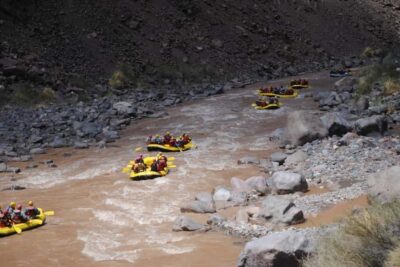
River Rafting & Canopy in the Andes Mountain Range
Read our review →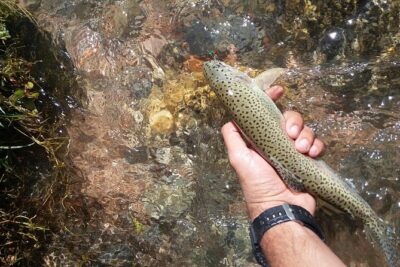
Fly Fishing on Private Andean River Including Barbecue Lunch
Read our review →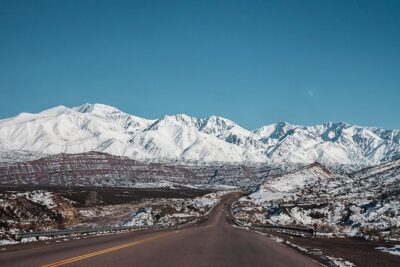
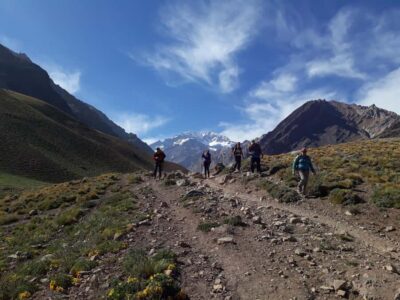
Santiago: Portillo, Inca Lagoon with Optional Aconcagua Park
Read our review →Browse the lists this tour appears in