
Reviewed · WORKSHOPS
City of Salta: Alpaca and leather handicraft workshop in the open air!
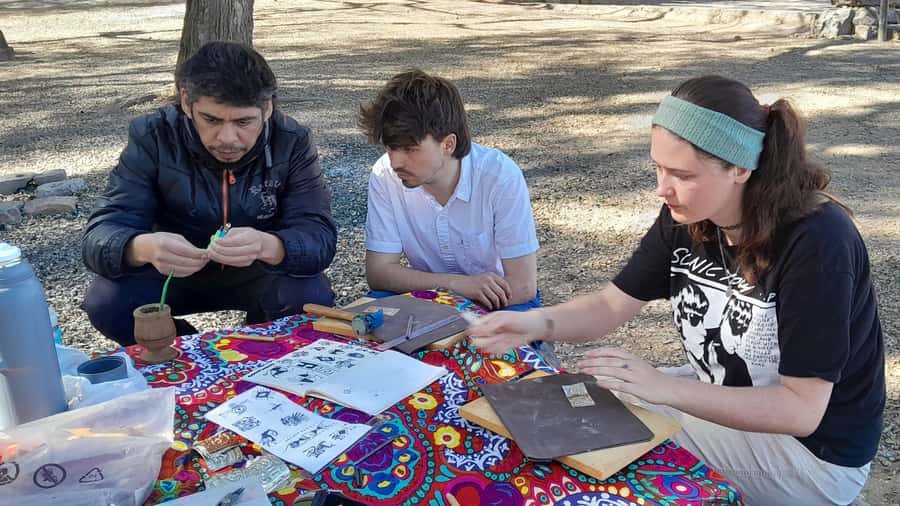
Make something you can actually use. This small outdoor workshop in Salta pairs alpaca embossing with Argentine leather, so you leave with a wallet, card holder, or bracelet shaped by your own hands. I like the four-person limit and the chance to learn mate preparation from Carlos, the friendly instructor praised for his patient guidance. The main drawback is that everything takes place outside, so insects, sun, and weather are part of the deal.
I also like the price: $22 includes the leather, alpaca, tools, and mate. That is a fair amount for a two-hour cultural activity, especially if you prefer making a souvenir instead of buying another mass-produced trinket. Still, the activity is not suitable for children under 10, people with mobility or visual impairments, or anyone with insect allergies.
In This Review
- Key points to know before you book
- Meeting the craft at San Bernardo Hill
- Learning alpaca embossing on Argentine leather
- Choosing between a wallet, card holder, and bracelet
- Mate turns the workshop into a cultural exchange
- Why the four-person group matters
- Outdoor comfort at the foot of the hill
- What the $22 price really includes
- Who will enjoy this Salta activity most
- What makes the souvenir worth keeping
- Should you book the alpaca and leather workshop?
- FAQ
- How long does the workshop last?
- Where does the activity begin?
- Where does the activity end?
- What can I make during the workshop?
- Are materials and tools included?
- Is mate included?
- What languages are available?
- Is the workshop suitable for children?
- What should I bring?
- Is the workshop indoors?
- Can I cancel the booking?
Key points to know before you book
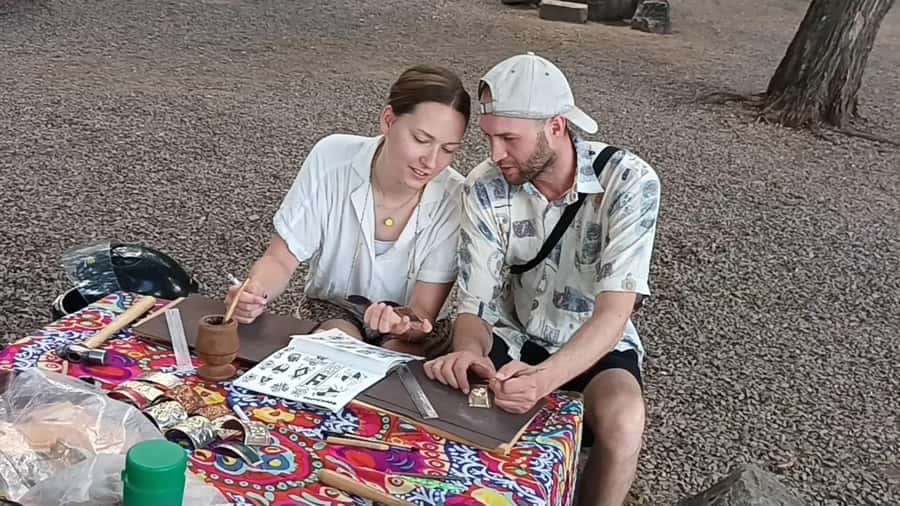
- You create one personalized item: Choose a wallet, card holder, or bracelet, then add your own embossed alpaca design.
- The workshop meets outdoors: Find the instructor on the steps at the foot of the Martín Miguel de Güemes monument, near San Bernardo Hill.
- Carlos teaches more than metalwork: He also explains how to prepare and drink mate, Argentina’s traditional herbal infusion.
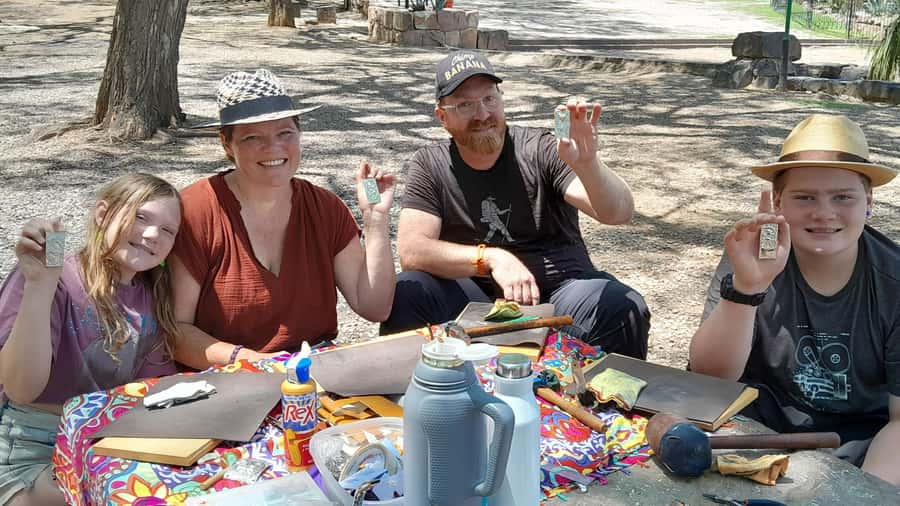
- The group is very small: With a maximum of four participants, you get room to work and direct help when needed.
- The materials are included: Your $22 covers Argentine leather, alpaca metal, tools, and mate.
- Plan for sun and insects: Bring a hat, biodegradable sunscreen, comfortable clothes, and biodegradable insect repellent.
Meeting the craft at San Bernardo Hill
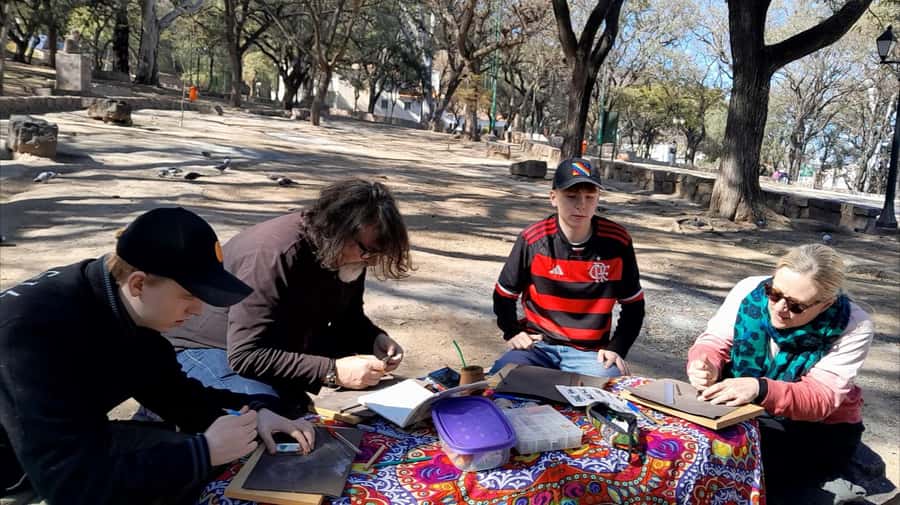
Your activity begins at the steps below the Martín Miguel de Güemes monument in Salta. The setting is open air, at the foot of San Bernardo Hill, with nature around you rather than four walls and a standard classroom setup.
That location gives the experience a local feel from the start. You are not simply entering a shop, watching a demonstration, and walking out with something already made. You meet the artisan in a public outdoor setting and work directly with materials connected to Argentine craft traditions.
The meeting point is also the end point. That keeps the arrangement simple. You do not need to arrange a second pickup or find your way to a different neighborhood after the workshop. Still, check your starting time carefully, since the activity runs at scheduled times based on availability.
Allow about two hours for the full experience. The hands-on workshop itself is described as lasting about one hour and 30 minutes, while the total activity duration is listed as two hours. That extra time may cover getting settled, conversation, mate, and finishing your piece.
More City Tours in Salta:
- From Salta: City Tour of the city on a half-day ride
★ 4.0 · 59 reviews - Discover Salta and enjoy the city with a photojournalist
★ 4.8 · 35 reviews - Salta: 4-Hour Guided Highlights City Tour
★ 3.8 · 26 reviews
Learning alpaca embossing on Argentine leather
The central skill is alpaca embossing. In Argentina and neighboring countries, alpaca is a pale metal with a color and shine similar to silver. It is malleable, which makes it suitable for pressing or shaping patterns into a finished object.
Here, the alpaca design is applied to high-quality Argentine leather. The combination gives you two textures to work with: the soft but durable surface of leather and the cool metallic finish of alpaca. You are not making a fragile art object that must stay on a shelf. Your chosen item is meant to be carried or worn.
Carlos guides you through the process from beginning to end. This matters if you have never handled embossing tools before. The work calls for care and patience, and the small group means you can ask for help without waiting behind a large crowd.
The instruction style seems to strike a useful balance. Carlos is described as detailed and talented, but he also lets you make the creative decisions. That is important. A craft session can lose its charm if the instructor takes over and simply produces the item for you.
Expect to receive help with the technique, not a finished product handed over at the end. You get the satisfaction, and perhaps a few imperfect marks, that come with creating something yourself. Those small irregularities are part of the value.
Choosing between a wallet, card holder, and bracelet
You choose the item you want to make. Each option suits a different kind of souvenir buyer.
The wallet is the most practical choice. It gives you room to carry cards and cash, and its everyday use can keep the memory of Salta in your routine long after your trip. It is also the larger project of the three, so you may prefer it if you want the finished object to have a clear practical purpose.
The card holder is smaller and more restrained. Choose it if you carry fewer cards or prefer a compact accessory. It may also be the right choice if you want the workshop to focus more on decoration than on making a larger piece.
The bracelet is the most personal option. You wear it rather than store it, and the result can feel more like a piece of jewelry than a travel souvenir. It is a good fit if you want something visible and meaningful, but less useful for carrying money or cards.
The word personalized matters here. You are not choosing from a rack of identical designs. Your style and creative choices affect the finished accessory. Ask yourself before you arrive if you want usefulness, compactness, or something to wear. That simple decision can save time once the tools are on the table.
Mate turns the workshop into a cultural exchange
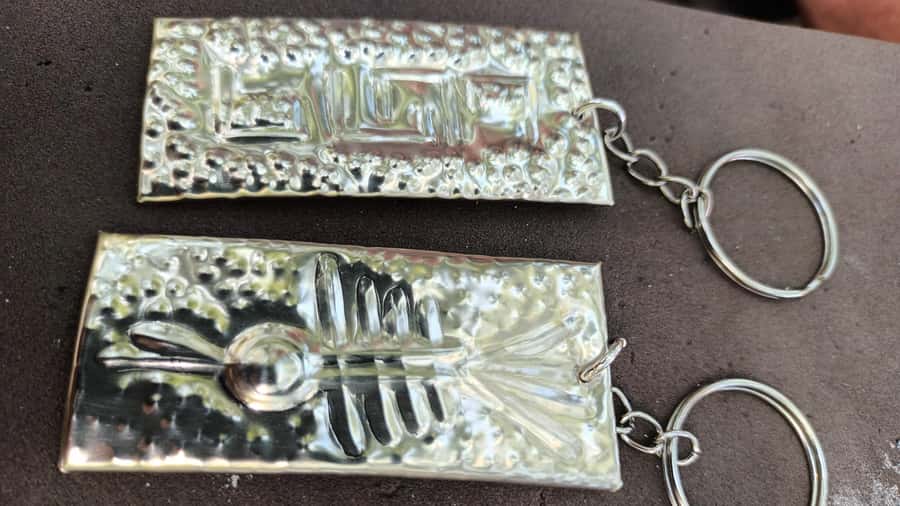
Mate is included, and it is more than a drink served on the side. The instructor explains the proper way to prepare and drink it, giving you a small lesson in an everyday Argentine custom.
The activity uses the mate break to keep the mood social. You can work, chat, and learn about the tradition while the craft takes shape. That relaxed conversation is one reason the small group works well. Four people can share the moment without the session feeling like a formal class.
If you have never had mate, expect a strong herbal infusion served from a traditional gourd and sipped through a metal straw. The preparation and serving customs matter, so having Carlos explain them is more useful than simply being offered a cup without context.
The mate portion also makes this experience different from a basic handicraft class. You get a taste of local daily culture alongside the technical lesson. It is a modest detail, but it helps connect the object you make with the place where you make it.
A completely different sort of day in Salta:
- From Salta: Full-Day Trip to Salinas Grandes and Purmamarca
★ 4.6 · 914 reviews - From Salta: Full-Day Tour to Cafayate with Wine Tasting
★ 4.5 · 478 reviews - From Salta: Salinas Grandes, Purmamarca & Los Colorados Hike
★ 4.3 · 356 reviews - Full-Day Tour Cafayate Calchaqui Valleys with Wine
★ 4.5 · 347 reviews
Why the four-person group matters
The maximum group size is four participants. That is one of the strongest practical features of the activity.
Embossing requires close attention. You need to see how the tools are used, understand how much pressure to apply, and receive corrections before a small mistake becomes part of the design. In a large class, you might spend too much time waiting for assistance. Here, direct contact with the instructor is built into the format.
A small group also makes the mate conversation easier. You can ask questions in English or Spanish, and the instructor can adapt his explanations to the people at the table. English and Spanish are both available.
The limitation is that places are naturally restricted. If you are traveling with a larger party, not everyone may fit into one session. The activity is best for solo visitors, couples, or a small family group with older children who meet the age requirement.
Outdoor comfort at the foot of the hill
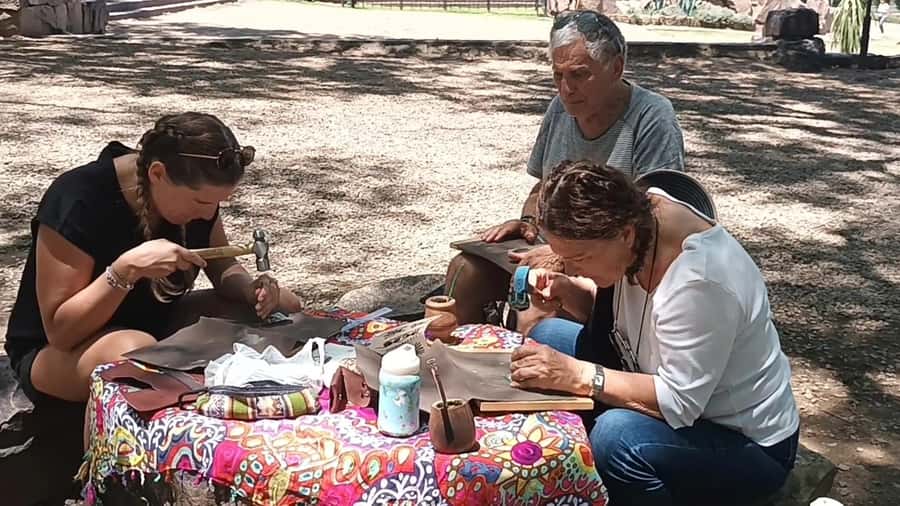
This is an outdoor activity from beginning to end. That setting adds atmosphere, but it also creates practical concerns.
Bring a hat and biodegradable sunscreen. Comfortable clothes are important because you will be working with tools and materials for a sustained period. Biodegradable insect repellent is also recommended, and it is especially important if insects bother you.
The activity is not suitable for people with insect allergies. That is a firm consideration, not a minor warning. Outdoor conditions can change, and there may be no way to remove yourself from insects while continuing the workshop.
Weather is another point to consider. The supplied details do not describe an indoor backup, and the workshop is designed to be enjoyed 100 percent outdoors. Check the conditions before you set out and dress for the forecast.
The meeting point is at the monument steps, so the activity is not suitable for people with mobility impairments. It is also not suitable for people with visual impairments, since the craft depends on handling materials and tools while following visual guidance.
Alcohol and drugs are not allowed. That is sensible for any activity involving tools, and it helps keep the workshop safe for everyone.
What the $22 price really includes
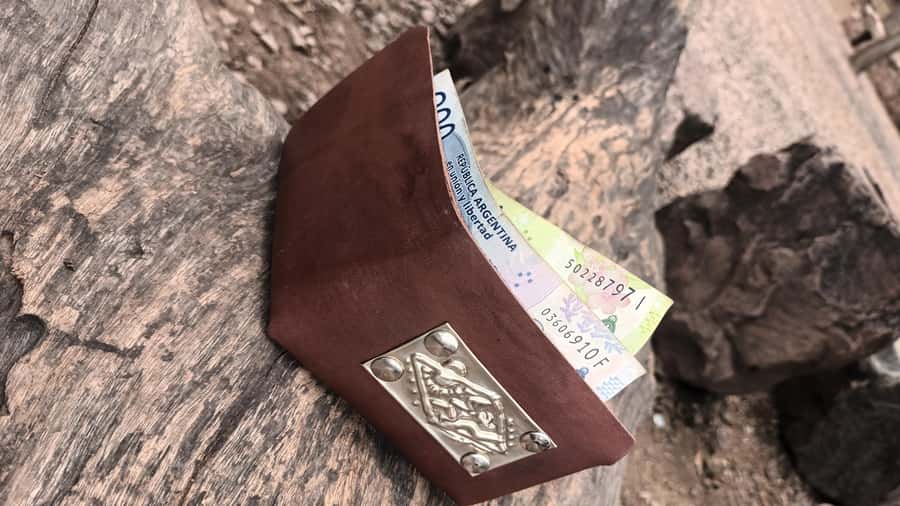
At $22 per person, this is a low-cost activity with several tangible inclusions. You receive the leather, alpaca metal, necessary tools, mate, and instruction. Most important, you take home the item you create.
The value is strongest if you enjoy hands-on activities. You are paying for materials and a guided cultural experience, not simply for admission to a place. The finished wallet, card holder, or bracelet gives the price a practical return.
It is also a good option if your schedule is tight. The session takes about two hours, so it can fit around sightseeing in central Salta. You do not need to commit to a full-day excursion or arrange transportation between several stops.
The value is less clear if you dislike making things or want a polished, professionally finished accessory. The point is participation. Your piece may show the human marks of the process, and that is part of what makes it personal.
Free cancellation up to 24 hours before the activity and the option to reserve now and pay later make planning easier. Those terms are useful if your Salta schedule is still shifting, but you should still confirm the available starting time before booking.
Who will enjoy this Salta activity most
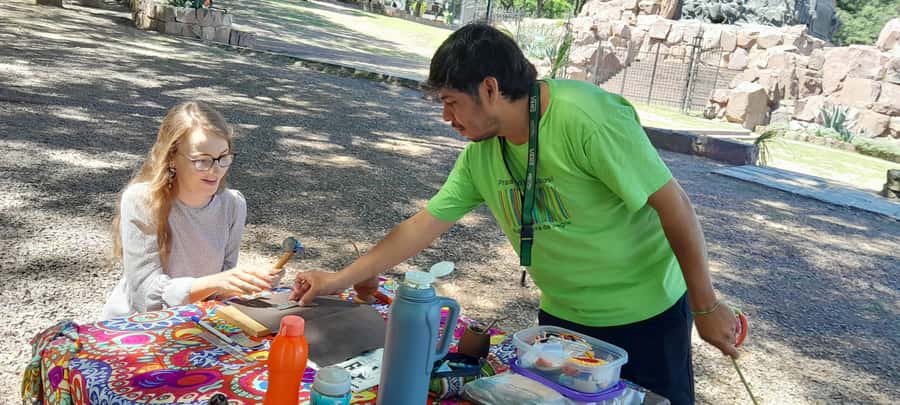
I would recommend it first to adults and older children who like local crafts, practical souvenirs, and informal cultural exchanges. It works particularly well for people who would rather spend an afternoon making something than shopping for a gift.
It also suits creative travelers who do not consider themselves artists. Carlos provides guidance through the full process, and the comments about his patience and clear instruction suggest you do not need previous experience.
Couples can make matching or complementary pieces. Friends can choose different objects and compare the results. Solo visitors may appreciate the small setting, since the activity offers a natural way to talk with an instructor and a few other participants.
You should think twice if you have limited mobility, poor vision, an insect allergy, or a strong dislike of outdoor heat and insects. Children under 10 cannot join. The activity also may not suit someone who wants a quick demonstration with no active work.
What makes the souvenir worth keeping
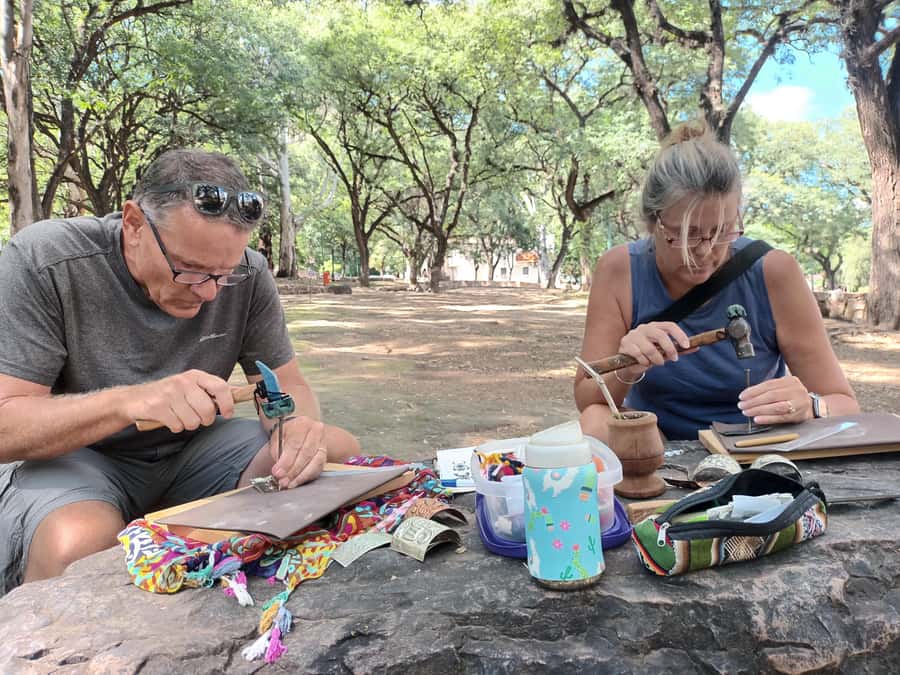
A souvenir becomes more meaningful when you remember making it. The wallet, card holder, or bracelet is linked to a specific place, a particular afternoon, and the process of learning a traditional technique.
The alpaca detail gives the item a distinctly South American look without the cost or care demands of solid silver. The leather adds strength and a useful everyday function. You get a piece that can travel home easily and continue serving a purpose.
The creative element matters as much as the material. You choose the type of accessory and help shape its design. That means the finished object can reflect your taste rather than the preferences of a shop owner or factory designer.
Do not expect a museum-quality artifact made by a master while you watch. Expect a personal object made with expert help. The difference is important, and it is exactly why this activity has appeal.
Should you book the alpaca and leather workshop?
Book it if you want an affordable, small-group activity with a real creative payoff. The combination of Argentine leather, alpaca embossing, mate instruction, and an outdoor setting gives you more than a simple craft lesson.
I especially like it for a short stay in Salta. The two-hour format is manageable, the meeting point is straightforward, and the $22 price includes all the materials. Carlos also receives strong praise for being friendly, detailed, and helpful without taking control of the work.
Skip it if you need an indoor activity, have an insect allergy, cannot manage the monument steps, or prefer buying a finished souvenir. For everyone else, this is a warm and personal way to connect with Argentine craft traditions while making something you can use.
FAQ
How long does the workshop last?
The full activity lasts about two hours. The hands-on workshop portion is listed as approximately one hour and 30 minutes.
Where does the activity begin?
The meeting point is on the steps at the foot of the Martín Miguel de Güemes monument, near San Bernardo Hill in Salta Province.
Where does the activity end?
The activity ends back at the same meeting point.
What can I make during the workshop?
You can choose to make a wallet, card holder, or bracelet.
Are materials and tools included?
Yes. The activity includes alpaca metal, 100 percent Argentine leather, and the necessary tools.
Is mate included?
Yes. Traditional Argentine mate is included, and the instructor teaches you the proper way to prepare and drink it.
What languages are available?
The instructor offers the activity in English and Spanish.
Is the workshop suitable for children?
No. The activity is not suitable for children under 10.
What should I bring?
Bring a hat, biodegradable sunscreen, comfortable clothes, and biodegradable insect repellent.
Is the workshop indoors?
No. The workshop is designed to take place entirely outdoors.
Can I cancel the booking?
You can cancel up to 24 hours in advance for a full refund. Reserve now and pay later is also available.
Latest additions in Salta
- From Salta: Cafayate,Humahuaca and Salinas Grandes in 3 days★ 3.6 · 3 reviews
- From Salta: Cachi and Salinas Grandes 2-Day Guided Trip★ 4.1 · 3 reviews
- From Salta: Cafayate, Cachi, & Hornocal 3-Day Tour★ 4.0 · 3 reviews
- From Salta: 3-Day Cafayate, Cachi, and Humahuaca Guided Trip★ 4.7 · 3 reviews
- Salta en un Bocado – Cultural Tour & Empanada Tasting★ 5.0 · 3 reviews
- From Salta: Cafayate, Salinas Grandes, & Hornocal Tour★ 4.7 · 3 reviews
- From Jujuy: Yala and Termas de Reyes Half-Day Tour★ 3.8 · 3 reviews
- Salta: Tour to the Salinas Grandes and Purmamarca★ 3.7 · 3 reviews
Workshops, compared.

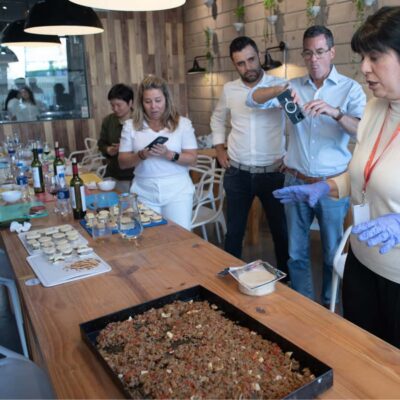

3h Cooking Class in Mendoza with 7 Recipes & Bottomless Drinks
Read our review →
Tango Porteño Show with Optional Dinner and Tango Lesson
Read our review →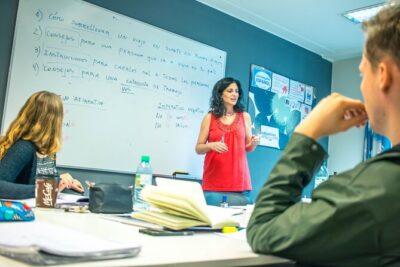
Spanish Group Course in Buenos Aires, Argentina: 20 Lessons
Read our review →
Browse the lists this tour appears in