
Reviewed · NATIONAL PARKS
From Salta: Cachi and Los Cardones National Park Tour
High mountains and giant cacti await. This 12-hour trip from Salta trades the fertile Lerma Valley for the steep Pre-Cordillera, cloud-covered passes, Los Cardones National Park, and the colonial town of Cachi. I especially like the dramatic change in scenery and the two free hours in Cachi, which give you time to eat, browse, and walk without being herded from one photo stop to the next. The main drawback is the long ride, with roughly seven hours spent on the road and some routes affected by rockslides or bad weather.
I also like the value: at $30 per person, transportation, hotel pickup, and a bilingual guide cover a huge amount of ground for very little money. Guides such as Fernando, Ximena, Carolina, Cesar, and Soledad have earned praise for their explanations and care, but the experience can depend on the individual guide, vehicle condition, and your luck with clouds at Cuesta del Obispo.
In This Review
- Quick reasons to consider this day trip
- Leaving Salta and entering the Lerma Valley
- Escoipe Gorge and the Cuesta del Obispo
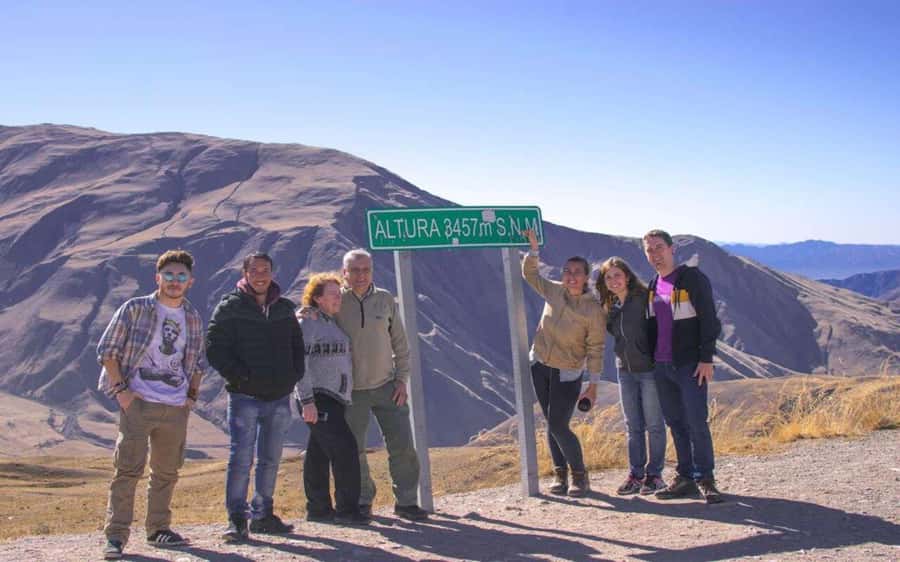
- The Windmill Stone at 3,348 meters
- Los Cardones National Park and its giant cacti
- Recta del Tin Tin, an Inca road across the high plain
- Payogasta and the road toward Cachi
- Two hours in colonial Cachi
- The return ride and the real cost of the day
- Guides, language, and day-to-day organization
- What to pack for the mountain road
- Who should book the Cachi tour?
- FAQ
- How long is the Cachi and Los Cardones tour?
- What is included in the price?
- Is food included?
- How much free time do I get in Cachi?
- Is the tour available in English?
- What should I bring?
- Can I cancel the tour?
Quick reasons to consider this day trip
- A dramatic climb from farmland to high desert: You move from the green Lerma Valley through vineyards, dairy farms, jungle-like sections, mountain gorges, and high-altitude cactus country.
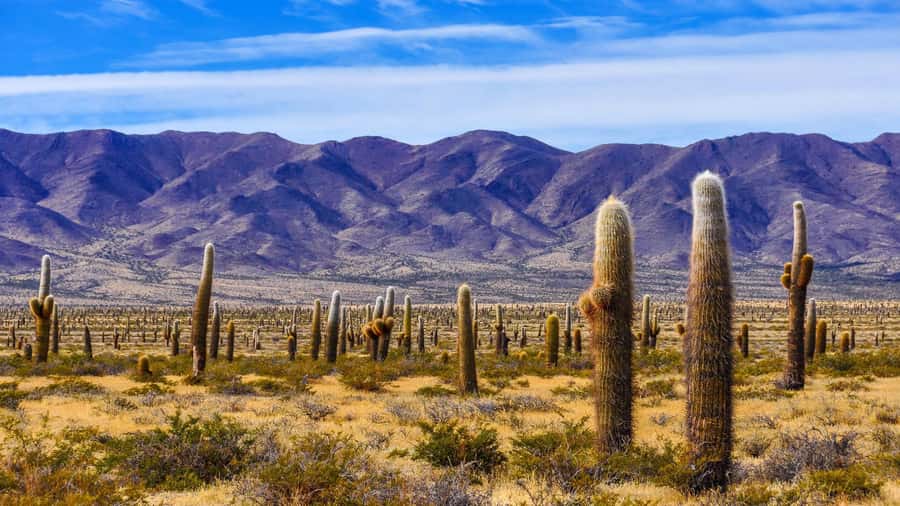
- Los Cardones National Park is the star: Thousands of tall cardón cacti cover the high plains, with guanacos and, at times, condors adding life to the stark scenery.
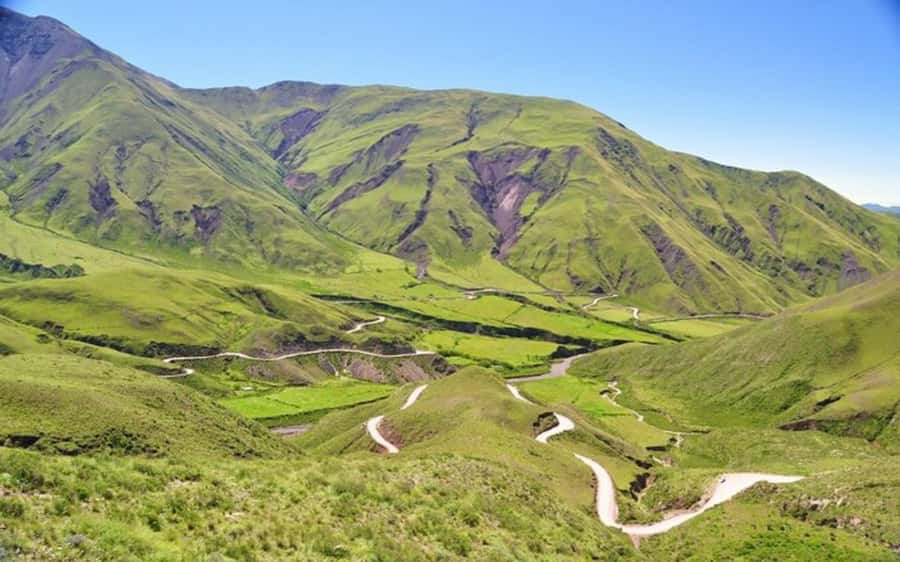
- The Cuesta del Obispo is a real mountain road: Clouds, switchbacks, steep slopes, and changing views make the ascent exciting, although visibility is never guaranteed.
- Cachi gives you two useful hours: Its cobbled streets, colonial facades, restaurants, and shops make this more than a quick roadside stop.
- The Inca-built Recta del Tin Tin adds history: This remarkably straight 11-kilometer road crosses the park and shows how old routes still shape the region.
- The price is unusually low for a full-day outing: At $30, it is a strong deal if you are comfortable with a long minibus ride.
Leaving Salta and entering the Lerma Valley
The day begins with pickup in Salta, generally from hotels or central addresses within about 15 blocks of the main square. You are asked to wait in the hotel lobby 10 minutes before the scheduled time. The driver carries a sign with your surname and will not wait more than five minutes after pickup time, so this is one morning when being early matters.
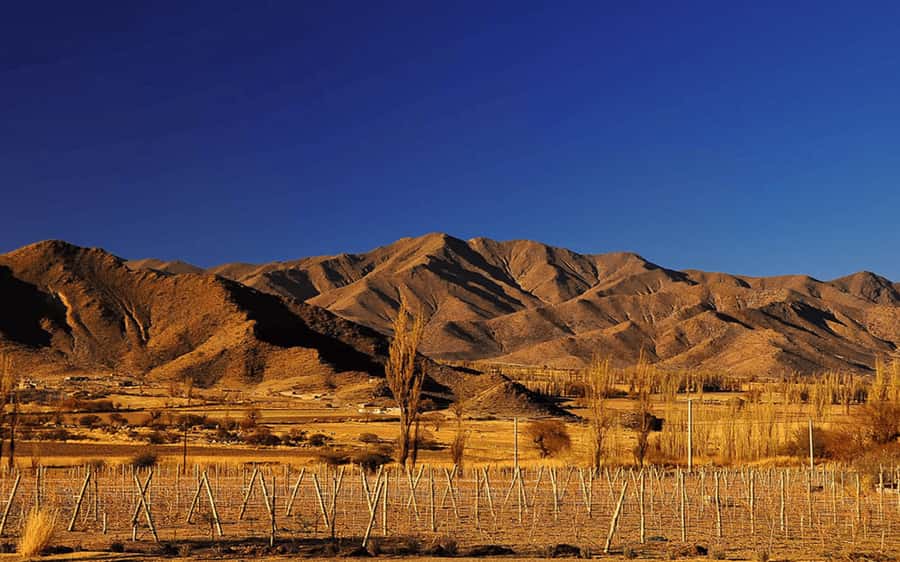
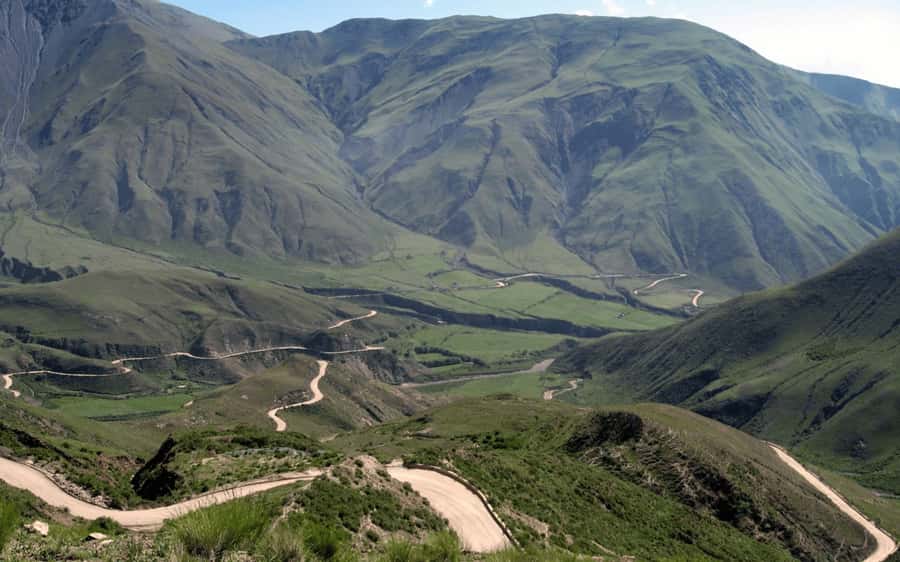
The first part of the ride crosses the fertile Lerma Valley. This is a useful visual introduction to northern Argentina because the trip begins among farmland, vineyards, and dairy country before the road turns toward harsher mountain terrain. You can watch the vegetation thin and the slopes rise as Salta’s green surroundings give way to dry high-altitude country.
The transport may be a transit van, Sprinter, or minibus. That makes the group more manageable than a large coach, but comfort depends on the vehicle assigned that day. One person reported an unpleasant smell and poorly working seatbelts, while others found the bus comfortable and praised careful drivers. I would treat the vehicle as practical rather than luxurious.
There is a short café break of about 10 minutes. Since food and drinks are not included, I recommend carrying water and snacks from Salta. The day is too long to rely on a brief stop for all your refreshments.
More National Park Tours in Salta:
- Full-day Cachi and Los Cardones National Park from Salta
★ 4.5 · 125 reviews - Ushuaia: National Park & Train of the End of the World Tour
★ 4.5 · 811 reviews - National Park and Train Trip End of the World Guided Tour
★ 4.0 · 414 reviews
Escoipe Gorge and the Cuesta del Obispo
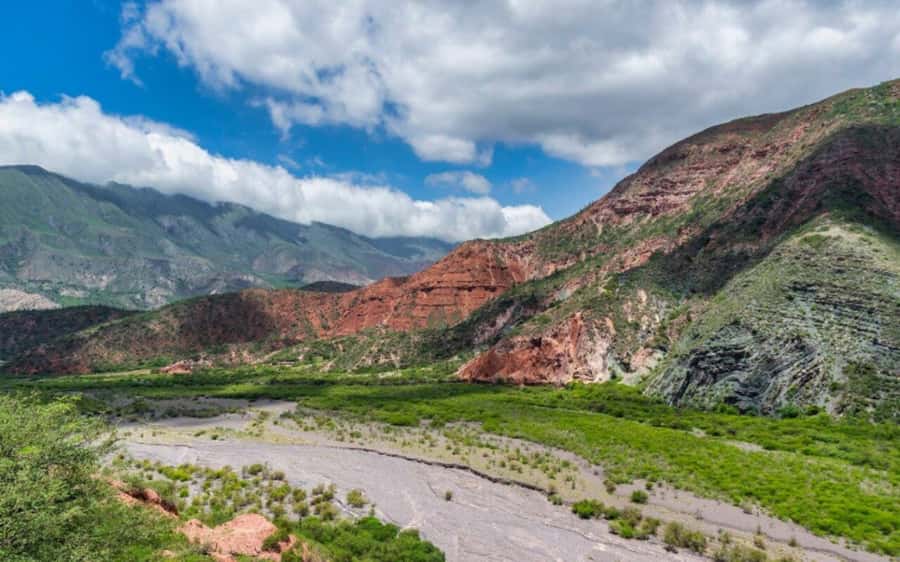
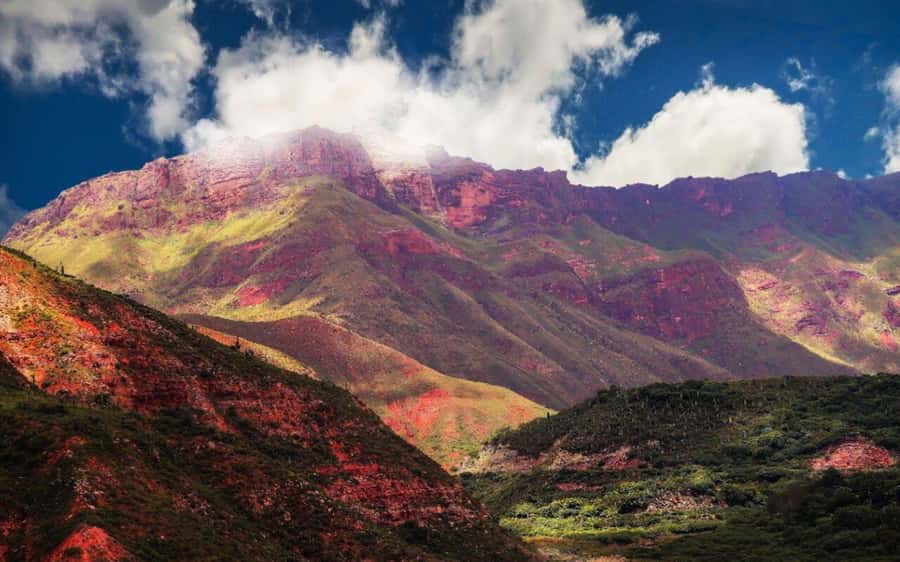
The road then enters Escoipe Gorge, where the route tightens between mountain walls. This is where the outing starts to feel less like a standard sightseeing bus ride and more like a journey through changing geological zones. The gorge leads toward the Cuesta del Obispo, one of the day’s most memorable sections.
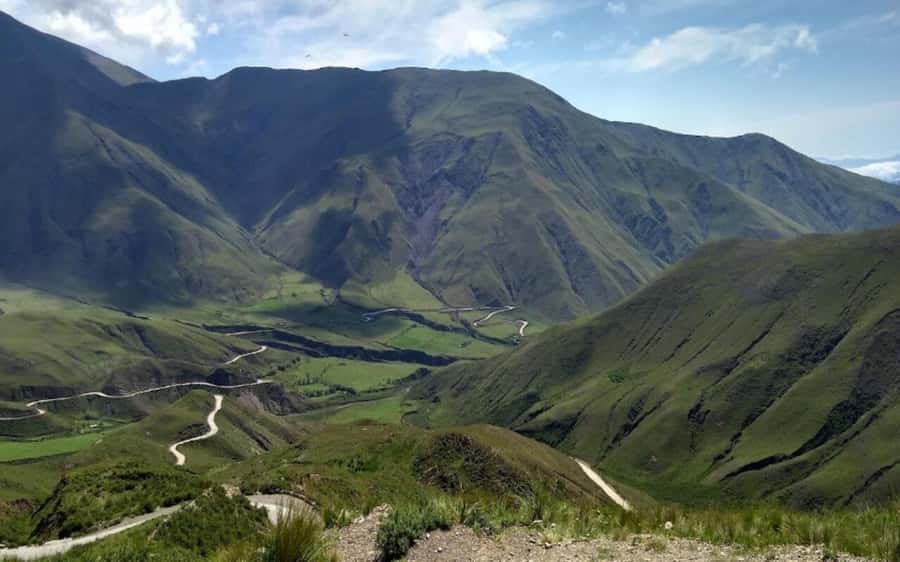
The Cuesta del Obispo is a steep mountain route with sharp bends and broad views when the weather cooperates. The stop is listed at around 15 minutes, with time for photographs, a short walk, and commentary from the guide. You may also pass through the Enchanted Valley, a name that fits the folds, mist, and unusual rock forms along this part of the road.
Clouds are part of the experience here, not just an inconvenience. One departure encountered dense cloud on the slope and missed the grand views, while another reached the top above the clouds. You need to accept that this stop can be spectacular or muted depending on the day. The excursion continues in rain or poor weather, so there is no promise of clear mountain scenery.
Drivers deserve some credit on this road. Several guides and drivers have been praised for handling the serpentine route carefully, including during dense cloud. If winding roads make you uneasy, sit near the front if possible and keep your expectations realistic. This is a full mountain crossing, not a quick viewpoint visit.
The Windmill Stone at 3,348 meters
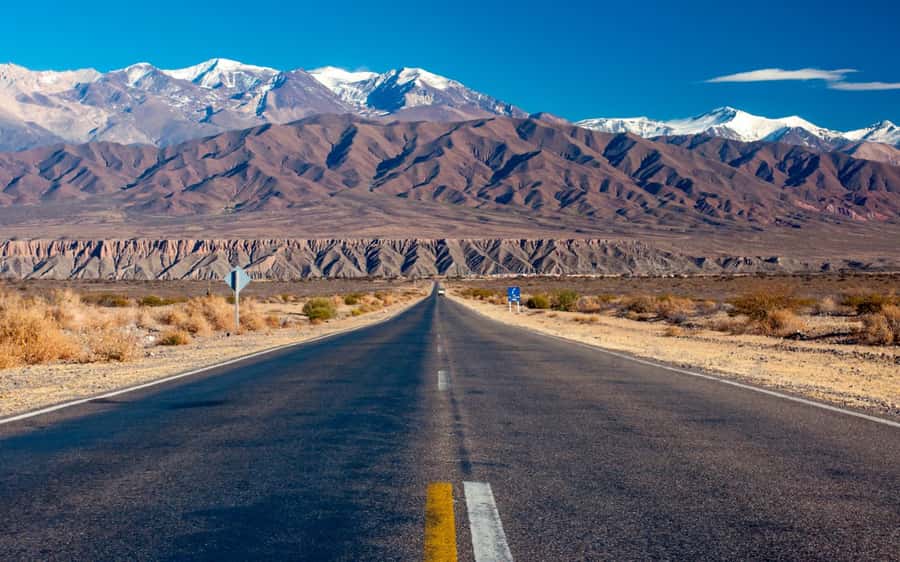
After the climb, the tour reaches the Windmill Stone, listed at 3,348 meters above sea level. The name refers to a large roadside formation, and the stop gives you a chance to pause at serious altitude before continuing across the high plain.
At this height, cold, sun, wind, and thin air can all arrive together. A July visit may feel very different from a summer stop, but the altitude matters in every season. One guide offered coca leaves and local herbs to help people deal with the sensation of altitude. That is a cultural touch, not a guarantee against altitude sickness, so take it slowly and tell the guide if you feel unwell.
Bring comfortable shoes or sports shoes. The stops are short, but you will want to get out, walk around, and take photographs without relying on slippery city footwear. I would also pack a light extra layer, sun protection, water, and a hat, since conditions can change quickly as the road rises.
Los Cardones National Park and its giant cacti
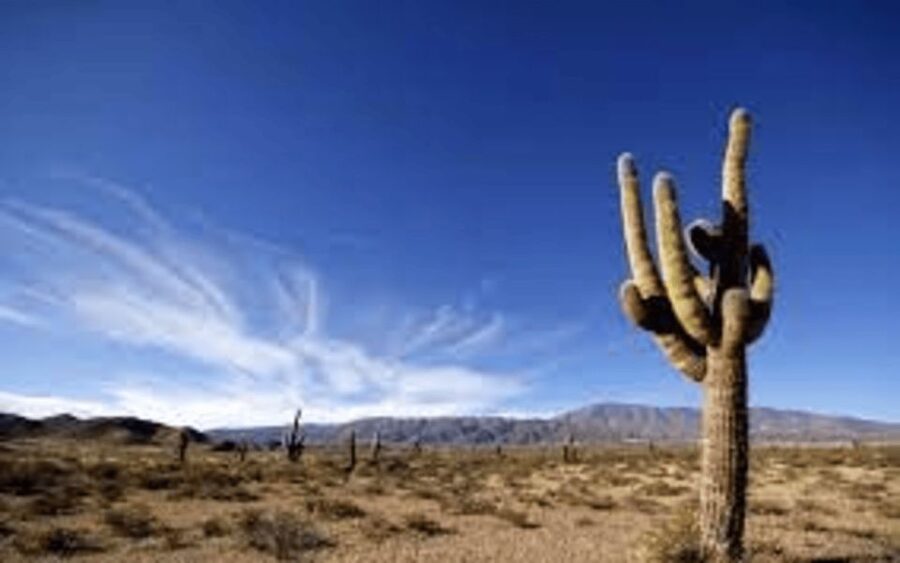
Los Cardones National Park is the visual payoff of the route. It is described as Argentina’s only high-altitude national park, and its defining feature is the enormous number of cardón cacti spread across the open terrain. The sight is not one isolated cactus beside a road. It is an entire high plain marked by tall, branching plants in every direction.
The scheduled visit lasts about 15 minutes, but the ride through the park gives you much more time to observe it from the vehicle. The short stop is enough for photographs and a brief walk, though I would happily trade a little road time for more time outside. One person specifically wanted more stops along the route, and that is a fair criticism. The best scenery often passes beyond the window before you have time to take it in.
Keep watch for wildlife. Guanacos have been seen among the cacti, and condors may appear near the mountain slopes. Sightings are never promised, but the possibility adds another reason to pay attention instead of sleeping through this section. The stark setting also makes the park valuable even if animals stay hidden.
This is the point where a window seat becomes important. You will see far more from the side facing the open plains, and a window gives you better access to photographs. Since seat assignments are not specified, arrive early for pickup and ask politely rather than assuming you will get your preferred side.
A completely different sort of day in Salta:
- From Salta: Full-Day Trip to Salinas Grandes and Purmamarca
★ 4.6 · 914 reviews - From Salta: Full-Day Tour to Cafayate with Wine Tasting
★ 4.5 · 478 reviews - From Salta: Salinas Grandes, Purmamarca & Los Colorados Hike
★ 4.3 · 356 reviews - From Salta: Cafayate, land of wines and imposing ravines
★ 4.4 · 347 reviews
Recta del Tin Tin, an Inca road across the high plain
The Recta del Tin Tin is an 11-kilometer straight road built by the Incas. Its remarkable line across the open plateau is easy to appreciate from the minibus because the route seems to run directly toward the horizon.
The official stop lasts about 15 minutes for photographs, a guided explanation, and a short walk. I like this pause because it adds human history to a day otherwise dominated by geology, cacti, and mountain views. It also shows that the region has long been connected by routes across difficult ground.
Do not expect an archaeological site with extensive ruins here. The appeal is the road itself and the way it cuts across the high country. The guide’s explanation helps you notice why such a straight route mattered and how different this open terrain feels from the winding Cuesta del Obispo.
Payogasta and the road toward Cachi
Payogasta is a brief stop of about 10 minutes. You may have time to walk, look around, shop, or visit spice grocers. It is a small pause, but it gives the day a local touch after hours of mountain scenery.
The spice stop is also useful for seeing how people make use of the dry climate and regional produce. Some guides add tastings or offer local items to smell, including coca leaves and herbs, but the exact presentation can vary. I would see this as a quick cultural encounter rather than a major market visit.
The road then continues toward Cachi and the snow peaks of Nevado de Cachi. A five-minute photo stop is planned for the mountain, whose summit is listed at roughly 6,320 to 6,380 meters depending on the description. Snow is not guaranteed in every view, yet the peak gives the town and surrounding valley a powerful backdrop.
Two hours in colonial Cachi
Cachi is the most relaxed part of the day. The town sits at the foot of the Nevado de Cachi and is known for large colonial-style houses, narrow cobbled streets, and quiet facades. After the mountain crossing, the change of pace feels welcome.
You receive about two free hours here, plus guided orientation and time for photographs, shopping, and walking. That is enough to have a meal, browse shops, and explore the central streets without reducing the visit to a rushed photo stop. Cachi has also been described as more appealing than Cafayate by one person who had seen both towns, though that is a matter of taste.
Food is not included, so this is your main chance to buy lunch. Keep an eye on the meeting time. The return drive is long, and a late departure from Cachi can make an already tiring day even longer.
I would use the first 20 minutes to get oriented, the next hour for lunch and a walk, then leave time to shop or photograph the colonial buildings. You might find small restaurants and local shops along the central streets, but the supplied details do not promise a particular restaurant or included tasting.
The return ride and the real cost of the day
The advertised duration is 12 hours, but road conditions can stretch the schedule. Landslides and rockslides have caused delays, including waits of 30 to 40 minutes at a petrol station and vehicles stuck along the route. One outing became longer than planned because a vehicle blocked the same mountain area on the return.
This is not a reason to avoid the excursion, but it changes how you should plan your day. Do not schedule a flight, bus, or important dinner immediately after the stated return time. The road is the attraction, yet the road is also the source of the uncertainty.
At $30 per person, the value is excellent. You get pickup, transport, an English and Spanish guide, major scenery, national park access, several stops, and two hours in Cachi. A private vehicle would give you more control over stops and timing, but it would cost much more. For a budget-minded visitor, this tour makes the remote route possible without arranging every detail alone.
The tradeoff is comfort and flexibility. You cannot linger at every cactus field, choose your lunch time freely, or guarantee a clear view at the Cuesta del Obispo. You are paying for access and guidance, not a private custom itinerary.
Guides, language, and day-to-day organization
The strongest part of the service is often the guide. Fernando has been praised for his passion for nature, geology, and regional wildlife. Ximena has been singled out for fluent English, cultural explanations, and local tastings. Other guides named in strong feedback include Carolina, Cesar, Soledad, Raul, Julio, and Claudio.
The bilingual setup is a major advantage if you do not speak Spanish. English quality can vary, though. Some departures have had excellent explanations in both languages, while one person found the guide’s English weak and another had a Spanish-only guide despite knowing that in advance. Confirm the language arrangement when booking if English commentary is important to you.
Pickup communication has generally been efficient, including WhatsApp contact, but one person found agency messages difficult to handle in English. I would keep translation tools ready and confirm the pickup time clearly. Once aboard, the guide may be much easier to follow than the initial coordination.
The day is organized around short photo stops and one substantial town visit. That balance suits me because I prefer seeing several types of scenery rather than spending the whole day in one place. If you want long walks, quiet time in nature, or serious photography, the schedule may feel too compressed.
What to pack for the mountain road
Bring a passport or ID card, comfortable shoes, water, snacks, and layers. The official information specifically asks for identification and sports or comfortable shoes, while the long drive makes food and drinks especially sensible.
Altitude deserves attention. The Windmill Stone is above 3,300 meters, and the park is also high. Walk slowly after getting out of the vehicle, avoid treating the short stops as a race, and tell the guide if you feel sick. Coca leaves or herbs may be offered, but they are not a substitute for care.
Pets, alcohol, and drugs are not allowed. The excursion is not canceled simply because of rain or bad weather, so a waterproof layer and flexible expectations are wise. Clouds may hide the Cuesta del Obispo, but the cactus country and Cachi can still make the day worthwhile.
Who should book the Cachi tour?
I would book this trip if you want maximum scenery for a low price, enjoy mountain roads, and have a full day available from Salta. It is especially good for first-time visitors who want to see how quickly northern Argentina changes from farmland to high desert.
You should think twice if you dislike long rides, need guaranteed clear viewpoints, or want plenty of time outside the vehicle. The bus can be comfortable, but it is still a bus, and seven hours of driving is a serious part of the experience.
The best way to enjoy it is to treat the road as the main event. Choose a window seat, carry food and water, listen to the guide, and leave your schedule open after the return. If giant cacti, high passes, old roads, and a charming colonial town sound worth a long day, this is one of Salta’s better-value excursions.
FAQ
How long is the Cachi and Los Cardones tour?
The tour lasts about 12 hours, including pickup from Salta, the mountain route, stops, time in Cachi, and the return trip.
What is included in the price?
Transportation by transit van, Sprinter, or minibus, a bilingual English and Spanish guide, hotel or central-address pickup, visits to Escoipe Gorge, Cuesta del Obispo, Los Cardones National Park, Payogasta, and Cachi, plus the listed photo stops are included.
Is food included?
No. Food and drinks are not included. Bring snacks and water, and use the two hours in Cachi to buy lunch.
How much free time do I get in Cachi?
You receive about two hours in Cachi for walking, photographs, shopping, sightseeing, and a meal.
Is the tour available in English?
The activity lists English and Spanish live guiding. English quality can vary by guide, so confirm the language arrangement when booking if you need full English commentary.
What should I bring?
Bring a passport or ID card, comfortable or sports shoes, water, snacks, and clothing suitable for changing mountain conditions.
Can I cancel the tour?
You can cancel up to 24 hours in advance for a full refund. The reserve-now, pay-later option lets you book without paying immediately.
Latest additions in Salta
- From Salta: Cafayate,Humahuaca and Salinas Grandes in 3 days★ 3.6 · 3 reviews
- From Salta: Cachi and Salinas Grandes 2-Day Guided Trip★ 4.1 · 3 reviews
- From Salta: Cafayate, Cachi, & Hornocal 3-Day Tour★ 4.0 · 3 reviews
- From Salta: 3-Day Cafayate, Cachi, and Humahuaca Guided Trip★ 4.7 · 3 reviews
- Salta en un Bocado – Cultural Tour & Empanada Tasting★ 5.0 · 3 reviews
- From Salta: Cafayate, Salinas Grandes, & Hornocal Tour★ 4.7 · 3 reviews
- From Jujuy: Yala and Termas de Reyes Half-Day Tour★ 3.8 · 3 reviews
- Salta: Tour to the Salinas Grandes and Purmamarca★ 3.7 · 3 reviews
National Parks, compared.
National Park & Train of the End of the World Tour
Read our review →
National Park and Train Trip End of the World Guided Tour
Read our review →
National Park, Train, and Beagle Channel Navigation
Read our review →
Shore Excursion – National Park Tierra del Fuego
Read our review →
Tierra del Fuego National Park, Ushuaia City Tour Shore Excursion
Read our review →
Full-day Cachi and Los Cardones National Park from Salta
Read our review →
Full-Day Torres del Paine National Park from El Calafate
Read our review →Browse the lists this tour appears in